Understanding the Edible Front Yard Trend
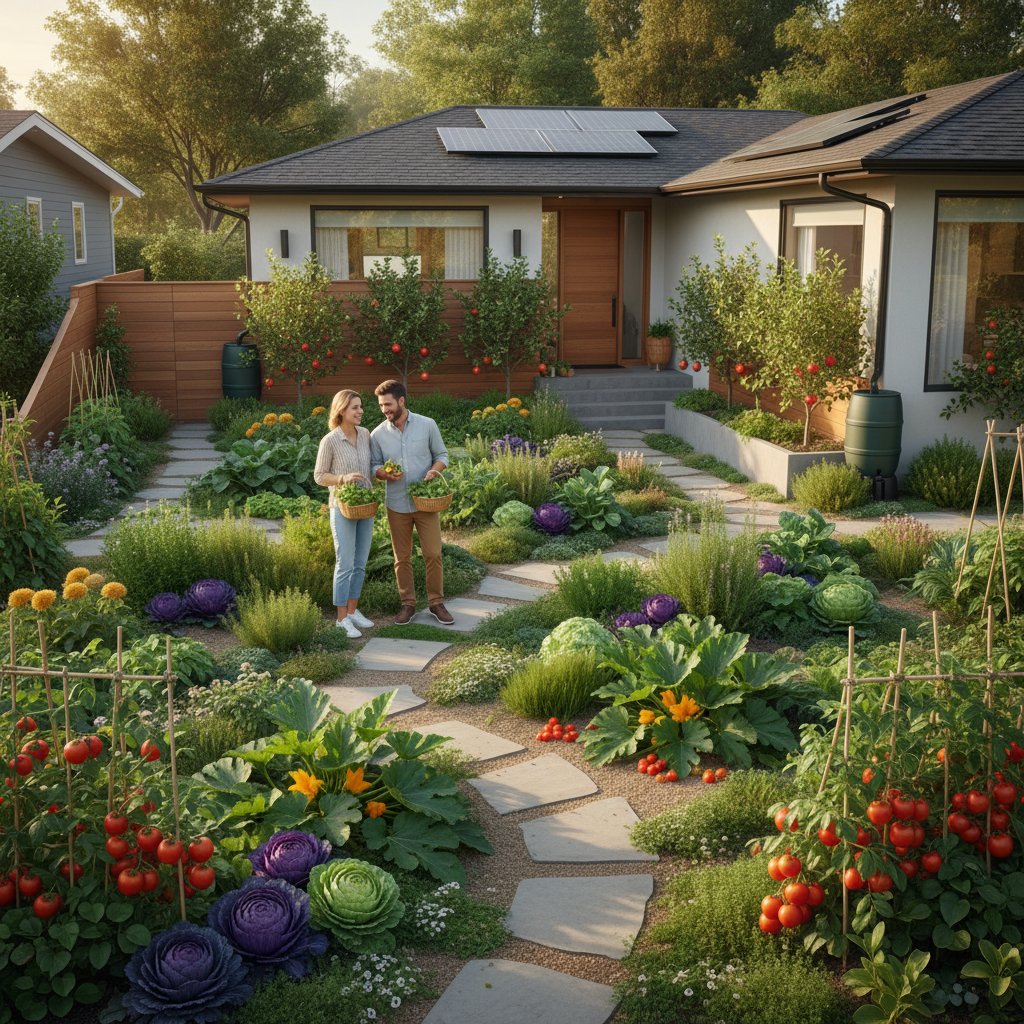
Edible front yards represent a shift in residential landscaping, where space once dedicated to ornamental grass now supports food production. This approach aligns with growing interests in sustainability and self-sufficiency. By integrating edible plants into visible areas, homeowners create multifunctional outdoor spaces that enhance both property value and daily life.
The trend gains momentum in 2026 due to rising food prices and environmental awareness. Communities encourage such designs through water conservation incentives and local food movements. Resulting gardens not only supply fresh ingredients but also foster connections with nature.
Evaluating Costs and Investments
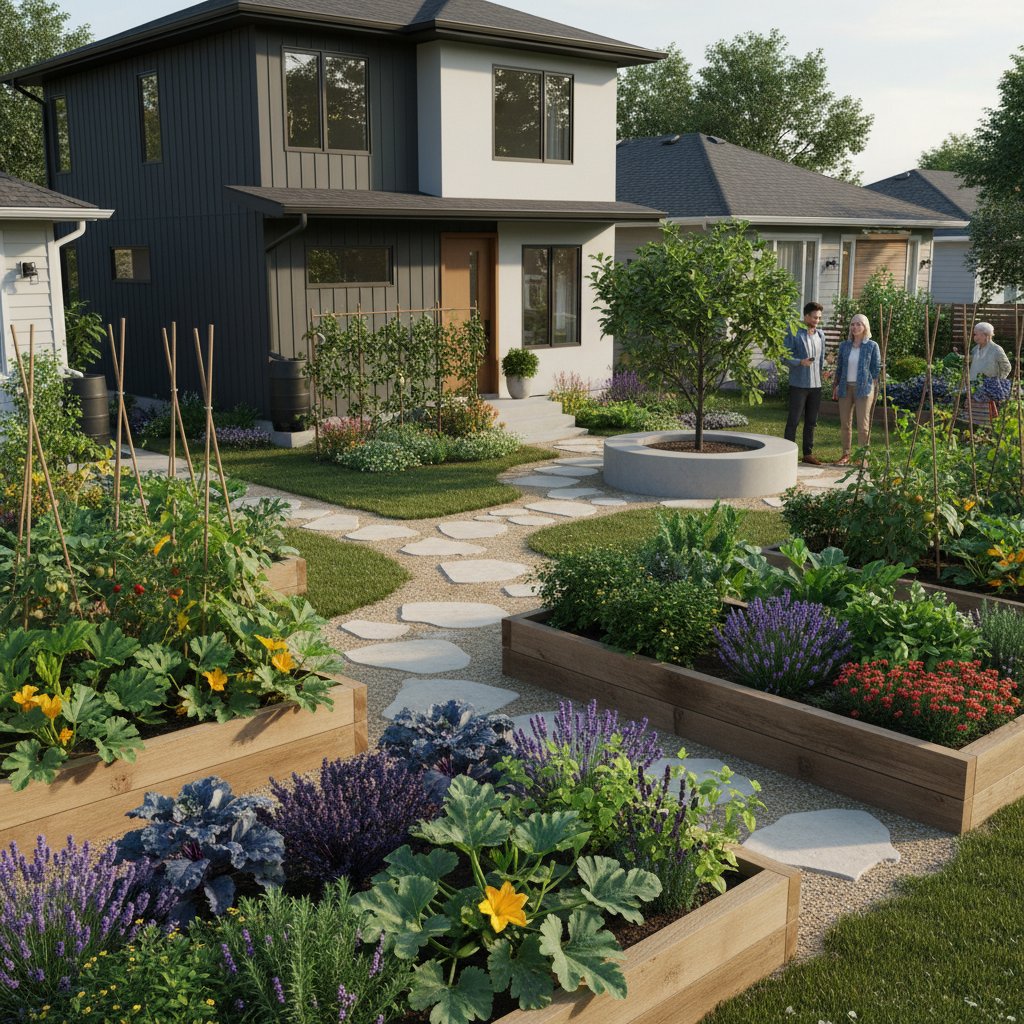
Initial setup costs for an edible front yard vary based on scale and materials. Raised beds constructed from untreated cedar or recycled composite boards typically range from moderate to high, offering durability against weather and pests. Stone or brick options increase expenses but provide a more permanent, elegant appearance.
Plant and seed purchases form another key expense. Starting with seeds keeps costs low, allowing gradual establishment of herbs like basil or chives. Opting for mature plants, such as berry bushes or dwarf fruit trees, raises the budget but accelerates harvests.
Irrigation systems add to upfront spending. Drip lines or soaker hoses, installed at moderate cost, deliver efficient watering and minimize waste. Over time, these reduce utility bills compared to traditional lawn care.
- Budget tip 1: Source materials from local suppliers to cut transportation fees.
- Budget tip 2: Begin with native or low-maintenance edibles to limit ongoing inputs.
- Budget tip 3: Calculate return on investment by estimating annual produce value against setup expenses.
Maintenance Essentials
Caring for an edible front yard mirrors standard gardening practices, with emphasis on consistency. Regular watering sustains plant health, particularly in dry spells; aim for deep, infrequent sessions to encourage strong roots. Weed removal prevents competition for nutrients, while mulching with organic matter conserves moisture and suppresses growth.
Established gardens often demand less effort than lawns. Skip weekly mowing and chemical treatments in favor of targeted pruning and natural pest control. Homeowners report reallocating time from yard work to enjoyable harvesting activities.
Seasonal adjustments keep maintenance manageable. Monitor soil moisture with simple probes and adjust based on weather patterns. This proactive approach ensures vitality without overwhelming daily routines.
Navigating Local Regulations
Local rules shape the feasibility of front yard transformations. Review municipal codes and homeowners association covenants before starting; some restrict vegetable gardens in visible areas to preserve uniformity. Document compliance to address potential concerns early.
Design choices influence approval. Incorporate neat edging with metal or plastic borders to define beds clearly. Maintain trimmed pathways and balanced heights to project intentional care rather than neglect.
Engage neighbors for support. Share plans that highlight shared benefits, such as pollinator attraction or reduced water use. A collaborative stance often eases restrictions and builds community endorsement.
Blending Aesthetics with Productivity
Effective edible landscapes prioritize visual harmony alongside utility. Select plants that offer year-round interest, such as everbearing strawberries or espaliered apples trained against fences. Layer heights with low-growing lettuces at the front and taller sunflowers in the rear for depth.
Incorporate companion elements to enhance appeal. Edible flowers like nasturtiums provide vibrant color and natural pest deterrence, while their leaves and blooms add to the harvest. Marigolds and calendulas similarly protect crops and invite beneficial insects.
Match the design to architectural style. In modern homes, use sleek containers for herbs; for traditional settings, opt for cottage-style borders with lavender and rosemary. This integration maintains curb appeal while delivering functional yields.
Seasonal Planning and Care
Adapt the garden to seasonal rhythms for optimal performance. In early spring, test soil pH and amend with compost to prepare for cool-season starters like kale, radishes, or broad beans. These quick growers provide early rewards and improve soil structure.
Transition to warm-weather crops as days lengthen. Plant heat-tolerant varieties such as cherry tomatoes, eggplant, or zucchini in full-sun positions. Succession planting extends the harvest, ensuring steady supply through summer.
Prepare for fall by sowing cover crops like clover to prevent erosion and add nitrogen. Prune woody perennials, including blueberries or currants, after fruiting to promote airflow and future productivity. Winter cleanup involves clearing debris and protecting roots with mulch.
- Spring action: Till lightly and incorporate slow-release fertilizers.
- Summer focus: Shade cloth for bolting prevention in greens.
- Fall preparation: Harvest remaining produce and evaluate for next year.
Steps to Launch Your Edible Front Yard
Begin the project with site assessment. Map sunlight exposure, noting full-sun areas ideal for tomatoes and partial shade for greens like Swiss chard. Test soil drainage by digging a hole and observing water percolation; amend heavy clay with sand or gypsum as needed.
Select edibles suited to your climate and preferences. Prioritize perennials like rhubarb or asparagus for long-term gains, supplemented by annuals such as peppers or cucumbers. Consult regional growing guides to match varieties with local conditions.
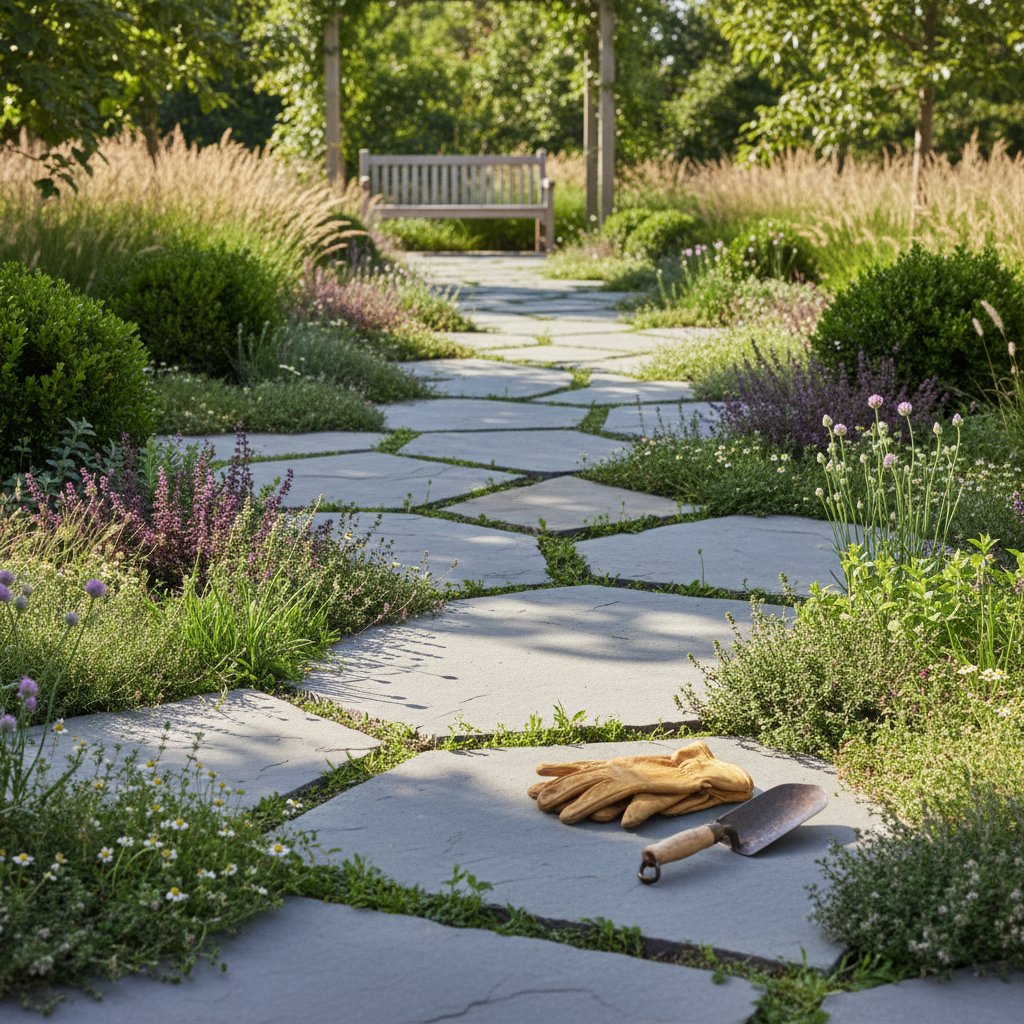
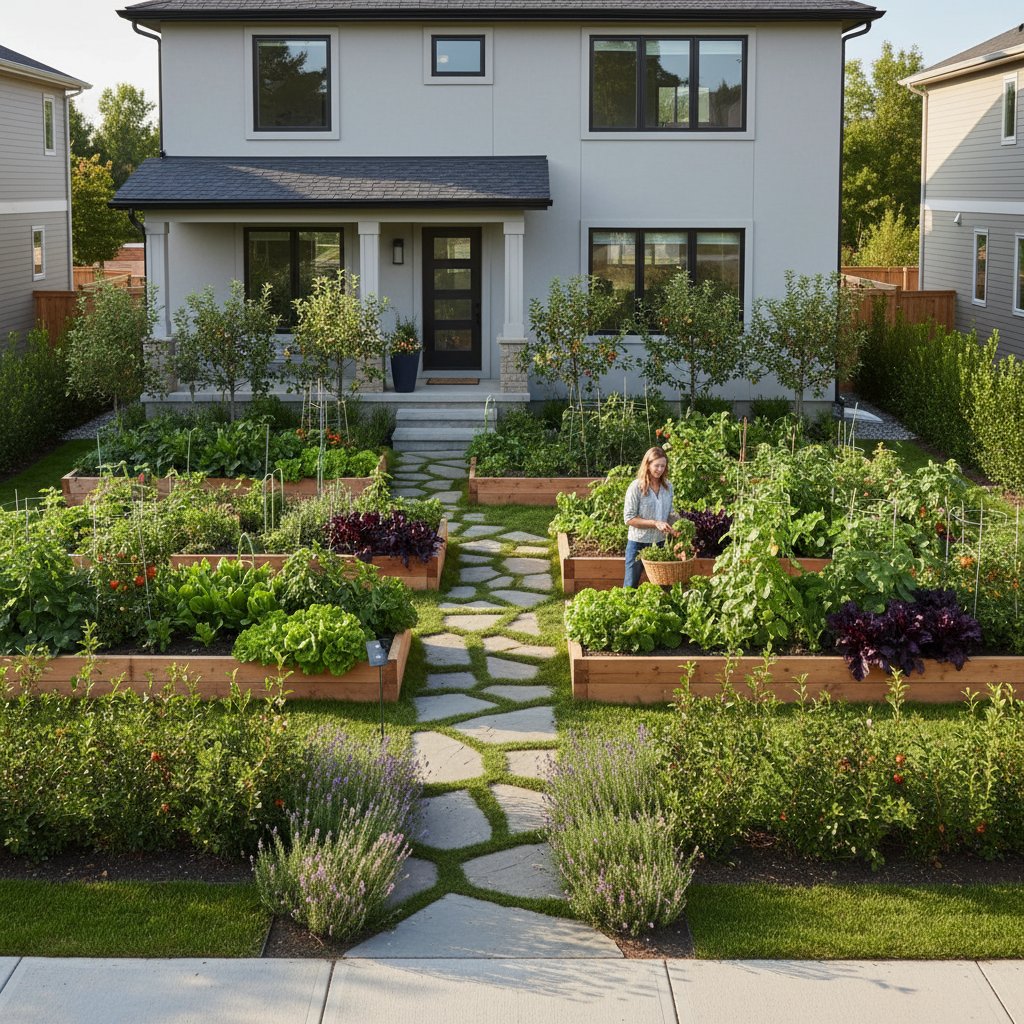
Install infrastructure thoughtfully. Position raised beds to maximize access and visibility, using gravel or pavers for stable paths. Integrate vertical elements like trellises for vining crops to save space and add dimension.
Expand gradually to build confidence. Start with one 4-by-8-foot bed dedicated to herbs and lettuces, observing growth patterns over the first season. Adjust based on successes, such as scaling up prolific producers like zucchini.
Harvesting Benefits and Long-Term Rewards
An edible front yard evolves into a source of fresh, nutrient-dense food. Gather basil for pesto, tomatoes for salads, or raspberries for desserts, reducing grocery reliance. This direct connection to meals heightens appreciation for seasonal flavors.
Sustainability gains extend beyond the plate. These gardens conserve water, support biodiversity, and lower carbon footprints from transported produce. Over years, they contribute to resilient home ecosystems.
The aesthetic and communal advantages endure. A well-tended design elevates neighborhood standards, sparking conversations and inspiration. Embrace this trend to cultivate not just plants, but a more vibrant, self-sustaining lifestyle.