Why Decomposed Granite Dominates 2026 Budget Hardscaping
Homeowners often gaze at their yards with a blend of inspiration and concern over expenses. Outdoor spaces can appear worn or uninspiring, yet revamping them need not strain finances. Decomposed granite, known as DG, emerges as a practical solution that delivers natural appeal and functionality without high costs.
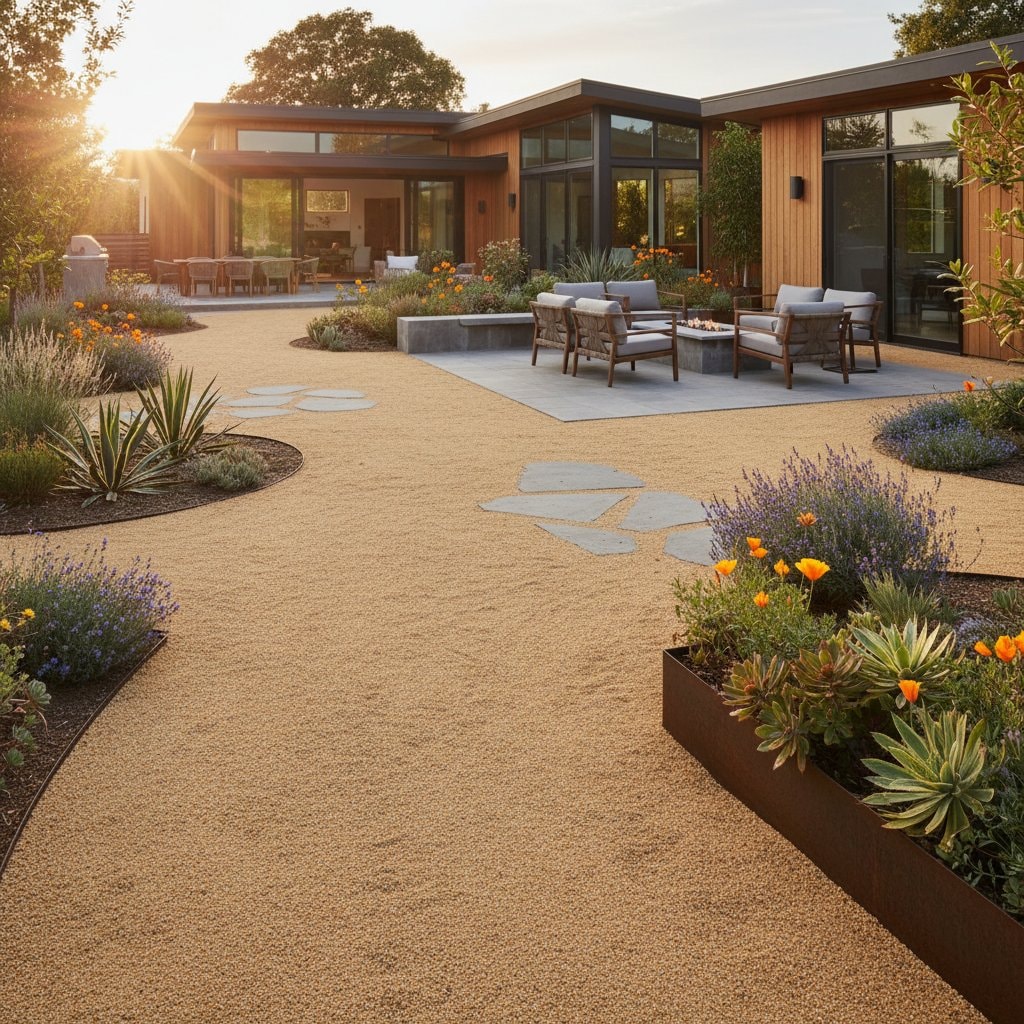
This material excels in creating pathways, patios, and ground covers that enhance usability. It provides the texture of natural stone while remaining easy to work with, unlike rigid options such as concrete. For those planning affordable yard improvements, DG offers reliability and versatility.
Assessing Your Space and Goals
Begin any hardscaping project by evaluating your yard thoroughly. Walk the area to identify traffic patterns, such as routes from the house to the garden or spots ideal for seating. Consider whether you need a winding path for foot traffic or a flat zone for outdoor furniture.
Define specific objectives, like reducing water usage or minimizing weeding tasks. DG aligns well with these priorities through its excellent drainage and low-maintenance properties. Documenting your needs ensures selections that match your lifestyle and budget constraints.
Preparing the Ground
Proper site preparation forms the foundation for a lasting DG installation. Remove existing vegetation, rocks, and organic matter to create a clean base. Use a shovel or tiller for thorough clearing, aiming for a depth of four to six inches in most cases.
Install a geotextile fabric as a weed barrier to prevent grass intrusion while allowing water passage. For optimal stability, add a two-inch layer of 3/4-inch crushed gravel and compact it with a roller or tamper. This base prevents shifting and promotes even settling of the DG layer.
Apply DG in lifts of one to two inches, wetting each layer lightly before compacting. Target a total depth of three to four inches for pathways and up to six inches for driveways. Consistent compaction yields a firm, walkable surface resistant to erosion.
Installation Made Simple
DG installation suits DIY enthusiasts with basic tools. Start by dumping the material from bags or bulk delivery and rake it evenly across the prepared area. Mist the surface with water to aid binding, then compact using a hand tamper for small zones or a rented plate compactor for larger ones.
Repeat layering until reaching the desired thickness, compacting after each addition. For sloped areas, build in slight cross-drains to direct water flow and avoid pooling. Professionals can handle complex grading, ensuring compliance with local drainage codes.
Completion typically takes one to two days for a standard yard project. The outcome is a stable, permeable surface that integrates seamlessly with surrounding landscapes, ready for immediate use.
Caring for Your DG Surfaces
Maintaining DG surfaces requires little effort compared to other hardscape materials. Rake or broom the area weekly to redistribute loose particles and fill minor depressions. After storms, inspect for washouts and replenish with matching DG as necessary.
Opt for stabilized DG, which includes a binding agent, to enhance durability in high-traffic spots. Reapply a light water mist annually to reactivate stabilizers and maintain cohesion. Avoid heavy machinery on the surface to prevent deep ruts.
Refresh the top layer every two to three years by adding one inch of fresh material and compacting. This practice preserves color vibrancy and prevents weed establishment, keeping the area looking pristine with minimal investment.
Why Decomposed Granite Fits Modern Budgets
DG appeals to cost-conscious homeowners due to its economical profile. Materials run about $1 to $3 per square foot, far below pavers at $10 or more. Installation demands few specialized tools, cutting labor expenses for self-guided projects.
Sustainability adds value, as DG's porous nature reduces irrigation needs by 30 to 50 percent through better infiltration. Sourced from natural granite decomposition, it avoids the energy-intensive production of concrete. This choice supports green initiatives while delivering long-term savings on repairs.
In 2026 trends, DG leads for its adaptability in xeriscaping and urban gardens. It withstands freeze-thaw cycles better than asphalt, minimizing replacement costs over a decade.
Enhancing Outdoor Living with DG
A completed DG project instantly elevates yard functionality. Defined paths guide movement efficiently, while open areas encourage relaxation and gatherings. Plants thrive alongside DG, as its drainage fosters root health without soil compaction.
This material allows flexible updates, such as extending borders or integrating features like fire pits. Over time, subtle weathering adds patina, enriching the space's character. DG demonstrates how thoughtful material selection creates enduring, enjoyable outdoor environments without excess expenditure.