Living Fungal Paths: 2026's Eco-Hardscaping Breakthrough
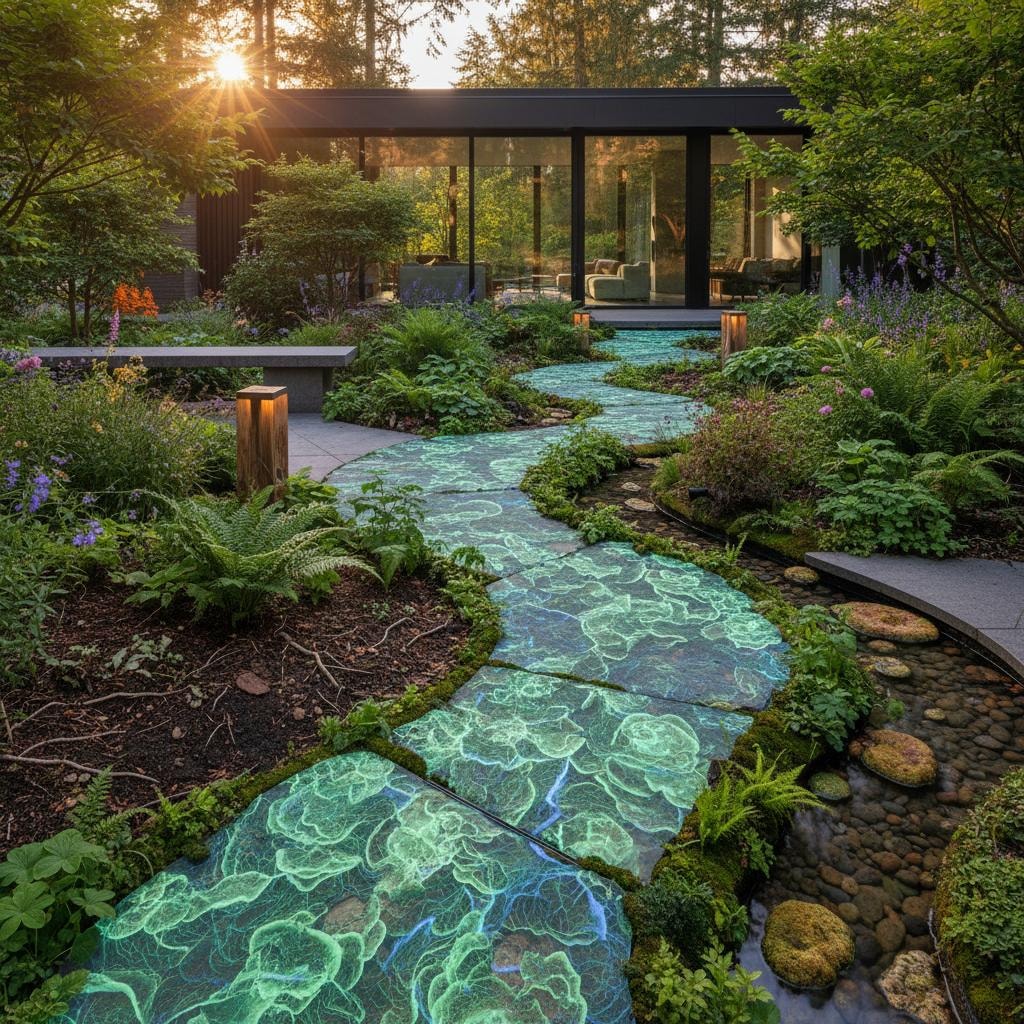
Homeowners often view garden paths as rigid elements that separate rather than integrate with surrounding greenery. These pathways can disrupt the natural flow of the landscape, making outdoor spaces feel disconnected. Living fungal paths address this issue by incorporating mycelium, the root-like structure of fungi, to create walkways that evolve alongside the garden. This innovative approach merges durability with ecological benefits, fostering a harmonious blend of structure and nature.
What Are Living Fungal Paths?
Living fungal paths consist of walkways constructed from mycelium-based composites. Mycelium forms an underground network that links plants through nutrient exchange. In these paths, mycelium binds organic substrates into a solid yet permeable surface, replacing traditional materials like concrete or stone.
This method falls under bio-integrated design, which employs living organisms for structural purposes. Such paths filter rainwater, enhance soil vitality, and support adjacent vegetation. They function as dynamic elements within the ecosystem, promoting restoration over isolation.
Why Homeowners Are Turning Toward Bio-Integrated Design
Conventional hardscaping materials, such as cement and asphalt, create impermeable barriers that hinder water infiltration and compact soil. This leads to erosion and nutrient loss over time. Living fungal paths permit water to percolate through, replenishing groundwater and maintaining soil aeration.
They also moderate microclimates, shielding roots from extreme temperatures. Homeowners adopt this design for its alignment with sustainable living principles. It represents a commitment to nurturing the environment while enhancing garden functionality.
Step One: Assessing Your Space
Begin by evaluating your garden's conditions thoroughly. Observe moisture retention after rainfall, sunlight patterns, and thriving plant zones. Mycelium prefers humid, shaded areas, but hybrid strains tolerate varied exposures.
Consider these key factors:
- Natural foot traffic routes.
- Zones needing improved drainage.
- Opportunities to repurpose existing features.
This assessment prevents mismatches and ensures the path integrates seamlessly. It minimizes site disturbance and aligns the design with the garden's inherent rhythm.
Step Two: Planning Your Pathway
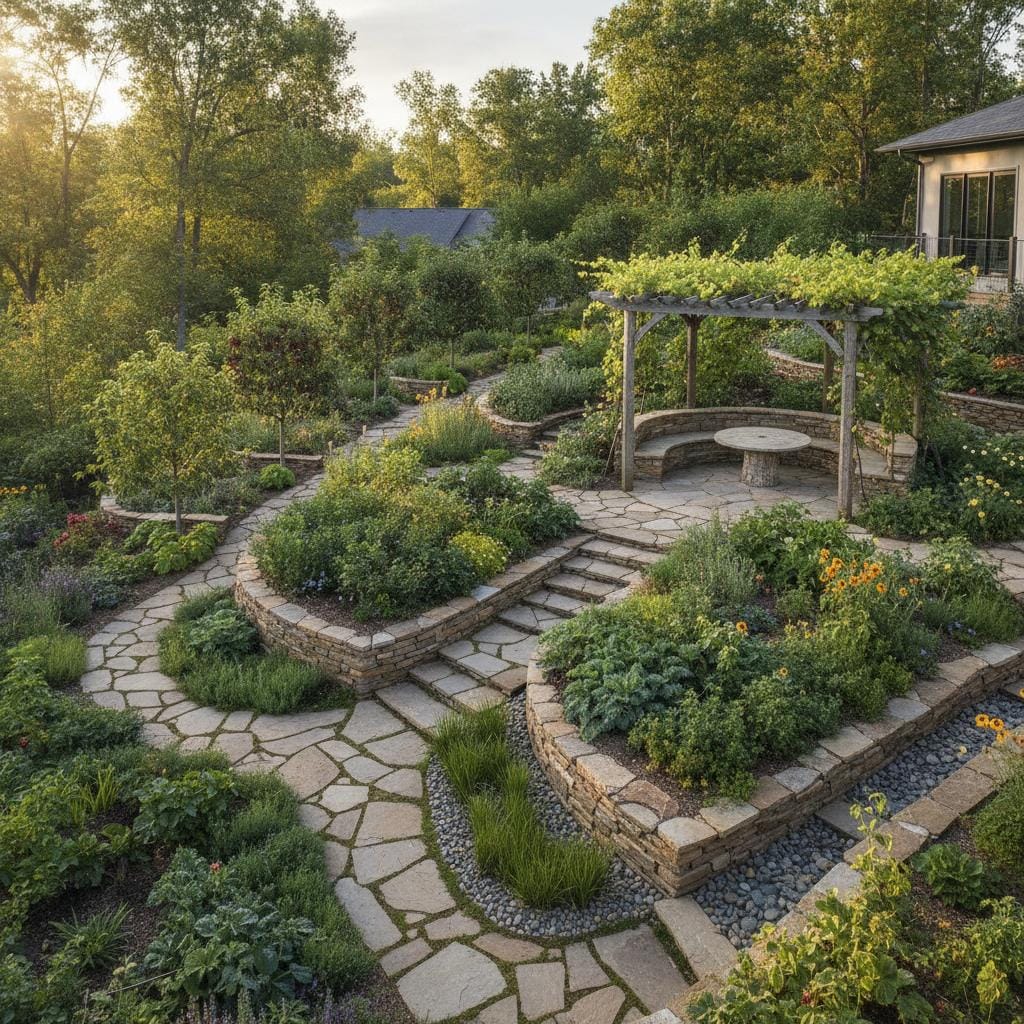
With site insights in hand, sketch the path's layout. Opt for organic curves to guide movement naturally and enhance visual appeal. Mycelium composites adapt to custom forms, allowing precise alignment with garden contours.
Determine the foundation depth, typically 4 to 6 inches. Incorporate a gravel base for excess moisture areas or direct soil integration for stable sites. In established dirt paths, excavate the surface layer, amend with compost, and prepare for substrate application.
This planning phase balances aesthetics with practicality. It ensures the path withstands use while supporting fungal growth.
Step Three: Bringing the Path to Life
Prepare the site by clearing debris and leveling the base. Combine mycelium spawn with substrates like sawdust, agricultural waste, or cellulose fibers in a 1:10 ratio. Pack the mixture into forms or spread it evenly over the prepared area.
Maintain consistent moisture with light misting every 2 to 3 days during the 2 to 4 week colonization period. The mycelium will form a cohesive mat, gaining firmness as it matures. For added protection, apply a beeswax-based sealant sparingly to high-traffic zones.
This process transforms raw materials into a resilient walkway. It requires minimal intervention, relying on the fungi's natural expansion.
Step Four: Integrating Plants and Edges
Enhance the path's edges with compatible flora to create fluid transitions. Select shade-tolerant options such as sedum, ajuga, or native grasses that root shallowly. These plants exchange resources with the mycelium, bolstering overall stability.
Incorporate subtle elevations for groundcovers or embed occasional stone accents that complement the organic texture. This design blurs boundaries between walkway and planting beds. It fosters a cohesive landscape that evolves visually and ecologically.
Step Five: Caring for Your Living Path
Established paths demand routine maintenance focused on equilibrium. Mist during droughts to sustain hydration, particularly in the initial year. Steer clear of chemical treatments; use organic mulches to nourish the system.
Address wear by reapplying substrate to sparse areas and allowing regrowth. Rotate traffic patterns in busy sections to distribute pressure. Consistent, light interventions keep the path vibrant and self-sustaining.
The Science Beneath Your Feet
Mycelium excels in resource distribution and environmental signaling. In natural settings, it transports nutrients across vast networks and aids soil remediation. Applied to paths, it sequesters pollutants and conserves water for surrounding flora.
Studies demonstrate its regenerative capacity, where micro-damage repairs through ongoing cellular activity. This adaptability ensures the path remains robust amid seasonal changes. It embodies a living infrastructure that parallels garden ecosystems.
Sustainability and Aesthetic Harmony
Mycelium production consumes low energy and generates biodegradable byproducts. At lifecycle's end, it decomposes into humus, enriching soil without residue. This closed-loop system contrasts sharply with resource-intensive alternatives.
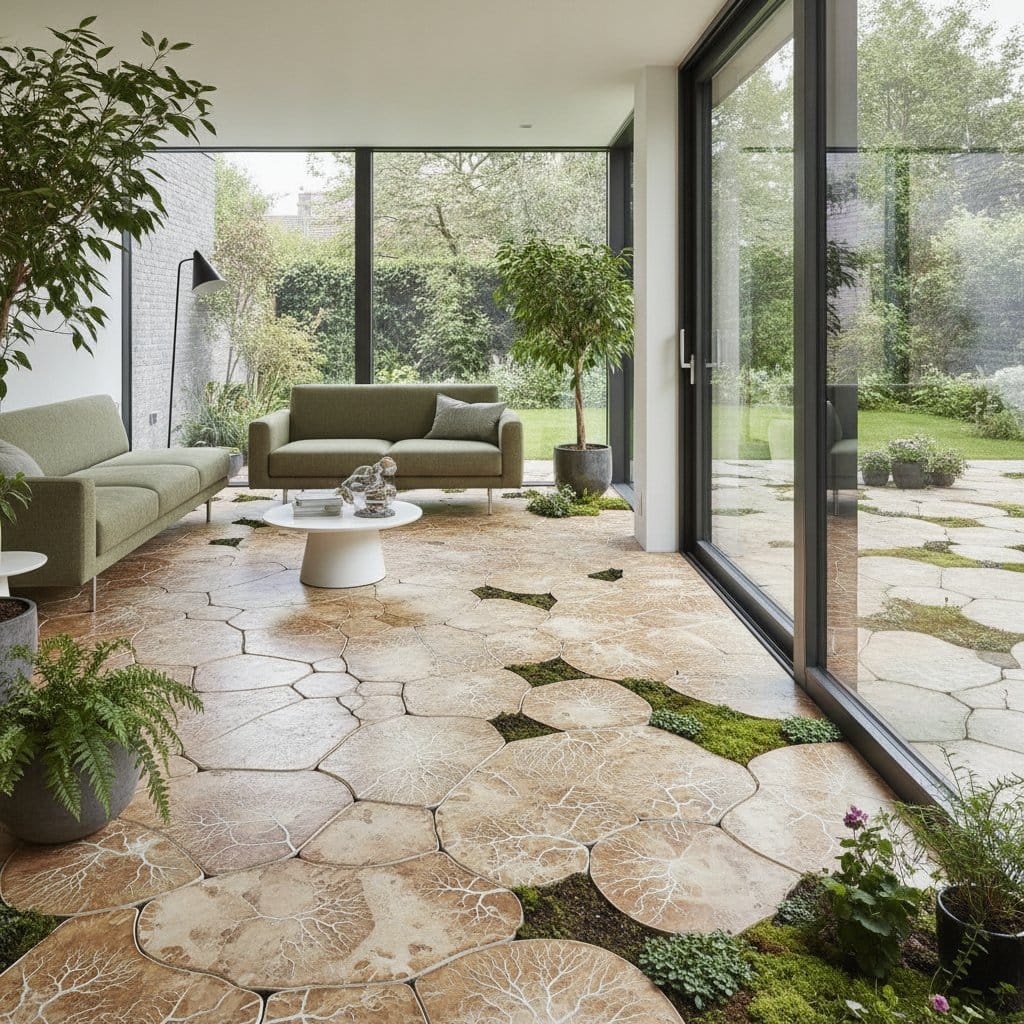
Aesthetically, these paths offer understated elegance with textured surfaces that shift hues from pale neutrals to earthy tones based on moisture. They invite tactile interaction and adapt uniquely to each site's character. This fusion elevates garden design beyond utility.
How to Begin, Even on a Small Scale
For initial trials, install mycelium pavers in a 10-foot segment or as isolated accents. Source inoculated blocks from specialty suppliers, positioning them to interconnect as they expand. Monitor performance before scaling up.
Such pilots reveal site-specific responses and refine techniques. They provide low-risk entry into bio-design, building expertise incrementally. Each addition contributes to a progressively integrated outdoor space.
Observing Ecosystem Enhancements
Post-installation, track improvements in soil quality and biodiversity. Enhanced aeration promotes deeper root growth, while even moisture distribution benefits plant health. Increased pollinator activity signals a thriving habitat.
These outcomes affirm the path's role in ecological balance. They transform routine gardens into resilient, interactive environments that reward ongoing observation.