Wild Gardens Save Time and Bring Nature Home
Homeowners increasingly choose wild gardens over traditional manicured lawns. These landscapes feature native plants that grow with minimal intervention, creating vibrant outdoor spaces. Wild gardens offer a sustainable alternative that enhances natural beauty while reducing effort.
Native plants form the foundation of wild gardens. They adapt to local climates and soils, requiring less water and fertilizer than non-native species. This approach supports local ecosystems by attracting pollinators and wildlife.
Benefits of Embracing a Wild Garden
Wild gardens save significant time on maintenance tasks. Routine mowing, weeding, and trimming become unnecessary as plants establish themselves naturally. Homeowners report spending hours each week on lawns, but wild gardens demand only occasional oversight.
Costs decrease with wild gardens. Initial planting may involve some investment, but long-term savings arise from reduced water bills and no need for chemical treatments. Many municipalities offer rebates for converting lawns to native landscapes, further lowering expenses.
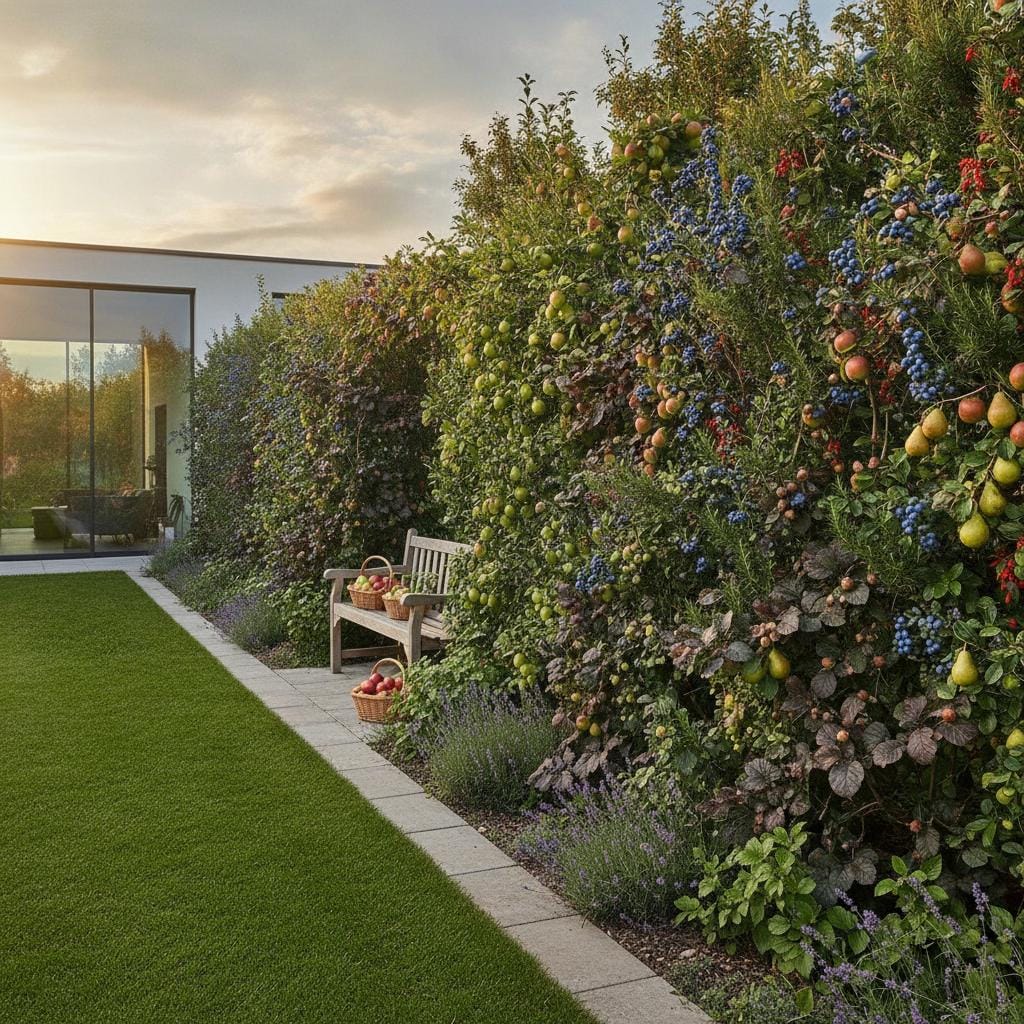
Biodiversity flourishes in these settings. Native flora provides food and habitat for birds, butterflies, and beneficial insects. This creates a balanced ecosystem that contributes to environmental health beyond the backyard.
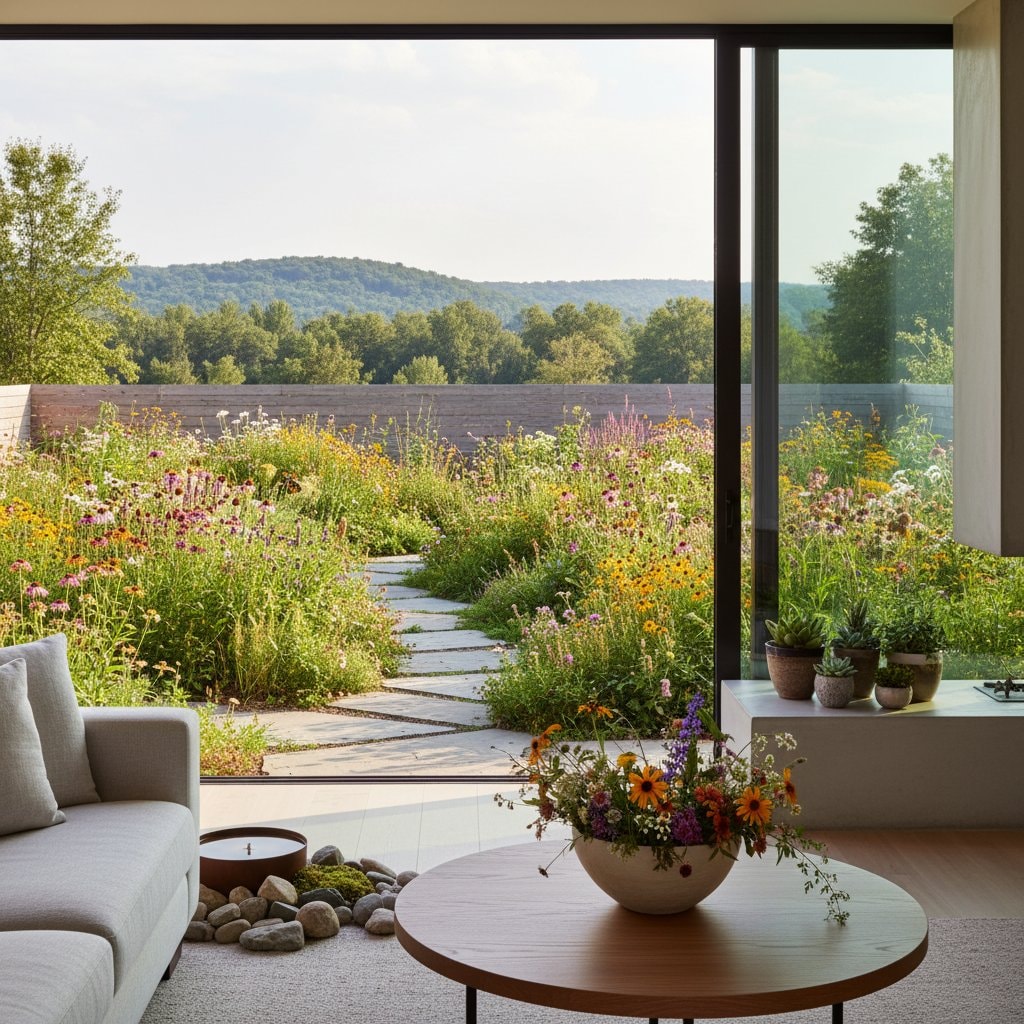
A sense of calm emerges from wild gardens. The natural, unstructured design evokes tranquility, contrasting with the formality of clipped hedges. Many find that observing wildlife in their yard reduces stress and fosters a deeper connection to nature.
Designing Your Wild Garden
Start by assessing your space. Consider sunlight exposure, soil type, and drainage patterns. Sketch a rough layout that incorporates existing features like trees or slopes to guide plant placement.
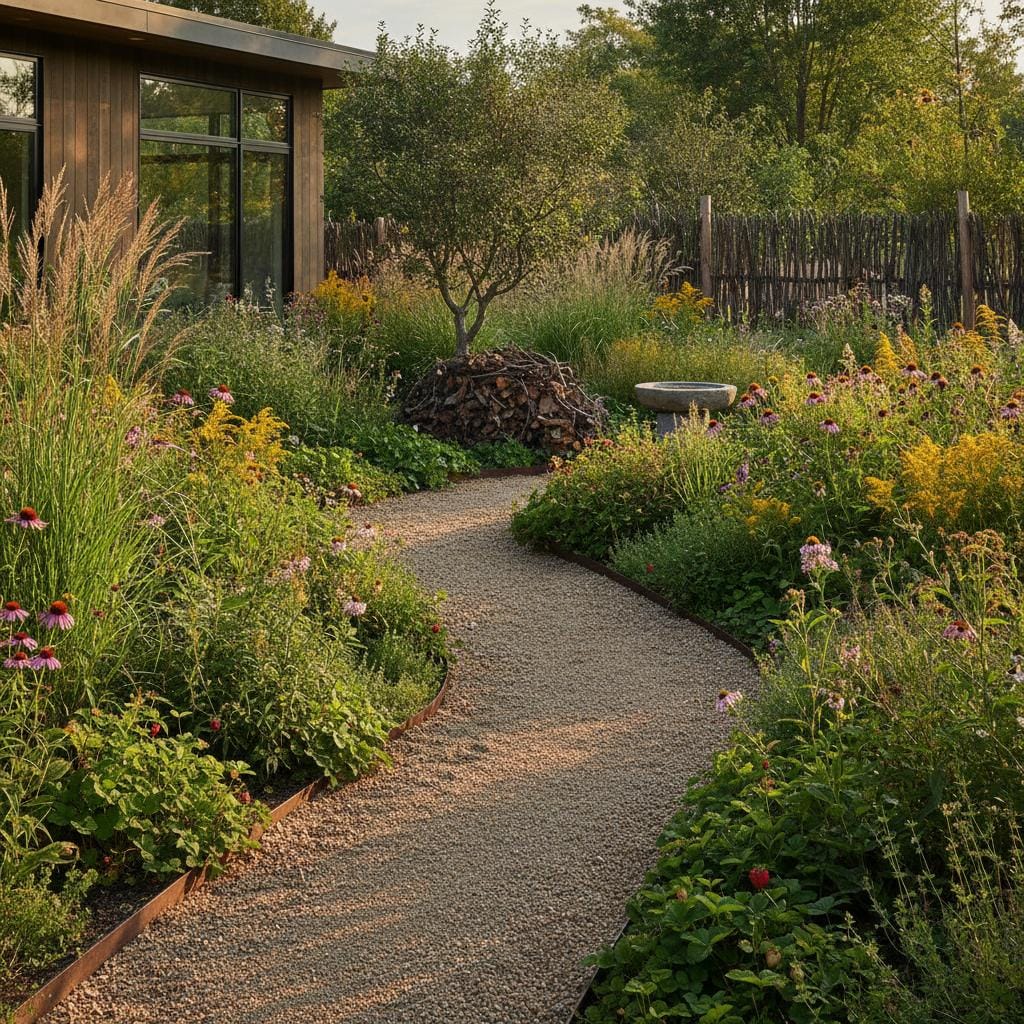
Select plants suited to your region. Research natives through local extension services or botanical gardens. For example, in temperate zones, black-eyed Susans and coneflowers add color, while switchgrass provides structure.
Incorporate layers for visual interest. Plant tall perennials at the back, medium shrubs in the middle, and ground covers in front. This creates depth and ensures year-round appeal, even in winter.
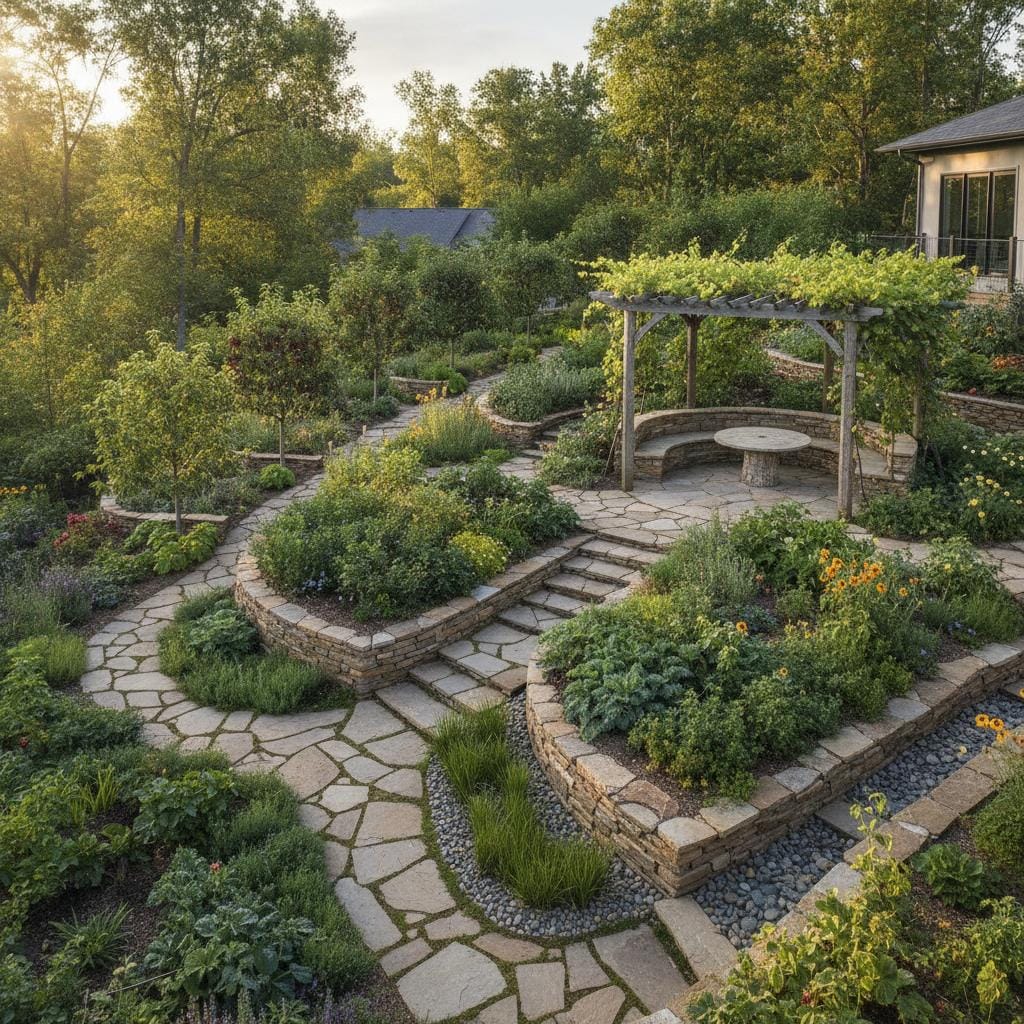
Plan pathways if desired. Use mulch or stepping stones to define walkways without disrupting the natural flow. Keep designs simple to maintain the wild aesthetic.
Steps to Plant a Wild Garden
Prepare the site thoroughly. Remove sod or weeds using a sod cutter or sheet mulching method, where cardboard smothers grass over time. Test soil pH and amend if necessary, though natives tolerate varied conditions.
-
Choose the right season. Plant in fall or spring when temperatures moderate and rain supports establishment.
-
Space plants appropriately. Follow guidelines for each species to allow growth without overcrowding. For instance, place prairie dropseed grasses two feet apart.
-
Water deeply at planting. Provide consistent moisture for the first season to help roots develop. Gradually reduce watering as plants adapt.
-
Mulch around new plants. Use organic matter like shredded leaves to retain moisture and suppress weeds.
Introduce plants in phases if the area is large. This allows observation of growth patterns and adjustments. Over time, the garden fills in naturally.
Minimal Care for Lasting Results
Monitor for the first year. Remove any invasive weeds that appear, but avoid over-intervention. Natives develop resilience quickly.
Prune selectively. Trim dead foliage in late winter to encourage new growth. Leave seed heads for winter interest and bird food.
Divide overcrowded plants every few years. This rejuvenates the garden and provides extras for expansion or sharing.
Resist the urge to tidy excessively. Embrace the organic look; fallen leaves enrich the soil naturally.
Pests rarely trouble native gardens. Beneficial insects keep populations in check. If issues arise, use manual removal or companion planting rather than chemicals.
Enjoying the Rewards of Your Wild Garden
Observe transformations over seasons. Spring brings blooms, summer offers lush greenery, and fall displays seed pods. Winter reveals structural beauty in bare branches.
Engage with the space. Set up seating areas to watch wildlife or host casual gatherings. The garden becomes a living extension of the home.
Share your success. Document progress with photos and note what works in your climate. This inspires others to adopt sustainable practices.
Wild gardens deliver enduring value. They conserve resources, support nature, and provide a serene retreat. With thoughtful planning, your yard becomes a thriving, effortless haven.