Why Meadow Lawns Outperform Traditional Turf in 2026
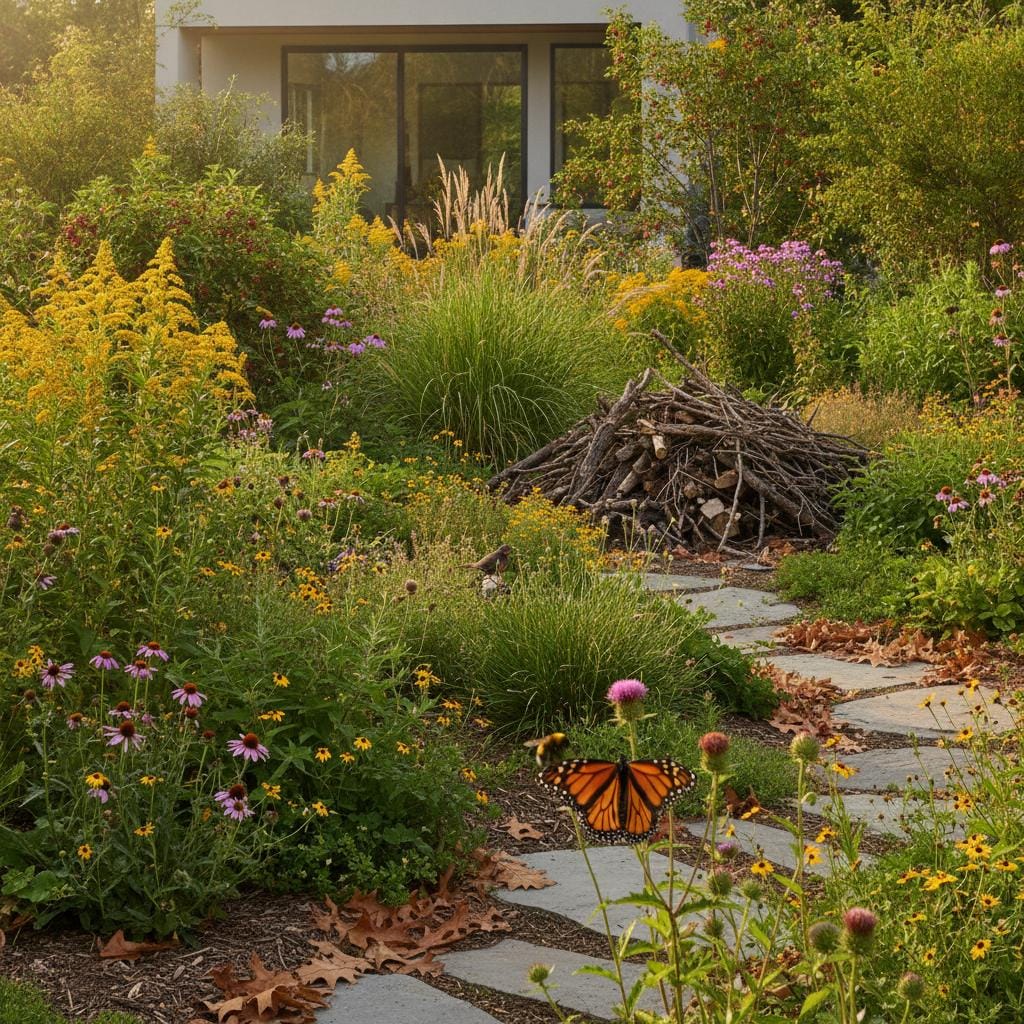
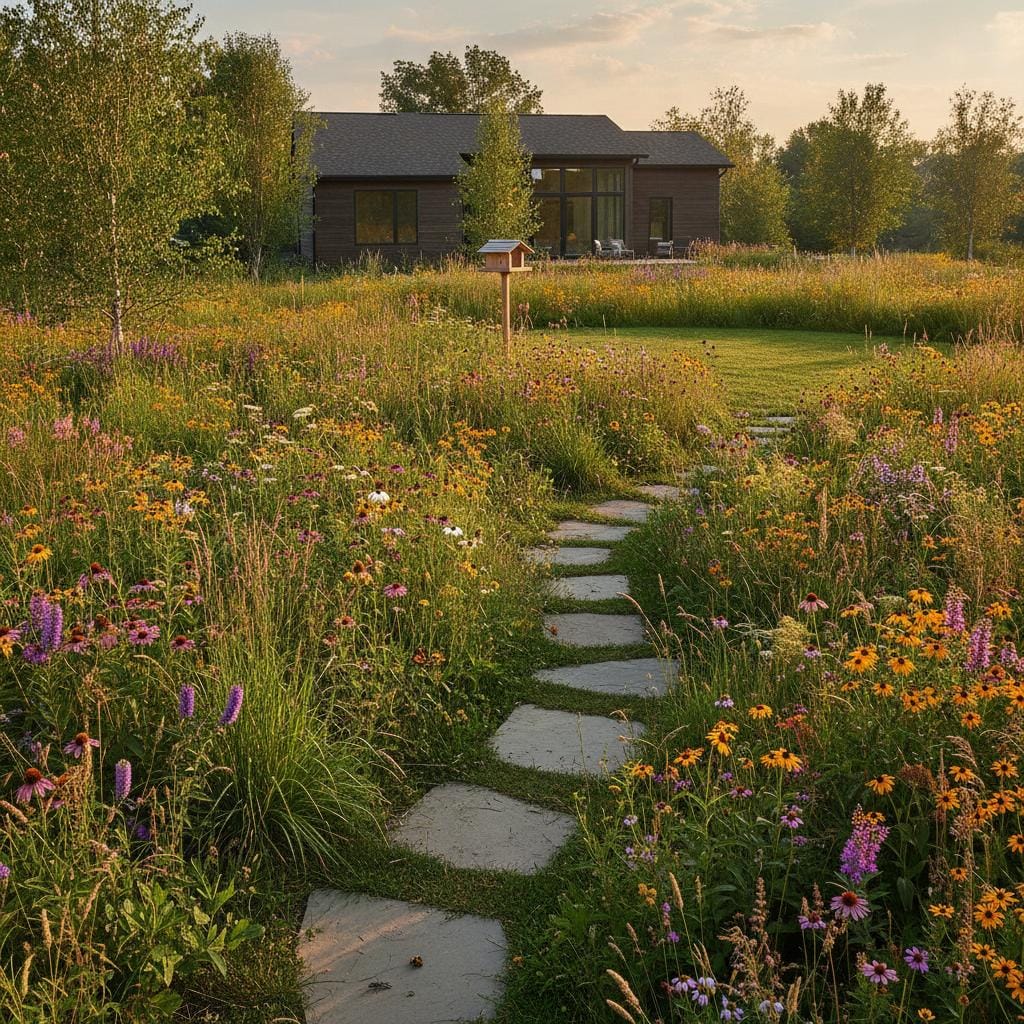
Consider a yard resembling a gentle meadow, where native grasses sway alongside wildflowers and clover. Pollinators thrive amid the blooms, and birds forage for seeds. This scene contrasts sharply with uniform suburban turf, yet it conveys intentional care and vitality.
Traditional turf symbolizes order through meticulous upkeep. Homeowners increasingly embrace meadow lawns, which deliver aesthetic appeal, durability, and ecological benefits unmatched by mowed grass. This approach aligns with rewilding efforts, promoting harmony with natural cycles.
Shifting from Control to Partnership
Conventional lawns emphasize dominance over nature. Uniform heights result from frequent mowing, while weeds face removal or herbicides. Such maintenance requires ongoing irrigation, fertilization, and effort, often leading to soil and water contamination.
Meadow lawns encourage partnership. Observe seasonal changes as grasses lengthen and flowers cycle through blooms. This dynamic fosters resilience, revealing beauty in diversity rather than sameness.
Homeowners appreciate this philosophy. It values nature's lead, yielding surprises like unexpected color bursts or wildlife visits.
Components of a Meadow Lawn
A meadow lawn features a deliberate blend of native elements. These selections sustain local ecosystems and soil health.
- Native grasses anchor the space with deep roots that combat erosion and retain water.
- Wildflowers and herbs draw pollinators, including bees and butterflies, boosting biodiversity.
- Nitrogen-fixing plants like clover enrich soil naturally, minimizing external inputs.
This combination evolves visually. Spring brings tender greens and initial flowers. Summer intensifies with vibrant hues and insect activity. Fall offers golden tones and seed structures, ensuring year-round interest.
Limitations of Traditional Turf
Turf lawns prioritize consistency with single grass varieties. Shallow roots demand consistent care, while compacted soil from traffic impairs drainage and oxygenation. Dependence on supplements grows over time.
Meadow lawns prove more independent. Deep-rooted natives access subsoil moisture, enhancing drought resistance. Healthy soil supports mutual plant benefits, deterring pests naturally.
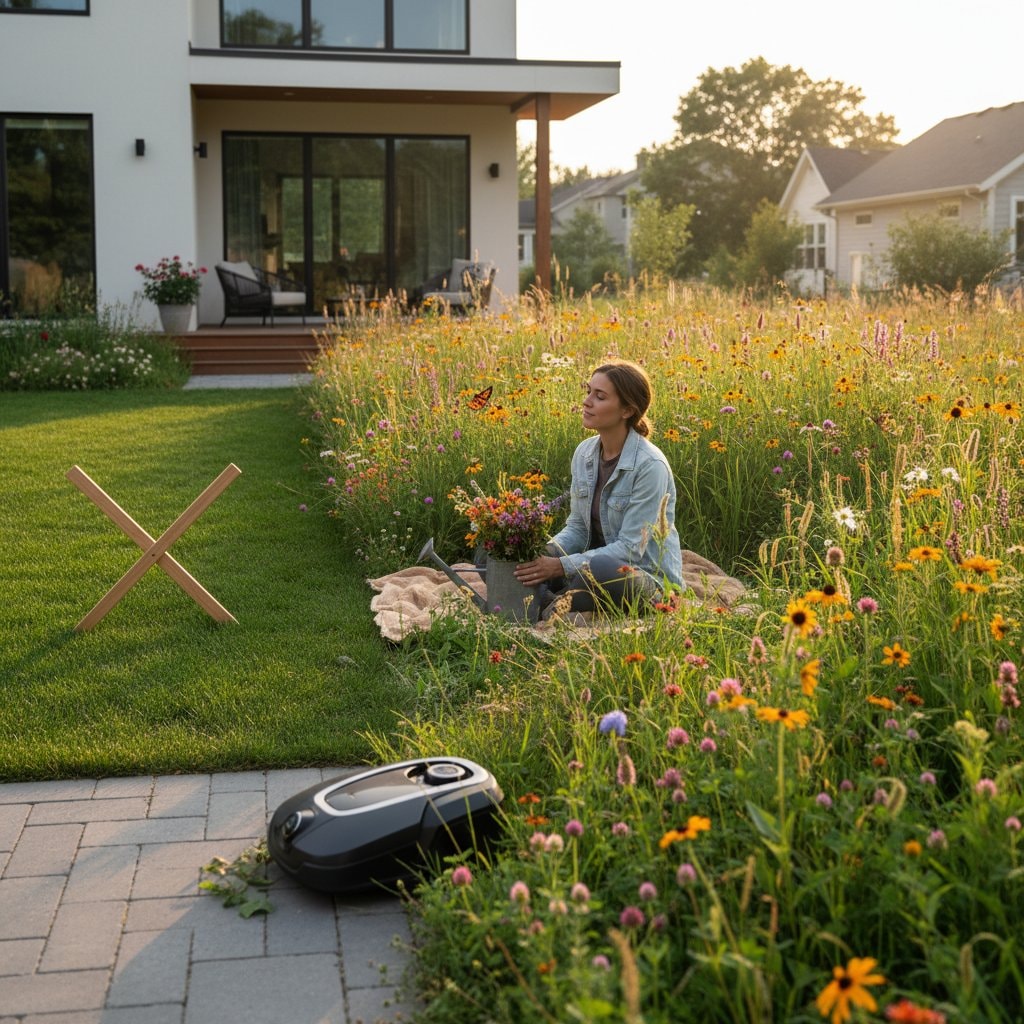
The comparison highlights contrasts. Turf appears pristine but vulnerable. Meadows radiate robustness and life.
Ecological Benefits
Meadow lawns bolster local habitats. Pollinators access nectar sources absent in turf. Birds gain shelter and food, while soil microbes process organics efficiently.
Advantages extend further. Reduced fertilizer and pesticide use prevents runoff. Enhanced root systems absorb rainfall effectively, aiding stormwater control. Plant variety sequesters carbon superior to monocultures.
Even modest areas contribute. A narrow border or unmowed corner serves as a wildlife haven. Community-wide adoption creates connected habitats, enhancing urban biodiversity.
Addressing Aesthetic Concerns
Homeowners may resist meadows due to familiarity with manicured looks. Uniformity equates to respectability in many minds. However, intentional design transforms perceptions.
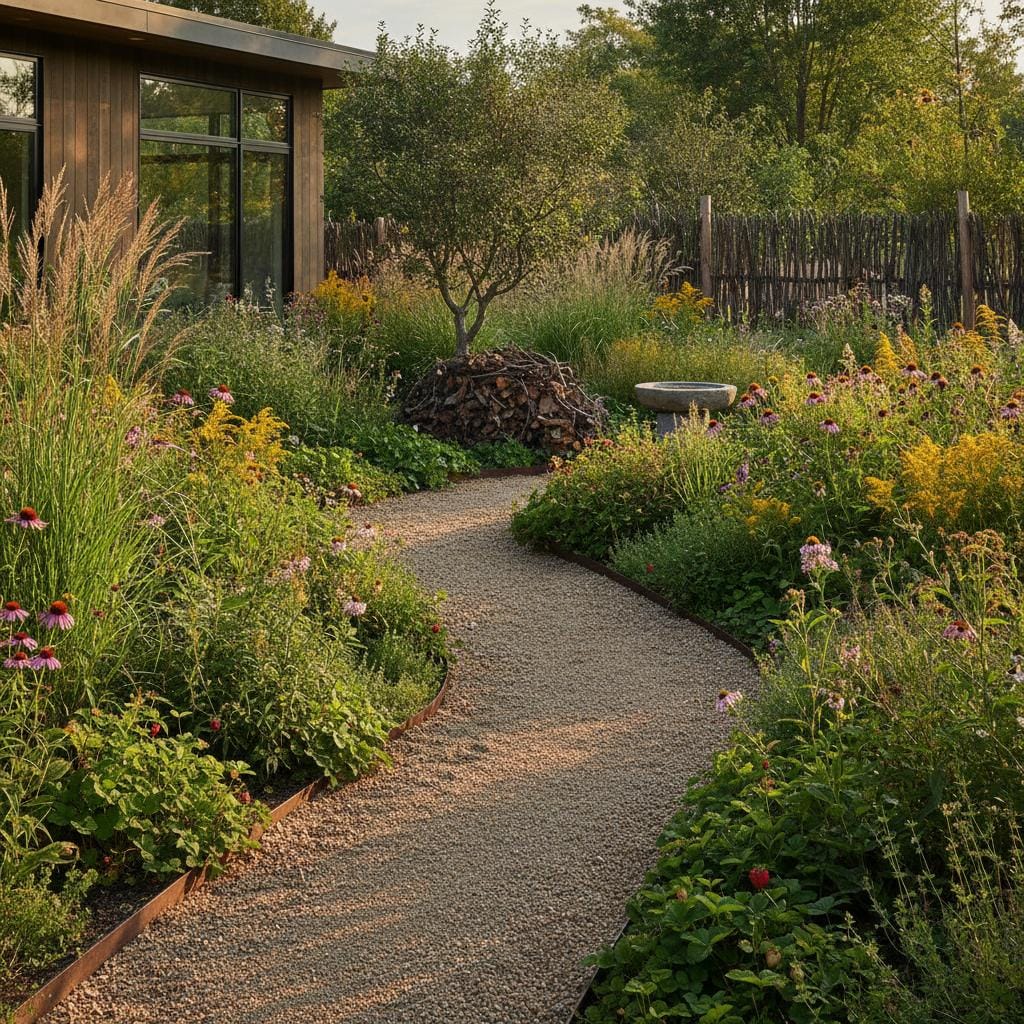
Define boundaries with edged mows or stone accents. Incorporate paths for access. These elements convey purpose, easing the transition from tidy to textured.
Appreciation grows with observation. Breezy grass movements, insect patterns, and seasonal shifts offer elegance beyond turf's static green.
Establishing a Meadow Lawn
Begin modestly to build familiarity. Select a suitable site and proceed methodically.
-
Identify the site. Opt for sunny areas with partial daily light. Steer clear of dense shade or hard-packed soil initially.
-
Amend the ground. Strip existing turf and aerate the top layer. Sow seeds or plant plugs for establishment.
-
Pick suitable plants. Combine grasses such as little bluestem with perennials like purple coneflower or bee balm. Regional natives ensure compatibility and longevity.
-
Irrigate initially. Provide consistent moisture for rooting, then taper to promote depth.
-
Maintain minimally. Perform one annual mow in late winter to refresh and control invasives.
Expansion follows success. Monitor growth to refine the mix annually.
Emotional Rewards of the Transition
Meadow lawns alter yard interactions profoundly. Daily observations replace routine tasks, revealing events like butterfly emergences or bee foraging.
Releasing perfectionist standards brings serenity. The space evolves into an observatory for natural processes. Owners report fulfillment in contributing to broader ecological health.
Avoiding Pitfalls in Conversion
Patience proves essential during the first season, when growth appears patchy. Premature abandonment occurs when expectations demand rapid perfection.
Select native-focused seed blends to prevent invasive issues. Consult local experts for tailored recommendations.
Limit interventions. Annual maintenance suffices; excessive tending disrupts balance.
Broader Cultural Context
Meadow adoption reflects evolving land-use values. The manicured lawn once epitomized affluence, yet its demands clash with sustainability priorities.
The no-mow initiative promotes restraint, yielding softer landscapes and richer soundscapes. This change signals a preference for mindful living over excess.
Communities benefit collectively. Increased diversity reduces maintenance noise and enhances environmental quality.
Integrating Meadows into Daily Life
Established meadows attune residents to environmental cues. Rain sustains roots visibly, while dry periods test plant hardiness.
Enhance usability with features like winding paths or seating nooks. These invitations deepen engagement, blending the meadow seamlessly with home routines.