Front Yard Farms: Integrating Productivity into Neighborhood Landscapes
Homeowners increasingly view front yards as opportunities for more than mere decoration. The rise of front yard farms, also known as edible landscapes, shifts focus toward spaces that produce food while enhancing visual harmony. This approach transforms ordinary lawns into sources of fresh produce, personal satisfaction, and community interaction.
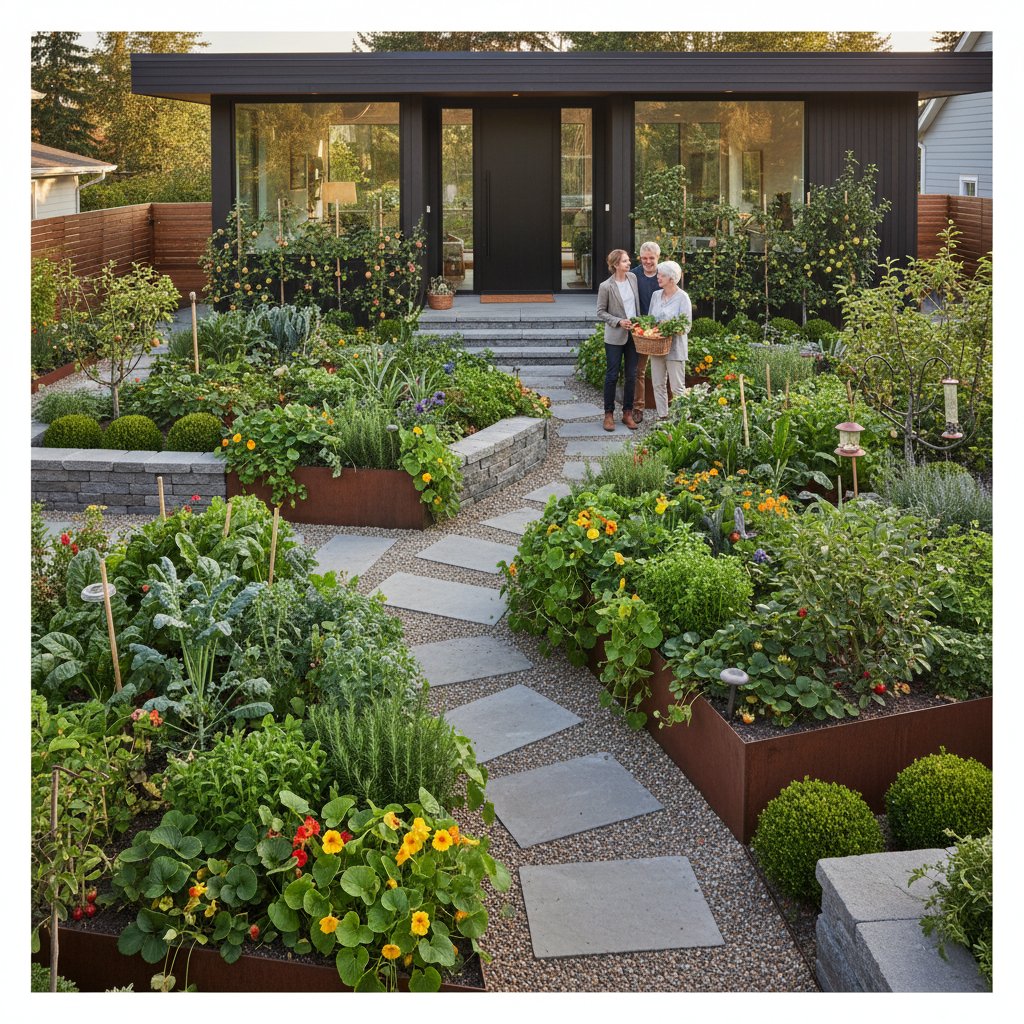
Front yard farming emphasizes integration rather than overhaul. Select plants that align with your home's architecture and local climate to ensure the design complements the surroundings. For instance, espaliered fruit trees against a facade add vertical interest without overwhelming the space. This trend influences entire neighborhoods, promoting shared values of sustainability and self-sufficiency.
Designing an Edible Landscape with Balance and Appeal
Effective design unites aesthetics and utility without sacrificing either. Start by assessing sunlight patterns, water access, and foot traffic to inform plant placement. A well-planned layout prevents overcrowding and supports efficient harvesting.
Follow these structured steps to develop your design:
- Identify goals and constraints. Determine if the focus lies on high-yield annuals like radishes and beans for immediate results or perennials such as blueberries and mint for ongoing production.
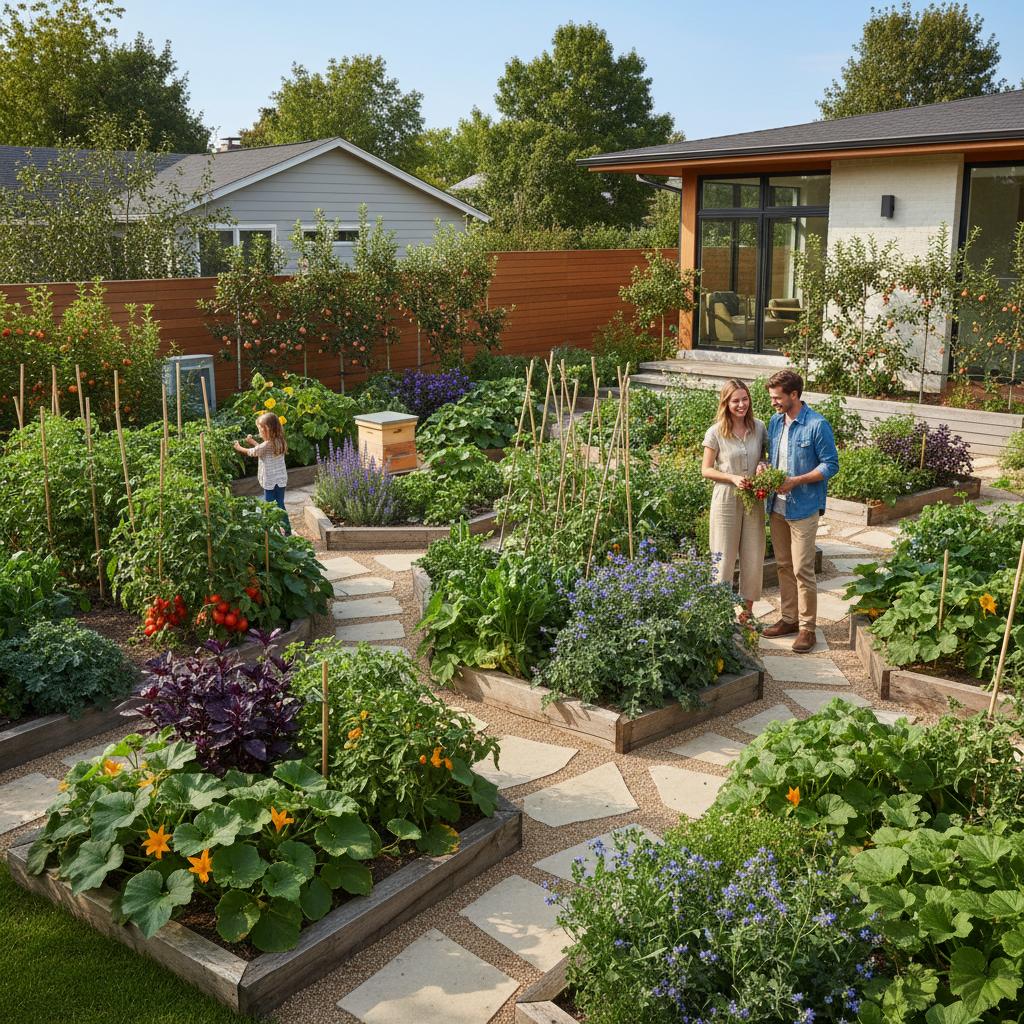
- Create a scaled sketch. Use graph paper to outline bed shapes, pathways at least two feet wide for access, and vertical features like trellises for climbing vines.
- Incorporate diverse elements. Combine upright lavender with trailing sweet potatoes, or cluster red chard with yellow squash for natural color contrast that mimics ornamental beds.
- Optimize for observation. Position specimen plants, such as artichokes, in prominent spots while edging borders with compact varieties like alpine strawberries to frame walkways invitingly.
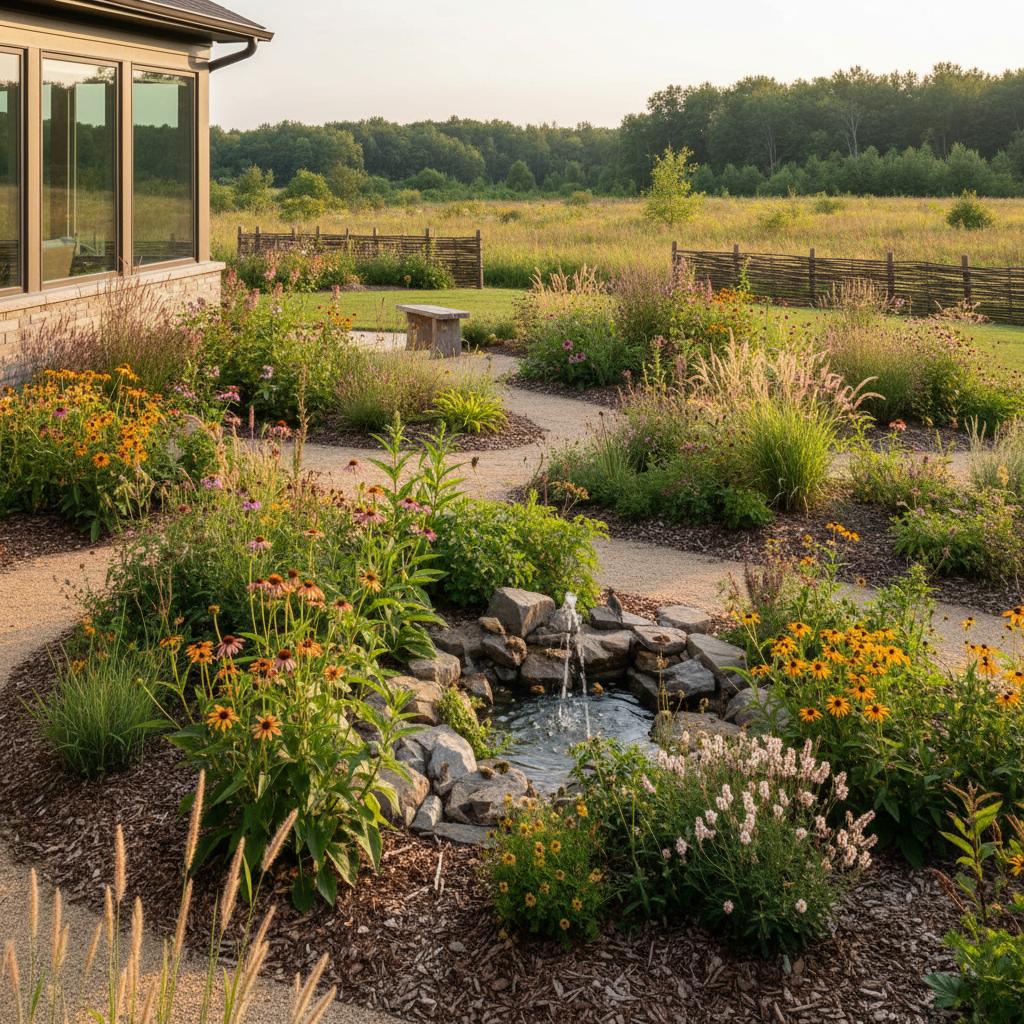
Select regionally adapted species to minimize watering and fertilization needs. Consult local experts for recommendations on drought-tolerant options like native serviceberries or heat-resistant okra. These choices ensure resilience and reduce long-term demands.
Building Fertile Soil Foundations
Success hinges on soil vitality, as compacted earth from years of grass cover restricts nutrient uptake. Test pH levels with a simple kit to aim for 6.0 to 7.0, ideal for most edibles. Aerate the ground to a depth of 12 inches using a broadfork, then incorporate two to three inches of organic matter per square yard.
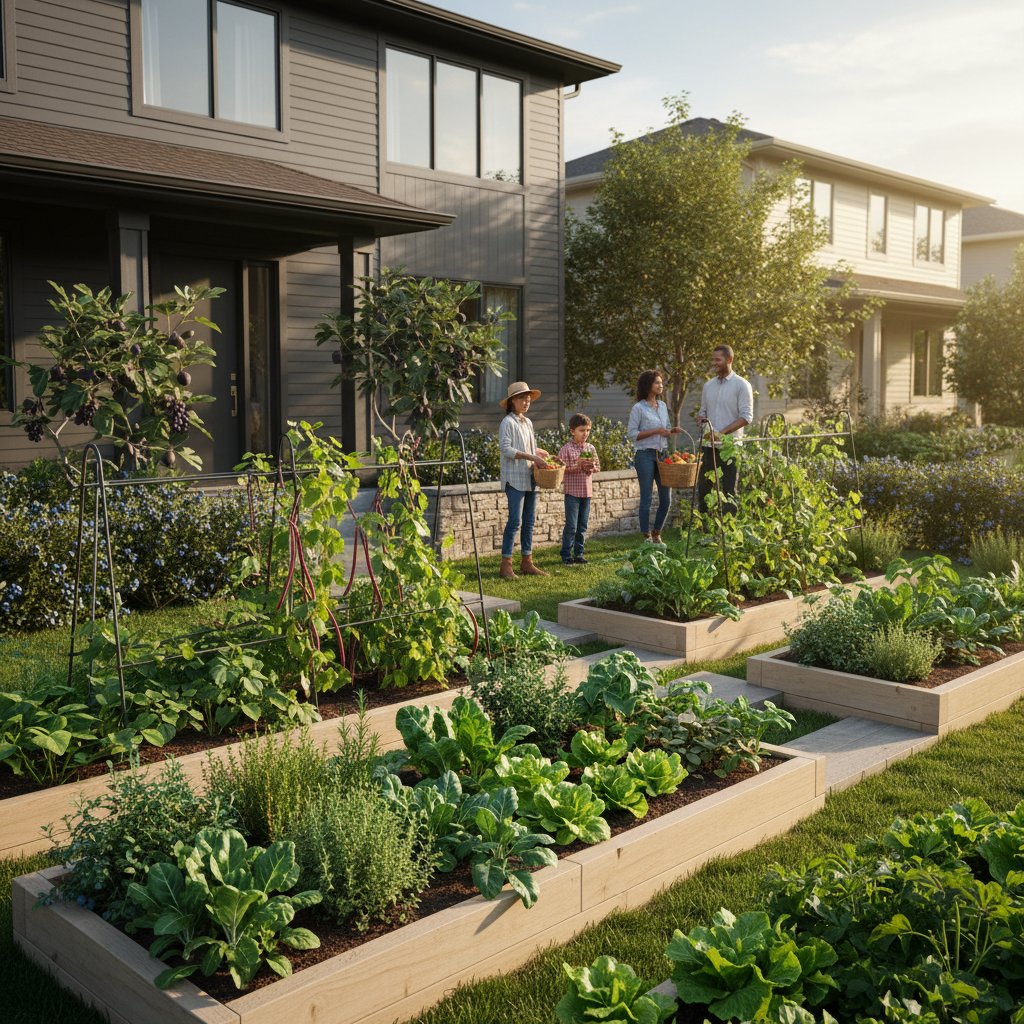
Raised beds, constructed from untreated cedar or stone, offer control over depth and composition. Fill them with a blend of 60 percent topsoil, 30 percent compost, and 10 percent sand for drainage in clay-heavy areas. Apply two inches of organic mulch, such as shredded leaves, immediately after planting to suppress weeds and retain moisture. Annual additions of worm castings further improve microbial activity, leading to robust root systems and higher yields.
Selecting and Planting Edible Varieties Strategically
Begin planting in spring or fall, depending on your zone, to align with growth cycles. Prioritize favorites like heirloom tomatoes for flavor or bush beans for ease. Space plants according to mature size—tomatoes 24 inches apart, carrots in rows six inches wide—to promote airflow and deter fungal issues.
Balance the palette with perennials for stability and annuals for flexibility. Establish rhubarb crowns in partial shade for tart stalks year after year, complemented by fast-maturing zinnias that double as edible petals. Integrate pest-repelling companions, such as garlic near roses or borage beside tomatoes, to enhance biodiversity. This layered approach sustains visual interest from spring blooms to autumn harvests.
Maintaining a Thriving Edible Front Yard
Regular attention sustains productivity and polish. Irrigate deeply once or twice weekly, delivering one inch of water equivalent, preferably via drip systems to target roots efficiently. Monitor for deficiencies, like yellowing leaves indicating nitrogen needs, and respond with balanced organic fertilizers applied every six weeks.
Address pests through integrated methods: introduce ladybugs for aphids or apply neem oil diluted at one teaspoon per quart of water. Prune herbs to encourage bushiness and remove spent vegetable foliage promptly to recycle nutrients back into the soil. Harvest at optimal ripeness—early morning for greens—to maximize flavor and stimulate regrowth.
Verify local ordinances early, as some areas limit bed heights or materials. Engage neighbors through informal tours to highlight benefits, often converting skeptics into supporters. A manicured appearance, with edged paths and staked supports, ensures the garden enhances rather than detracts from property values.
Fostering Community Through Shared Bounty
Visible gardens spark interactions that extend beyond property lines. Passersby often inquire about varieties or request cuttings, opening doors to exchanges of seeds and advice. Offering surplus zucchini or basil bunches builds goodwill and reciprocity.
Install a community harvest station, like a wooden crate labeled for free taking, to encourage participation. Such initiatives not only distribute abundance but also educate on homegrown benefits, inspiring collective shifts toward resilient food systems.
Sustaining Long-Term Garden Vitality
Observe seasonal shifts to refine practices: rotate brassicas to different beds annually to break pest cycles, and sow cover crops like clover in off-seasons for natural fertilization. Track progress in a journal, noting what thrives under specific conditions.
As biodiversity increases, beneficial wildlife contributes to health—pollinators boost fruit set, while earthworms aerate soil naturally. The cumulative effect yields not just meals but a sense of stewardship, where each tending session reinforces harmony between home and environment.
Harvesting Rewards from Your Edible Haven
Initiate with modest additions: swap a 10-foot lawn strip for raised herb beds or install vertical planters on fences. Progress gradually, evaluating what integrates seamlessly. The evolving space delivers fresh ingredients, reduced grocery reliance, and a vibrant facade that invites admiration and conversation.