Why Rewilding Yards Means Less Work, More Life
Every once in a while a shift begins quietly in the background. You might notice it first in a neighbor front yard where the lawn gives way to tall grasses and clusters of native blooms. This quiet change is called rewilding and it is reshaping how people think about their outdoor spaces.
What Rewilding Really Means
Rewilding a yard does not mean letting it go completely wild. It means welcoming nature back in a thoughtful guided way. Instead of endless turf and decorative plants that need constant attention rewilded spaces use native species that grow naturally in the region.
These plants attract pollinators hold moisture in the soil and require far less fertilizer and water than typical garden choices. At its heart rewilding is about balance. It encourages homeowners to design around the rhythms of local ecology rather than fighting against them.
Why This Shift Feels So Timely
Many homeowners are growing weary of the endless cycle of mowing watering and trimming. The idea of a yard that largely maintains itself feels refreshing. Rewilding offers a way to lighten the workload while improving the health of the land.
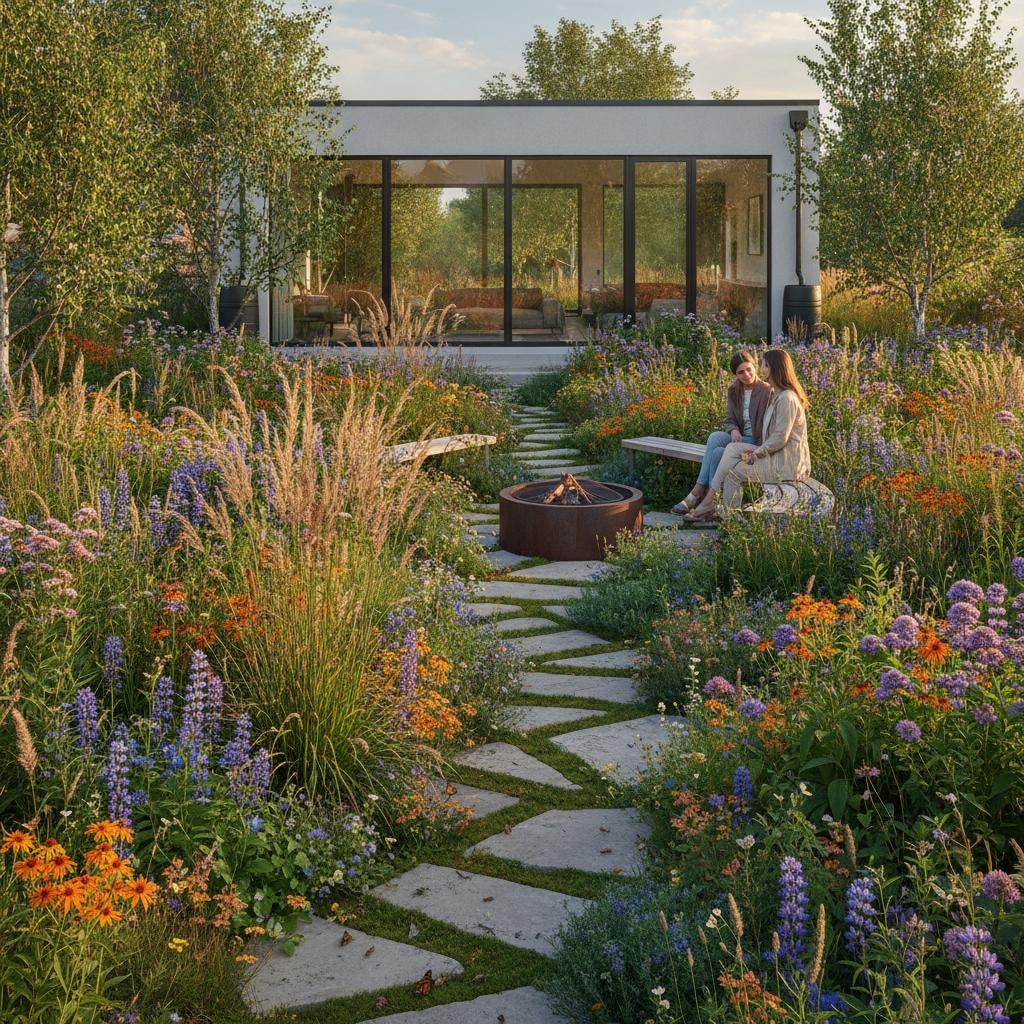
It also reconnects people with the landscapes that once thrived where their homes now stand. A yard filled with wildflowers and native grasses tells a story of place and memory. It invites birds butterflies and bees to return bringing movement and sound that make the outdoors feel vibrant again.
Comparing Traditional and Rewilded Landscapes
Traditional yards often rely on control symmetry and uniformity. Rewilded yards lean toward diversity texture and seasonal change. Here are a few key differences that help clarify the contrast.
- Plant Selection. Traditional landscapes often use imported ornamentals while rewilded gardens rely on native species suited to local soils and weather.
- Maintenance. Mowed lawns need weekly care and heavy watering. Rewilded yards thrive with minimal trimming and natural rainfall.
- Appearance. A conventional yard looks polished and predictable. A rewilded one evolves through the seasons with changing colors and forms that invite closer observation.
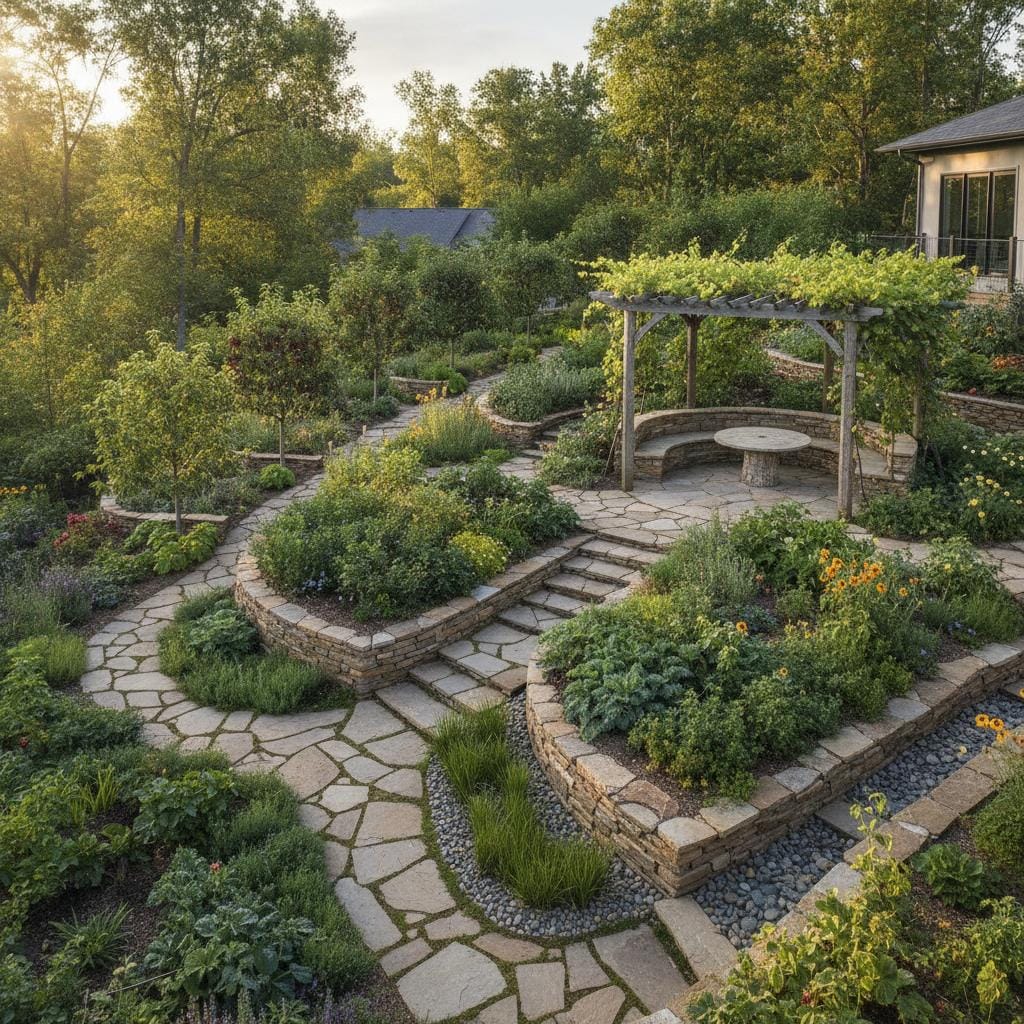
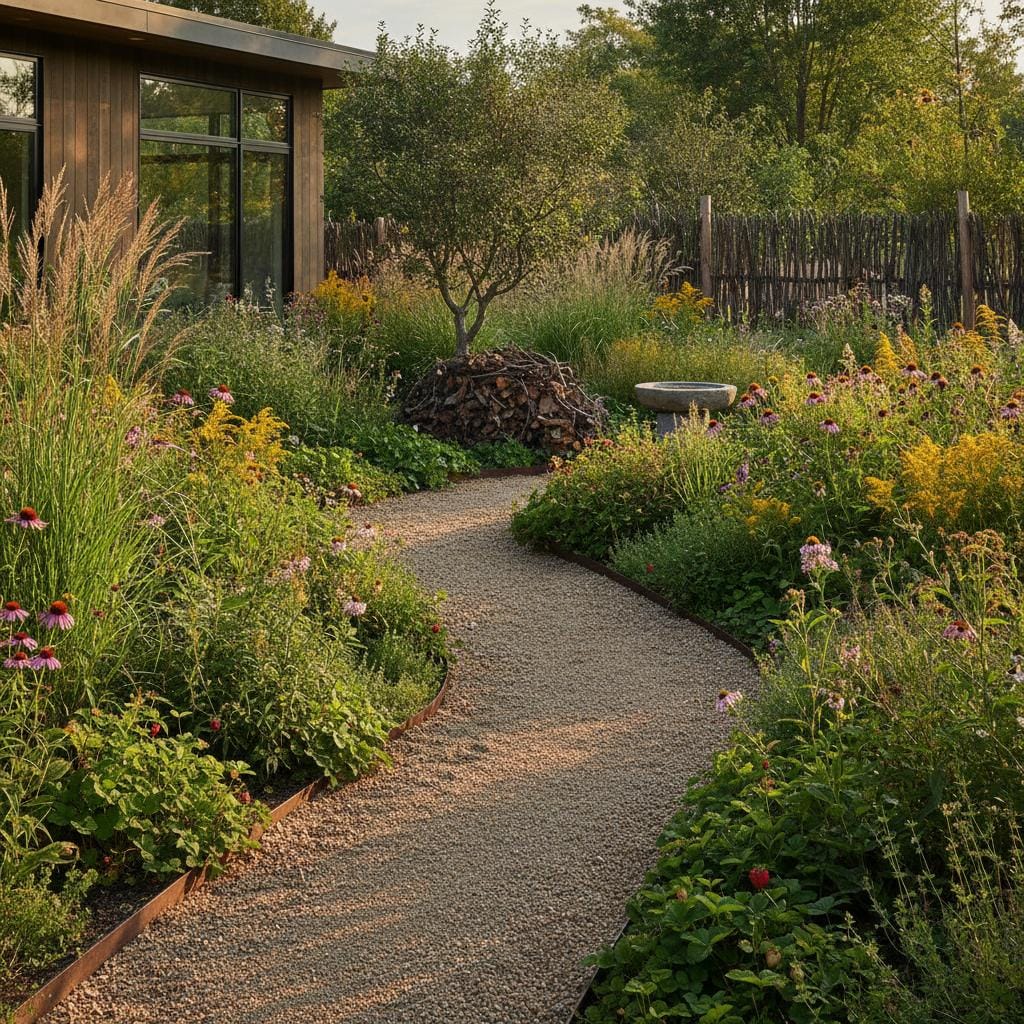
Neither approach is right or wrong. The choice depends on how much structure or spontaneity a homeowner prefers. Yet many find that a mixed approach where manicured paths meet wild plantings offers the best of both worlds.
Starting Small and Building Confidence
The most successful rewilding projects usually start modestly. A corner of the yard can be set aside for native plants or a patch of lawn can be converted into a small meadow. Over time as confidence grows these areas can expand.
A few guiding steps can help.
- Observe before planting. Notice where sunlight falls and where water tends to collect.
- Choose native species. Local garden centers often carry plants that thrive naturally without extra effort.
- Layer plants thoughtfully. Combine groundcovers grasses and flowering perennials to create structure and year-round interest.
- Allow for change. Rewilded gardens evolve and part of their charm lies in watching them adapt.
Observing Seasonal Shifts in Your Yard
Once a rewilded space takes hold it changes how you experience your yard. Instead of worrying about perfection you start noticing patterns of light and growth. You see how bees gather around early blooms and how rain collects in low spots that once ran dry.
The lawnmower comes out less often and the sound of birds fills the quiet. Rewilding encourages a slower more observant relationship with the land. It reminds us that beauty does not always come from control.