Why Your Lawn Should Embrace Wildness for Biodiversity in 2026
A perfect lawn once symbolized order and care, with every blade trimmed evenly and weeds removed promptly. This image conveyed pride in home maintenance. However, observations revealed a quieter landscape, with fewer bees visiting clover and soil appearing depleted. This insight shifted perspectives on lawns. What seemed like control revealed itself as depletion. Studies on soil health, pollinators, and native plants demonstrate that a wild lawn fosters restoration rather than neglect.
Rethinking the Standard Lawn
Traditional lawns, kept short and uniform, reflect discipline and aesthetic appeal. Such maintenance demands frequent mowing, chemical fertilizers, and herbicides, which diminish plant variety and vitality. Under the surface, soil compacts, roots shallow out, and water fails to penetrate effectively.
A wild lawn promotes diversity through native grasses, flowering species, and microhabitats for insects and birds. This approach appears less uniform, yet it pulses with activity. The transition involves balancing aesthetics with ecological function, partnering with nature instead of imposing strict control.
Defining a Thoughtful Wild Lawn
Many envision a wild lawn as an overgrown chaos, but it requires intentional design. This method grants nature space to flourish under guidance, avoiding complete abandonment.
Consider incorporating these elements:
- Native grasses that sway naturally, adapting to local conditions without rigid uniformity.
- Flowering groundcovers such as clover, yarrow, or self-heal, which provide nectar for bees and butterflies throughout the season.
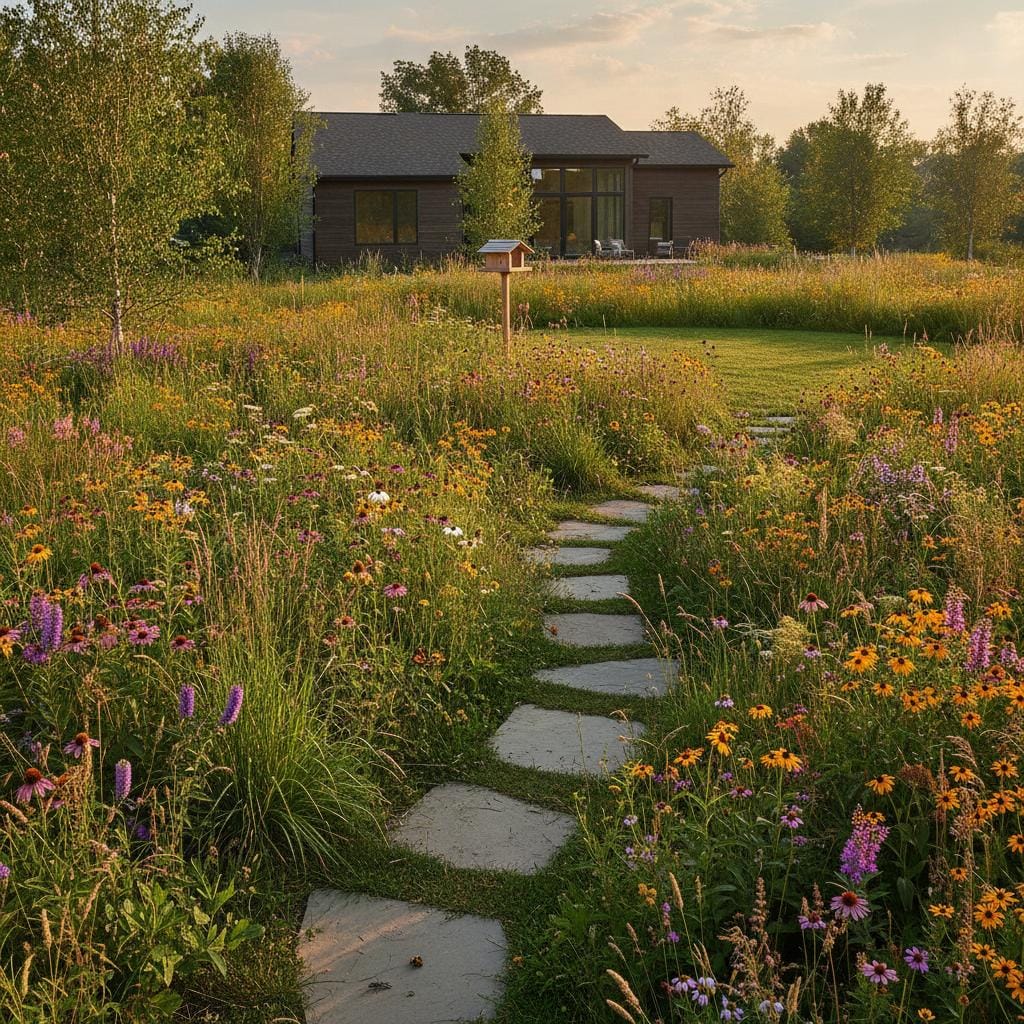
- Designated patches blending meadow-style plantings with open areas suitable for recreation.
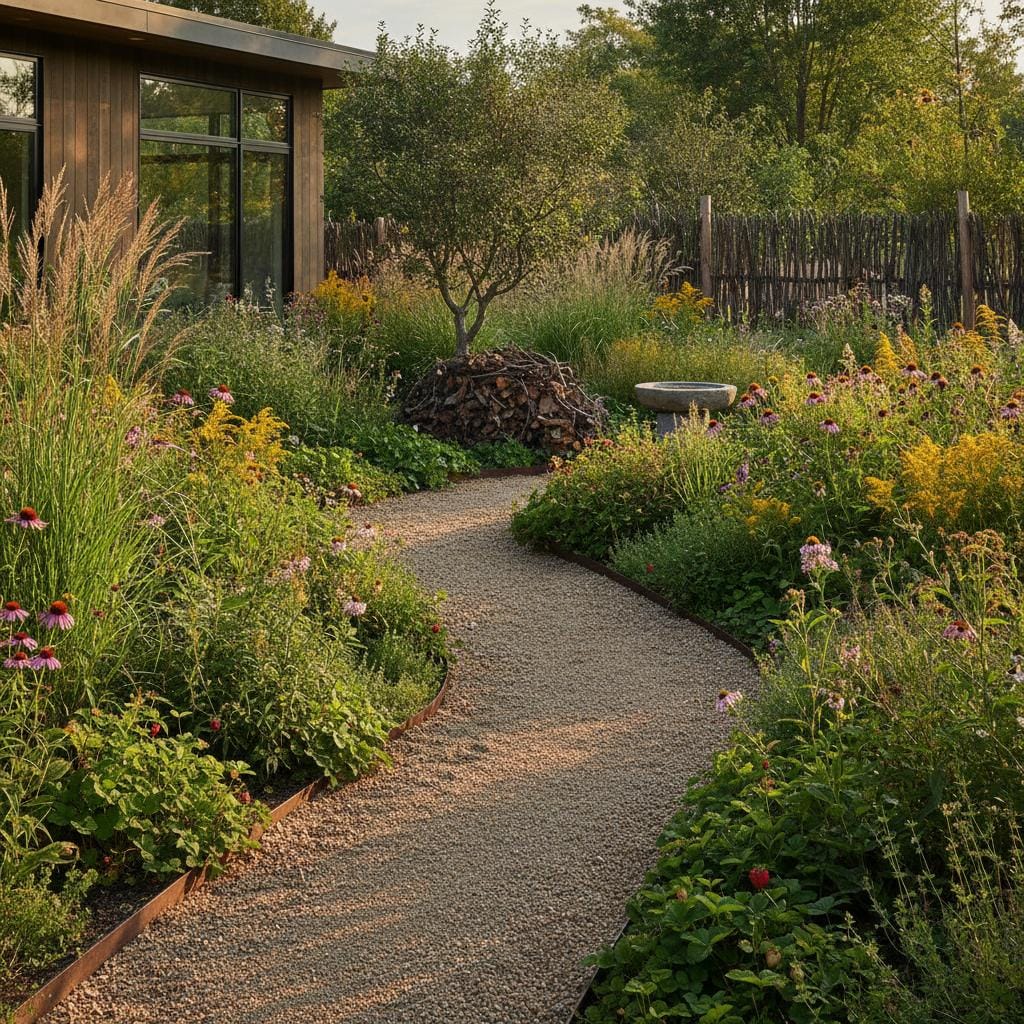
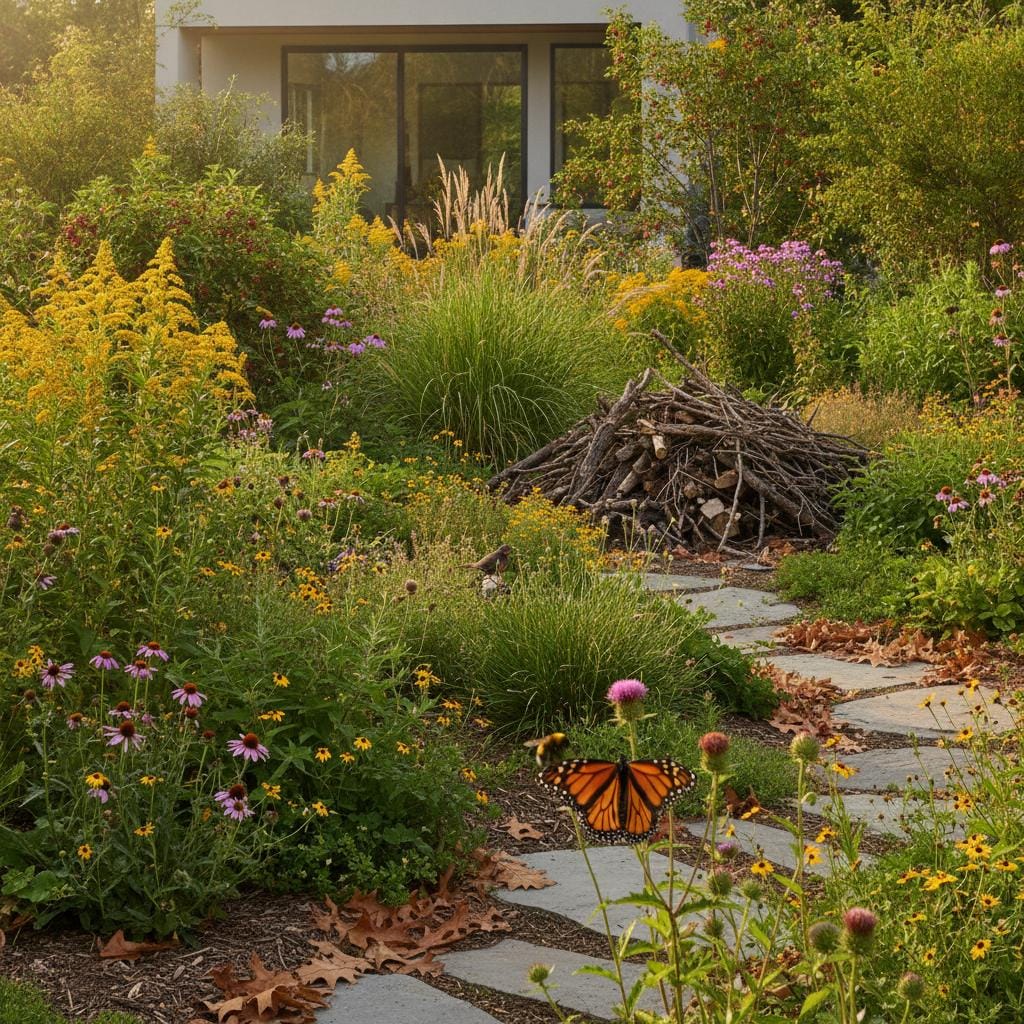
- Natural features like stone borders or log piles that enhance texture and offer insect shelters.
Each component contributes functionally. Plants nourish pollinators, deep roots anchor soil against erosion, and varied growth draws birds and small mammals. Even modest areas, such as a 10-foot-square plot, can sustain multiple native species facing habitat loss elsewhere.
Building Resilience Through Biodiversity
Biodiversity refers to the variety of life forms within an ecosystem. A lawn with diverse plants, insects, and microbes withstands stresses better than monocultures. Certain species fix atmospheric nitrogen to enrich soil, while others retain water or deter pests naturally.
Monocrop lawns falter easily; a single pest infestation ravages uniform grass, and drought exposes barren soil. Diverse systems offer redundancy, where one species compensates for another's decline. This interconnected web ensures long-term stability.
Beyond resilience, biodiversity enriches sensory experience. Visitors observe fluttering wings, hear insect hums, and feel wind through varied foliage. The space evolves from visual backdrop to interactive haven.
Revitalizing Soil and Water Dynamics
Underground processes drive a wild lawn's success. Living soil hosts bacteria, fungi, and invertebrates that decompose matter and cycle nutrients. Overzealous management disrupts this network through chemical applications and mower compaction.
Native plants and mixed grasses restore vitality with extensive root systems that aerate soil and facilitate water infiltration. These roots prevent erosion during heavy rains. Gradually, the ecosystem self-fertilizes, reducing reliance on synthetic inputs.
Water management improves markedly. Diverse vegetation intercepts rainfall, minimizing runoff and enhancing retention. Irrigation needs decrease by up to 50 percent in established wild lawns, proving especially valuable in arid regions.
Achieving Aesthetic Harmony in Wild Design
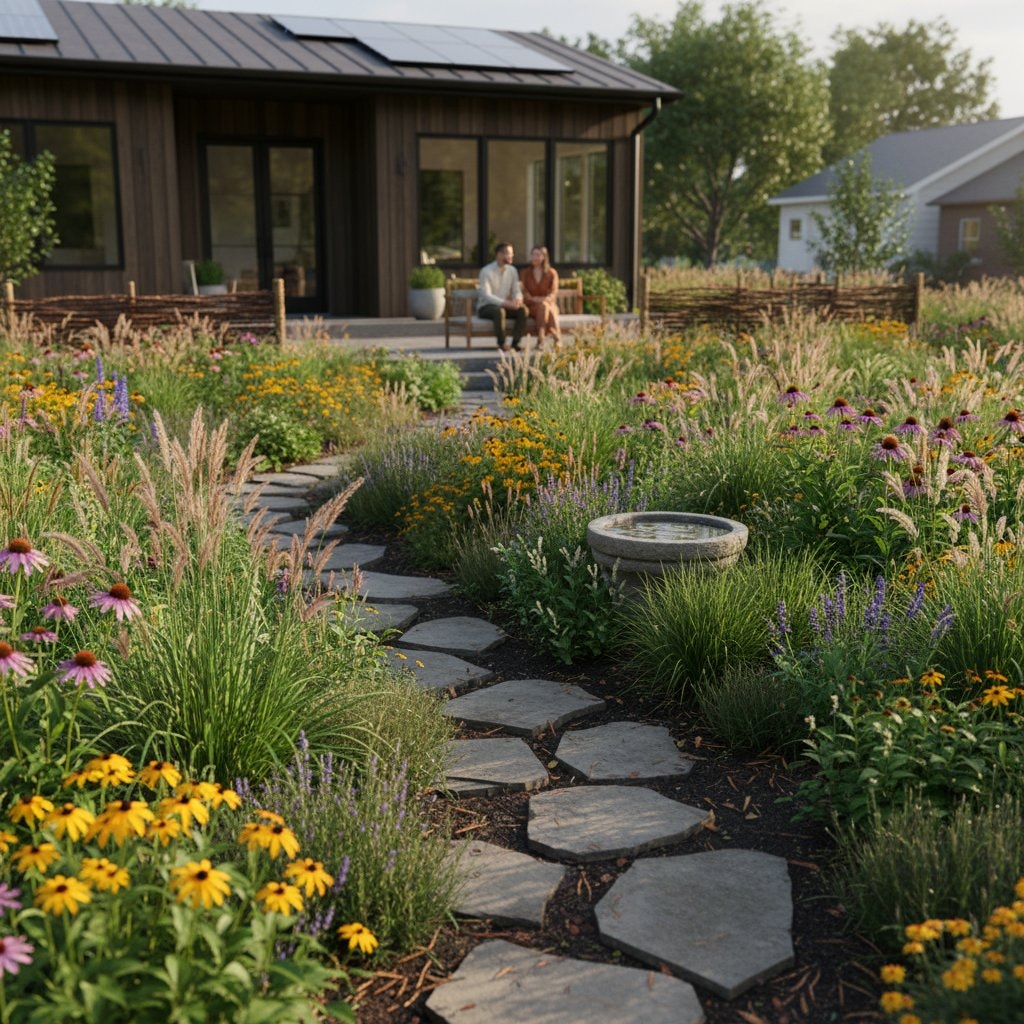
Controlled wildness offers subtle elegance, evoking nature's dynamic essence. Tailor the landscape to complement your home's style, from cottage charm to contemporary minimalism.
Opt for taller meadows with vibrant wildflowers for a romantic vibe, or low-growing bloomers for understated appeal. Maintain crisp edges around wild zones to highlight intentionality. This framing prevents perceptions of disarray.
Incorporate mulch beds or mowed pathways as transitions. Such elements guide the eye, blending untamed growth with structured accents for a polished overall effect.
Welcoming Returning Wildlife
As diversity increases, wildlife reestablishes presence. Pollinators like bumblebees and monarch butterflies seek out native blooms for sustenance. Seed-eating birds, such as sparrows, arrive next, followed by ground-dwellers like frogs and beetles.
Homeowners often find fulfillment in these interactions. Spotting a hummingbird at a salvia bloom or listening to evening frog calls fosters a sense of stewardship. The yard integrates into broader ecological networks, extending benefits beyond property boundaries.
Implementing Wild Lawn Changes
Transitioning requires gradual, informed actions rather than abrupt overhaul.
- Adjust mowing height to 3-4 inches, promoting shade for soil microbes and encouraging root depth.
- Eliminate synthetic chemicals; apply compost annually to boost organic content without harming beneficial organisms.
- Select and plant natives suited to your USDA zone, such as little bluestem grass or black-eyed Susan, which demand minimal intervention.
- Designate no-mow zones in low-traffic areas to monitor natural succession.
- Layer organic mulch around new plantings to suppress weeds and conserve moisture.
- Irrigate deeply once weekly during establishment, then rely on rainfall.
- Monitor progress seasonally, intervening only to remove invasives.
These steps build cumulatively, yielding a self-sustaining landscape over 2-3 years.
Addressing Practical Objections
Concerns about visuals, insects, or resale appeal deter some from wild lawns. Thoughtful strategies mitigate these issues effectively.
For aesthetics, establish clear boundaries with edged borders or integrated hardscapes to convey purpose. Pests decline in balanced ecosystems, as natural predators like lacewings control aphids. Eco-conscious designs enhance property appeal in progressive neighborhoods, aligning with sustainability trends.
Visible intent transforms skepticism into admiration, positioning the wild lawn as a modern, responsible choice.
Shifting Mindsets for Lasting Engagement
Adopting wildness involves perceptual adjustment alongside physical changes. Initial unfamiliarity with mixed flora gives way to recognition of emerging patterns and species.
A vibrant bee cluster on dandelions outshines monotonous turf in vitality. Releasing rigid standards frees time for mindful observation, turning maintenance into collaborative stewardship.
Sustaining Your Evolving Landscape
Established wild lawns demand light guidance. Prune selectively, introduce compatible natives based on site observations, and adapt to seasonal shifts.
Natural selection refines the composition; thriving species dominate while others recede. Maintain focal points like patios amid wilder expanses for human enjoyment. This duality amplifies the landscape's layered appeal.
Starting Your Wild Lawn Journey
Embracing wildness combines practical planning with openness to nature's cues. Begin modestly with a test plot to assess soil and sunlight influences. Scale up as results affirm the approach.
This choice extends beyond ecology to personal enrichment. Wild lawns infuse yards with motion, fragrance, and interdependence, countering isolation with communal life. The outcome fortifies environmental health while nurturing individual well-being.