Why Rewilding Yards Tops Garden Trends
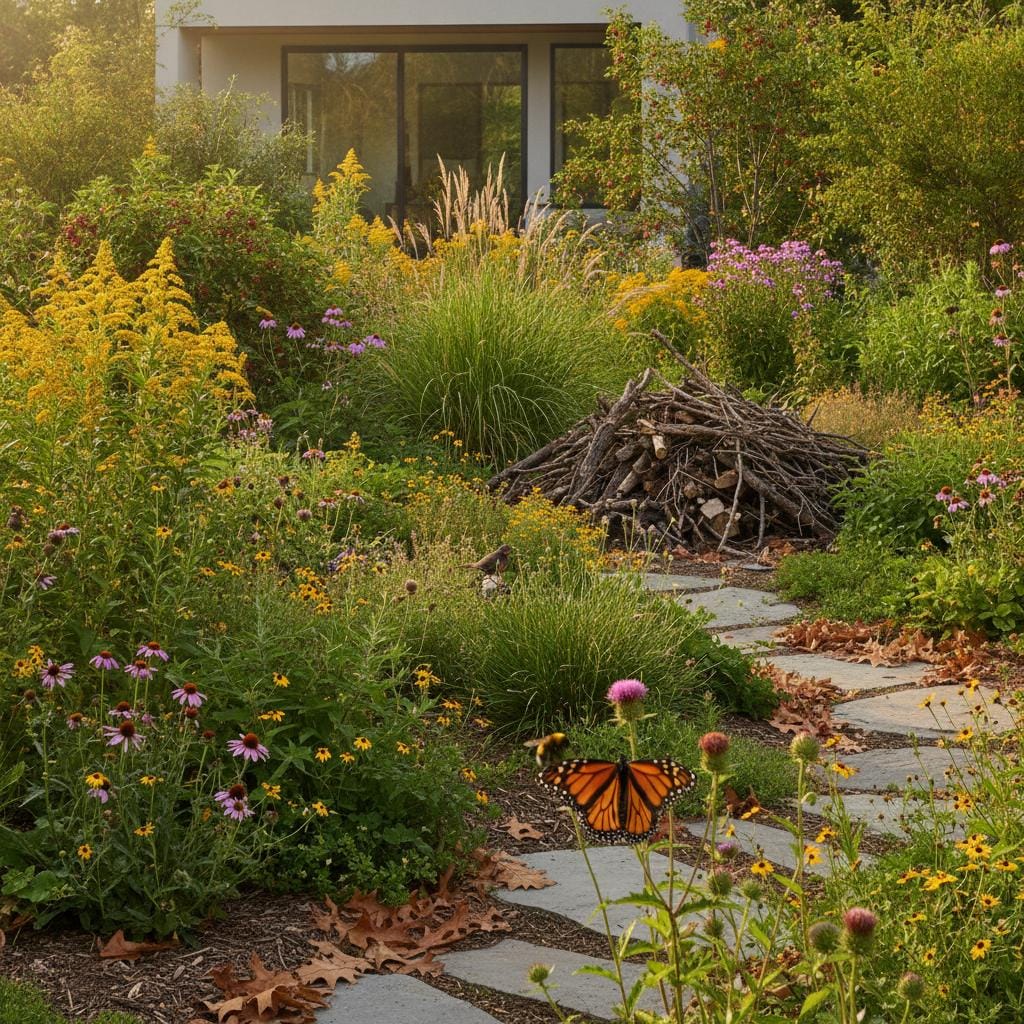
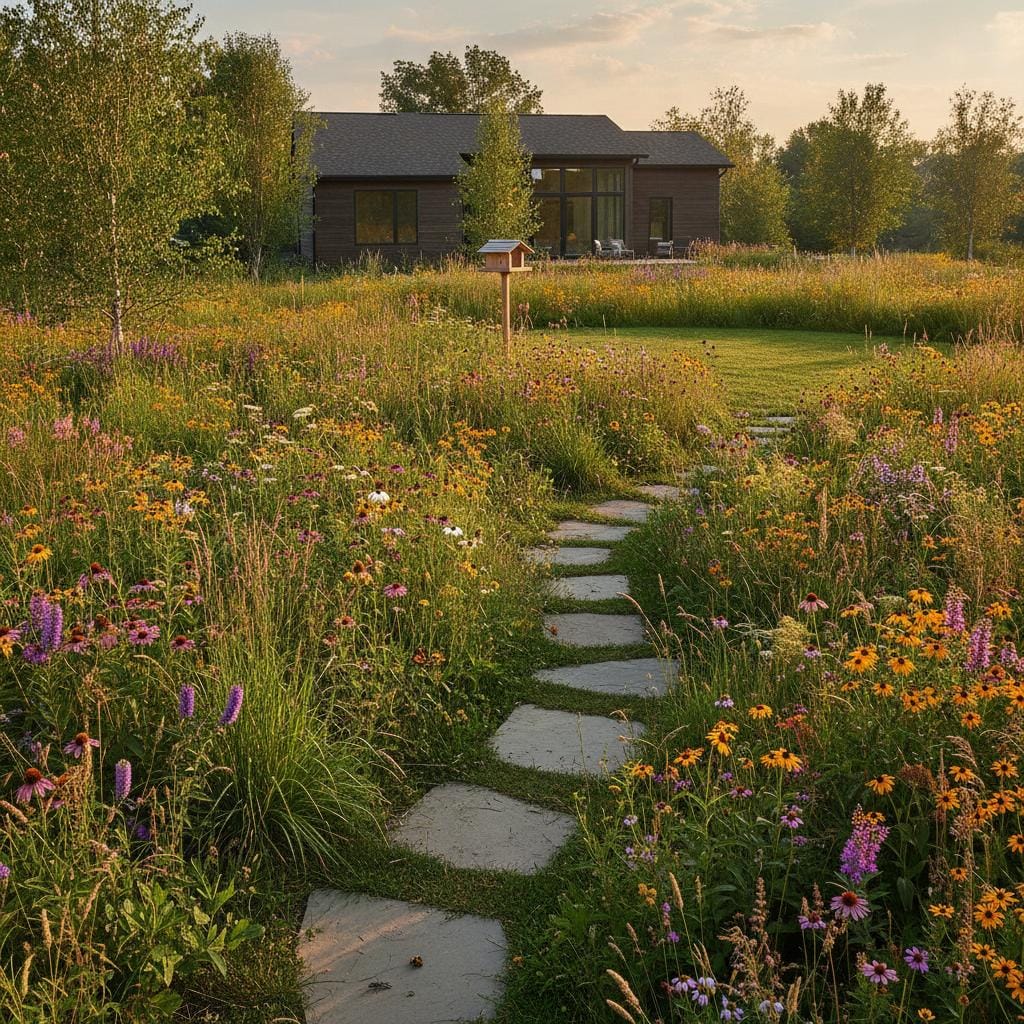
A rewilded yard captures a subtle beauty through untamed growth. Grasses sway gently, and native flowers reemerge, evoking the land's natural memory. Homeowners increasingly recognize that vibrant gardens thrive without rigid control. This perspective positions rewilding as a prominent garden movement.
Rewilding involves partnering with nature rather than imposing strict order. It blends intentional design with natural processes to create colorful, personal spaces. These landscapes prove practical for those seeking low-maintenance options rich in character.
Why Rewilding Appeals to Homeowners
Homeowners embrace rewilding for its authentic connection to the environment. After decades of manicured lawns demanding constant attention, this approach offers relief by allowing nature to guide growth. It aligns with rising interest in sustainable practices that demand minimal ongoing effort.
Rewilded yards conserve resources effectively. Native plants require less water and fertilizer after establishment. They withstand local pests, minimizing chemical use. Soil health improves as organic layers accumulate, leading to reduced maintenance and a resilient ecosystem.
Beyond practicality, rewilding fosters emotional depth. It promotes mindful observation and patience. Notice a butterfly on milkweed or a bird in a self-seeded shrub; these interactions transform the yard into a dynamic habitat. Such experiences link daily life to broader natural cycles.
Steps to Design a Rewilded Yard
Rewilding begins modestly, without overhauling the entire property. Transform one garden bed or an overlooked area to initiate the process.
Follow these structured steps:
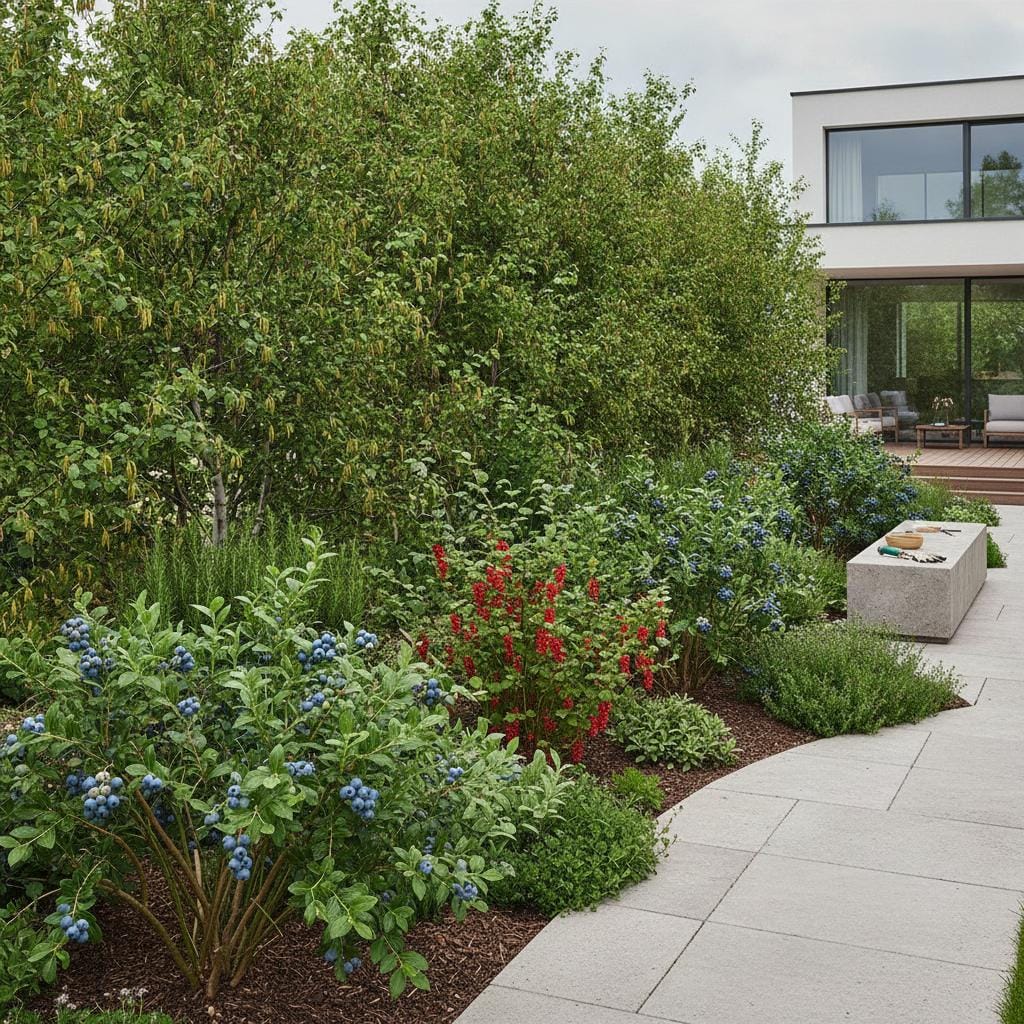
- Select native plants. Identify species suited to your local ecosystem, such as black-eyed Susans or little bluestem grasses in temperate regions. These adapt to native soils and weather, demanding little intervention. Combine perennials, annuals, and shrubs for year-round interest.
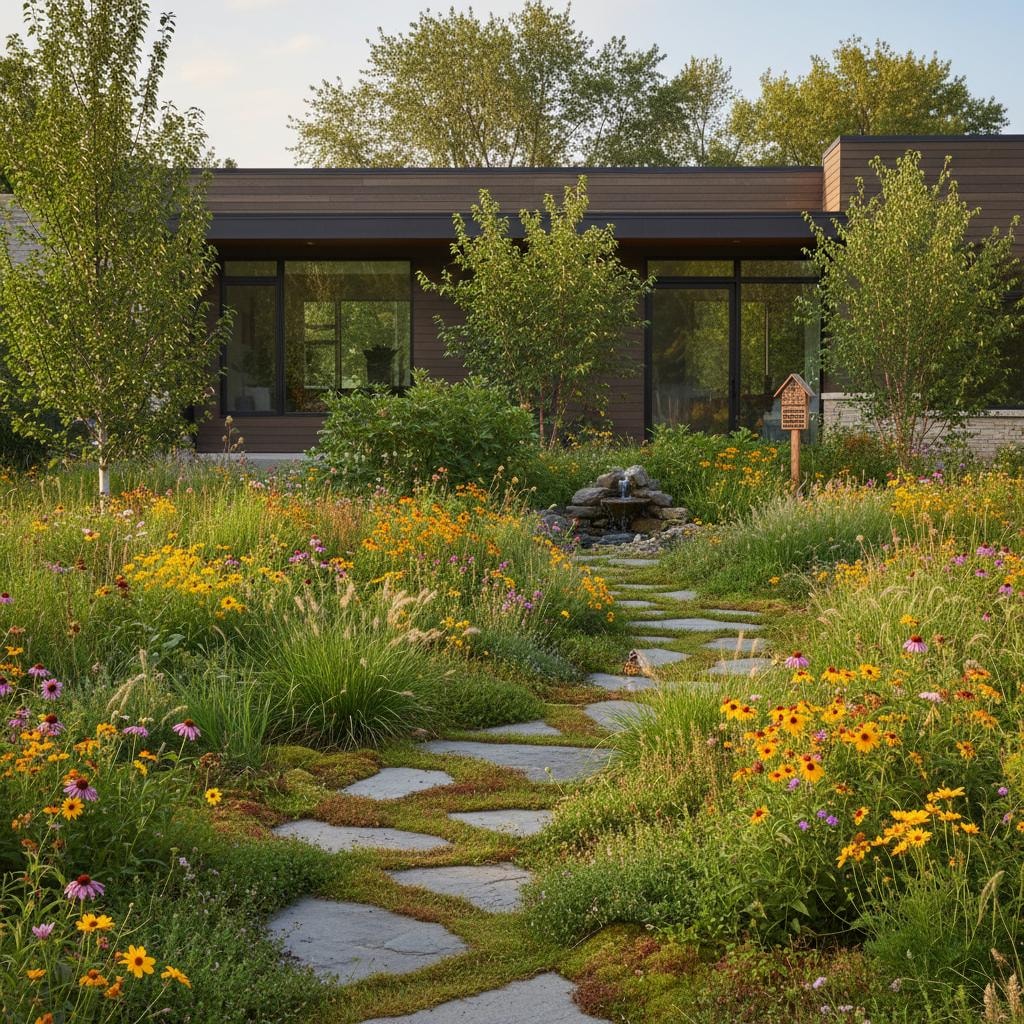
- Phase out turf areas. Convert lawn patches to wildflower meadows or groundcovers like creeping phlox. Gradually expand these zones to foster seamless transitions.
- Incorporate defining elements. Position rocks, wooden edging, or mulched paths to guide the layout. This maintains visual coherence amid natural abundance.
- Support soil vitality. Skip aggressive tilling and synthetic inputs. Apply compost or fallen leaves to nourish microbes and retain moisture.
- Monitor and refine. Track successful growth and wildlife activity. Adjust based on observations, such as relocating thriving plants or removing competitors.
These actions restore ecological balance while engaging you in the yard's evolution.
Benefits of Low-Maintenance Rewilding
Rewilding attracts busy homeowners tired of intensive care. Established native gardens eliminate routine mowing and irrigation, operating largely on their own.
Key advantages include:
- Water efficiency. Deep-rooted natives endure droughts far better than shallow grass roots.
- Minimal fertilization. Local soils, enhanced by mulch, supply essential nutrients.
- Integrated pest management. Beneficial insects, birds, and amphibians regulate populations naturally.
- Annual renewal. Self-sowing species like coneflowers ensure persistent coverage without replanting.
Initial setup requires effort, such as weeding or seasonal pruning. However, routine tasks integrate harmoniously with nature's pace, reducing overall labor.
Emotional and Ecological Impacts
Rewilding delivers profound emotional returns. As the yard awakens, it shifts from obligation to sanctuary, sparking wonder and tranquility.
On an ecological level, modest rewilded areas serve vital roles. They provide corridors for pollinators like bees and habitats for songbirds, bridging isolated green spaces. Collective neighborhood efforts amplify these contributions, bolstering biodiversity.
This stewardship instills a sense of purpose. Your yard aids in reviving native flora and fauna, fostering a grounded connection to environmental health.
Adapting to Seasonal Changes
A rewilded yard reveals its personality across seasons. Spring bursts with new growth, summer hums with pollinators, and fall offers seed heads for winter interest. Variability teaches adaptation; dominant plants may shift yearly.
Maintain engagement by assessing balance regularly. Thin overcrowded sections, eliminate non-natives, and welcome unexpected arrivals like volunteer goldenrod. Gentle interventions preserve the yard's organic development.
Over years, it mirrors your vision intertwined with nature's whims, exemplifying collaborative beauty.
Implementing Rewilding Today
Start rewilding by assessing your yard's conditions: soil type, sunlight, and existing vegetation. Consult local extension services for region-specific native plant lists to ensure compatibility.
Budget for initial purchases, such as seed mixes or starter plugs, which cost less than traditional landscaping. Plan for a first-year investment in mulch and tools, then enjoy decreasing expenses.
Track progress with a simple journal noting plant performance and wildlife sightings. Share experiences in community forums to gain insights and inspiration. With consistent small actions, your yard evolves into a sustainable, rewarding haven.