Embrace Wild Gardens for Sustainable Beauty in 2026
Homeowners often gaze at their yards with a mix of affection and exhaustion. The initial vibrancy of a new garden fades into routine tasks, such as pulling weeds or mowing lawns. Many discover that serene outdoor areas emerge not from rigid perfection, but from allowing nature to guide the process. A wild garden restores aesthetic appeal, liberty, and equilibrium to the landscape while demanding far less effort.
Rethinking the Essence of Wild Gardening
The term wild often evokes images of disorder or neglect. In truth, a wild garden represents deliberate design that honors natural growth and native flora. This practice fosters a dynamic ecosystem with limited human intervention, benefiting pollinators, avian species, and soil vitality.
Wild gardening harmonizes with regional ecosystems. Rather than imposing an artificial aesthetic, this method permits the land to reveal its inherent potential. Native plants, suited to local climates, exhibit resilience; they require minimal irrigation, reduced chemical inputs, and infrequent trimming, yet provide vivid colors, varied textures, and gentle motion throughout the seasons.
Step One: Observe the Space Thoughtfully
Prior to introducing new elements, dedicate time to observing the garden. Identify zones of vitality versus stagnation, noting patterns of sunlight, shadow, and hydration. These observations reveal suitable plant selections that align with existing conditions.
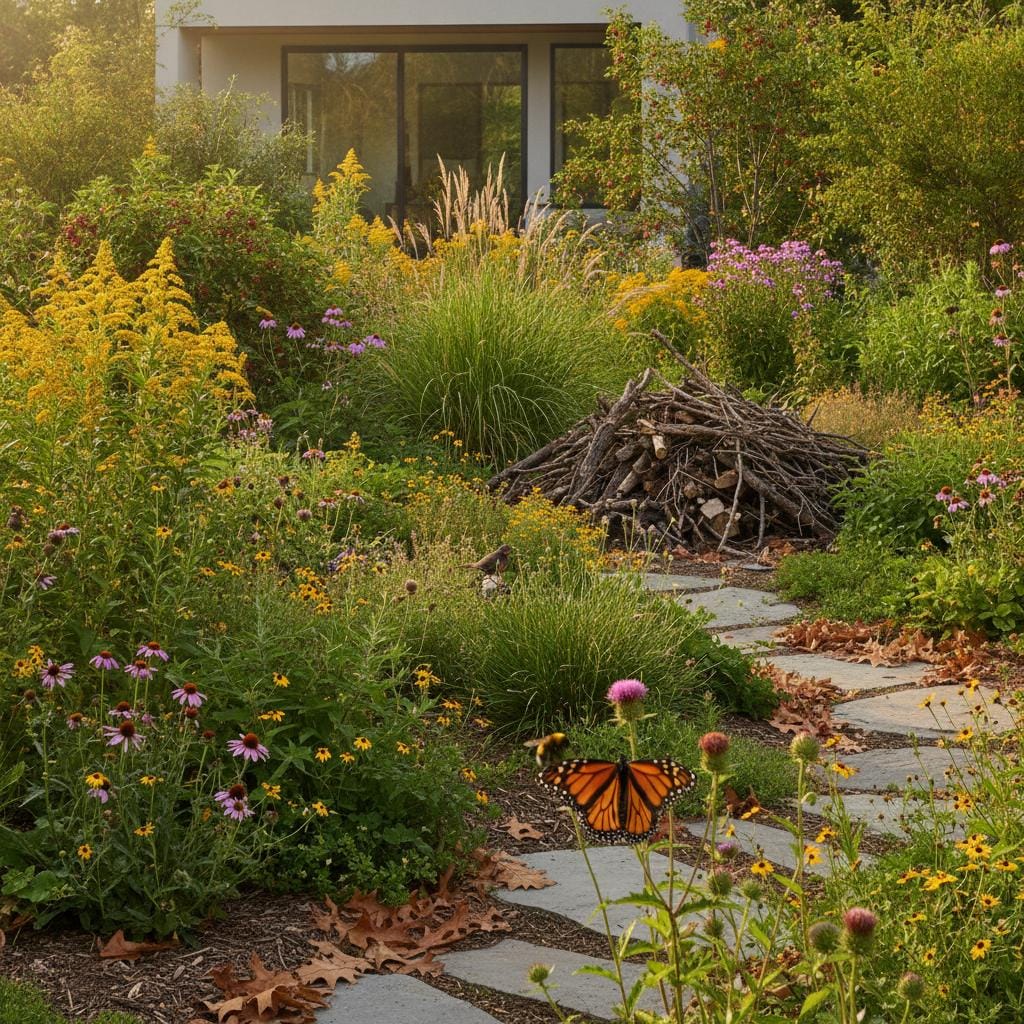
Consider a persistently moist corner, ideal for native ferns such as ostrich fern or cinnamon fern, which tolerate dampness. A sun-drenched incline suits drought-resistant wildflowers, including black-eyed Susan or purple coneflower. Document findings through photographs or a simple diagram to inform planning without haste. Patience and inquiry form the foundation of successful wild gardens.
Step Two: Align Planning with Natural Cycles
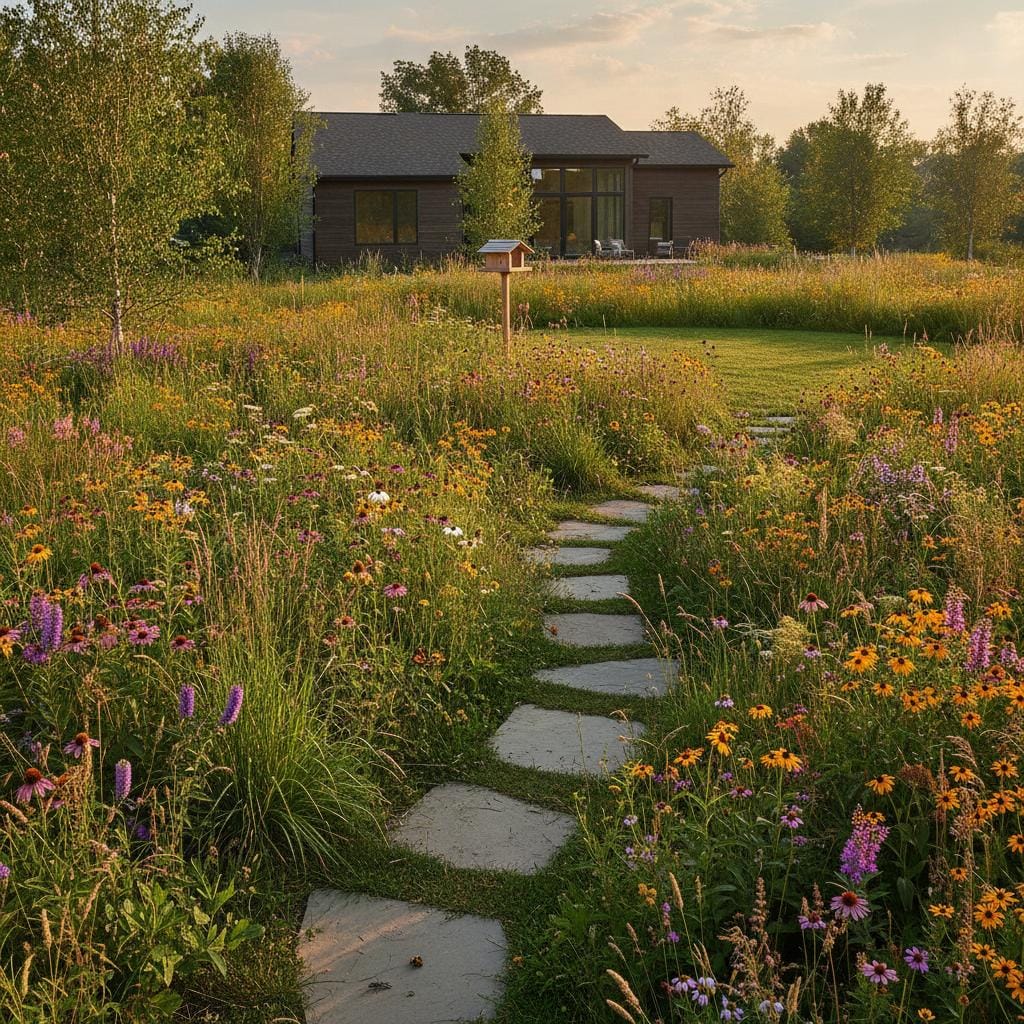
With insights from observation, envision the desired atmosphere. Envision a flowing meadow brimming with color and sway, or a tranquil woodland border featuring lush greens and shade-tolerant species. Clear intentions direct plant choices while preserving an organic layout.
Prioritize native perennials, which adapt seamlessly to local soils and weather, requiring scant upkeep and attracting indigenous wildlife. Incorporate self-seeding varieties like bee balm or goldenrod for gradual evolution. Add upright grasses, such as little bluestem or switchgrass, to introduce vertical interest and structural depth.
Minimize exposed soil to prevent erosion and suppress unwanted growth. Apply organic mulch or install groundcovers like wild strawberry to maintain unity and nurture microbial activity in the earth.
Step Three: Implement Changes Gradually
Converting an established yard to a wild garden requires no overnight overhaul. Select a modest area, such as an edging or underutilized nook, to initiate the transformation. Eliminate sod in that zone and introduce clusters of native plants, expanding as results inspire further efforts.
Incorporate subtle boundaries, like a clipped walkway or gravel outline, to impart purpose without stifling informality. Such features temper the exuberance, rendering the garden approachable rather than overwhelming.
Permit select patches to develop unchecked for one season to uncover emergent species. Often, perceived invasives prove valuable natives that sustain bees, butterflies, and other pollinators.
Step Four: Invite Ecological Revival
As the garden matures with reduced oversight, observe the resurgence of wildlife. Pollinators gather at blooms, birds seek seeds, and butterflies navigate the foliage. This interconnected web defines the wild garden's core, extending beyond vegetation to symbiotic interactions.
Maintenance evolves accordingly. Annual trimming replaces frequent mowing, and robust native roots manage arid periods without supplemental water. Efforts shift from domination to stewardship, yielding deeper satisfaction.
Address overzealous spreaders by selective thinning. Substitute underperformers with more compatible alternatives. Flexibility characterizes this ecosystem, accommodating adjustments without perfection from the outset.
Step Five: Sustain Vitality Through Minimal Interventions
Low-maintenance does not equate to abandonment; targeted care enhances longevity. In spring, prune withered stalks to encourage renewal. Retain seed heads and stems over winter to shelter beneficial insects and foraging birds.
Remove aggressive competitors that overshadow companions, intervening judiciously. Provide thorough irrigation solely during extended droughts, fostering drought tolerance through moderated challenges. Integrate leaf litter as natural compost to enrich the substrate progressively.
The garden establishes its cadence, diminishing reliance on human input season by season.
Step Six: Foster Personal Engagement
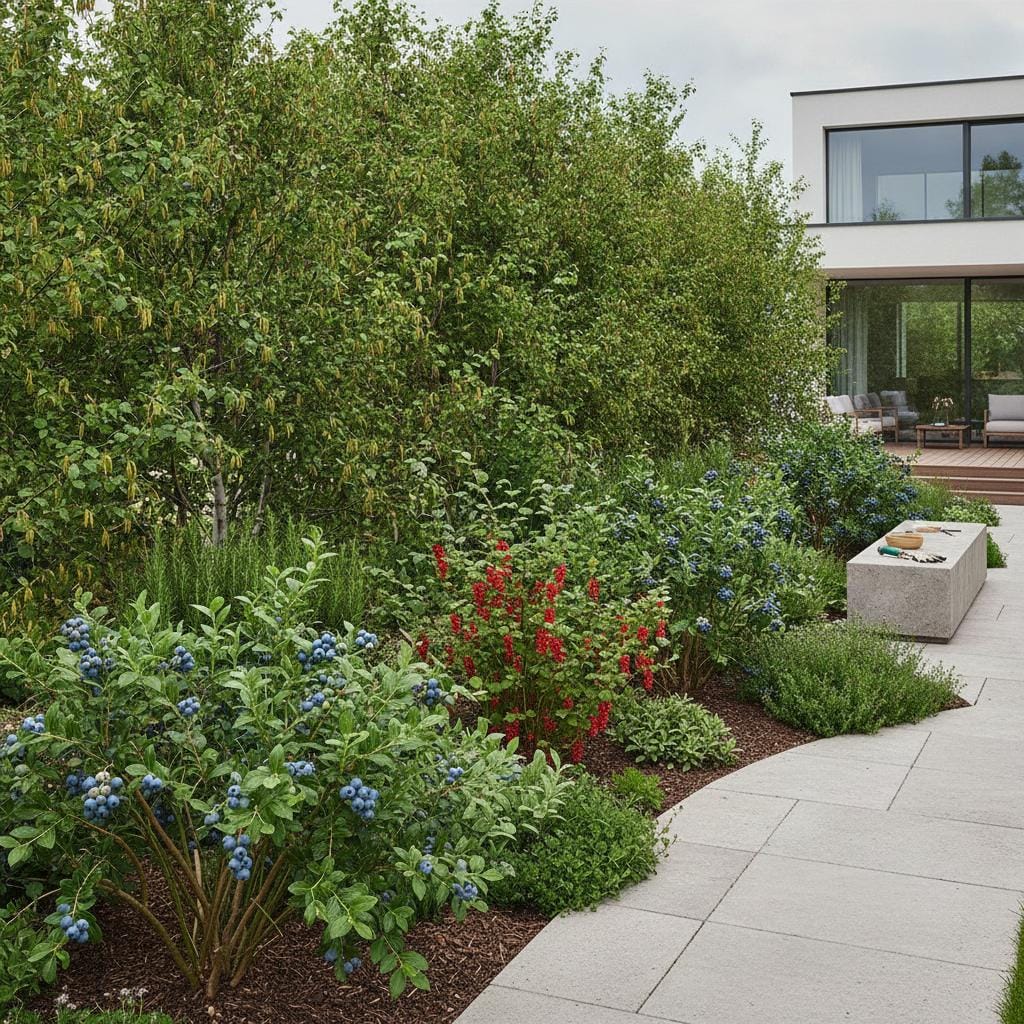
Wild gardens encourage mindful presence. Integrate a seating nook, meandering paths, or contemplative zone to deepen interaction. These elements personalize the haven, transforming it from a spectacle to an inhabited retreat.
When sharing with community members, articulate the vision. Divergent from conventional turf designs, wild gardens benefit from context to garner support. Such exchanges may spark collective rewilding, weaving a tapestry of habitats within the neighborhood.
Cultivate Lasting Harmony with Nature
As seasons unfold, the wild garden reshapes perceptions of allure. Sunlight filters through swaying grasses, dew clings to seed pods, and quietude pulses with hidden activity. Imperfections enhance its authenticity, mirroring nature's fluid progression.
This approach redefines the home landscape as a collaborative entity. Former nuisances, like opportunistic plants, signal soil dynamics. Pollinator hums affirm purposeful decisions.
Maintain involvement with subtlety, welcoming nature's unpredictability. Deeper anchorage develops annually, strengthening bonds to the environment. True elegance arises from restrained guidance, amplifying vitality in subtle measures.