The Rise of Rewilding Zones in Home Gardens
Many gardens demand excessive effort to maintain their polished appearance. Homeowners increasingly turn to rewilding zones as an alternative to conventional landscaping. These designated areas allow natural processes to dominate, resulting in vibrant, self-regulating environments rich in texture and life.
The concept involves relinquishing control over select portions of the yard. Plants and wildlife reclaim the space according to their inherent rhythms. This approach gains popularity because rewilding zones minimize labor, decrease expenses, and align with the broader movement toward sustainable, nature-integrated living. They also aid in rehabilitating local ecosystems disrupted by intensive lawn care and chemical applications.
Defining a Rewilding Zone
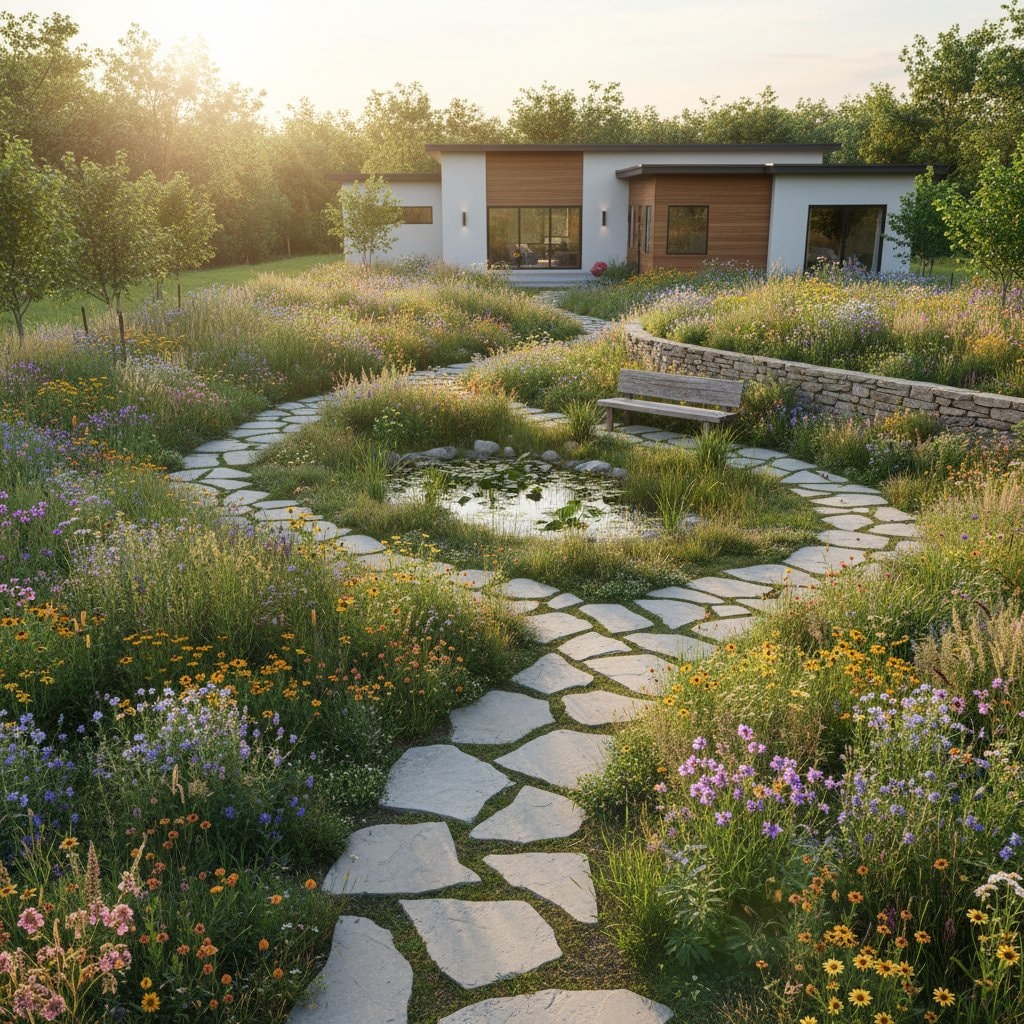
A rewilding zone represents a deliberate portion of the landscape dedicated to ecological restoration over rigid aesthetics. This may involve permitting native grasses to reach full height, encouraging wildflowers to proliferate, or incorporating modest water elements to draw amphibians, pollinators, and avian species.
Consider it purposeful, low-effort landscaping. Routine tasks such as frequent mowing or pruning become unnecessary, as natural succession manages the growth. Gradually, the zone develops into a resilient habitat: soil fertility enhances, pollinators flourish, and the landscape exhibits dynamic seasonal transformations in hue and form.
Reasons Homeowners Embrace Rewilding
Conventional turf grasses require substantial investment in time and money. Activities like mowing, trimming edges, irrigating, and applying fertilizers necessitate ongoing commitment. Numerous individuals conclude that such demands outweigh the benefits, prompting a pivot to rewilding.
This transition proves simpler and more gratifying in practice. The primary motivations encompass:
- Reduced upkeep: Established native vegetation requires infrequent irrigation and eliminates the need for synthetic fertilizers.
- Decreased expenses: Savings accrue from reduced consumption of fuel, water systems, and maintenance supplies.
- Support for wildlife: Avian, insect, and mammalian species return to forage and breed.
- Seasonal aesthetics: Varied foliage and blooms evolve throughout the year, introducing fluidity and diversity to the garden.
- Ecological advantages: Enhanced soil composition mitigates erosion and bolsters resilience against extreme weather, from deluges to arid conditions.
Establishing a Rewilding Zone
Transformation need not encompass the entire property. Select a modest area, such as a secluded corner, an adjacent strip, or a border adjacent to a boundary feature, to initiate the process.
Follow these structured steps to begin:
- Select the site: Identify a low-priority location. Opt for sun-exposed areas ideal for wildflowers or shaded spots suited to ferns and indigenous ground covers.
- Cease routine interventions: Permit existing vegetation to expand and observe emergent native flora. Seeds dormant in the soil often yield unexpected varieties.
- Eliminate non-natives: Monitor for invasive plants that dominate local species. Remove them promptly to favor indigenous growth.
- Introduce regional plants: Source seeds or starter plants adapted to your locale's conditions. Regional nurseries typically offer curated native assortments.
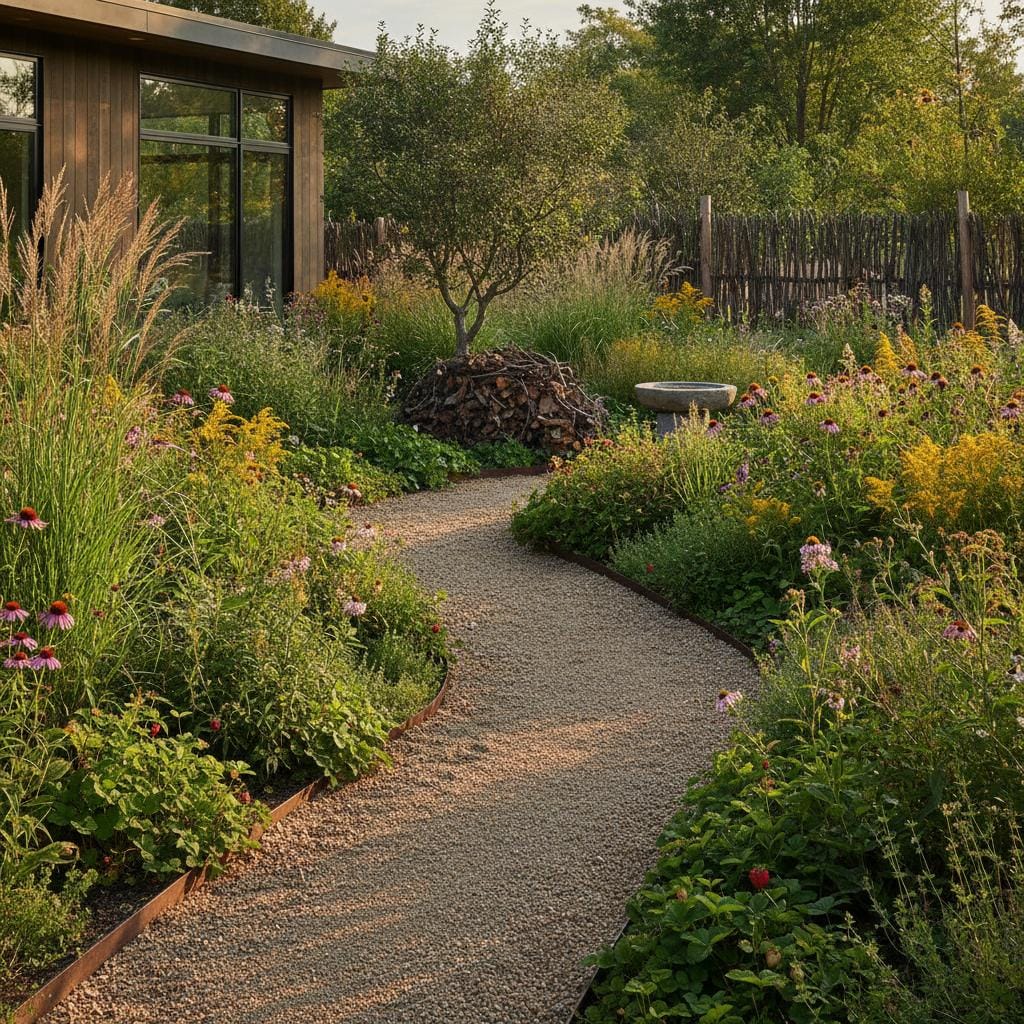
- Incorporate habitat elements: Position stones, fallen branches, or a shallow basin for moisture to provide refuge and hydration for fauna.
- Allow natural progression: Patience proves essential. Initial appearances may seem disordered, yet subsequent seasons reveal burgeoning vitality and vibrancy.
Investment Considerations
Initial outlays for a rewilding zone vary based on scale, self-involvement, and material choices. Compact initiatives, relying on seed packets and on-site resources, often total under several hundred dollars.
Professional services for expansive designs and installations may range into thousands. Nevertheless, ongoing expenditures plummet relative to traditional lawns. Mature zones demand only occasional oversight, such as targeted pruning or debris clearance.
Aesthetic Qualities of Rewilded Spaces
Rewilding zones evoke a sense of effortless vitality. Curved contours and organic forms replace geometric precision and uniform clippings. Swaying stems, foraging birds, and fluttering insects animate the scene.
Blend wild elements with cultivated features for cohesion. A mown walkway meandering through denser plantings conveys deliberate design. Gravel edging or mulched trails delineate boundaries, ensuring accessibility without imposing structure.
Practical Maintenance Strategies
Sustained guidance ensures harmony without domination. Focus on supportive interventions rather than exhaustive control.
Essential activities include:
- Annual or biannual shaping: Contain encroaching shrubs to preserve balance.
- Targeted weed removal: Extract threats to native diversity.
- Soil assessment: Amend with organic matter if compaction occurs.
- Periodic rejuvenation: Resow seeds biennially to sustain species variety.
These efforts typically span mere hours per season, accommodating schedules of active professionals or those seeking autonomous landscapes.
Observable Ecological Impacts
Rewilding fosters biodiversity and mends micro-ecosystems eroded by suburban development. A compact zone serves as a vital corridor for pollinators or a secure haven for nesting birds.
Deepening roots and accumulating organics elevate soil retention. This capability sustains hydration amid scarcity and facilitates drainage post-storms. Vegetative cover further purifies surface flow, limiting pollutants from entering waterways.
In warmer climates, emergent canopies and retained moisture temper ambient heat. Gardens often register cooler microclimates, enhancing outdoor usability during peak temperatures.
Addressing Misconceptions
Concerns arise that rewilding invites disorder or unkemptness. In practice, defined perimeters and subtle management yield neat, naturalistic results.
Another apprehension involves pest proliferation. Increased insect presence primarily benefits the ecosystem, with natural predators maintaining equilibrium sans pesticides.
Small-scale applications prove equally viable on constrained lots. A modest bloom cluster beside seating or a grassy edging along barriers delivers meaningful wildlife aid comparable to larger installations.
Integrating Rewilding into Contemporary Design
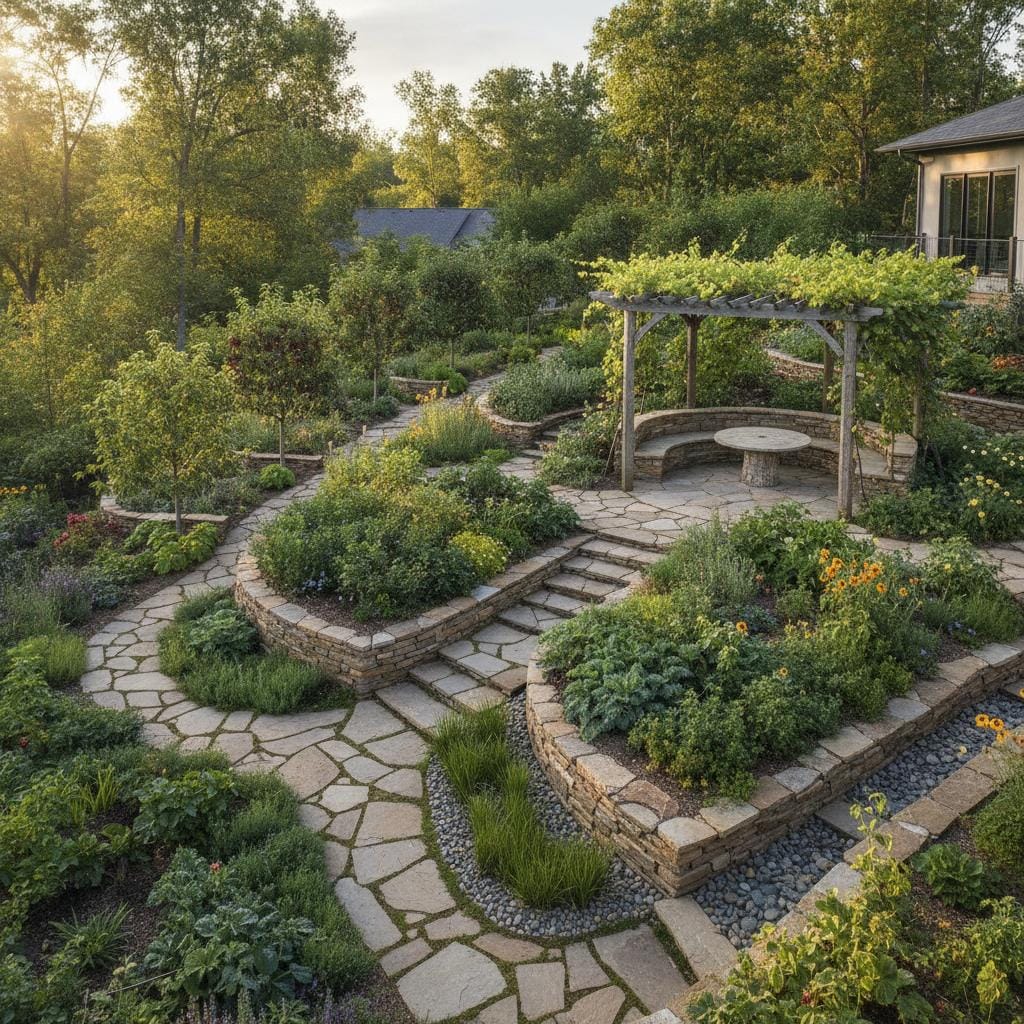
Rewilding complements rather than supplants intentional landscaping. Designers increasingly fuse untamed pockets with formal beds, paved surfaces, and recreational zones. The outcome balances restraint with dynamism.
Retain favored amenities like seating areas or focal plantings. The distinction lies in the evolving backdrop: transient displays respond to climatic cycles, infusing the space with perpetual renewal.
Advancing Your Garden's Natural Harmony
Commence modestly and monitor responses to guide expansion. Native flora frequently self-propagate, populating voids with minimal input.
Consult regional experts or collectives for suited species recommendations. Seek pollinator-friendly or effortless native blends to accelerate success.
Rewilding transcends fleeting styles; it reestablishes equilibrium between domicile and environment. Dedicating yard segments to natural rhythms yields landscapes that brim with energy, demand scant attention, and resonate with surrounding ecologies.