Front Yards Go Edible: Transforming Lawns into Productive Farms by 2026
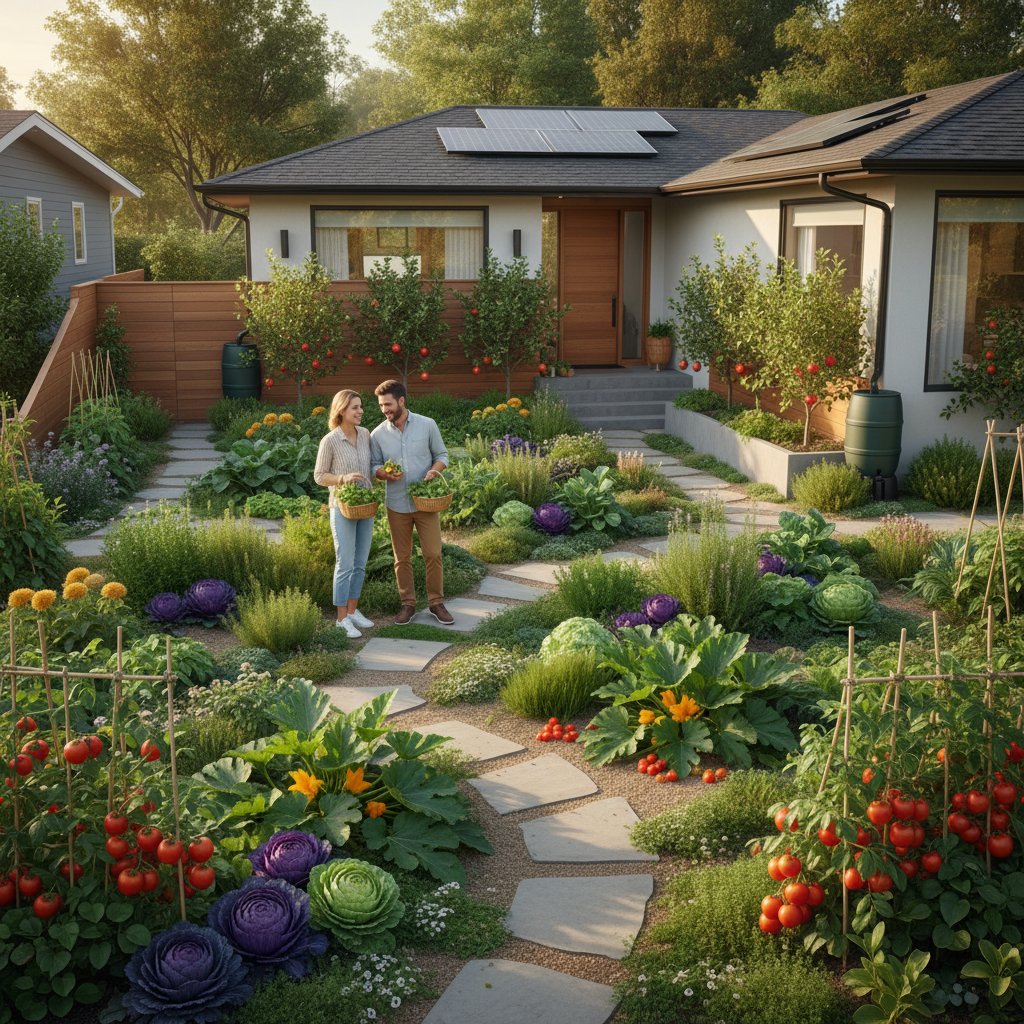
Homeowners experience profound satisfaction when they step outside each morning to harvest breakfast directly from their front yard. Fresh strawberries warmed by the sun, aromatic herbs that release scents upon touch, and ripe tomatoes bursting with flavor become everyday realities. This vision drives a growing movement where front yards replace expansive grass with diverse edible landscapes, blending practicality with optimism for a sustainable future.
The Evolution of Front Yard Design
Traditional lawns long represented tidiness, pride, and social conformity in residential areas. These green expanses require substantial resources, including frequent watering, chemical fertilizers, and weekly mowing. As environmental awareness rises, many question the value of such maintenance, prompting a pivot toward food production over mere aesthetics.
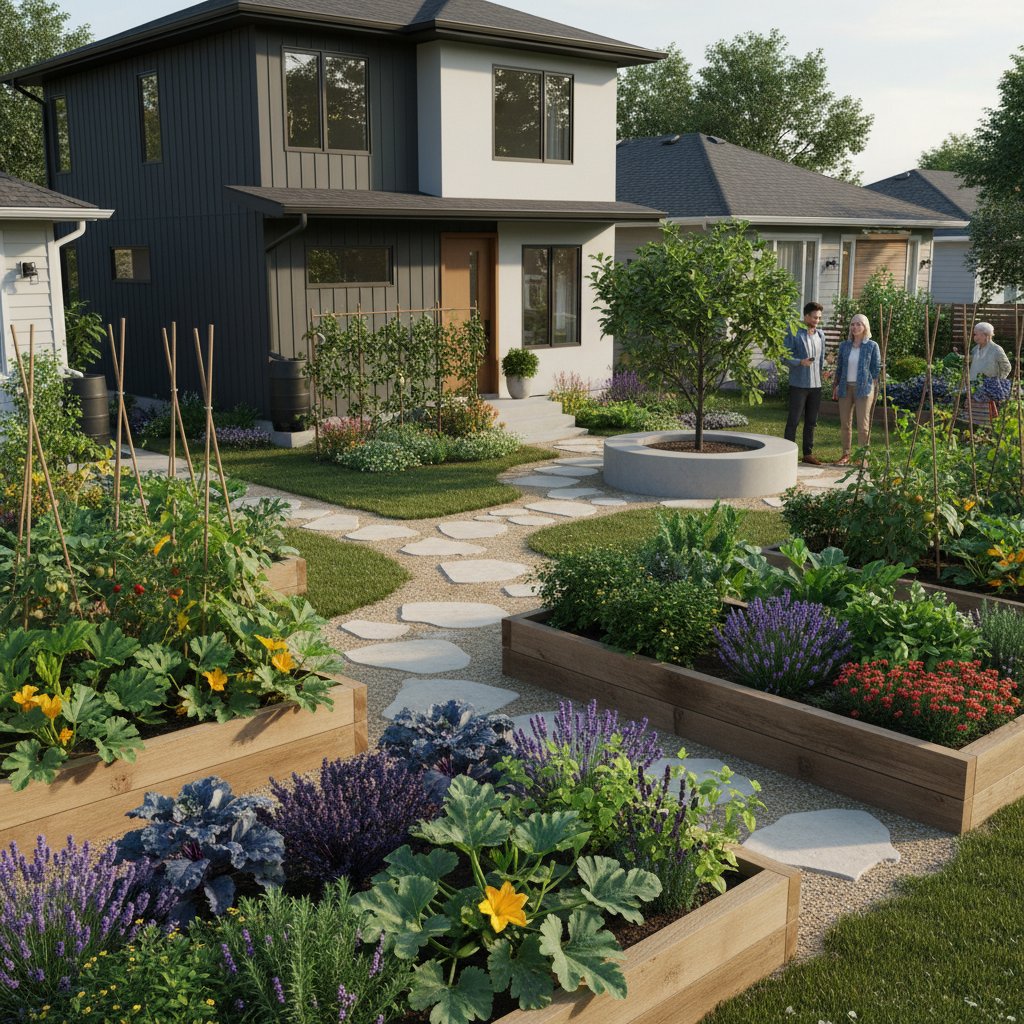
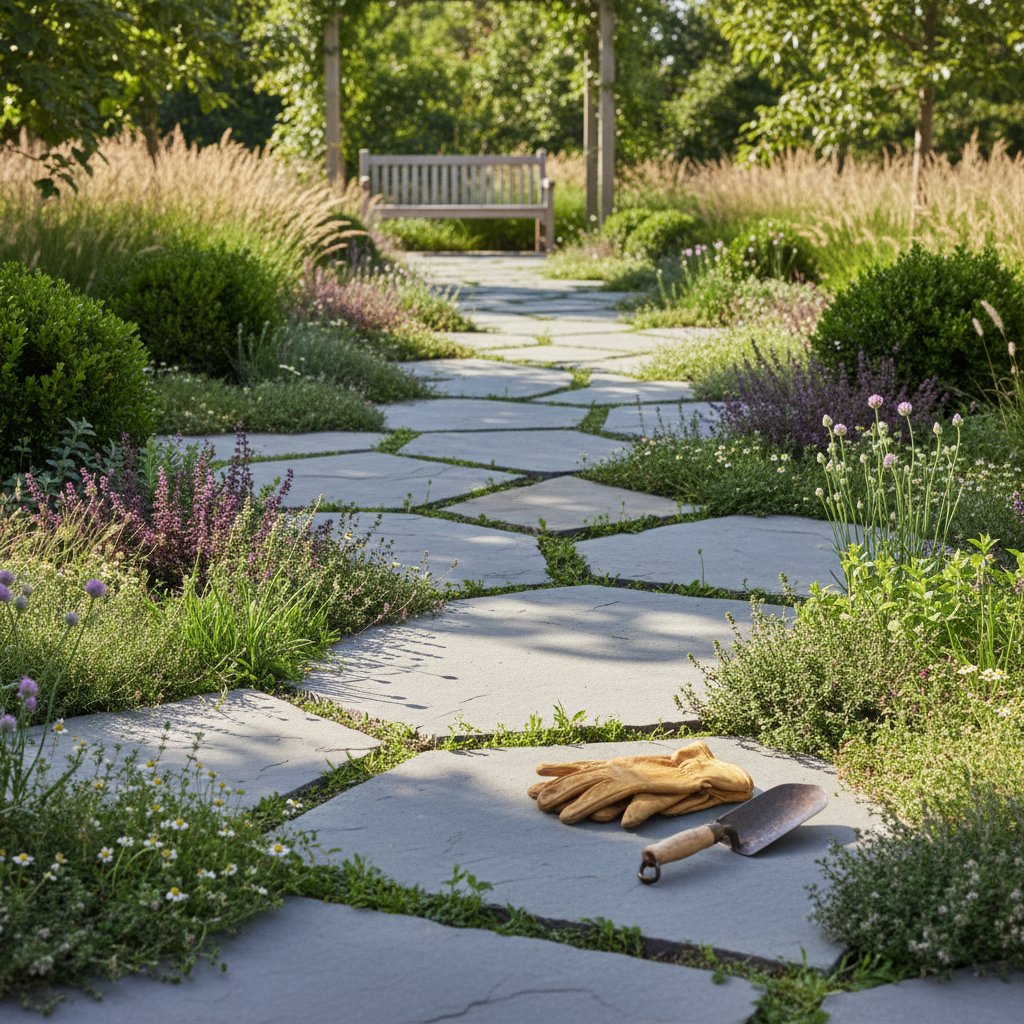
Edible front yards emerged from backyard experiments and community gardens but now claim prominent spaces. These designs maintain visual appeal through structured layouts comparable to ornamental gardens. Vibrant colors arise from crops like Swiss chard, red beets, and kale varieties, while textures emerge from low-growing herbs such as rosemary and thyme along walkways. Dwarf fruit trees, pruned into formal shapes, serve as focal points near entrances, ensuring the landscape remains inviting.
Achieving Harmony Between Aesthetics and Productivity
Effective edible landscapes integrate visual elegance with functional yields. Designers draw from classic principles, such as symmetry in raised beds for formal styles or intermixed plantings for informal cottage gardens. The result showcases plants that nourish both sight and sustenance.
Key principles guide cohesive designs:
- Repeat focal plants, like basil or lettuce varieties, to establish rhythm and visual flow, similar to repeating ornamental perennials.
- Combine diverse textures by juxtaposing soft lettuces with robust kale or spiky artichokes for added interest.
- Arrange plants by height, positioning taller items like corn or sunflowers at the rear to provide depth and backdrop.
- Define boundaries with edging plants such as strawberries or low herbs to outline paths and beds clearly.
These techniques ensure the garden appears deliberate and integrated, celebrating the utility of food plants without compromise.
Essential Steps for Lawn-to-Garden Conversion
Converting a lawn demands assessment of soil quality, light exposure, and ongoing care needs. Vegetables and fruits require loose, nutrient-rich soil unlike the compacted conditions tolerated by grass. Begin by testing soil pH and nutrient levels with a home kit; amend with organic compost or aged manure to achieve a fertile base at least 12 inches deep.
Evaluate sunlight patterns by tracking daily exposure over a week; most edibles need six to eight hours of direct sun. Position heat-loving crops like tomatoes in southern-facing spots, while shade-tolerant greens suit partial coverage areas.
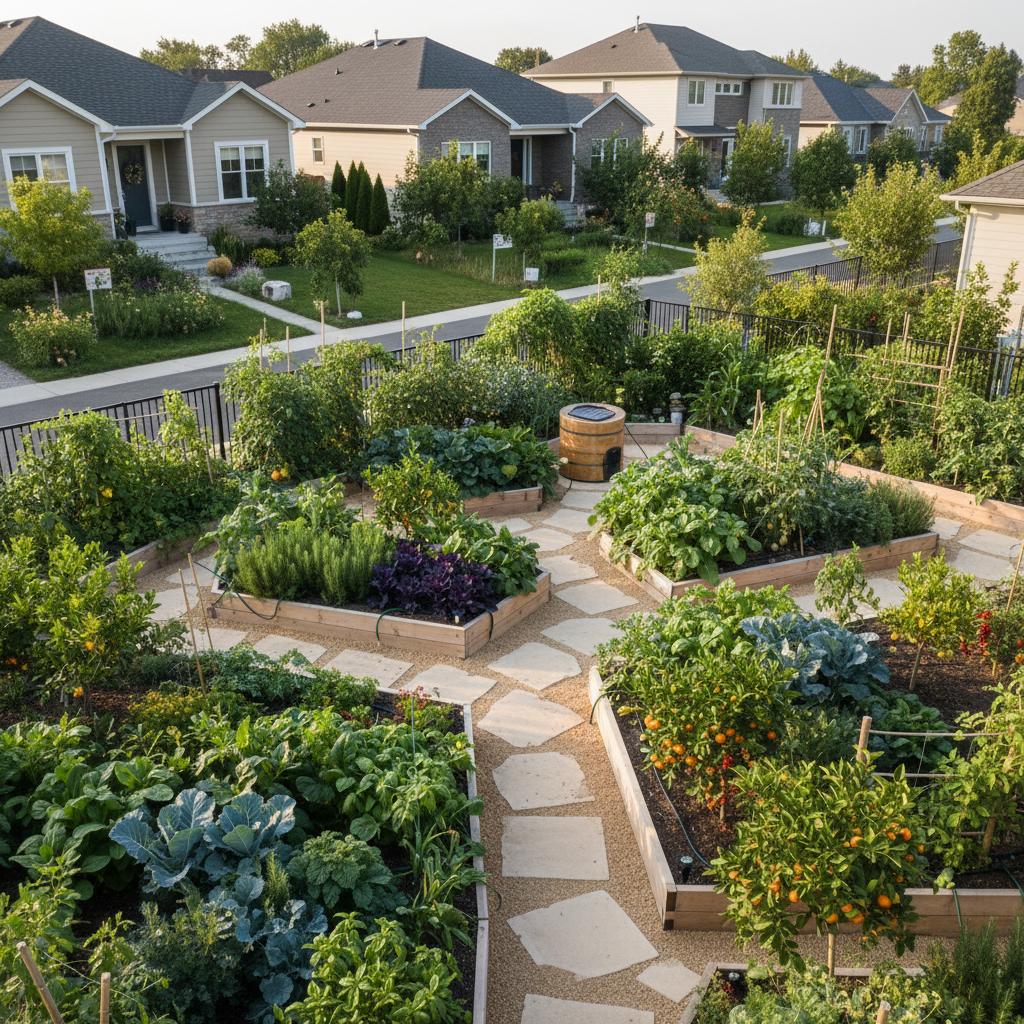
Implement efficient irrigation from the start. Install drip lines or soaker hoses connected to a timer for targeted root watering, reducing evaporation by up to 50 percent compared to overhead systems. Apply two to three inches of organic mulch, such as straw or bark, around plants to conserve moisture, suppress weeds, and regulate soil temperature.
Address public visibility thoughtfully. Enclose sensitive areas with low fences or trellises if privacy concerns arise, but embrace openness to spark neighbor interest. Share excess produce through informal exchanges, turning the yard into a community hub that encourages collective adoption.
Integrating Ornamental and Edible Elements
Edible landscaping extends beyond mere cultivation to foster a deeper bond with outdoor spaces. Substitute formal hedges with blueberry bushes for seasonal berries and year-round structure. Plant lavender borders along paths to draw bees and butterflies while adding fragrance and subtle color.
Incorporate multipurpose features, such as espaliered apple trees against walls for space efficiency and shade over seating areas. These choices expand creative options, allowing personalization based on climate and preferences.
Observe seasonal transitions through harvest cycles: tender spring lettuces yield to midsummer peppers and zucchini, followed by fall root vegetables and hardy winter brassicas. This dynamic progression infuses the yard with vitality absent in static lawns.
Daily and Seasonal Garden Management
Establish routines to sustain garden health post-planting. Harvest produce promptly to encourage continuous growth and prevent overripening, which can attract pests. Rotate crops annually to maintain soil fertility; for example, follow nitrogen-depleting tomatoes with legume cover crops like peas.
Monitor for issues through brief daily inspections: remove weeds by hand, inspect leaves for pests, and adjust watering based on weather. In cooler months, protect tender plants with row covers or cold frames to extend the growing season.
Adapt the layout over time based on performance. If herbs like mint spread aggressively, contain them in pots; allocate more space to high-yield favorites such as cherry tomatoes. This iterative process tailors the garden to specific needs and evolving tastes.
Harvesting the Rewards of Edible Landscaping
Edible front yards elevate outdoor areas from maintenance burdens to integral home extensions. The aroma of fresh basil supplants mown grass, while passersby pause to comment on flourishing beds. Families gain educational opportunities as children witness seed-to-table processes firsthand.
Initiate changes modestly with one raised bed filled with easy growers like radishes or salad greens. Document successes and challenges in a journal to inform future expansions. This adaptable approach suits varied lot sizes, architectural styles, and gardener expertise levels.
Ultimately, these gardens cultivate connections to nature, community, and personal well-being, yielding dividends that enrich life season after season.