How Sunken Patios Will Reshape Backyard Design in 2026
A sunken patio consists of a recessed outdoor area positioned below ground level. This setup fosters an intimate environment that promotes relaxation and social interaction. Homeowners increasingly favor this approach for its balance of seclusion and openness, aligning with the growing emphasis on personalized outdoor experiences. As backyard transformations prioritize aesthetics and utility, sunken patios position themselves as a prominent element in landscape enhancements.
Key Distinctions of Sunken Patios
Traditional patios align with the surrounding terrain, whereas sunken patios lower the surface by one to three feet. This elevation shift alters the ambiance significantly. The design mitigates wind exposure, dampens external noise, and establishes boundaries without relying on extensive fencing.
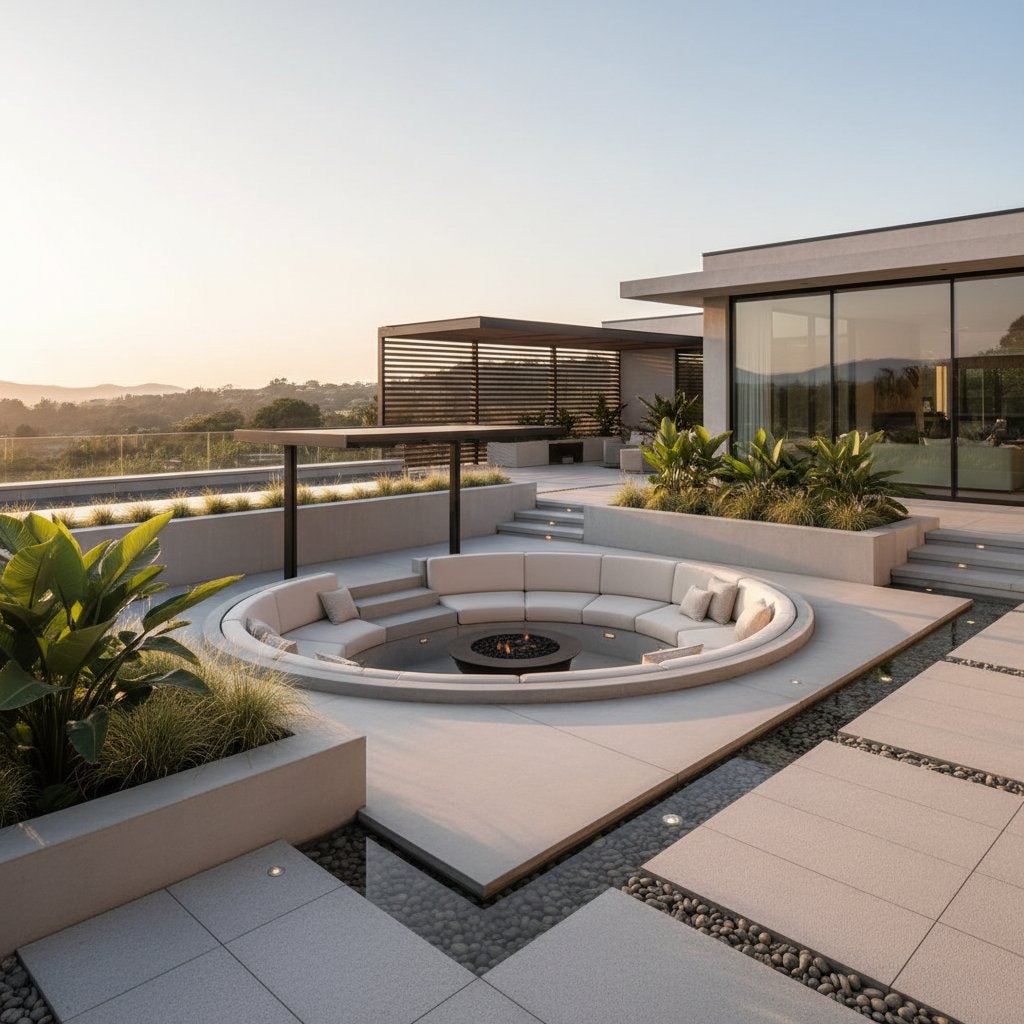
Elements such as integrated benches, low retaining walls, and access steps typically define the space. Materials like concrete, brick, stone, or interlocking pavers allow customization to match architectural styles. Incorporating features like a central fire pit, ambient lighting, or a gentle water element enhances the inviting quality of the area.
Primary Reasons for the Popularity of Sunken Patios
Sunken patios integrate comfort, aesthetics, and practicality in a manner that surpasses many conventional hardscape options. The following points highlight the factors driving their adoption.
1. Enhanced Privacy
The below-grade positioning conceals the space from neighboring views. This configuration provides seclusion comparable to enclosed rooms, proving particularly valuable in densely packed residential areas.
2. Improved Wind and Noise Management
The surrounding earth and walls serve as natural barriers against breezes and urban clamor. Sound waves dissipate into the soil, resulting in a serene atmosphere that supports focused conversations or quiet reflection.
3. Compelling Visual Dynamics
The recessed form introduces vertical interest to otherwise level landscapes. Contrasting textures from stone edges, stepped approaches, and furnished zones create engaging focal points that enrich the overall yard composition.
4. Clearly Defined Social Area
The lowered platform functions as a distinct outdoor chamber, ideal for gatherings or intimate use. Natural perimeter delineation encourages purposeful movement and utilization of the space.
5. Versatile Stylistic Options
Adapt the layout to various preferences, from sleek concrete installations with minimalist lines to rugged stone arrangements evoking natural settings. This adaptability suits both compact urban plots and expansive suburban gardens.
Construction Costs and Essential Considerations
Erecting a sunken patio exceeds the expense of a flat counterpart due to excavation demands, drainage infrastructure, and structural reinforcements. Expect costs ranging from $15 to $50 per square foot, influenced by material selections and terrain challenges. Additional elements like custom seating or integrated heating elements further elevate the budget.
Critical Cost Components:
- Excavation: Soil removal and base preparation require one to two days of heavy equipment operation, depending on depth and soil type.
- Drainage Systems: Below-grade locations necessitate robust solutions such as gravel underlayment, perimeter drain tiles, or a central sump pump to avert water accumulation.
- Retaining Structures: Low walls constructed from concrete blocks, stacked stone, or timber stabilize the edges and prevent soil erosion.
- Surface Materials: Options include durable pavers for easy replacement, textured flagstone for rustic charm, or smooth poured concrete for modern efficiency, each with varying upkeep requirements.
Professional installation spans one to two weeks, factoring in site preparation, weather conditions, and design intricacy.
Inspirational Design Concepts
Tailor a sunken patio to harmonize with your residence and intended activities, ranging from understated to ornate executions.
Conversation-Focused Layout:
Center a circular or rectangular depression around a gas fire pit to form a communal nexus. Incorporate curved benches topped with weather-resistant cushions to facilitate extended outdoor sessions.
Integrated Garden Oasis:
Encircle the lowered zone with vertical planters or elevated beds filled with perennials and evergreens. This arrangement tempers hard surfaces with organic textures and seasonal vibrancy.
Contemporary Sparse Aesthetic:
Employ polished concrete for walls and risers, complemented by modular furnishings in neutral tones. Install linear LED lights beneath step treads to provide discreet illumination after dusk.
Tiered Functional Zones:
Pair a primary sunken relaxation area with an adjacent elevated dining platform. This progression separates activities seamlessly, relying on level changes rather than partitions.
Upkeep Strategies for Durability
A thoughtfully constructed sunken patio endures for decades under routine care. Focus on preventive measures to preserve its condition and functionality.
- Clear accumulated leaves and debris weekly to avoid surface discoloration.
- Hose down stone or paver finishes quarterly to eliminate embedded grime.
- Examine drainage conduits post-rainfall to confirm unobstructed flow and prevent backups.
- Apply protective sealants biennially to concrete or natural stone, extending resistance to weathering.
For any timber components in seating or accents, apply penetrating oils annually to guard against decay and pests. Opt for low-voltage LED systems to ensure safe, efficient nighttime use.
Potential Obstacles and Mitigation Tactics
Account for the increased effort and investment before committing to a sunken patio. Unforeseen subsurface obstacles like bedrock or utility lines during digging can inflate expenses. Inadequate water management risks flooding, while steep drops may hinder mobility for certain users.
Select a site with positive drainage slope or incorporate French drains to redirect runoff. Widen staircases to 36 inches and add sturdy handrails for inclusive access. In precipitation-prone regions, elevate the floor 6 inches above the yard's lowest point to facilitate natural shedding.
Steps to Realize Your Sunken Patio Vision
Implementing a sunken patio redefines backyard utility by infusing dimension, personality, and sanctuary. Initiate the process by drafting a scaled site plan, selecting resilient materials suited to local climate, and prioritizing water management protocols. Engage a certified landscape architect or hardscape specialist to optimize the blueprint and provide precise budgeting.
Determine primary usage to guide decisions: position a fire pit and ample seating for social events, or integrate shaded foliage and a bubbling fountain for solitary repose. This customized approach yields a haven that integrates seamlessly with daily routines.
Ultimately, a sunken patio fosters connections and polishes landscape aesthetics. Thoughtful execution not only amplifies outdoor enjoyment but also appreciates property worth over time.