2026 Lighting Laws: Reduce Light Pollution in Your Yard
Homeowners often step into their yards at night and sense an absence. The stars visible during childhood now fade behind artificial light. Gardens that once offered tranquility now resemble brightly lit lots. This issue affects many properties due to light pollution.
New lighting laws effective in 2026 provide an opportunity to address this problem. These regulations focus on restoration rather than limitation. They promote lighting that ensures safety and enhances aesthetics without overwhelming the night sky. Simple modifications allow compliance while fostering a serene, natural environment.
This guide explains how to align outdoor lighting with these standards. It covers assessment, planning, implementation, and maintenance to help reclaim peaceful, star-filled evenings.
Assessing Your Current Lighting
Begin by conducting a nighttime inspection of your property. Observe how light affects each area. Identify harsh bright spots or spillover into streets or neighboring yards. Note fixtures that produce glare rather than even illumination.
Key Questions for Evaluation
- Does light escape upward or sideways rather than directing downward?
- Are fixtures brighter than required for their intended function?
- Do lights remain active throughout the night without necessity?
- Are motion sensors positioned incorrectly or overly responsive?
Record observations in a list. This approach reveals patterns. You may discover that reducing the number of lights increases the yard's appeal and relaxation.
Planning Your Lighting Redesign
After evaluating the existing setup, develop a redesign that complies with 2026 laws. The objective involves directing light purposefully to achieve balance.
Steps for a Balanced Design
-
Assign Purpose to Each Fixture
Determine the role of every light. One may illuminate a walkway, another secure a gate, and a third accentuate a tree. Assigning specific functions eliminates unnecessary elements. -
Select Compliant Fixtures
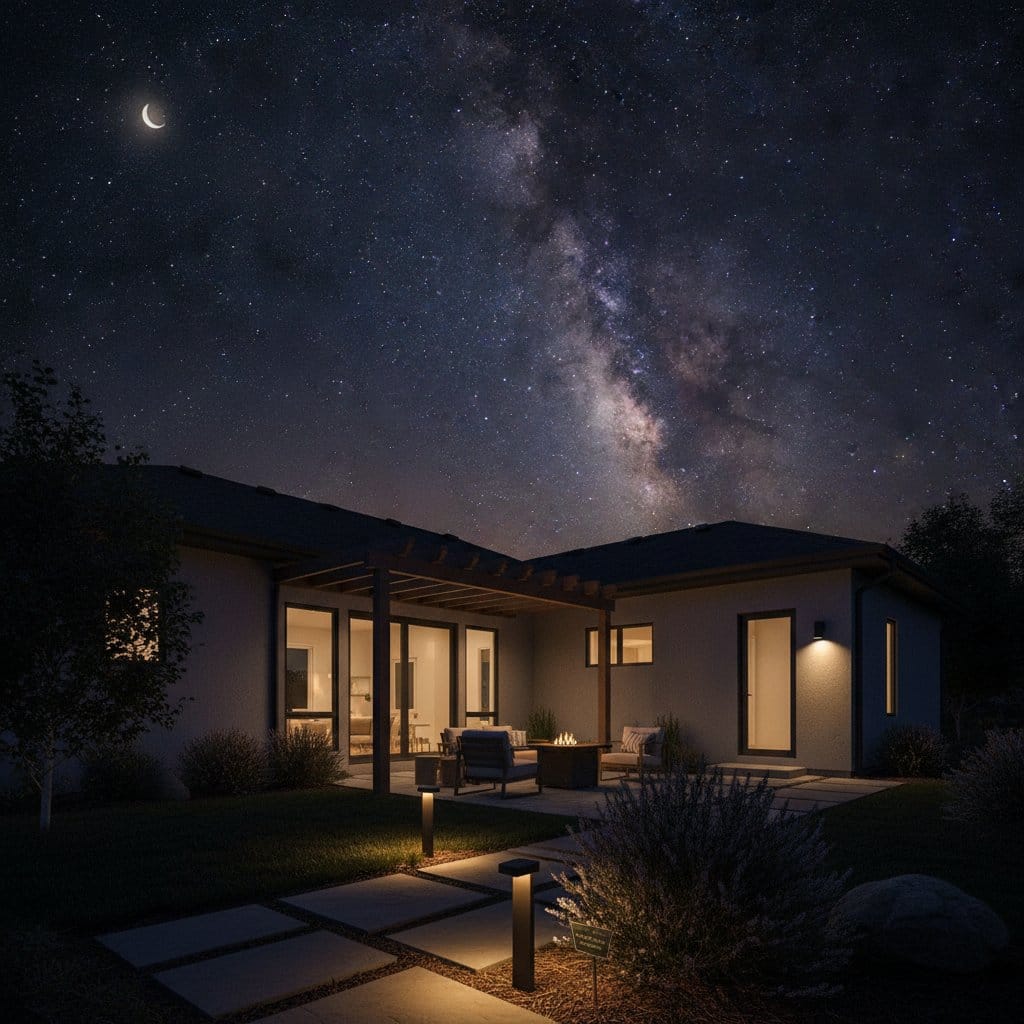
Opt for fixtures designated as dark-sky compliant. These include shields or lenses that focus light downward, reducing glare and sky glow. Fully shielded models conceal the bulb from side or overhead views. -
Choose Suitable Bulbs
Select warm bulbs with a color temperature at or below 3000 Kelvin. This produces a gentle, inviting light. Steer clear of cool white or blue hues, which exacerbate pollution and interfere with natural cycles. -
Integrate Control Mechanisms
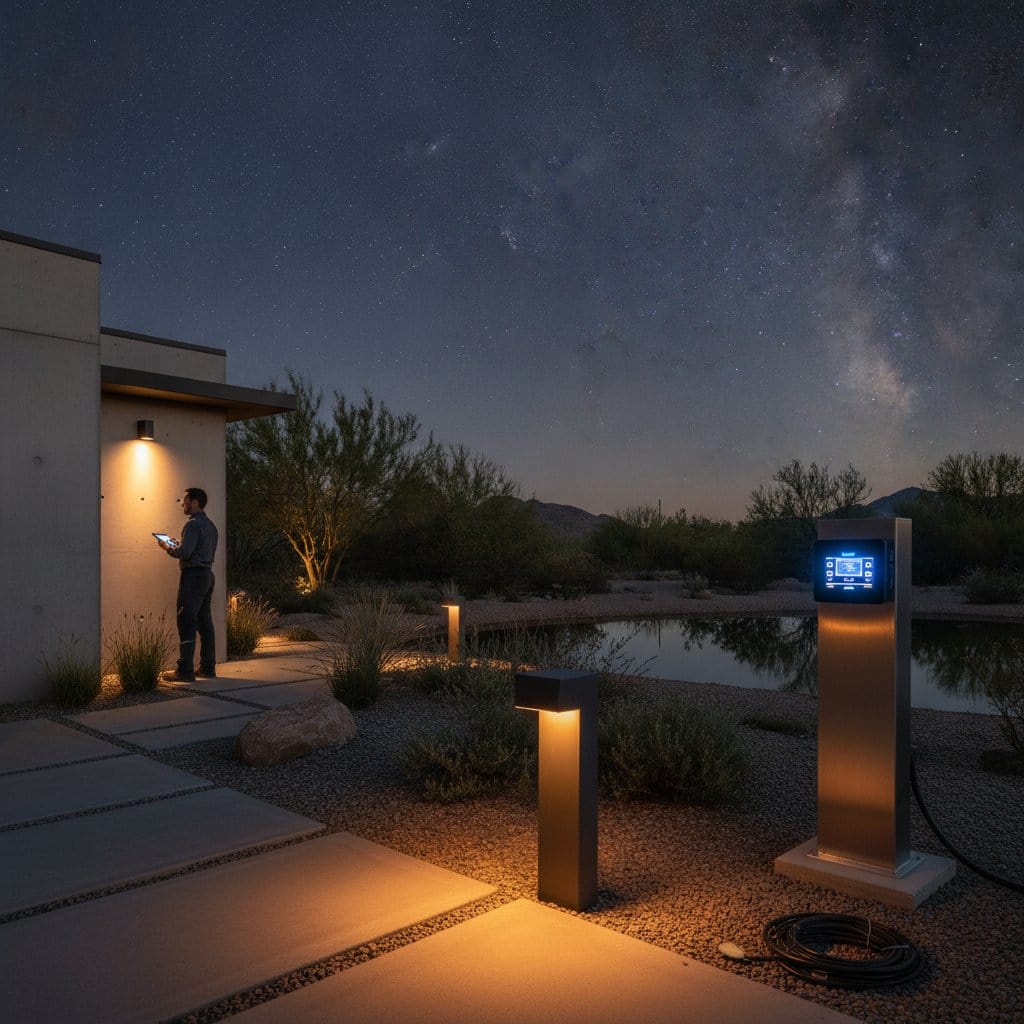
Install timers, dimmers, or motion detectors to activate lights only as required. Motion-activated units near pathways or garages provide security without constant operation. -
Optimize Placement and Elevation
Position fixtures at low heights near the target areas. This strategy limits glare and confines light to your property. -
Incorporate Landscaping Elements
Use plants or structures to diffuse light. For instance, position a fixture behind foliage to generate a diffused effect instead of direct beams.
Such planning transforms regulatory adherence into an opportunity for innovation. The result is a yard that satisfies laws and promotes tranquility.
Implementing Your Plan
With a design ready, proceed with targeted actions. Address issues incrementally, starting with high-impact zones.
Retrofit or Replace Fixtures
For unshielded or excessive lights, install dark-sky compliant alternatives. If full replacement proves challenging, add shielding kits. Manufacturers offer hoods or visors that redirect light effectively.
Modify Intensity and Tone
Switch to soft white or warm white bulbs. Evaluate based on lumens, not watts. A 450-lumen bulb suffices for paths or entrances. In security areas, employ brighter options but ensure shielding.
Install Intelligent Controls
Adopt smart systems for automated scheduling. Program lights to deactivate after midnight or reduce intensity later in the evening. Basic timers plugged into outlets offer an accessible starting point.
Refine Security Arrangements
Excessive brightness can obscure vision through shadows. Directed, moderate lighting enhances clarity without overwhelming. Brief activation via motion sensors aligns with regulations and boosts effectiveness.
Limit Ornamental Excess
Decorative elements should enhance rather than dominate. For string lights or uplights, apply timers to limit runtime. Enjoy them during events, then allow darkness to prevail.
Maintaining the Setup
Ongoing care preserves the system's efficiency and compliance.
Periodic Inspections
Examine fixtures quarterly for accumulations like dust or webs. These can alter light distribution. Clean with a soft cloth and mild soap solution.
Track Performance Changes
LEDs may dim or alter hue over time. Replace any that become stark or cool. Consistent warm lighting sustains the intended ambiance.
Adapt to Seasons
Vegetation changes influence light paths. Adjust angles periodically to avoid spillover. These tweaks maintain equilibrium throughout the year.
Monitor Regulatory Updates
Standards evolve with advancements. Consult local garden centers or authorities for changes. This keeps your setup current and aesthetically pleasing.
Benefits for Wildlife and the Environment
Reducing light pollution extends advantages beyond your yard. It aligns human activities with natural patterns.
Ecological Impacts
- Birds depend on celestial cues for migration. Disorientation from lights leads to accidents or fatigue.
- Insects essential for pollination attract to sources, resulting in depletion before reproduction.
- Night-active animals such as bats require darkness for navigation and foraging. Intrusion alters their habits.
Practical Support Measures
- Deactivate non-essential lights promptly.
- Employ amber or red filters near natural areas to lessen attraction.
- Maintain ground-level, shielded illumination.
- Designate unlit sections as refuges for nocturnal life.
Collective actions like these foster environmental harmony.
Enhancing Your Outdoor Experience
Compliance yields noticeable improvements in your space. The yard regains vitality with returning shadows and visible stars. Ambient sounds sharpen, deepening the sense of peace.
Advantages of Restrained Illumination
Subtle lighting accentuates features elegantly. A dim path encourages leisurely strolls. Tree underlighting reveals contours without dominance. Architectural details emerge more gracefully under controlled light.
Promoting Evening Use
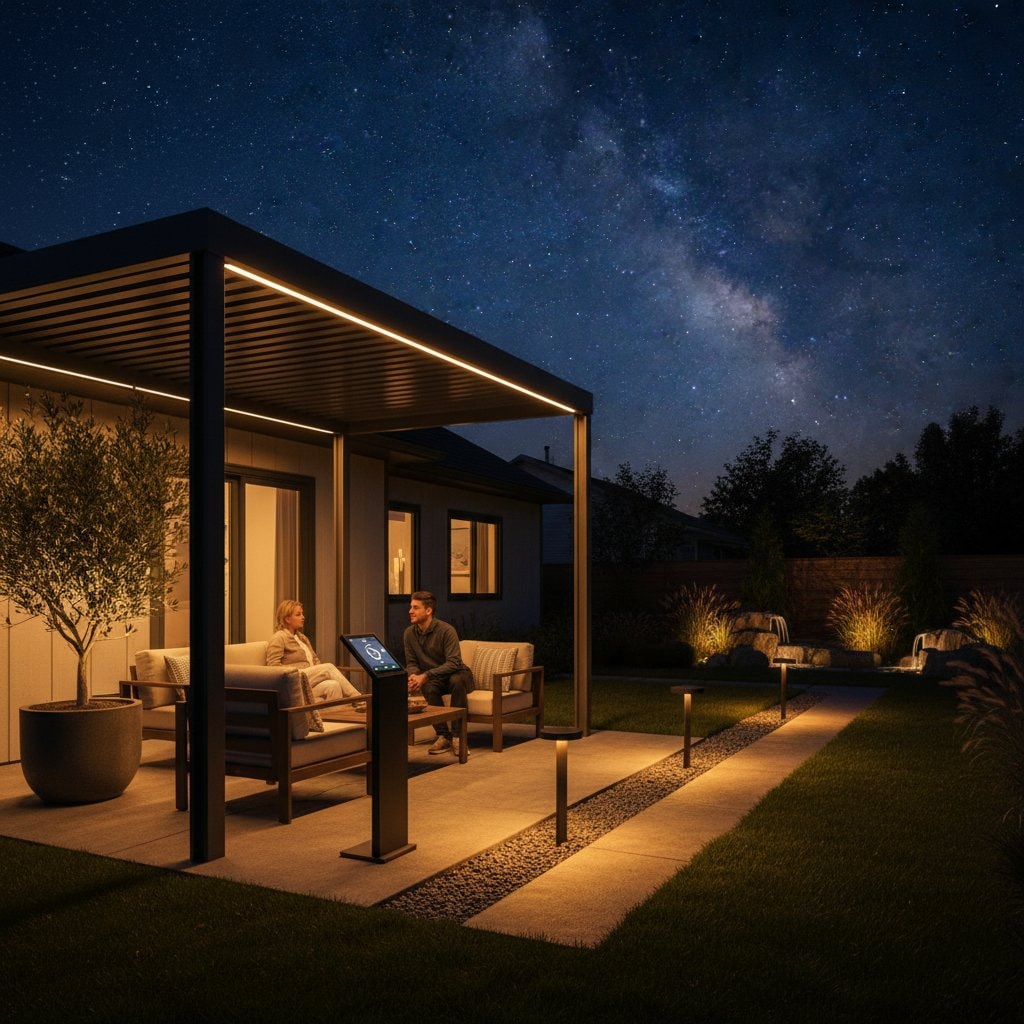
Balanced setups invite prolonged outdoor time. Position lanterns by seats, bollards along routes, or subtle features near water elements. These create inviting zones free from discomfort.
Fostering Neighborhood Dialogue
Visible improvements may prompt discussions with neighbors. Shared insights on compliant lighting can encourage broader adoption. One yard's example influences community practices toward darker skies.
Sustaining Compliance and Serenity
Adopting responsible lighting surpasses mere legal fulfillment. It revives the night's inherent wonder. Direct light purposefully to secure and soothe your surroundings.
Initiate with an accessible adjustment, such as shielding a fixture or timing a light. Note the enhancements. As adjustments integrate, harmony between home and nature strengthens.
Each decision reallocates light effectively. Cumulative efforts yield pristine skies, robust ecosystems, and tranquil living spaces. The stars await rediscovery.