Edible Fences: Cultivate Boundaries That Yield Fresh Produce
A living fence extends beyond simple demarcation or seclusion. Selected plants enable access to fresh fruits, herbs, or berries directly from the edge of the property. Edible fences, also known as food-producing hedges, integrate visual appeal, utility, and yield efficiency into a compact design. These features supplant conventional hedges with elements that enhance landscapes while nourishing residents.
Defining an Edible Fence
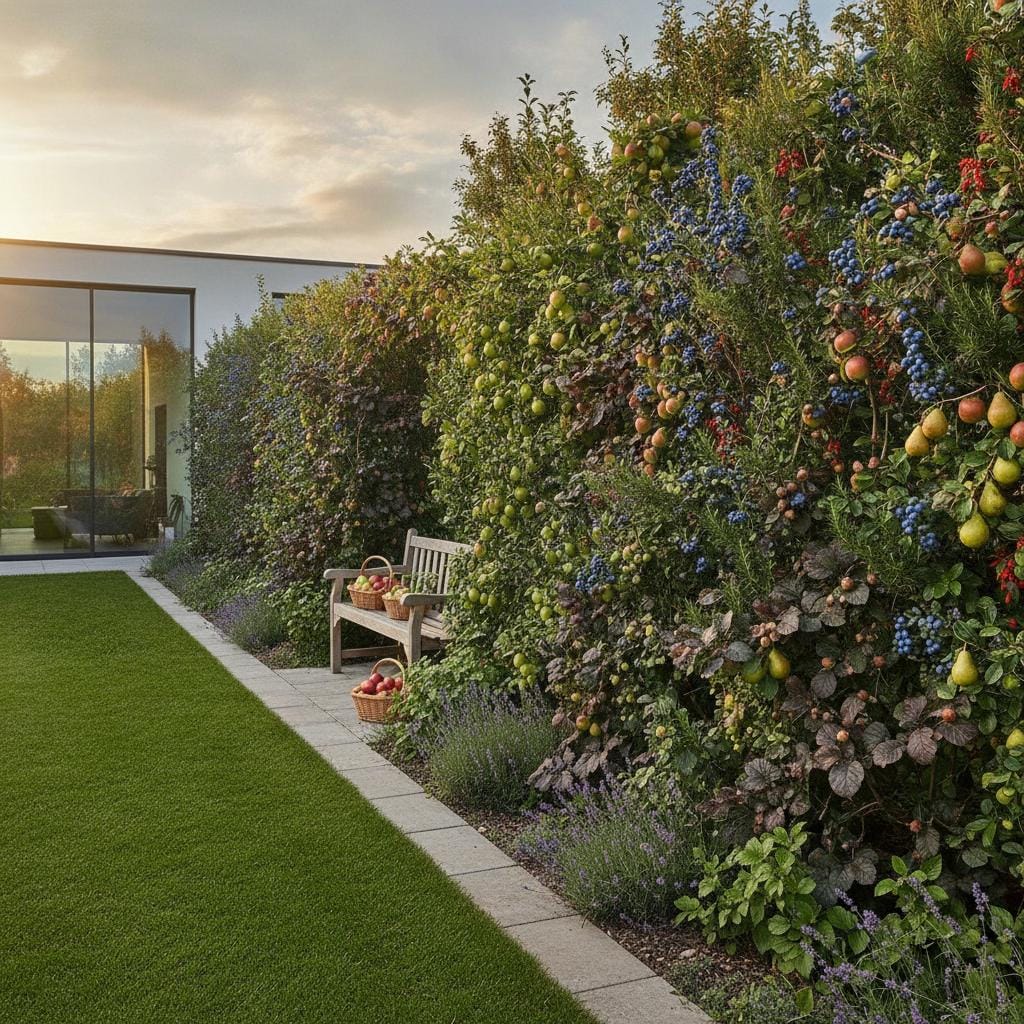
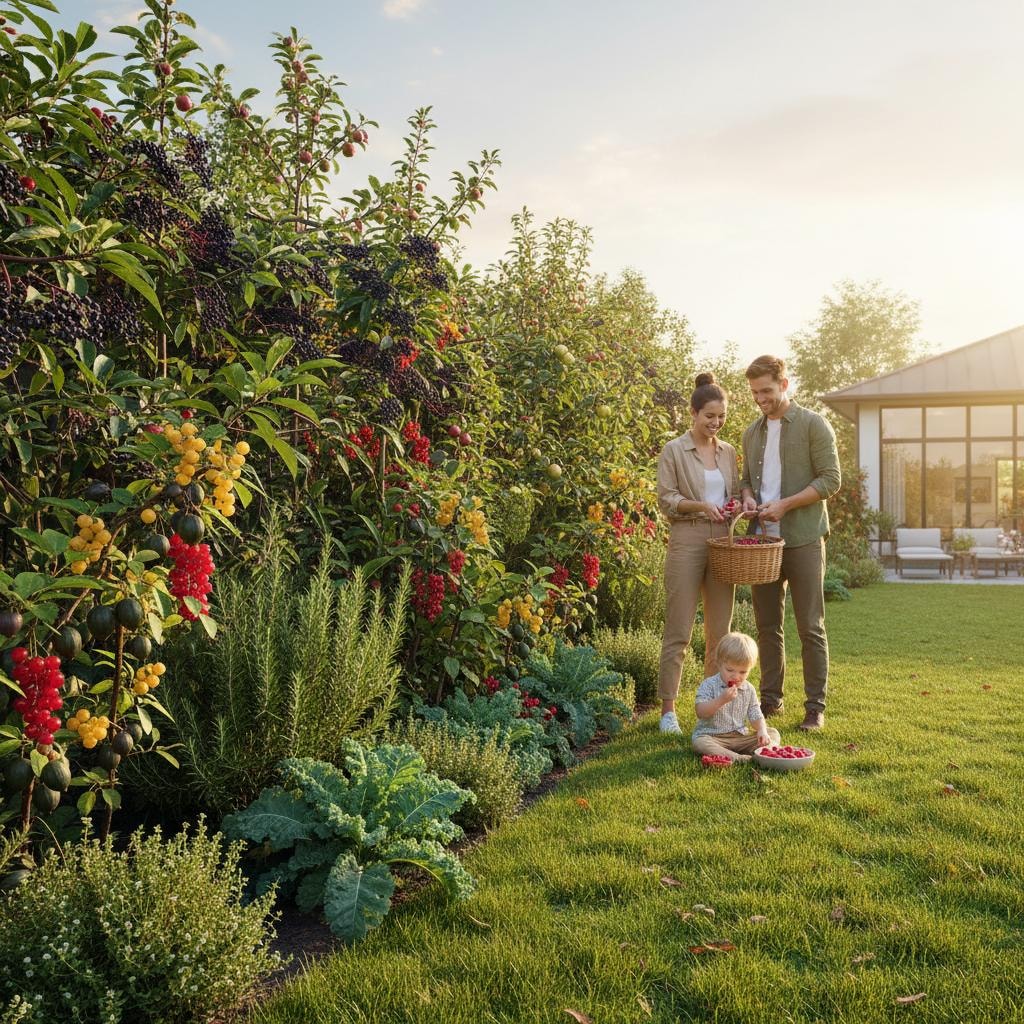
An edible fence consists of a linear planting that develops into a hedge and generates consumable produce. Rather than relying on boxwood or arborvitae, consider blueberries, raspberries, currants, rosemary, or espaliered fruit trees. These selections achieve sufficient density to establish a sight barrier and delineate boundaries, while offering harvests across multiple seasons.
Designs range from structured to relaxed. Property owners may opt for precisely sheared shrubs to complement formal gardens. Alternatively, allowing fruit canes or vines to expand freely produces a gentler, cottage-inspired aesthetic. Regardless of style, the fence fulfills roles that transcend ornamentation.
Selecting Appropriate Plants
Optimal plant choices hinge on local climate, soil composition, and light exposure. Edible hedges generally require full to partial sunlight and soil with effective drainage. Consider these dependable varieties:
- Blueberries: These compact plants display vibrant foliage and suit acidic soils, forming neat hedges reaching three to six feet in height. Varieties like 'Jersey' or 'Bluecrop' yield up to ten pounds per mature bush in USDA zones 3 through 8.
- Raspberries or blackberries: These vigorous growers deliver abundant crops, often two to three quarts per plant annually. Install trellises or wires spaced two feet apart to support upright canes, suitable for zones 4 to 9.
- Currants and gooseberries: These options endure partial shade and demand minimal upkeep after rooting. Red currants produce clusters of tart berries ideal for jams, thriving in zones 3 to 7 with yields of five to ten pounds per bush.
- Rosemary or lavender: As evergreen herbs, they impart aroma and varied textures to arid, sunny sites. Rosemary withstands clipping for a dense form, providing leaves for culinary use in zones 8 to 10.
- Espaliered apple or pear trees: Perfect for confined areas emphasizing height, these trained forms yield four to six fruits per branch once established. Select dwarf rootstocks like M9 for apples in zones 5 to 8.
- Hawthorn or serviceberry: Indigenous shrubs draw pollinators and avian visitors while bearing edible berries. Serviceberry offers sweet, blueberry-like fruits in early summer, adaptable to zones 4 to 9.
Combining multiple species prolongs harvest periods and fosters a naturalistic profile. Verify compatibility in moisture and nutrient requirements to ensure collective success.
Designing and Spacing the Hedge
Effective spacing forms the foundation of a fruitful hedge. Overcrowding impairs airflow and heightens vulnerability to diseases such as powdery mildew. Allocate two to four feet between fruiting shrubs; assign six to eight feet for expansive species or espaliered specimens.
Outline the hedge path using stakes and taut string for precision. Amend the soil to a depth of twelve inches, incorporating two to three inches of compost to boost fertility and structure. For bare-root plants, submerge roots in water for one to two hours prior to placement in holes twice as wide as the root ball.
Timing favors spring or autumn plantings during temperate conditions. Irrigate deeply post-installation, targeting one inch of water weekly, and sustain consistent moisture for the initial six to eight weeks until establishment.
Initial Investment and Effort
Establishing an edible fence involves higher initial expenditure than a standard hedge, influenced by plant selections. Budget ten to twenty dollars per shrub or minor fruit specimen; espaliered trees or rare cultivars may exceed fifty dollars each. Professional installation adds labor fees of one hundred to three hundred dollars per hundred feet, though many owners complete modest projects over a weekend using shovels, pruners, and mulch.
Over time, returns prove substantial. Mature hedges generate several pounds of produce per season, offsetting costs through reduced purchases and the appeal of self-sufficiency.
Ongoing Maintenance Practices
Sustained health and output demand consistent oversight for edible hedges. Conduct annual pruning to excise deceased branches, refine contours, and stimulate renewal; for berries, remove spent canes immediately after fruiting. Apply compost or a balanced organic fertilizer, such as 10-10-10, at a rate of one pound per ten feet in early spring.
Mulch the base with three inches of organic material to conserve water and suppress weeds. Monitor for infestations including aphids or Japanese beetles during peak growth; deploy insecticidal soaps or introduce ladybugs as organic controls. Employ bird netting over ripening clusters to safeguard yields.
Irrigation varies by region, but deliver one to two inches weekly via deep applications to promote robust root systems. Refrain from superficial daily watering, which fosters shallow development.
Adapting Care to Seasons
Post-harvest, sever aged raspberry or blackberry canes at ground level to accommodate emerging growth. For blueberries, eliminate the three oldest stems every second or third year to sustain vitality. In frost-prone areas, apply four to six inches of mulch around bases in late fall to insulate roots against subzero temperatures.
Evergreen herbs like rosemary benefit from light trims throughout the active season to preserve form. Harvest incrementally to promote bushiness and continuous productivity, avoiding removal of more than one-third of growth at once.
Implementing Your Edible Hedge
Constructing an edible fence requires deliberate preparation, yet yields reliable produce and an animated landscape. Initiate with a modest segment or select shrubs to evaluate site suitability. Gradually incorporate additional varieties as the planting matures, adjusting based on performance. This approach creates a dynamic perimeter that enhances biodiversity, curbs expenses, and supplies seasonal nourishment steps from your home.