Designing Edible Hedges for Privacy and Fresh Produce
Many homeowners view their backyards as underutilized spaces, lacking both seclusion and purpose. Bare fences or unruly shrubs often fail to inspire. Edible hedges address these needs by serving as living barriers that yield fruits, herbs, or nuts while enhancing the landscape.
These hedges extend beyond simple boundaries. They create immersive outdoor experiences through softened edges, pollinator attraction, and seasonal harvests. Careful selection and maintenance transform any yard into a serene, self-sustaining haven.
Planning Your Edible Hedge
Effective planning prevents common pitfalls and ensures long-term success. Identify primary objectives, such as maximum privacy or abundant yields, to inform plant selections. A balanced approach allows hedges to fulfill multiple roles without compromise.
Choosing the Right Plants
Opt for a mix of edible species to achieve density, ease of access, and resilience. Diverse plantings mitigate risks from pests or weather, while providing varied textures and colors.
Recommended options include:
- Blueberries: Compact shrubs that form neat hedges with sweet, nutritious berries. They thrive in acidic soil and require full sun exposure.
- Aronia berries: Tough native plants yielding antioxidant-packed fruits and striking autumn foliage.
- Currants and gooseberries: Ideal for compact areas, these handle partial shade and deliver tangy berries in clusters.
- Hazelnuts: Vigorous bushes offering height for screening and nut production after several years.
- Herbs like rosemary or lavender: Prune into low borders for aromatic accents and culinary use.
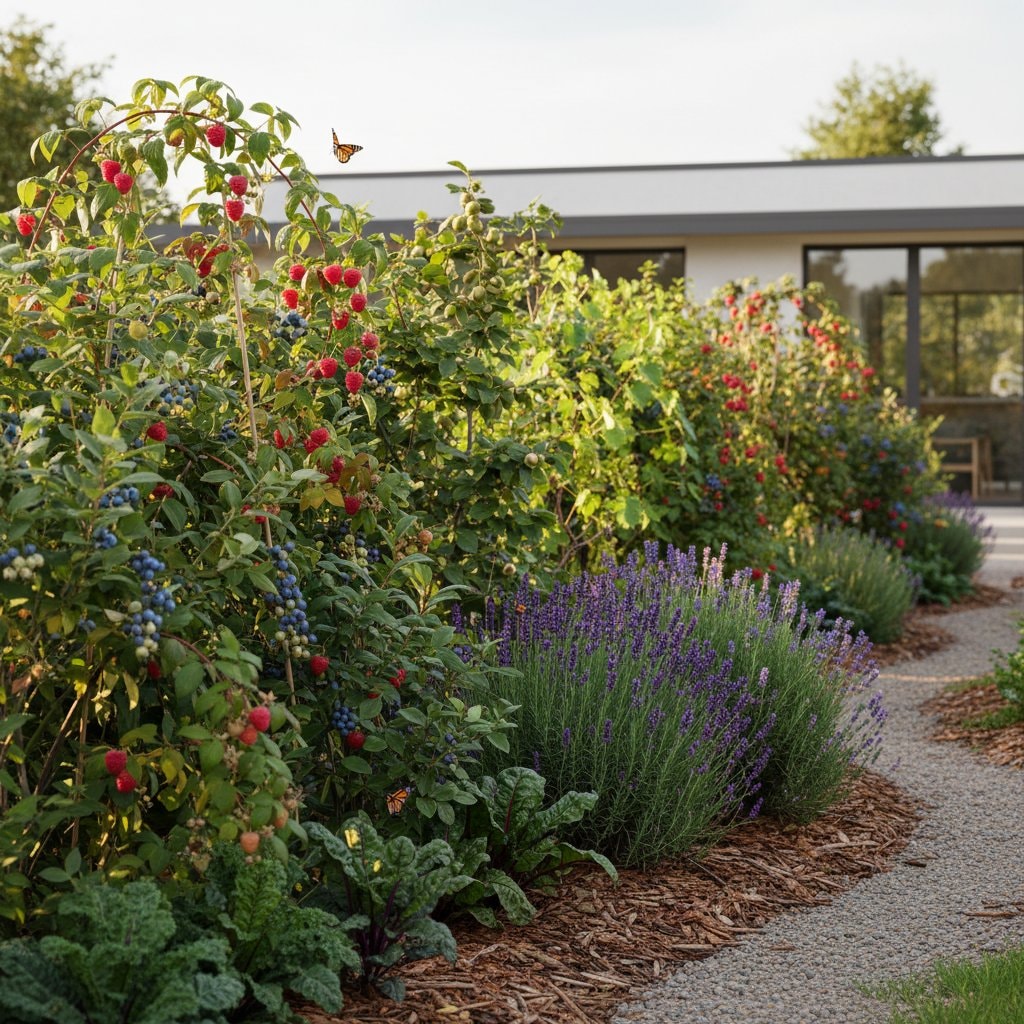
For properties adjacent to streets, layer taller shrubs at the rear with shorter fruit bearers upfront. This strategy builds depth, boosts productivity, and strengthens privacy.
Preparing the Ground
Success begins with well-prepared soil, which supports robust root development. Remove weeds, rocks, and debris along the intended line. Aerate the soil using a spade or fork, then incorporate compost to enrich nutrients and structure.
Space plants according to mature dimensions, typically 3 to 6 feet apart depending on species, to allow air circulation and growth. Dig holes twice as wide as root balls but no deeper. After planting, water thoroughly to settle the soil.
Apply a 2- to 3-inch layer of mulch, such as wood chips or straw, around bases. This layer conserves water, inhibits weed growth, and stabilizes soil temperature during establishment.
Caring for Your Living Fence
Young hedges demand consistent care to develop strong foundations. Irrigate deeply during dry periods, aiming for 1 inch of water weekly to promote deep roots. Avoid shallow watering, which encourages surface growth vulnerable to drought.
Prune annually to maintain shape and vigor. After spring growth, shear lightly to stimulate bushiness. For fruit producers, cut out aged canes every 3 to 5 years, preserving younger stems for optimal yields.
Fertilize sparingly with compost or organic blends in early spring and late fall. Excessive nutrients promote leggy growth; moderation fosters durable plants. Monitor for pests, intervening with natural methods like hand-picking or companion planting.
Blending Function and Beauty
Edible hedges merge utility with artistry through strategic design. Combine leaf shapes and hues, such as broad blueberry foliage against needle-like rosemary, for dynamic contrast. Sequence blooms, fruits, and leaf changes to sustain interest across seasons.
Incorporate ground covers like thyme or chamomile at the hedge base. These draw pollinators, cover soil, and reduce maintenance. In constrained areas, espalier fruits against existing fences to save space while maximizing output.
Formal pruning suits structured gardens, while natural forms fit informal settings. Either way, the result integrates seamlessly, elevating both privacy and aesthetic value.
Supporting Wildlife and Soil Health
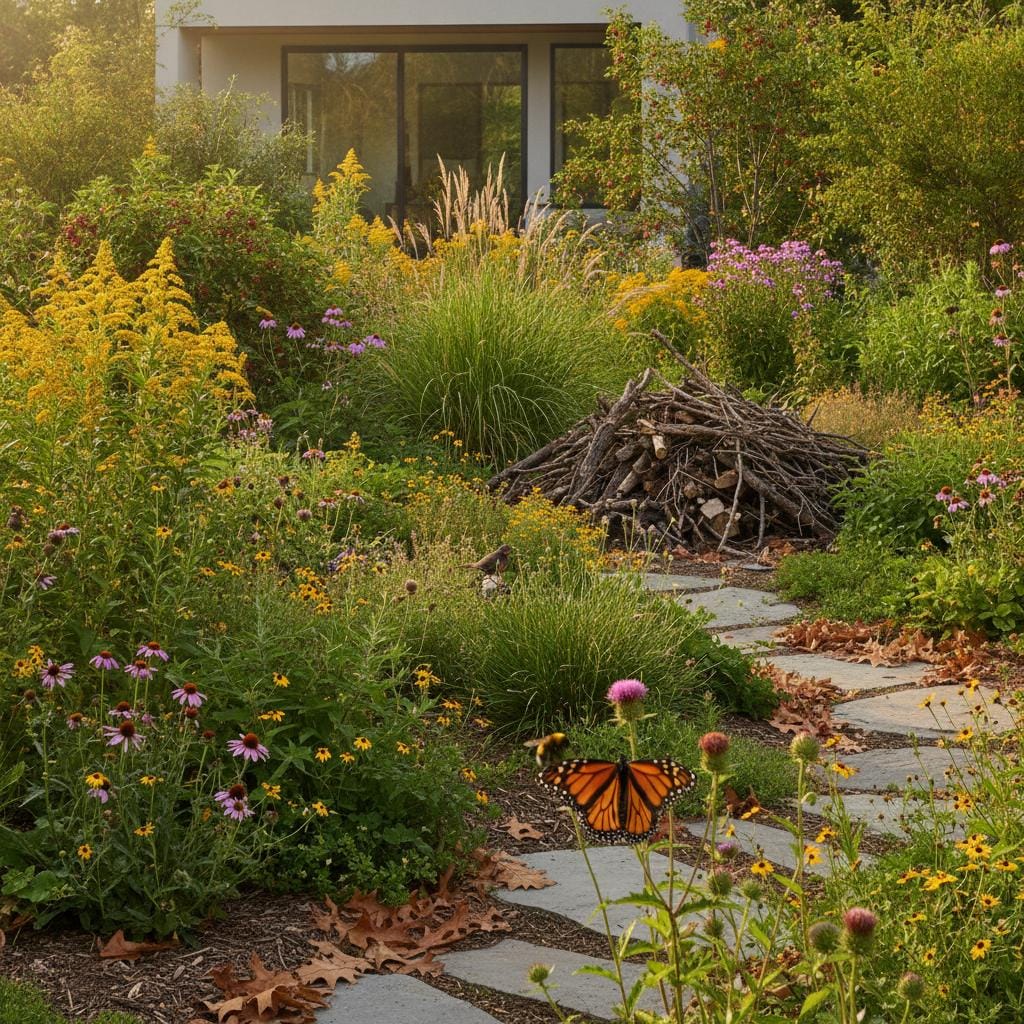
Edible hedges foster biodiversity beyond human benefits. Berries and flowers lure birds that curb insect populations, alongside bees essential for pollination. This network sustains garden health without chemical inputs.
Decomposing leaves and dropped fruits amend the soil naturally, cycling nutrients back into the system. Select native or regionally suited plants to minimize water and care needs. Such choices align with ecological principles, easing upkeep over time.
Harvesting and Enjoying the Rewards
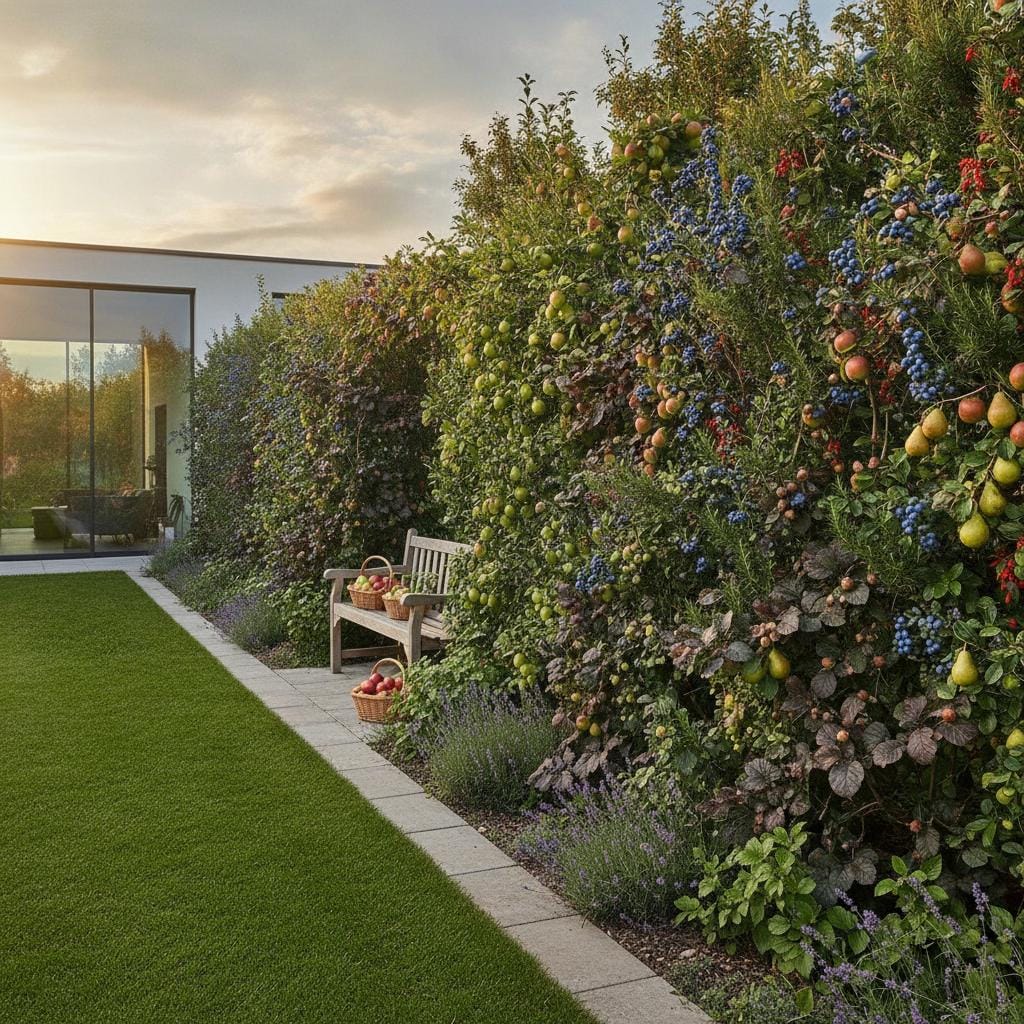
Ripe produce turns routine tasks into pleasures. Position collection baskets conveniently for daily gatherings. Consume berries fresh, preserve extras through freezing or jamming, and store nuts after drying.
Herbs clipped regularly enhance meals or crafts. Extend enjoyment by sharing surpluses with neighbors, reinforcing community ties. These harvests affirm the hedge's dual role in privacy and provision.
Nurturing Long-Term Growth
Edible hedges evolve through attentive stewardship across seasons. Observe shifts in light, bloom, and fruiting to refine care. Adjust pruning or feeding based on performance, building resilience year by year.
This ongoing partnership yields deepening rewards: denser screens, richer harvests, and a landscape that reflects intentional living. Over time, the hedge becomes an integral, life-affirming feature of your home.