Front Yard Farms Emerge as Leading 2026 Landscaping Trend
Homeowners increasingly convert traditional lawns into productive edible landscapes. This approach combines visual appeal with practical food production. The shift reflects growing interest in sustainable living and direct connections to fresh harvests.
Reconsidering Front Yard Purpose
Front yards long served mainly as ornamental displays. Standard designs featured shrubs, grass, and seasonal flowers to maintain neighborhood uniformity. Many now question this limited role and seek spaces that deliver both beauty and utility.
Edible landscapes address this desire by integrating food plants into visible areas. They create environments that feel dynamic while supporting daily needs. The result transforms passive viewing areas into active growing zones.
Integrating Edible Plants with Ornamental Design
Successful front yard farms avoid the appearance of standard vegetable rows. They apply ornamental principles to arrange productive species. This method yields cohesive spaces that remain attractive year round.
Apply these specific techniques to achieve balance:
- Pair plants with contrasting foliage such as frilly kale next to smooth hostas or compact rosemary beside tall fennel.
- Establish borders using low strawberries or leaf lettuces while positioning vertical elements like pole beans on simple cedar stakes.
- Repeat a signature color such as deep purple from eggplant foliage across multiple beds through additional herbs or flowers.
- Select varieties with staggered maturity dates to maintain continuous color and harvest opportunities.
These steps produce gardens that meet both aesthetic and functional goals.
Addressing Potential Neighborhood Concerns
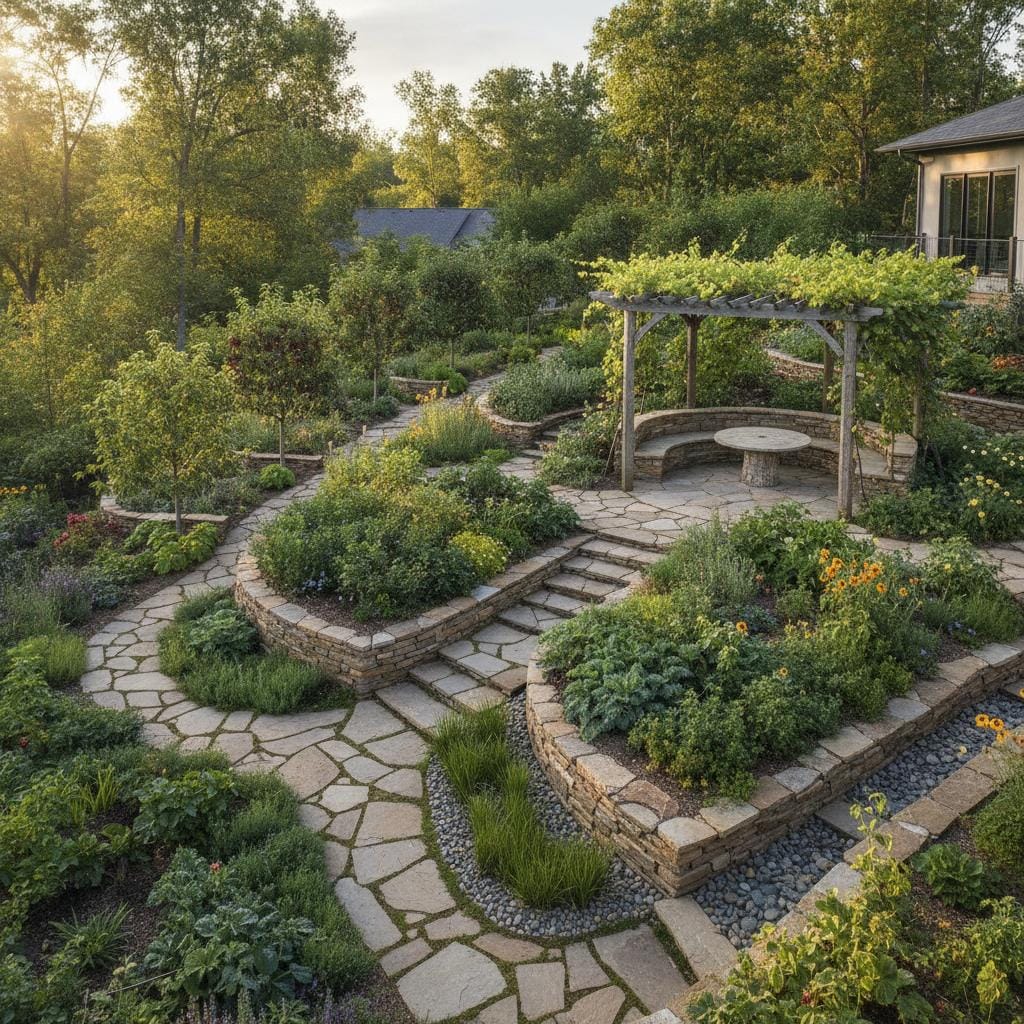
Some residents hesitate due to worries about appearance or local reactions. Careful planning overcomes these issues through structured elements. Stone edged beds and gravel paths create a maintained look that aligns with traditional expectations.
Begin with limited changes such as a narrow herb strip along the sidewalk. Observe responses and refine the layout before larger expansions. This measured process builds confidence and demonstrates viability.
Practical Advantages of Visible Edible Gardens
Front yard farms deliver measurable benefits beyond appearance. They attract beneficial insects, lower household food expenses, and minimize waste through immediate harvesting. Proximity also fosters interactions as neighbors exchange advice and surplus produce.
Daily engagement with the space encourages observation of natural cycles. Brief visits to gather ingredients interrupt routines and heighten awareness of seasonal changes.
Adapting Styles to Specific Properties
Different architectural contexts call for tailored approaches:
- Cottage gardens layer mixed heights of flowers and vegetables in informal drifts suited to older homes.
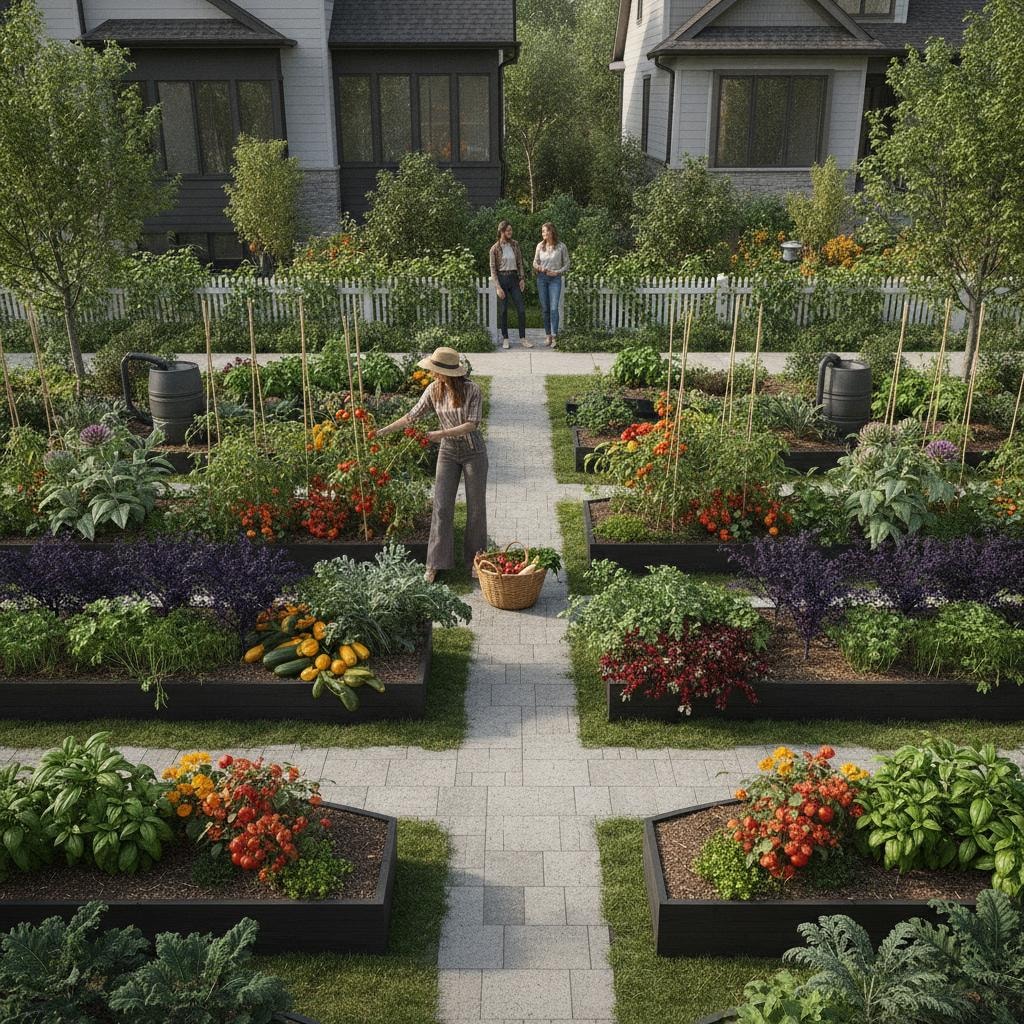
- Symmetrical layouts use matching raised beds on either side of a central path for formal entries.
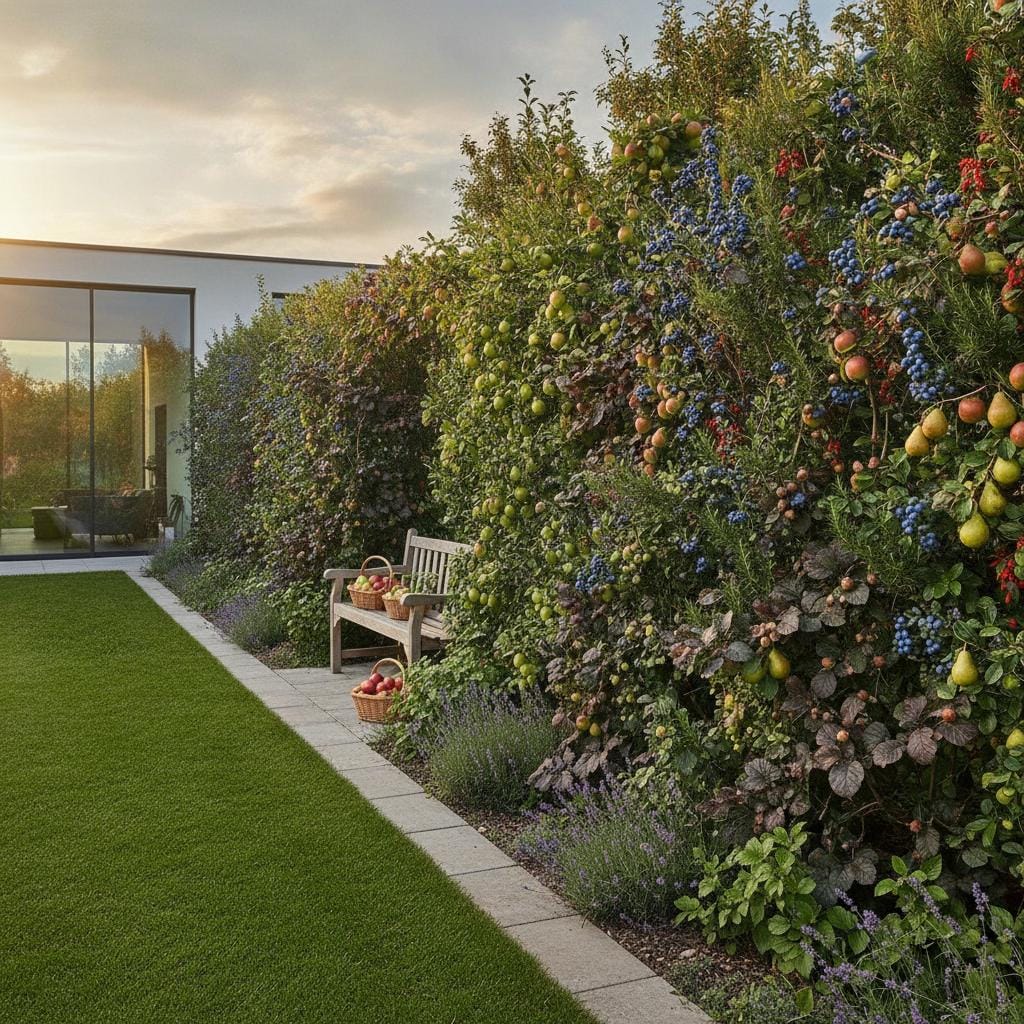
- Minimal designs employ rectangular beds with gravel mulch and limited plant palettes for contemporary structures.
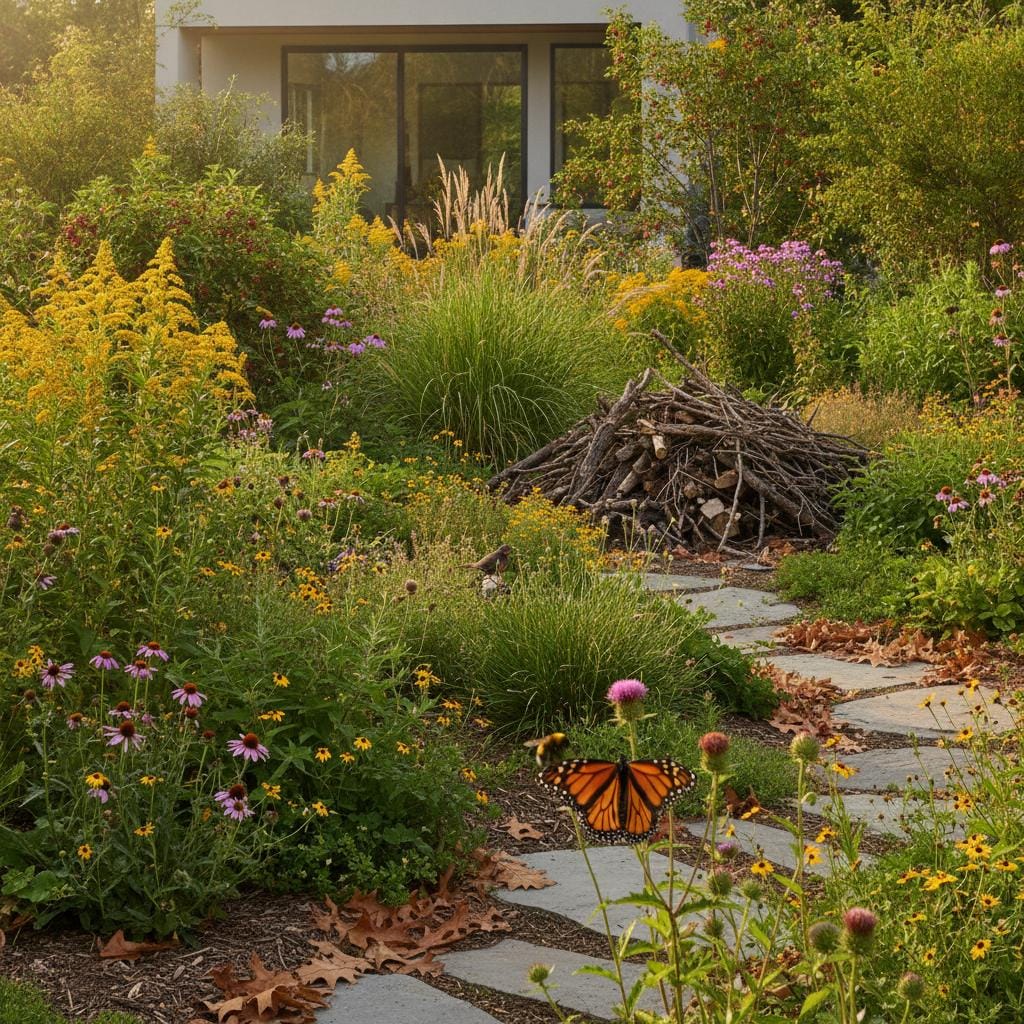
- Pollinator focused plantings surround crops with continuous blooming perennials to support yields.
Match selections to site conditions including sun exposure and soil type for reliable results.
Establishing Daily Integration
Once established the garden becomes part of household patterns. Regular checks for ripeness or minor pruning fit naturally into morning or evening activities. Over successive seasons the space develops character that reflects individual preferences and care routines.
Starting the Conversion Process
Select one manageable area such as a corner bed or border strip to test the concept. Choose three to five compatible species based on local climate data and available light. Monitor growth and adjust spacing or support structures as needed.
This method allows refinement while delivering early harvests and visual improvements.