Grow Privacy Screens That Also Produce Fresh Fruit
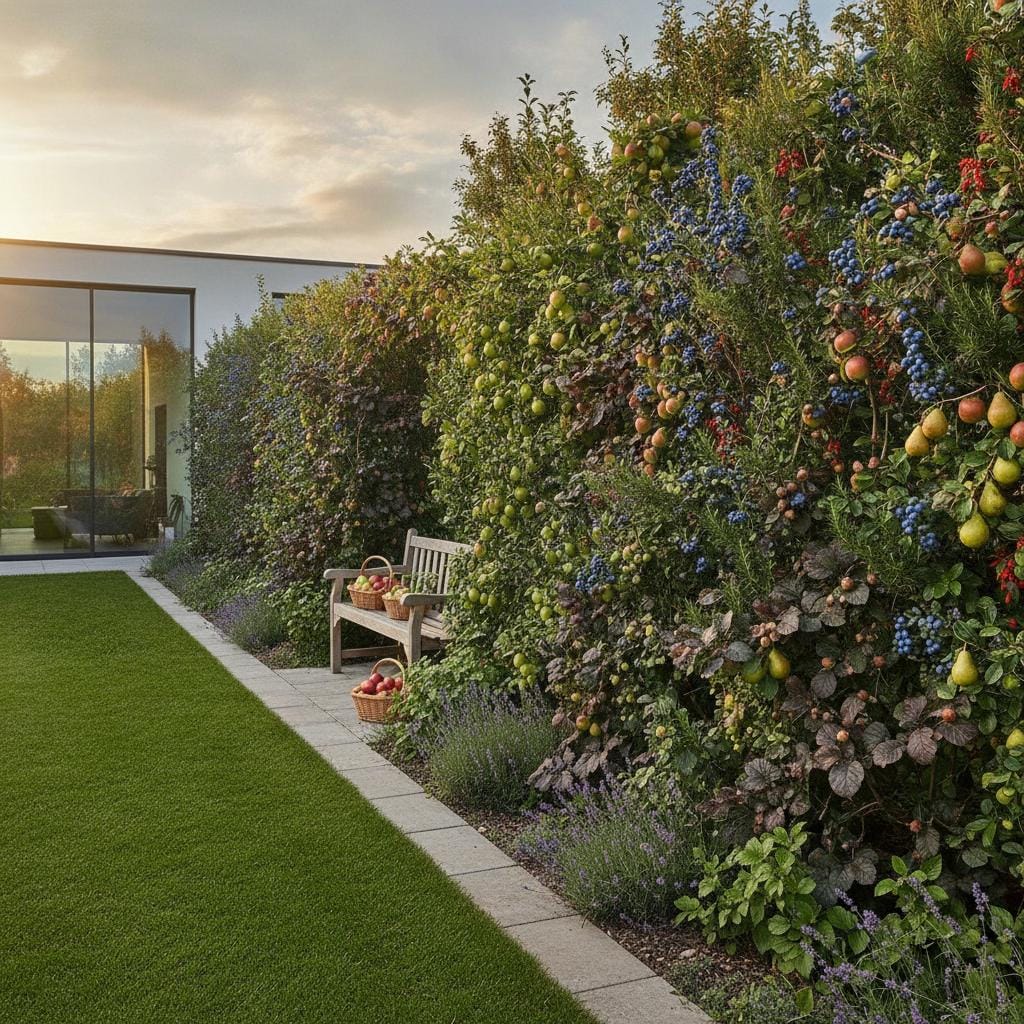
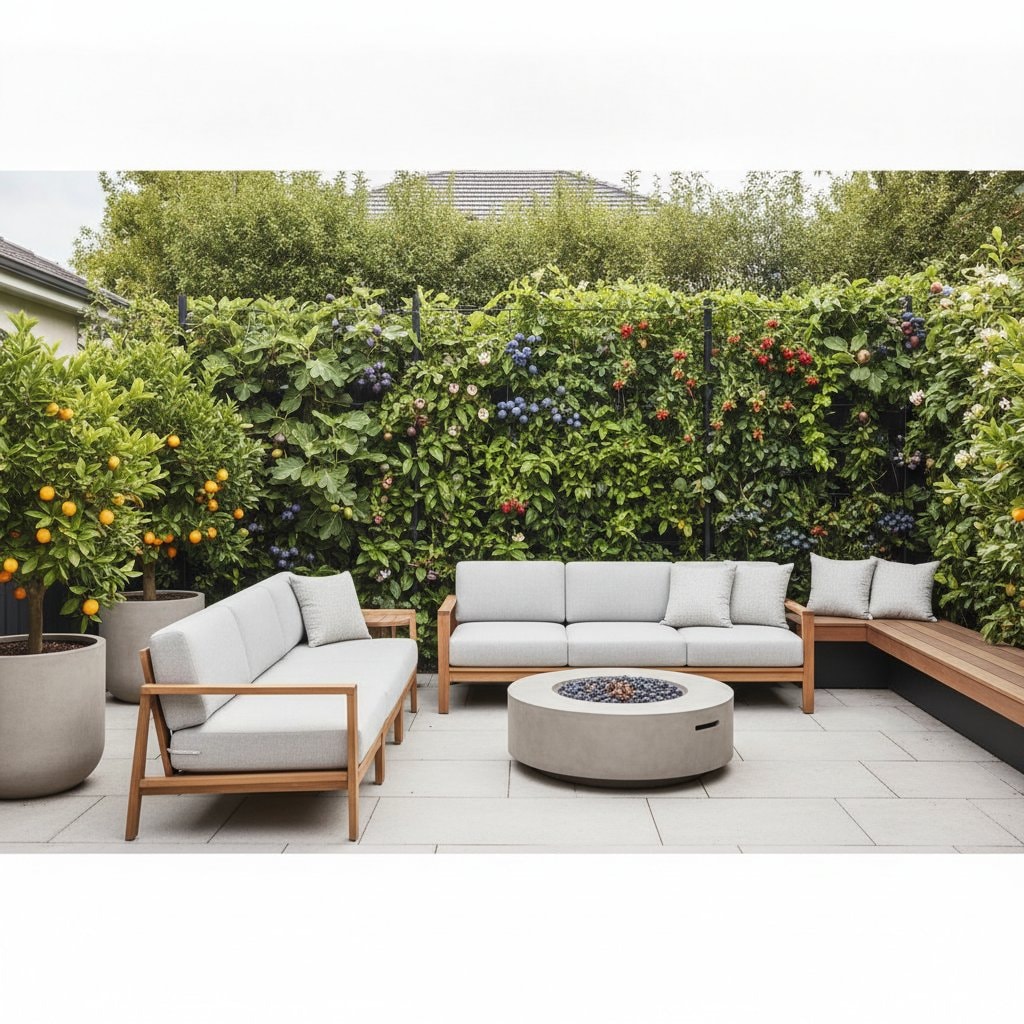
Many homeowners seek more privacy in their yards while also desiring productive landscapes. Fruit-bearing hedges meet both needs by forming living screens that deliver seclusion along with seasonal harvests. These plantings combine beauty, function, and ecological value when selected and maintained with care.
Assess Your Site Conditions
Walk the perimeter of your property and note sun exposure, soil drainage, and prevailing winds. Identify specific areas where screening is needed, such as along property lines or near patios. Record these observations to match plants with suitable growing conditions.
Fruiting shrubs and small trees create dynamic barriers. They produce spring flowers, summer or autumn fruit, and colorful foliage that changes with the seasons. Proper plant selection turns a simple hedge into both a visual screen and a food source.
Select Suitable Fruit-Bearing Plants
Choose species based on your climate zone, soil pH, and light availability. The following options perform reliably in many regions.
- Blueberries form dense hedges two to four feet tall. Their leaves turn red in autumn, and the berries ripen in midsummer. These plants require soil pH between 4.5 and 5.5 along with consistent moisture.
- Aronia shrubs reach six to eight feet and produce white spring flowers followed by dark berries suitable for preserves. They adapt to varied soils and require minimal pruning once established.
- Serviceberries grow as large shrubs or small trees up to fifteen feet. White blooms appear early, followed by sweet fruit that ripens in early summer. Netting may be necessary to protect the crop from birds.
- Currants and gooseberries tolerate partial shade and form thick barriers four to six feet high. Their berries mature in early summer and suit jams or fresh eating.
- Figs create broad-leaved screens in warmer climates. They reach ten to fifteen feet and yield sweet fruit from late summer into autumn when pruned to maintain density.
Prepare the Planting Area
Measure the length of the intended hedge and space plants according to their mature widths so branches will touch at full size. Remove existing grass and weeds, then loosen soil to a depth of twelve inches. Incorporate two inches of compost throughout the bed.
Install drip irrigation or soaker hoses along the row before planting. Apply a three-inch layer of wood-chip mulch after planting to conserve moisture and suppress weeds.
Maintain the Hedge Through the Seasons
Water established plants with one inch of water weekly during dry periods. Prune immediately after harvest to shape the hedge and stimulate new growth. Remove dead or crossing branches to improve air circulation.
Apply an organic fertilizer matched to each species once in early spring. Blueberries benefit from formulations for acid-loving plants. Clear fallen leaves and fruit regularly to reduce pest habitat.
Monitor foliage color and fruit production each year. Yellow leaves often indicate nutrient imbalance or watering issues that can be corrected through soil testing and adjusted care.
Integrate the Hedge Into Your Landscape
Position the planting to frame garden beds, soften fence lines, or enclose seating areas. Combine two or three species to extend bloom times and vary heights. Blueberries planted behind low-growing herbs create layered interest while supporting pollinators.
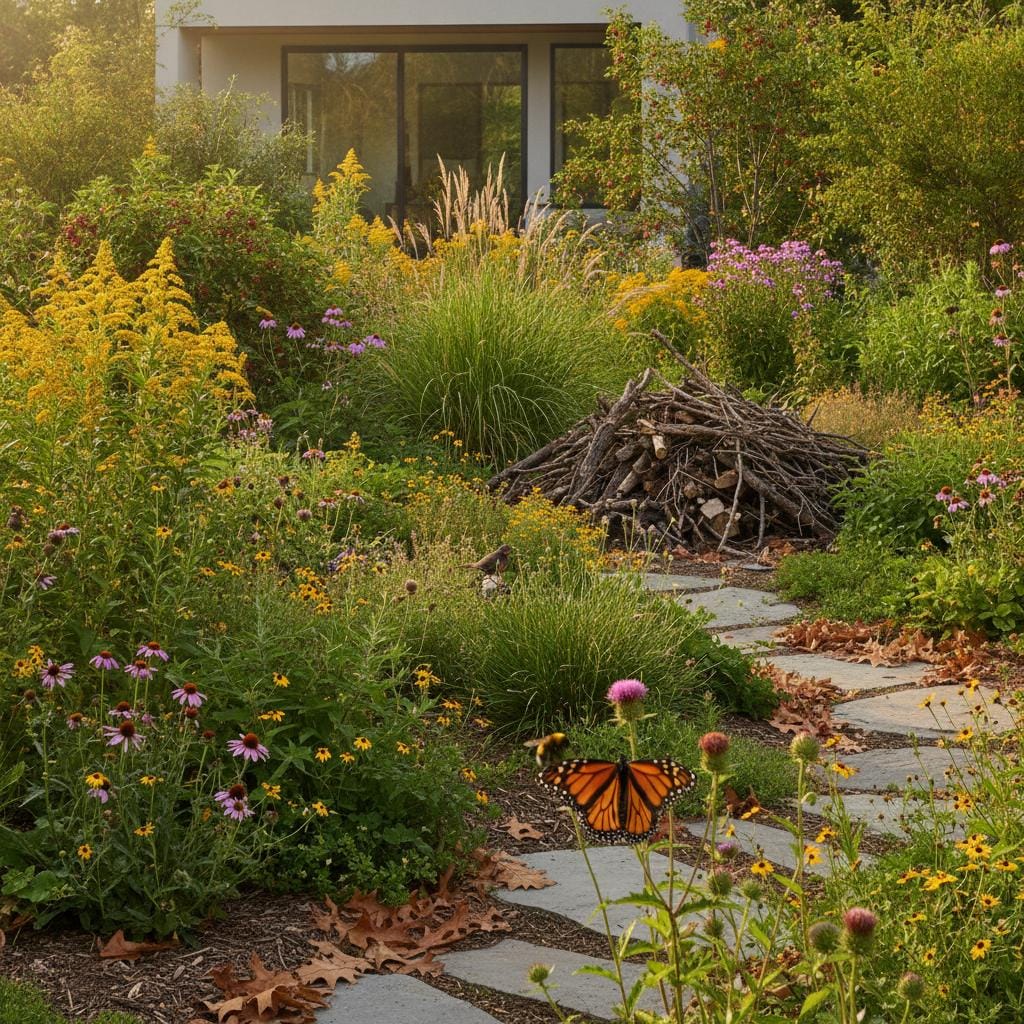
The resulting habitat attracts bees, butterflies, and birds throughout the growing season. This approach yields household produce while strengthening local biodiversity.
Observe Long-Term Benefits
A mature fruiting hedge alters the character of outdoor space by reducing noise and creating sheltered microclimates. Daily observation reveals how the planting responds to weather patterns and care routines.
Continue seasonal pruning, soil amendment, and irrigation adjustments. These practices sustain productivity and visual density for many years. The hedge becomes a reliable source of privacy and fresh fruit that improves with age.