Why Rewilding Beats Perfect Lawns
Many homeowners gaze at their yards and sense fatigue from perpetual mowing, edging, and maintenance. That pristine lawn, once a source of pride, now resembles an obligation rather than a pleasure. Individuals increasingly seek a more dynamic alternative, one that pulses with activity, scent, and natural cadence: rewilding.
Rewilding invites nature to assume the primary role, with subtle human guidance. This practice supplants the notion of flawlessness with active involvement. Rather than imposing rigid standards of tidiness, rewilding permits plants, soil, and wildlife to flourish in equilibrium. The outcome appears not as disorder but as a rich, multifaceted environment teeming with vitality.
Understanding Rewilding
Rewilding a yard involves reinstating ecological variety, even within confined areas. This approach demands neither vast expanses nor comprehensive redesign. It entails fostering environments where indigenous plants, pollinators, birds, and soil life persist without frequent disruption.
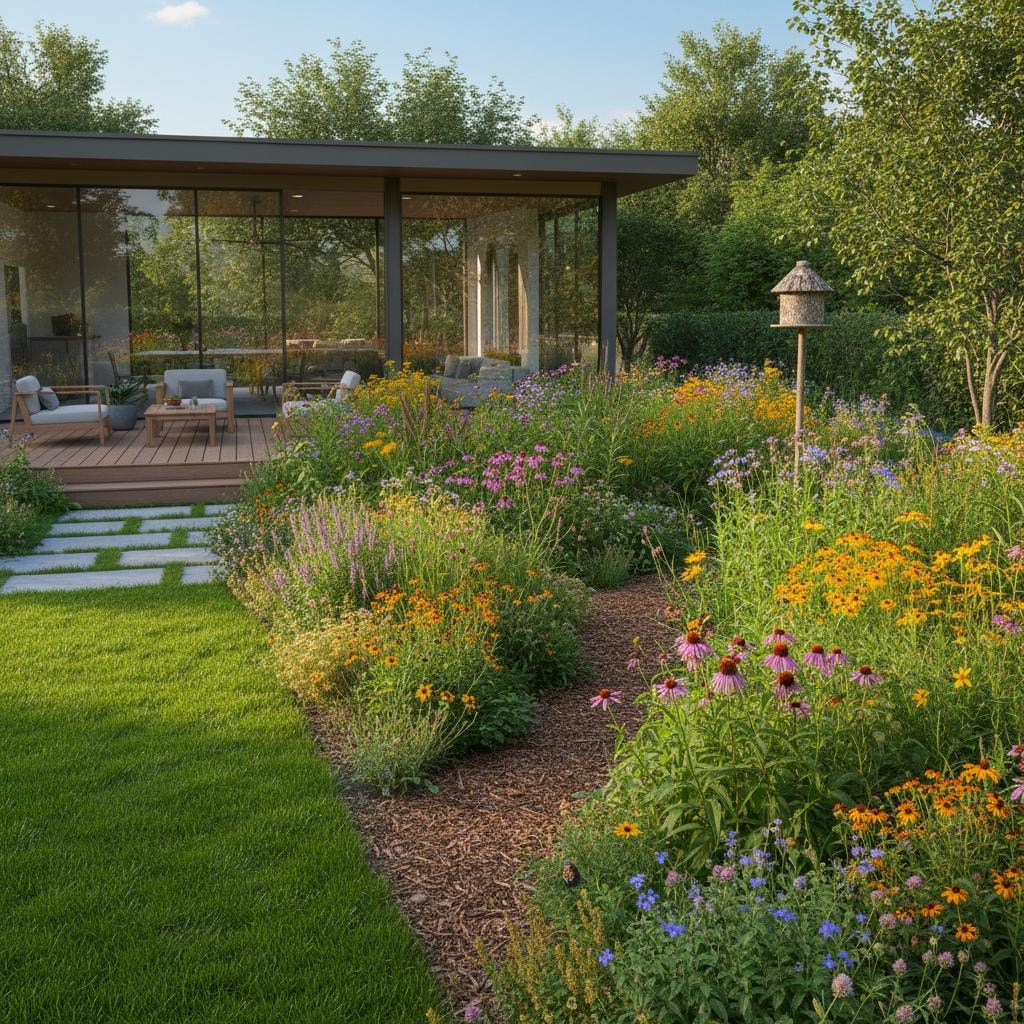
In such a garden, grass coexists alongside clover, wildflowers, or moss. Boundaries blur gently. Butterflies reappear. The atmosphere shifts, buzzing faintly with insect activity and the whisper of foliage. This equilibrium yields seasonal beauty.
A manicured lawn typically relies on synthetic chemicals, excessive irrigation, and regular clipping. Beneath its orderly facade lies eroded soil and diminished habitats. Rewilding counters this by welcoming natural elements.
Step One: Assess Your Space
Commence with a deliberate stroll through the yard. Observe zones where moisture accumulates or where earth remains arid. Identify vegetation that prospers with minimal intervention. These observations serve as indicators.
The terrain reveals its preferences when examined attentively. Initiate in a single zone, such as an overlooked corner. Monitor spontaneous growth. This phase emphasizes observation over immediate alteration.
Consider these inquiries:
- Which locations suit indigenous blooms or bushes?
- Where might mowing cease to permit taller grasses?
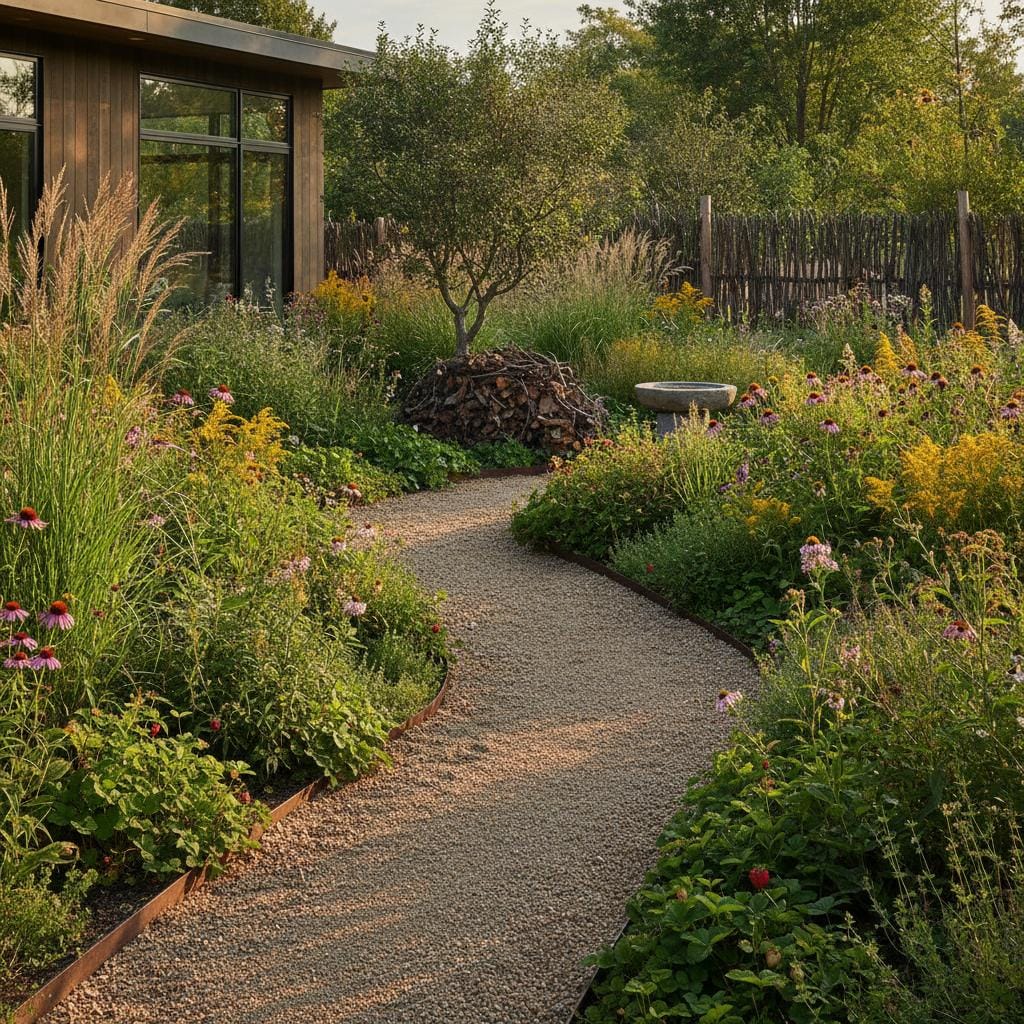
- Can a modest stack of branches or a log nook accommodate helpful insects?
This initial evaluation prioritizes perception, informing subsequent choices.
Step Two: Select Indigenous Plants
Selecting native species forms the core of rewilding. Native plants thrive in local conditions, adapting to regional soil, precipitation, and climate without supplemental support. They sustain area-specific birds and pollinators co-evolved with them.
Plan for vertical strata. A robust wild garden features low-lying covers, intermediate blooms, and elevated shrubs or trees. Each tier offers refuge and sustenance to diverse organisms.
Recommended options include:
- Native grasses like little bluestem or switchgrass, which provide form and sway.
- Wildflowers such as coneflower, bee balm, and black-eyed Susan, delivering hue and nectar.
- Shrubs including serviceberry or viburnum, yielding fruit and perches.
Introduce varieties gradually, one group per season, and evaluate their integration. Gradually, they form an organic mosaic brimming with energy.
Step Three: Embrace Imperfection
This phase presents the greatest challenge. Society has conditioned people to equate immaculate lawns with achievement. Precise borders and clipped turf convey mastery. Rewilding redefines esteem, valuing asymmetry, varying elevations, and temporal shifts.
Embracing imperfection differs from abandonment. It requires reinterpreting garden signals. Clover patches indicate fertile ground. Accumulated leaves conserve hydration and harbor insects. Sparse areas signify evolution.
Should neighbors inquire about the untamed aesthetic, articulate the intent. Describe how the yard bolsters pollinators, conserves resources, and minimizes toxins. Comprehension often fosters appreciation for such initiatives.
Step Four: Invite Wildlife Subtly
Suitable habitats draw wildlife organically, yet enhancements accelerate arrival. Position a saucer of water topped with pebbles to serve as a hydration station for bees and butterflies. Assemble a compact heap of twigs or foliage to shelter amphibians and beetles.
Eschew pesticides and herbicides, as they endanger targeted species. Tolerate minor grazing and humming as indicators of harmony. Avian visitors consume numerous pests, while vigorous soil bolsters resilient flora.
Rewilded spaces cultivate profound bonds. Observing a goldfinch alight on a seed stalk or a bumblebee orbit a blossom underscores communal tenancy. The area evolves from possession to collaboration.
Step Five: Sustain Mindfully
Rewilding diminishes upkeep yet retains purposeful oversight, executed with restraint.
- Mow judiciously. Maintain trails or edges to demonstrate design, allowing other regions to extend.
- Weed selectively. Extract domineering intruders that overshadow natives, preserving supportive wild growth for insect aid.
- Prune sparingly. Shape bushes solely for aesthetics or security.
- Irrigate prudently. Established natives seldom require additional moisture.
View upkeep as dialogue rather than dominance. Adapt to the garden's cues as its dynamics evolve.
Environmental and Personal Benefits
Rewilding transcends aesthetics, forging reconnection with overlooked cycles. Homeowners discern returning vitality: softened earth, amplified avian chorus at dawn.
These subtle triumphs surpass any groomed turf's transient polish. A rewilded domain pulses daily, imparting endurance and reverence.
On a broader scale, indigenous flora sequester carbon, purify runoff, and generate cooling pockets. They curtail irrigation and chemical demands, yielding financial and temporal savings. Each transformed yard advances collective ecological health.
Initiate and Observe Progress
To begin, target a modest portion. Substitute a grass segment with native perennials or grasses. Incorporate stones or timber for dimension. Life responds swiftly.
Document via notebook or images to track shifts. Witness self-propagating plants, incoming insects, and emerging equilibrium. The yard matures into a compact biome, rich in unpredictability and motion.
This outdoor haven may influence indoor serenity. The expanse shifts from task to encounter, aligning with personal cadences of expansion and repose.
Sustaining a Thriving Ecosystem
As rewilding establishes, oversight transitions to attentiveness. Reduced clipping, hydration, and concern yield compounding gains: increased lepidoptera, enriched soil tones, self-seeding wildflowers.
Through cycles, discern symbiotic pairings and spatial preferences. Note avian nesting in select shrubs and recurring bee visits to blooms. This method nurtures forbearance and inquiry, elevating gardening proficiency.
While a pristine lawn garners nods for order, a rewilded haven elicits acclaim from nature. It serves as sanctuary for fauna and humans alike, affirming that significance arises without imposition.