Rewilding Lawns: The Advantages of Meadows Over Grass
Homeowners often gaze at their lawns and sense a mix of obligation and exhaustion. Patchy areas may appear, or the grass flourishes yet requires perpetual mowing, irrigation, and fertilization. This conflict between a neat appearance and a desire for vitality propels many toward rewilding, which restores equilibrium rather than following fleeting fashions. Transforming a lawn into a meadow reintroduces natural elements, converting routine chores into meaningful interactions and uniformity into dynamic energy.
Evaluating the Reality of Your Lawn
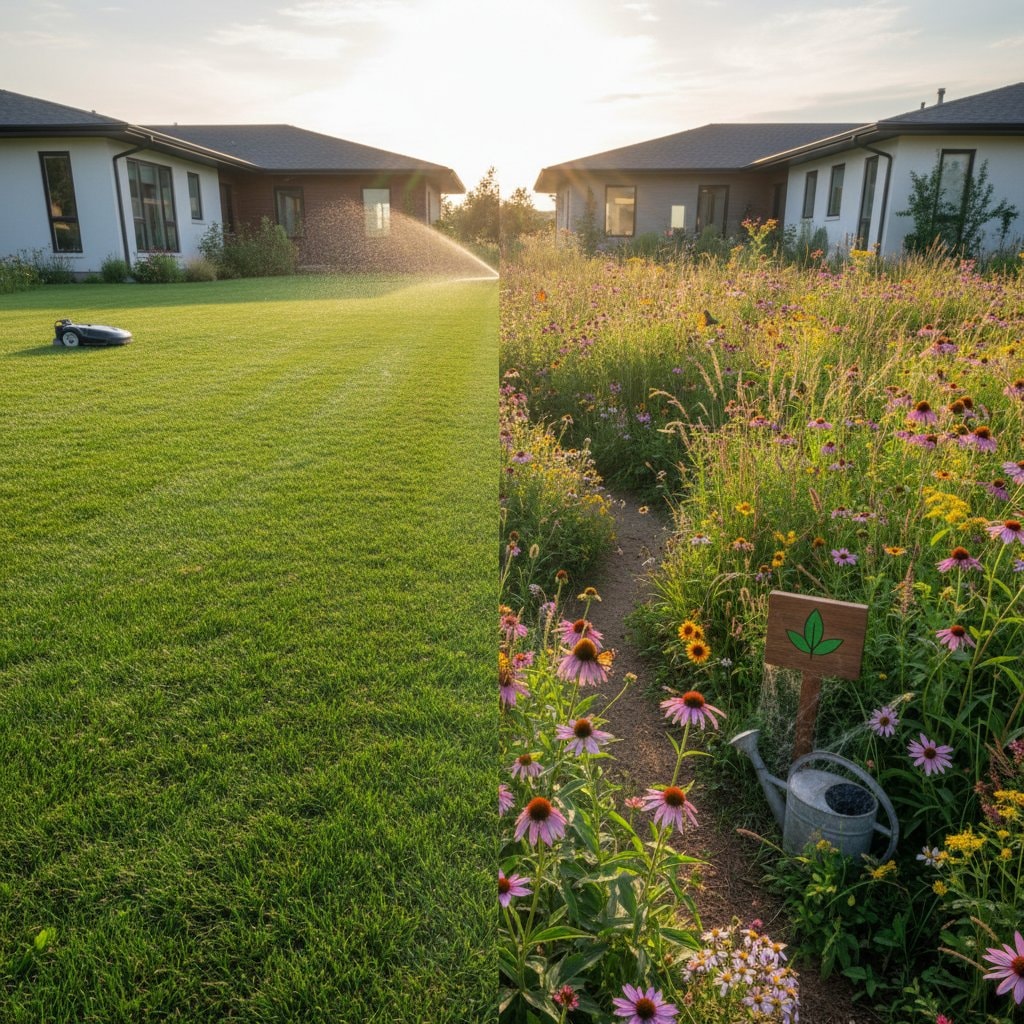
The traditional lawn represents tidiness and effort, yet it proves resource-intensive, barren, and labor-heavy. Observe the scarcity of life: birds may visit briefly, but insects seldom persist, while compacted soil and shallow roots rely on ongoing chemical support. A rewilded meadow shifts this dynamic entirely. It buzzes with pollinators, sways gently in breezes, and evolves through seasonal hues, fostering a sense of controlled vitality rather than disorder.
Defining Rewilding in Practice
Rewilding involves intentional stewardship, not abandonment, allowing native vegetation to reclaim dominated areas and revive suppressed natural cycles. A meadow integrates grasses, wildflowers, and forbs that flourish with minimal intervention, developing extensive root systems that nourish pollinators and improve soil structure over time. Envision it as a compact wildlife sanctuary adjacent to your home, emphasizing variety over uniformity. Plants like nitrogen-fixing clovers and late-blooming goldenrods each contribute to a self-regulating community that enhances the surrounding ecosystem.
Preparing Your Site for Transformation
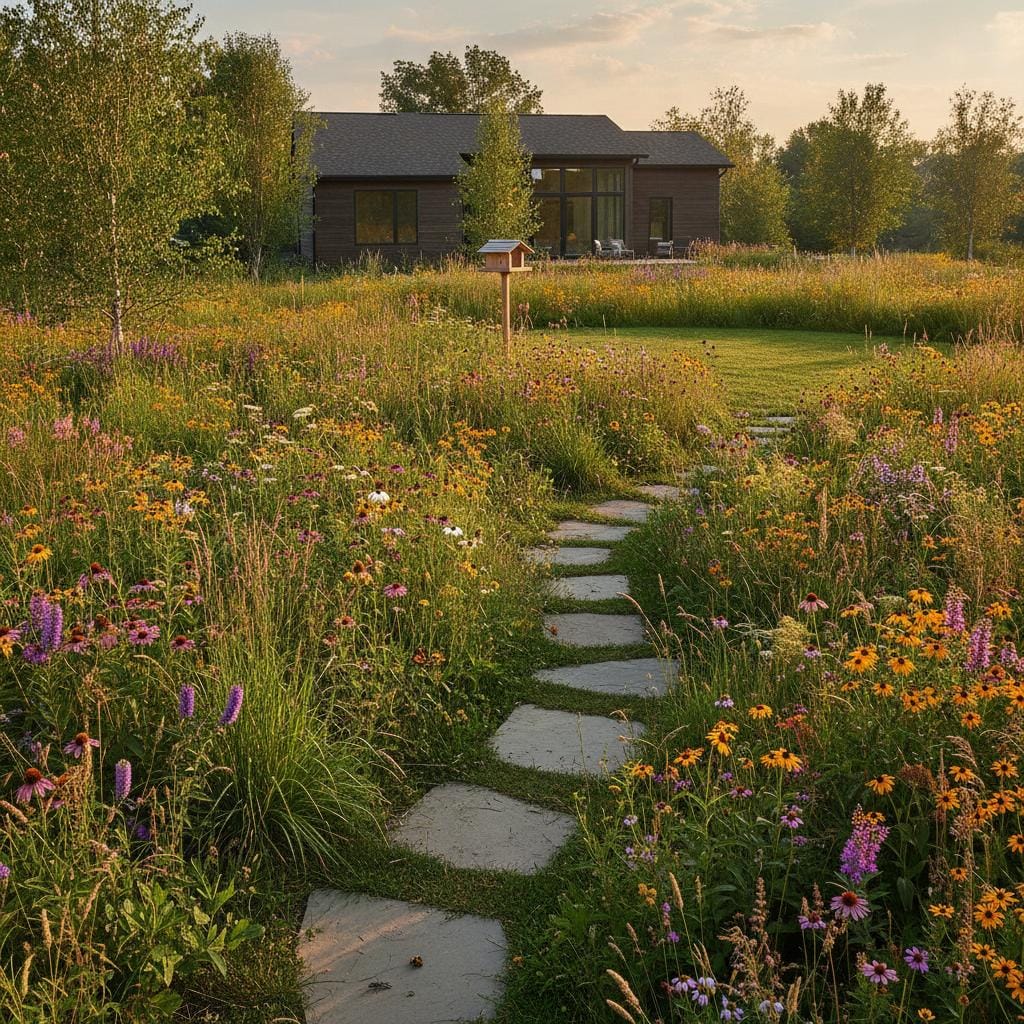
Examine your yard thoroughly before initiating changes: identify sun exposure patterns, drainage tendencies, and soil composition through simple tests like digging a small hole to check texture and moisture retention. For compacted ground from prolonged mowing, employ a broadfork or core aerator to alleviate pressure and promote root penetration. Designate zones for mowed paths or seating areas to maintain accessibility, recognizing that even partial conversion yields benefits. A modest section can establish seasonal interest and habitat value, gradually expanding as confidence builds.
Designing a Thriving Meadow Layout
Strategic planning ensures your meadow integrates seamlessly and adapts to local conditions. Select natives suited to your region, such as little bluestem or switchgrass for structure, paired with perennials like purple coneflowers, black-eyed Susans, and common milkweed for color and nectar. Sequence blooms for continuous appeal: early spring options like wild columbine sustain initial foragers, midsummer varieties such as bee balm maintain momentum, and autumn selections like asters offer late resources. This progression not only sustains biodiversity but also delivers evolving visual textures, from soft greens to vibrant displays, keeping the landscape engaging year-round.
Initiating the Conversion Process
Two primary methods suit different preferences: passive succession by ceasing mowing to permit natural regrowth, or active establishment through seeding or transplanting plugs for directed outcomes. The passive route reveals unexpected hardiness and aesthetics, though initial weed suppression may require vigilance; active methods provide predictability and faster establishment. For seeding, remove sod in targeted areas using a sod cutter or solarization with clear plastic for two to four weeks, then broadcast a diverse native mix at the recommended rate, rake lightly to ensure soil contact, and irrigate sparingly until germination occurs. Initial growth focuses underground, so anticipate modest surface changes in year one, with robust flowering by years two or three.
Maintaining Meadow Health Over Time
Early establishment demands targeted support to favor desired species. Hand-pull invasive weeds weekly during the first growing season to prevent competition, and perform a single annual mow to six inches after seed set in late fall, which recycles organic matter and curbs shrub encroachment. Refrain from synthetic fertilizers or pesticides, as they disrupt microbial communities and beneficial insects; instead, rely on natural processes where deepened roots enrich soil and predators regulate pests. As the meadow matures, interventions dwindle, evolving into a low-input feature that rewards observation.
The Enduring Benefits of Meadow Living
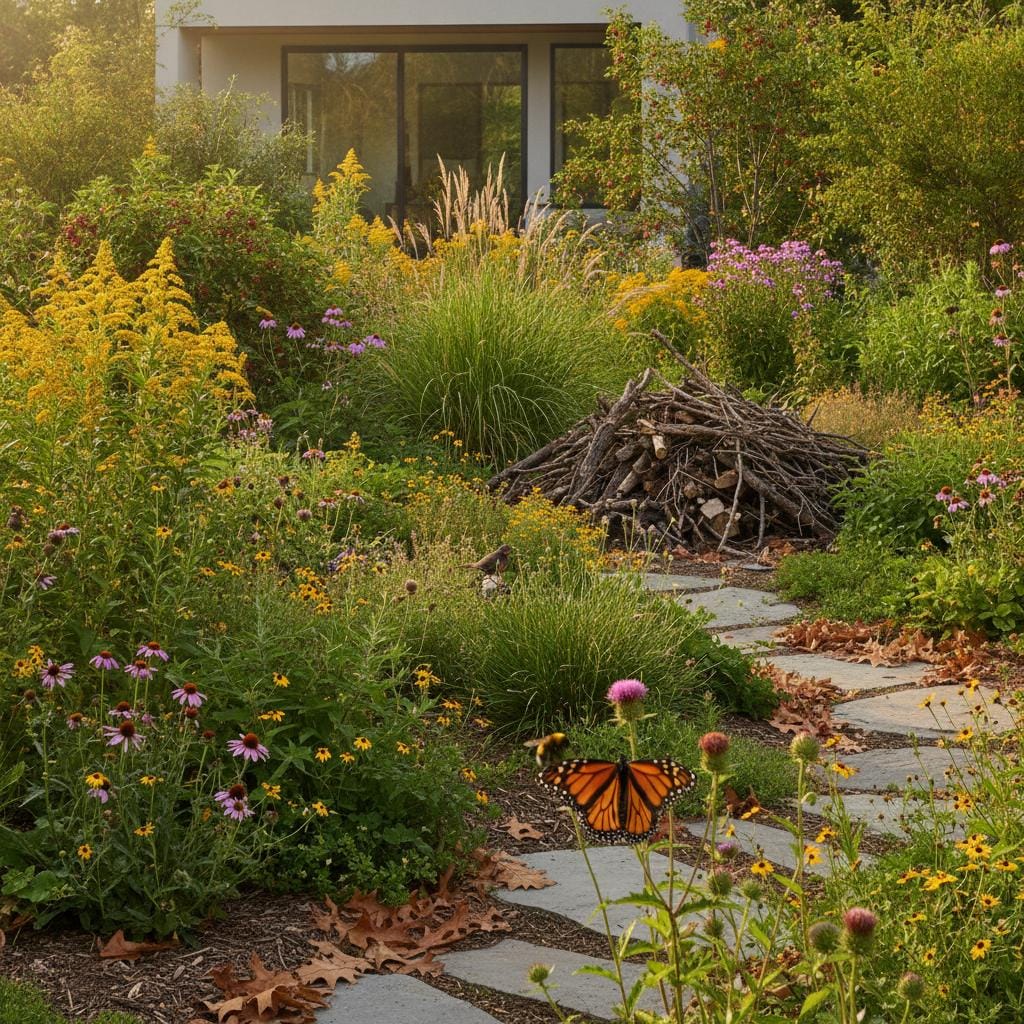
A meadow redefines yard interaction, shifting from confrontation to appreciation. Daily encounters reveal intricate details: pollinators foraging amid blooms, birds harvesting seeds, and morning light illuminating dew-kissed foliage. These observations foster a sense of integration with the environment. Beyond personal enjoyment, meadows contribute broadly by absorbing stormwater, minimizing erosion, and sequestering carbon through robust root networks, while sustaining pollinators essential for regional agriculture and gardens.
From a practical standpoint, meadows deliver efficiency. Reduced mowing eliminates equipment wear and fuel use, freeing hours for leisure. Established natives withstand drought, slashing irrigation needs and utility costs. Long-term, this approach yields aesthetic richness alongside operational simplicity, proving a worthwhile investment in both ecology and convenience.
Adapting Rewilding to Your Lifestyle
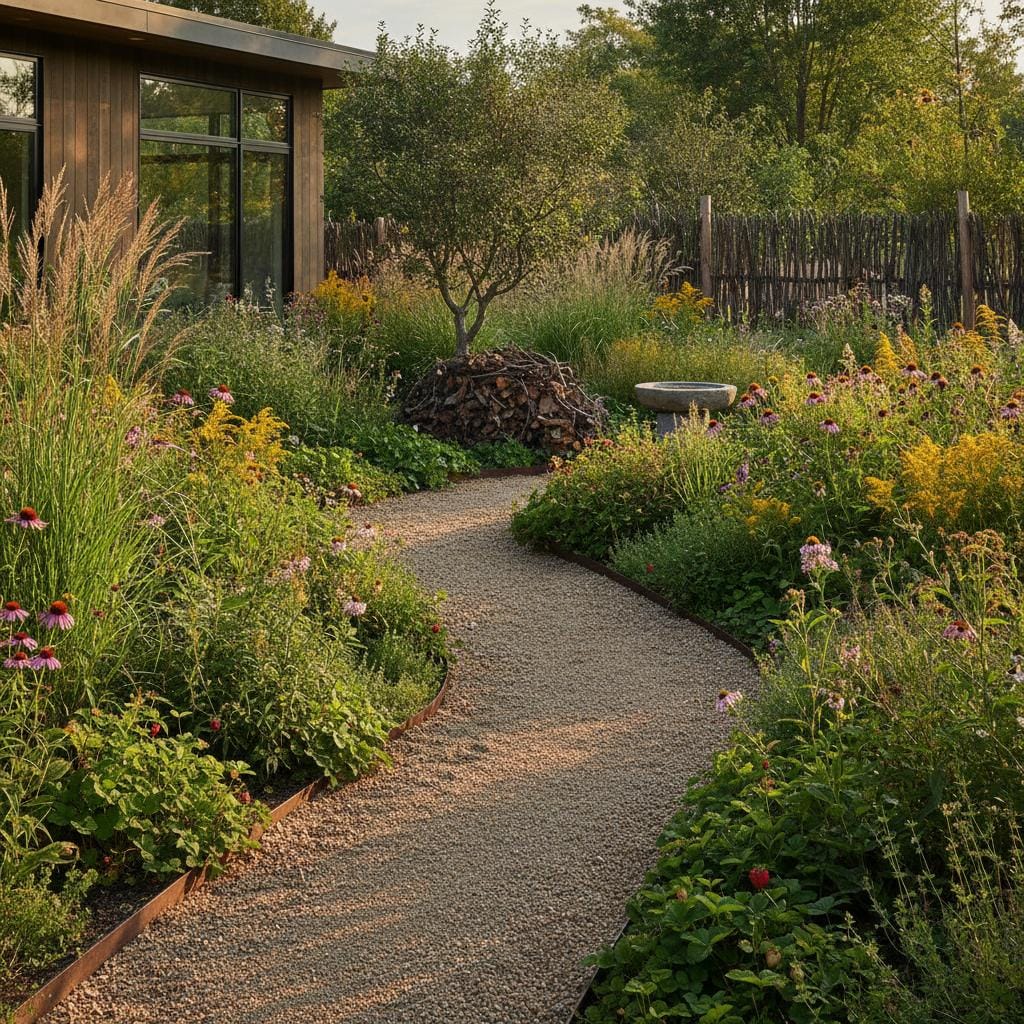
Tailor the project to your property's character and preferences. Begin with a low-commitment trial, such as a border along a property line or a shaded nook under trees, monitoring progress before scaling up. Incorporate crisp borders via edging tools or integrate mowed corridors to blend formality with wildness, signaling deliberate design to observers. For structured appeal, enclose with mulch paths or dwarf evergreens; for organic flow, permit gentle expansion. Rewilding accommodates diverse visions, prioritizing the land's revitalization above rigid templates.
Embracing Seasonal Evolution
As your meadow develops, it unveils ongoing transformations that deepen your bond with the space. Spring emerges with tender greens and initial blooms, summer unfolds in full vibrancy, and autumn settles into seed-laden warmth. This cyclical beauty positions the yard as an enduring ally, not a burden, inviting sustained wonder and stewardship.