Rewilding with Low-Mow Meadows: Bringing Nature Back to Your Backyard
Many homeowners gaze at their manicured lawns and sense untapped potential. The routine of frequent mowing often drains time and energy, while the absence of butterflies and birds diminishes the vibrancy of the space. A rising number of people now embrace rewilding through low-mow meadows, shifting perspectives on residential landscapes toward greater ecological harmony.
Rewilding involves intentional design rather than neglect. It fosters environments where native flora, essential pollinators, and human inhabitants coexist. Low-mow meadows strike a balance between wild aesthetics and structured appeal, allowing reduced upkeep, enhanced biodiversity, and a renewed bond with the surrounding ecosystem.
Planning Your Low-Mow Meadow
Effective meadows start with thoughtful preparation. Select a modest area initially to test suitability for your local climate and soil type. Target spots receiving at least four to six hours of sunlight daily, with soil that drains adequately to prevent waterlogging.
Follow these structured steps for planning:
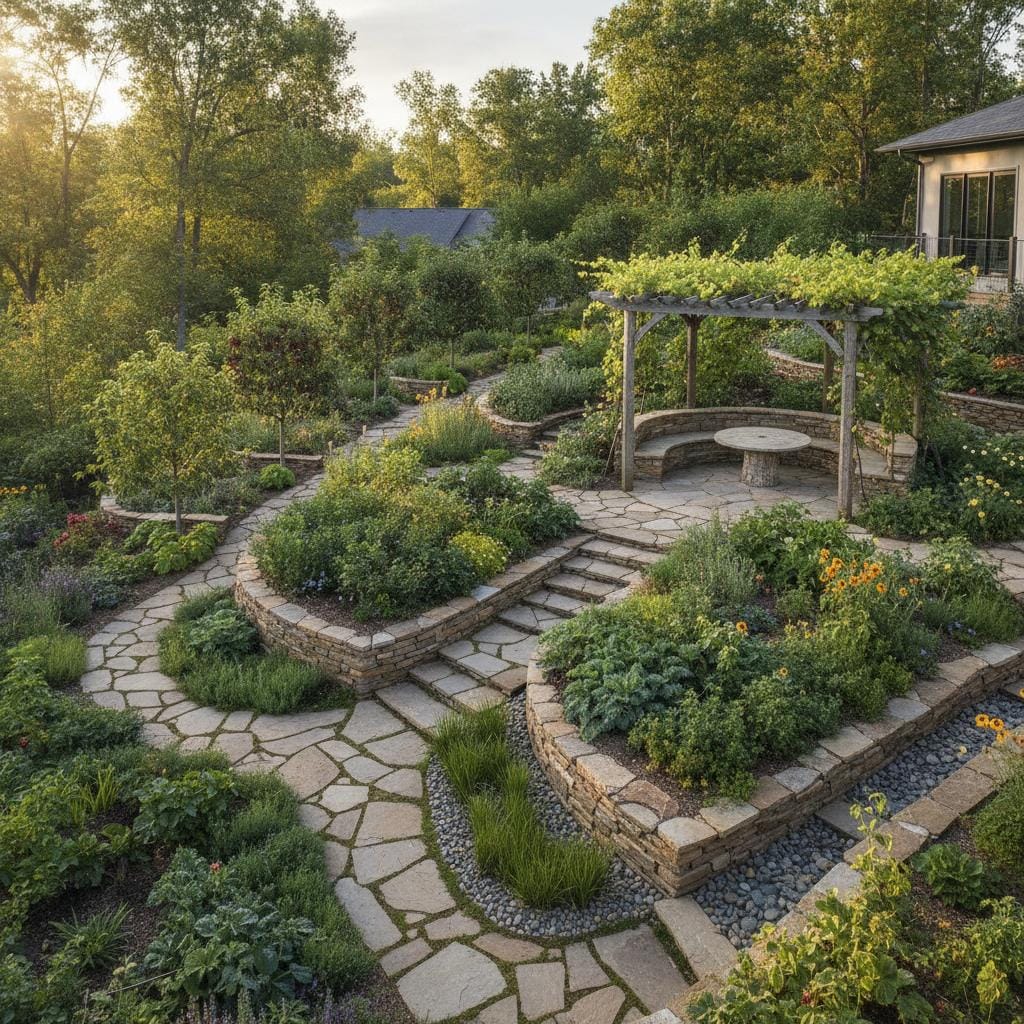
- Establish boundaries. Incorporate existing features such as stone paths, wooden fences, or raised garden beds to delineate the meadow. These elements create a polished perimeter that signals deliberate design.
- Select appropriate seed varieties. Opt for regional native blends, such as those featuring prairie dropseed grass or black-eyed Susan wildflowers for temperate zones. Consult local extension services for mixes adapted to your USDA hardiness zone.
- Amend the soil base. Eliminate current grass by layering wet newspaper or cardboard topped with two inches of compost, or use a sod cutter for shallow removal. Allow two to four weeks for decomposition before seeding.
- Plant and establish growth. Broadcast seeds at a rate of one to two pounds per 1,000 square feet, rake lightly to cover, and irrigate gently to maintain even moisture for the first two weeks. Germination typically occurs within 10 to 21 days.
Low-mow meadows develop gradually. Initial growth may appear sparse, but subsequent seasons reveal increasing diversity in height, color, and form. Embrace this progression as an integral aspect of the endeavor.
Finding Beauty in the Wild
Low-mow meadows can integrate seamlessly into landscaped yards without appearing unkempt. Strategic elements provide structure amid the natural flow. Thoughtful additions elevate the visual and functional appeal.
Incorporate these enhancements:
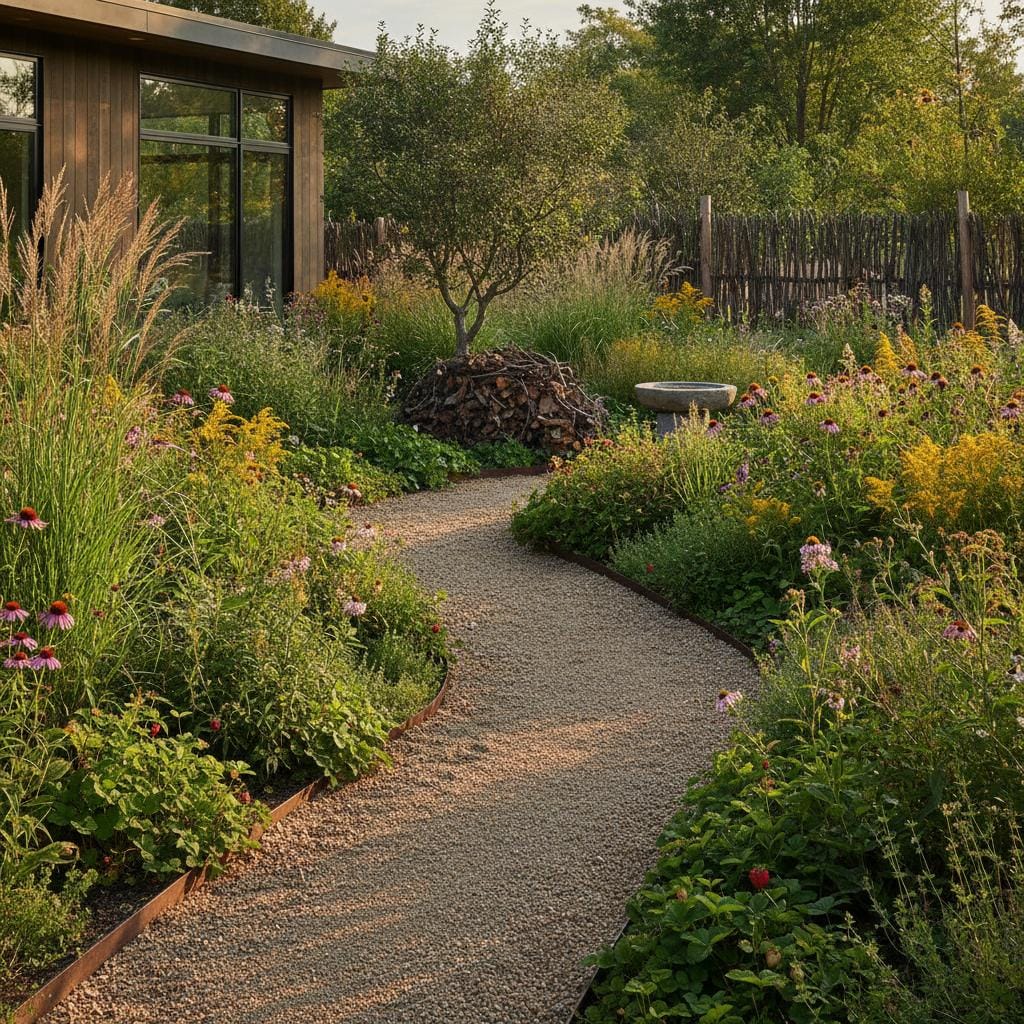
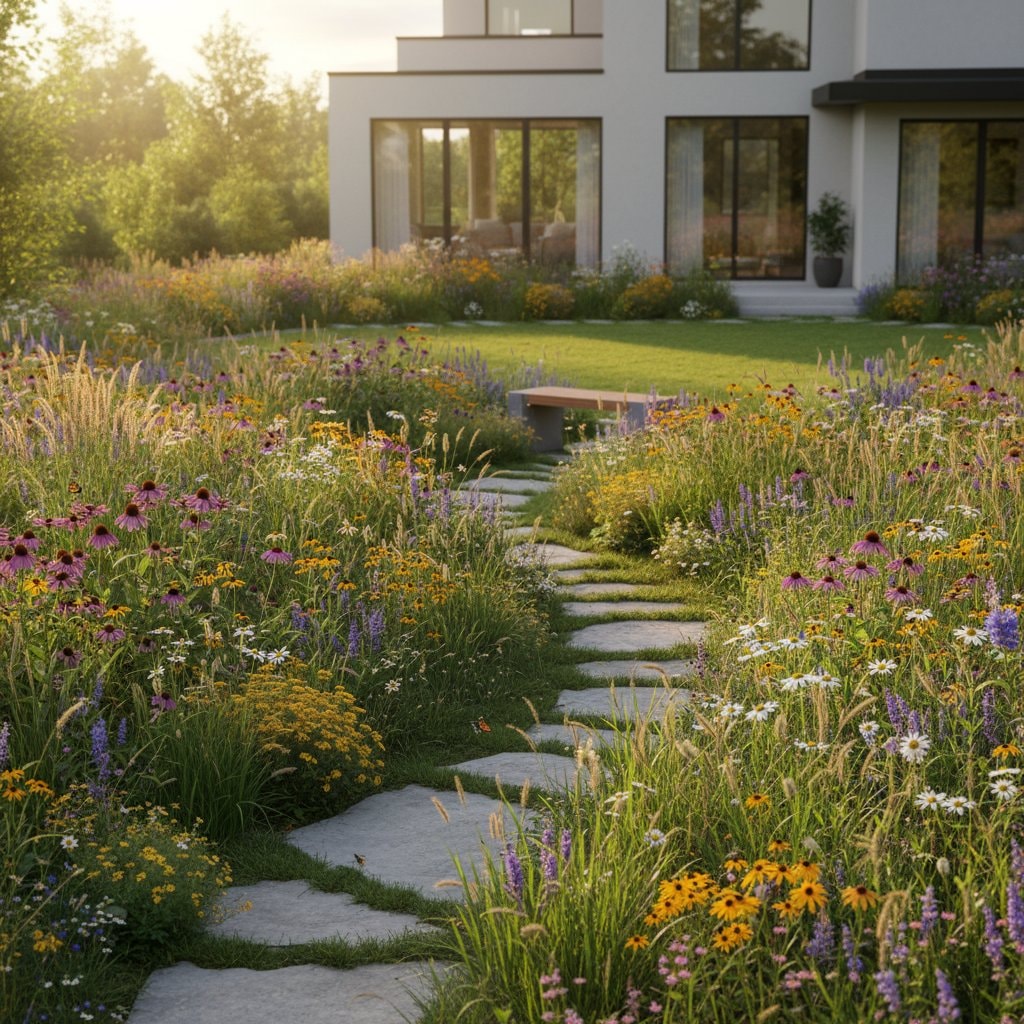
- Create accessible paths. Maintain a one-foot-wide mowed trail winding through the meadow. This feature encourages movement and highlights the area's curated nature.
- Install central features. Position a weathered boulder, solar-powered fountain, or young native shrub like serviceberry as a visual anchor to draw the eye.
- Plan seasonal succession. Include early bloomers such as columbine in spring, summer staples like coneflowers, and fall accents with asters to ensure year-round interest.
The inherent wildness often cultivates tranquility. Gentle breezes through swaying stems, dappled sunlight filtering through foliage, and the subtle sounds of wildlife contribute to a serene atmosphere that invites relaxation.
Keeping the Meadow Thriving
Established meadows require minimal intervention, emphasizing stewardship over dominance. Regular assessment ensures long-term vitality without excessive effort.
Adopt these maintenance routines:
- Perform annual cuts. Mow to a height of four to six inches in late winter or early spring, before new growth emerges. Redistribute the cuttings as a natural mulch to enrich the soil.
- Reintroduce seeds periodically. Scatter additional native mixes every three to five years, focusing on underrepresented species to bolster variety.
- Maintain crisp edges. Trim borders monthly during the growing season with shears or a string trimmer to preserve a neat outline.
- Monitor and amend soil. Test pH annually; apply organic matter like leaf mold if levels drop below 6.0 or compaction occurs from foot traffic.
As years pass, the meadow adapts to site-specific conditions. Certain species may recede while others flourish, resulting in an ever-evolving tapestry that builds resilience against pests and drought.
Embracing the Transformation of Your Meadow
Rewilding rewards those who value gradual change over instant results. Observe the emergence of tender shoots, the arrival of foraging bees, and the graceful arch of maturing blooms as signs of a revitalized ecosystem.
This approach reshapes interactions with outdoor spaces. Tasks like mowing evolve into selective enhancements, while daily observations reveal patterns in blooming cycles and wildlife behaviors. The yard transforms into a dynamic partnership with the environment.
Sustaining a low-mow meadow commits to principles of ecological respect and mindful stewardship. It demands less labor yet yields abundant returns in beauty, sustainability, and personal fulfillment. Allow your landscape to flourish naturally, reclaiming a slice of wilderness that enriches both home and habitat.