Porcelain Pavers Emerge as the Luxury Hardscape Essential
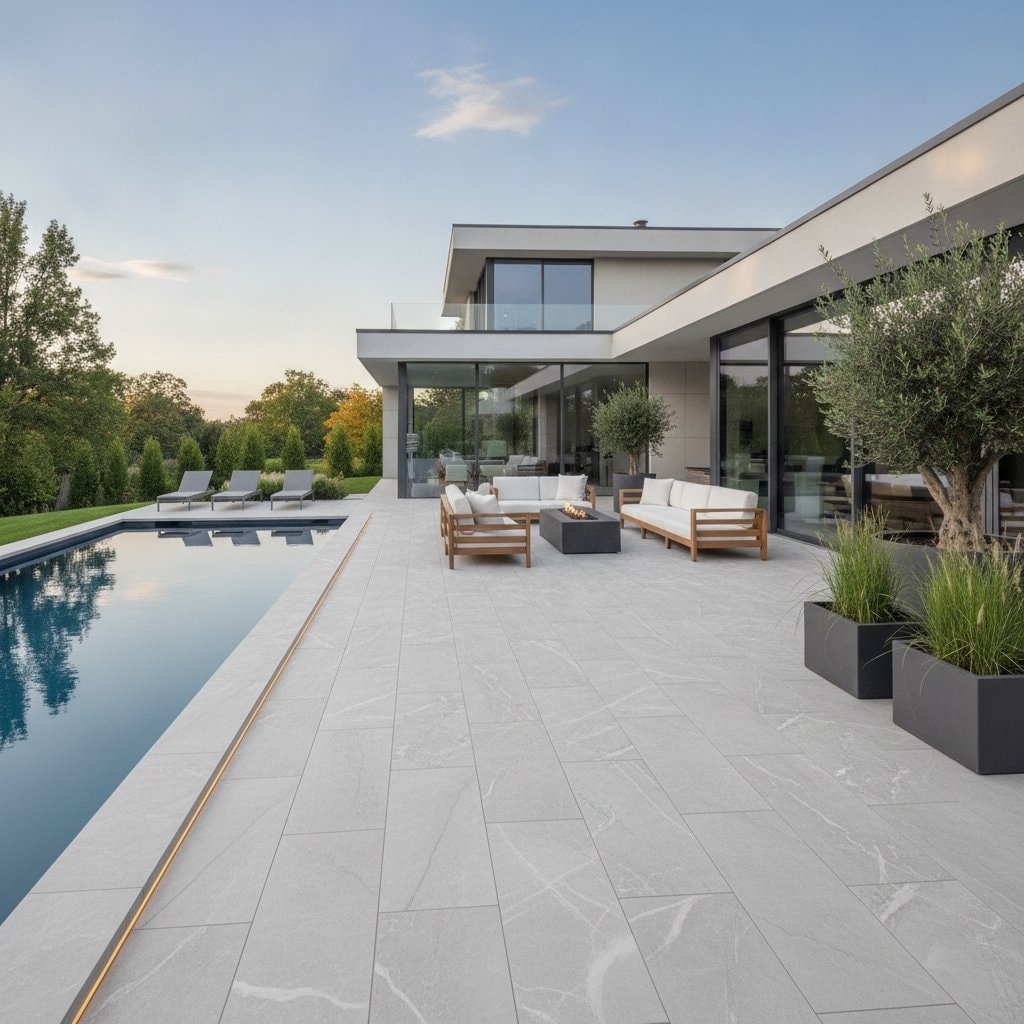
Porcelain pavers are quickly becoming the go to choice for homeowners who want a refined outdoor surface that blends beauty with durability. Once limited to interior flooring, porcelain tiles are now engineered for patios, pool decks, and walkways. Their sleek appearance and long lasting performance make them a standout among premium hardscaping materials.
What Makes Porcelain Pavers Different
Porcelain pavers are made from refined clay fired at very high temperatures. This process produces a dense, non porous surface that resists water absorption and stains. Each paver is typically about three quarters of an inch thick, which allows it to handle heavy foot traffic and outdoor conditions without cracking or chipping.
The color and texture are baked into the material itself, so fading is minimal even in full sun. You can find options that mimic natural stone, wood, or concrete, giving you the look you want without the upkeep those materials often require.
Comparing Porcelain to Other Hardscape Materials
When choosing a paving material, most homeowners compare porcelain with concrete, natural stone, or brick. Each has its place, but porcelain offers a combination of elegance and resilience that is hard to match.
- Concrete: Affordable but prone to cracking and fading over time.
- Natural stone: Beautiful but requires sealing and can be slippery when wet.
- Brick: Durable but limited in color and pattern variety.
- Porcelain: Low maintenance, stain resistant, and uniform in appearance.
While porcelain pavers cost more upfront than concrete, they usually require less long term maintenance. Prices often range from ten to fifteen dollars per square foot installed, depending on the design and base preparation.
Installation and Labor Considerations
Porcelain pavers can be installed in several ways. The most common methods are on a gravel base, over concrete using adhesive, or on adjustable pedestals for raised decks. Because they are dense and heavy, cutting them requires a wet saw with a diamond blade. Many homeowners hire professionals for precision work, especially around pool edges or steps.
Installation time varies with the base and layout. A small patio might take two days, while a large multi level design can take a week or more. Proper base preparation is critical to prevent shifting or uneven joints over time.
Maintenance and Longevity
One of the main reasons porcelain pavers are gaining attention is their low maintenance. They do not absorb water, which means no sealing is needed. Cleanup usually involves a simple rinse or mild soap solution. Even tough stains from food or outdoor furniture can be removed with little effort.
Porcelain resists frost, salt, and mold, making it ideal for all climates. Unlike natural stone, it does not discolor or develop surface residue. With proper installation, you can expect decades of use without noticeable wear.
Style Options for Every Space
Porcelain pavers come in a wide range of finishes. You can choose matte or textured surfaces for slip resistance, or glossy looks for modern patios. Popular sizes include large rectangles and squares that create a seamless, contemporary design. Some homeowners use smaller tiles to form borders or accent paths that add visual interest.
Planning Your Project
If you want an outdoor surface that looks refined, stays clean, and lasts for years, porcelain pavers are worth serious consideration. Start by deciding where you want to use them and measure your space. Compare a few samples in natural light to see how colors and textures appear throughout the day. Work with an installer who has experience handling porcelain, since accurate leveling and spacing are key to a lasting result.
With the right planning and installation, porcelain pavers can transform your patio or pool area into a low maintenance retreat that feels both modern and timeless.