Turn Your Yard Wild: 2026's Trending Messy Gardens
Have you ever looked out at your backyard and felt a mix of nostalgia and fatigue? Maybe you remember when it was neat and freshly mulched, yet now the thought of constant trimming and weeding drains you. You are not alone. Many homeowners are realizing that the picture-perfect yard can feel sterile and exhausting. The newest trend, called the messy garden or rewilded yard, celebrates a more natural, self-sustaining beauty. It invites you to let go of control and rediscover what your land can do when given a little freedom.
This approach is not about neglect. It is about partnership. You still guide your landscape, but you do it with gentler hands and fewer rigid rules. The result is a lively, low-maintenance space that hums with biodiversity and changes through the seasons, all while giving you back your weekends.
Seeing Your Space with Fresh Eyes
Before you touch a single plant, take a slow walk through your yard. Notice where the sun lingers, where rain pools, and where the soil feels dry or compact. These quiet details reveal how your space already wants to grow.
Look for clues of life that may already be returning. A patch of clover, a corner where butterflies gather, or a bit of moss creeping along the path. These signs show that nature is waiting for a chance to take over again.
Ask yourself what you want your yard to feel like. Do you want tall grasses that move in the wind, or a meadow filled with blooms and bees? Do you picture quiet shade or open sunny patches? Your answers will guide the choices you make later.
Planning the Wild Look
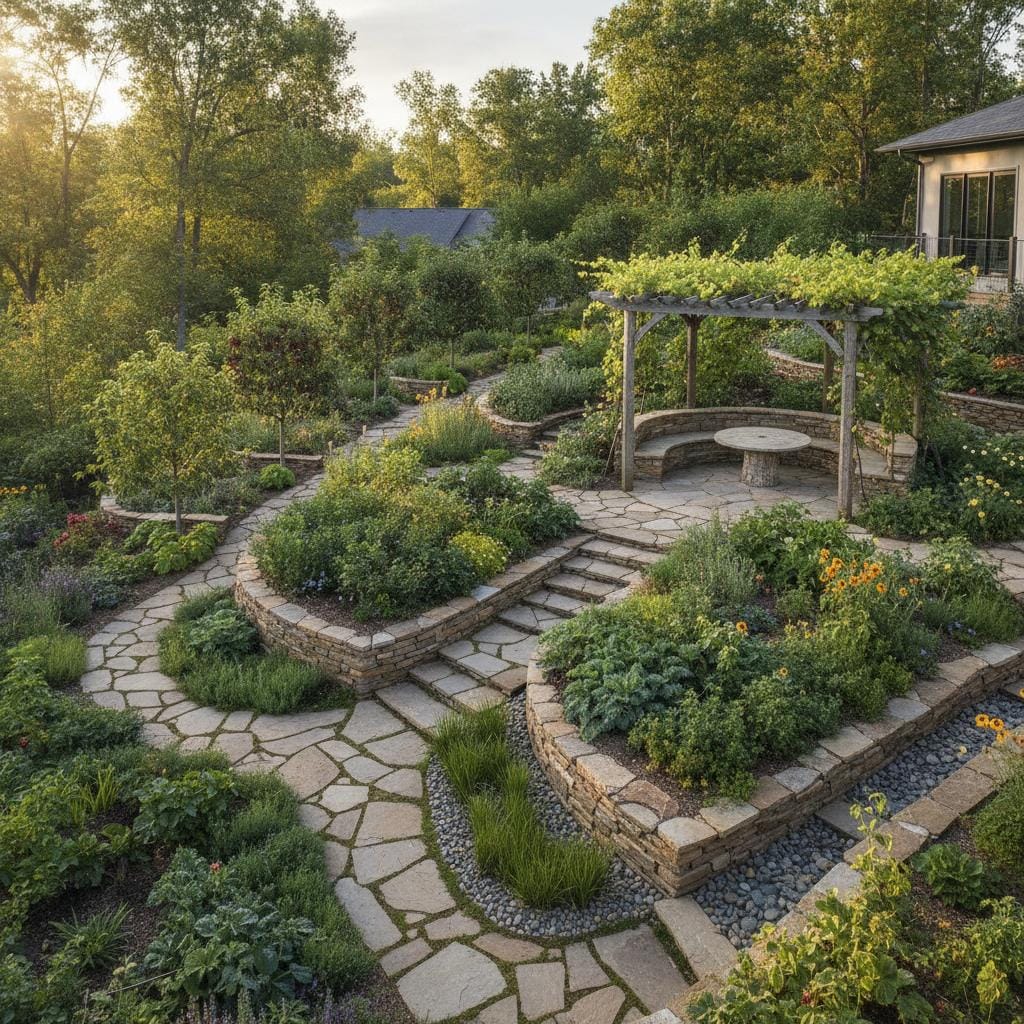
Even a wild garden benefits from a bit of thoughtful planning. The secret is structure. Start by dividing your yard into zones based on how you use it. Maybe you keep a clear space for sitting or dining, then let the edges grow more freely. This balance between order and abandon helps the space feel intentional rather than overgrown.
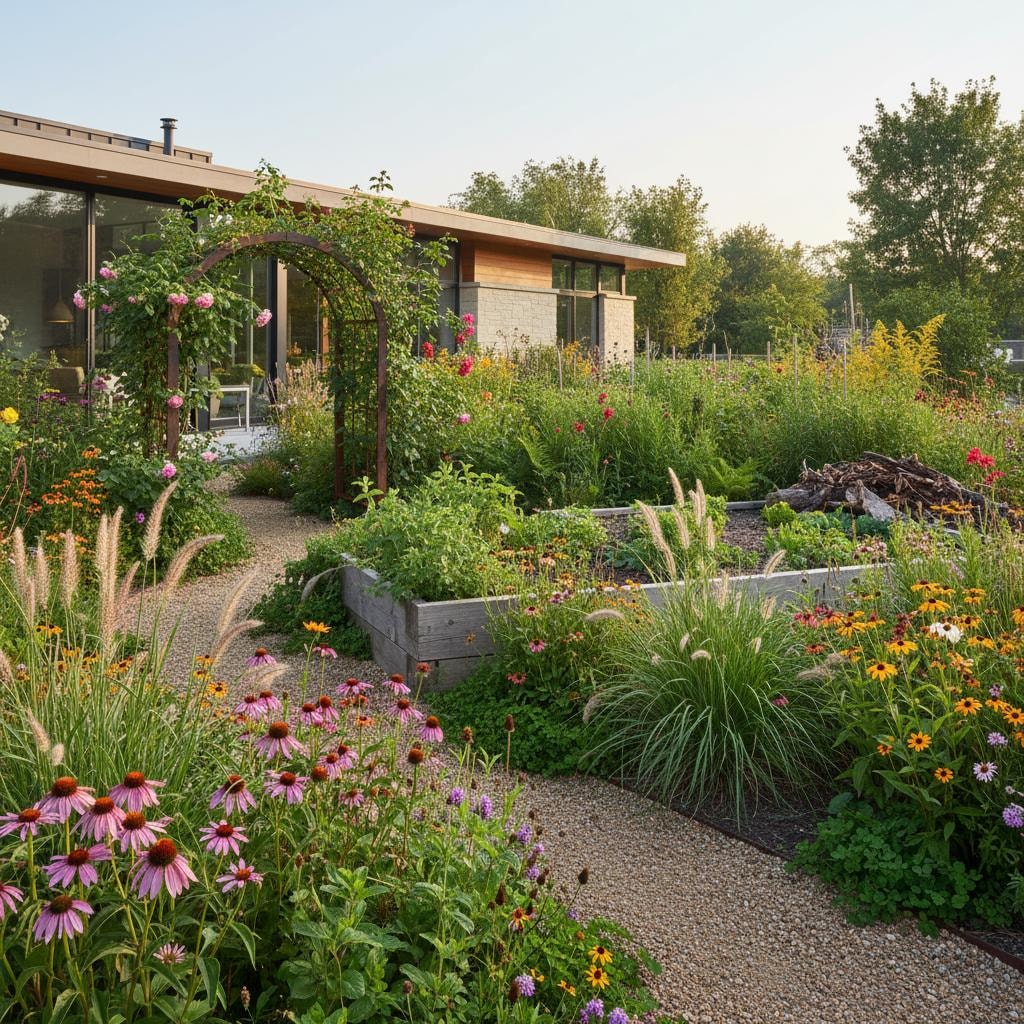
Choose plants that thrive naturally in your region. Native species adapt to local weather and soil, which means less watering and fewer pests. They also feed local pollinators and birds that have evolved to depend on them. A mix of native grasses, wildflowers, and shrubs can create texture and depth while staying easy to care for.
Think about layers. Tall grasses and shrubs can form a backdrop, mid-height flowers can fill the center, and groundcovers can spread softly between. This layering mimics how nature designs itself, creating a sense of fullness and health.
If you are unsure where to start, focus on a small section first. Once you see how it grows and settles, you can expand the look elsewhere.
Taking the First Steps
When you are ready to begin, start by removing only what truly needs to go. You do not have to strip the yard bare. Instead, clear invasive species and give existing plants room to breathe. If you have a patch of lawn, consider replacing part of it with a wildflower mix or native grass seed.
Mulch lightly around young plants to help them establish roots, but do not smother the soil. In a wild garden, the ground should stay alive with insects and microorganisms. Over time, fallen leaves and natural debris will create their own mulch layer.
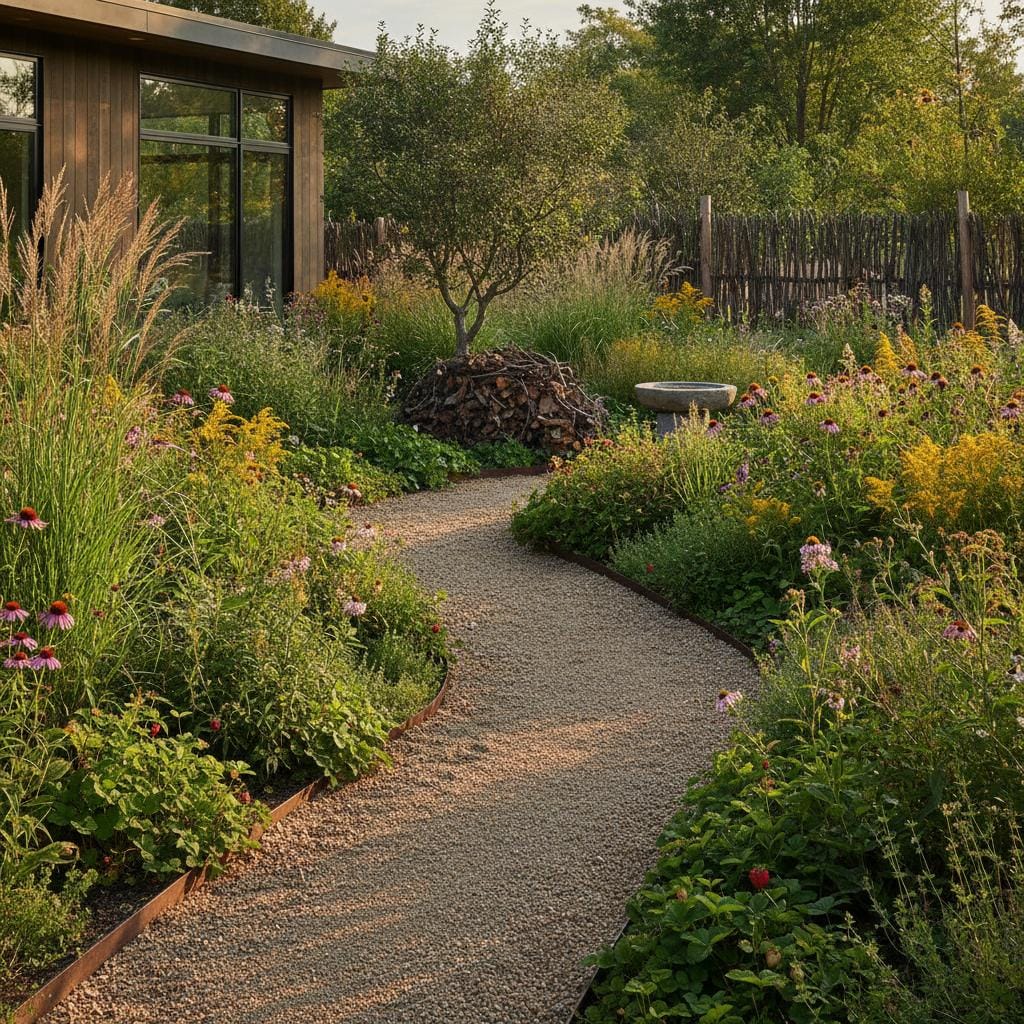
Add a few natural features to welcome wildlife. A shallow birdbath, a brush pile tucked in a corner, or a log left to decay slowly can each become a home for important species. The more variety you create, the richer your ecosystem becomes.
Letting Go of Perfection
This step might be the hardest. A messy garden asks you to trust the process. There will be moments when it looks uneven or sparse, and that is normal. Nature rarely grows in straight lines or tidy clumps.
Try to see beauty in the small details. Notice how the light catches the seed heads or how bees move from bloom to bloom. The more time you spend observing, the more you will appreciate the rhythm of your yard’s new life.
If you worry that neighbors will see it as neglect, frame your wild space with cues of care. A clean border, a mowed path, or a small sign explaining its purpose can turn confusion into admiration. People respond differently when they see intention behind the design.
Supporting Growth Over Time
A wild garden does not mean no care at all. It means different care. Instead of constant mowing and pruning, you will spend time watching and responding.
Here are a few ways to keep your garden thriving:
- Weed selectively. Pull only the plants that crowd out others or spread aggressively. Many weeds also feed pollinators, so learn which ones can stay.
- Cut back in cycles. Trim tall grasses or flowers once they have seeded, leaving stems through winter for insects to shelter in.
- Add compost occasionally. A light layer of compost once or twice a year keeps soil rich and supports new growth.
- Water deeply, not often. Deep watering helps plants develop strong roots that handle dry spells better.
This rhythm creates a living space that renews itself naturally. Over time, you will find that it requires less energy than a traditional yard yet offers far more life and texture.
Watching Your Garden Thrive
As your wild garden matures, it begins to tell its own story. You will see returning butterflies, hear new bird calls, and notice how the soil holds moisture after rain. Each season will bring new colors and shapes, reminding you that beauty can grow from patience and trust.
You might even find that your relationship with your yard changes. Instead of seeing it as a project to manage, you start to see it as a living community. You are part of that balance, not the ruler of it.
Invite friends or family to walk through with you. Share what you have learned about native plants or the small creatures that now visit. These conversations often inspire others to reimagine their own spaces.
Living with the Wild Spirit
Your rewilded yard is more than a trend. It is a return to connection. It gives you a way to care for the planet right outside your door while freeing yourself from the pressure of constant upkeep.
Keep exploring new plants that belong in your region, and let your garden evolve naturally. Try planting a few native shrubs one season and watch how they attract new life. Leave a patch uncut and see what emerges. The more you experiment, the more confident you become.
A messy garden is not about chaos. It is about harmony that looks a little different from what we once called perfect. With each passing season, your yard becomes a reflection of resilience and care. It teaches you that letting things be a little wild is sometimes the best way to make them thrive.