How Moonlight Gardens Will Shape 2026 Landscaping Trends
Many people step outside after sunset and sense their garden's potential remains untapped. The evening quiet often conceals pathways and plants in shadow, yet this moment offers opportunity for fresh design. Homeowners increasingly seek serene, glowing outdoor areas that extend enjoyment beyond daylight. Moonlight gardens address this need by creating illuminated retreats that thrive at night.
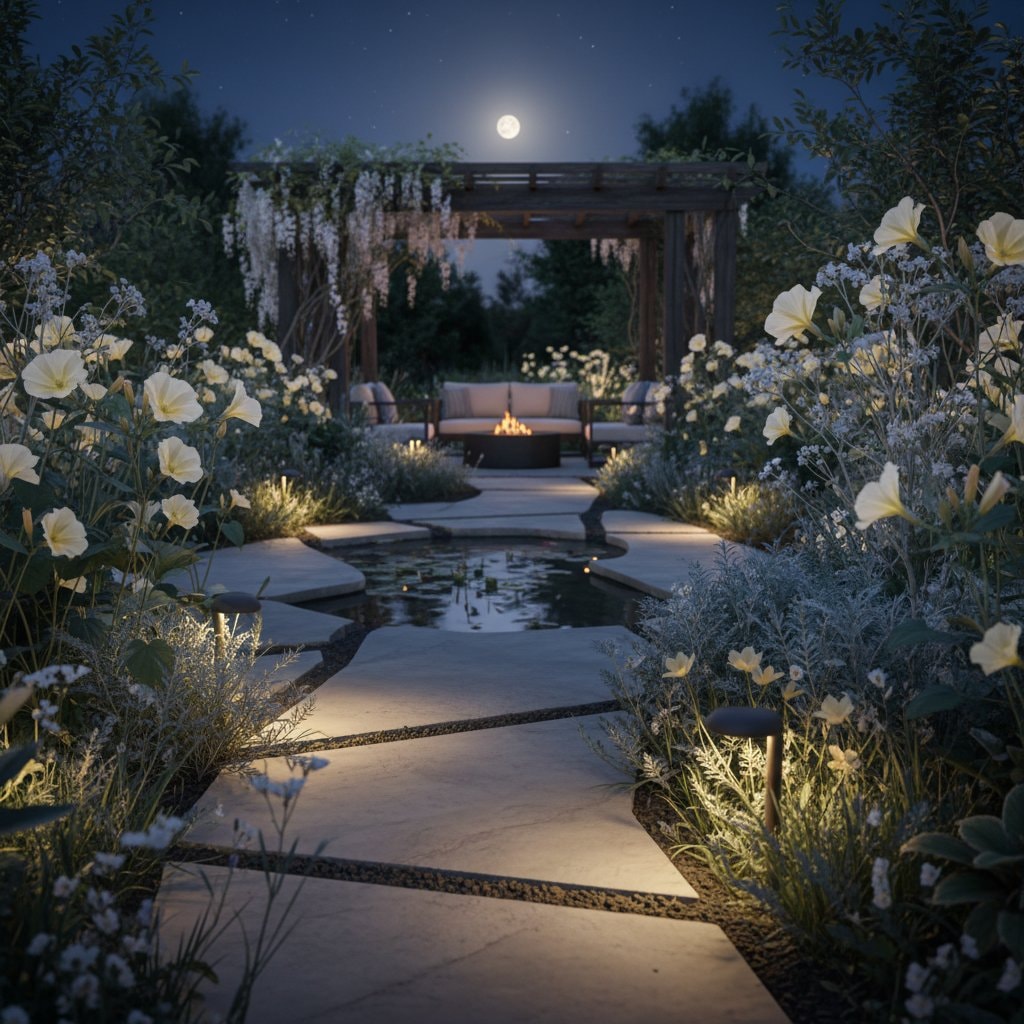
A moonlight garden emphasizes beauty in darkness. It features light-colored flowers, metallic foliage, and diffused lighting to mimic lunar glow and foster peace. This approach draws from timeless traditions while suiting modern yards of any size. The result invites extended evening use through twilight and beyond.
Rediscovering Your Garden Through Evening Light
Traditional gardens focus on daytime appeal, neglecting evening hours. Moonlight designs extend usability into cooler nights. Light plays across white petals, gray leaves, and glossy surfaces, producing a subtle shimmer from moonlight or fixtures.
This illumination promotes relaxed interactions and solitary pauses. The space gains a enigmatic yet welcoming character. For evening enthusiasts, it enhances accessibility and transforms downtime into an engaging sensory journey.
The Restorative Power of Nighttime Gardens
Evenings outdoors carry inherent calm as daily clamor subsides and temperatures drop. Moonlight gardens amplify this serenity. They serve as venues for contemplation, relationships, and rejuvenation.
Owners often favor these areas for their soothing qualities. Subtle lighting elevates ambiance without dominance. Glowing pale blooms and evening scents from nocturnal plants promote presence and awareness.
Night-focused design prioritizes emotional harmony alongside aesthetics. The garden extends indoor tranquility outward, where tension eases amid gentle radiance.
Step One: Evaluate Your Existing Space
Begin with an evening yard inspection at dusk. Observe natural moonlight patterns on features like ponds, pale rocks, or shiny ornaments. Identify overly shadowed zones that require attention.
Consider desired nighttime activities, such as seating for talks or paths for walks. This assessment directs your efforts. Address safety by smoothing terrain, removing obstacles, and thinning dense growth to prepare a welcoming foundation.
Step Two: Design Lighting for Subtle Harmony
Effective lighting forms the core of moonlight gardens. Aim for even illumination that accentuates forms without glare.
Incorporate three lighting categories:
- Ambient sources, like low-voltage lamps or lanterns, for broad softness.
- Accent options to spotlight elements such as trees, statues, or fountains.
- Path guides for secure navigation on trails.
Select warm white or neutral tones that complement moonlight. Steer clear of stark or bluish lights that disrupt natural feel. Layer illumination strategically to guide views smoothly across the landscape.
Incorporate reflective materials including light gravel, neutral stones, or glass orbs. These capture and distribute light, intensifying the ethereal quality.
Step Three: Select Plants Optimized for Nighttime
Plants define the allure of moonlight gardens. Choose varieties that leverage contrast and aroma in low light.
Prioritize light-toned flowers in white, ivory, or pale rose shades. Opt for moonflower, evening primrose, jasmine, or white hydrangea, which bloom or peak nocturnally. These catch minimal light and stand vivid against darker earth.
Include silver or patterned leaves for added dimension. Lamb's ear, dusty miller, and artemisia offer shimmering textures that persist beyond bloom seasons.
Integrate scented options like nicotiana, lavender, or angel's trumpet, which intensify fragrance at night to draw moths and bats. This boosts sensory appeal and ecological support. Layer low, medium, and tall plants to create depth through varying light and shadow interplay.
Step Four: Incorporate Elements for Form and Flow
Beyond flora and lights, structural features provide purpose and direction. Pathways, benches, and accents shape navigation and emphasis.
Install winding routes of light stone or aggregate leading to highlights like fountains or seats. Reflective water mirrors celestial and added light, amplifying sparkle. Soft water flow enhances tranquility.
Position seating to capture diverse perspectives. Place a bench beneath fairy-lit branches or beside white blooms for inviting repose.
Add height with trellises supporting white roses or jasmine for vertical interest and scent. Suspend lanterns or chimes to introduce gentle motion and vitality.
Step Five: Integrate Components for Cohesive Impact
Unity guides final assembly. Excess light overwhelms delicacy, while scarcity leaves areas incomplete. Refine iteratively.
Install lights progressively to evaluate contributions. Test across varied evenings, from moonlit to overcast. Adapt designs to perform consistently.
Adjustments like repositioning fixtures or inserting reflectors refine outcomes. Certain plants may emerge prominently, or spots gain needed clarity through minor tweaks.
Factors Driving Moonlight Garden Adoption
Rising popularity stems from demands for versatile outdoor areas. Evening designs align with post-work leisure patterns.
Eco-conscious choices feature solar-powered lights and resilient plants, cutting resource demands. Light foliage tolerates shade and conserves water, suiting diverse climates.
Simplicity appeals amid complexity. Subdued tones and organic cycles favor mindful appreciation over intensive care.
Enhancing Social Connections in Evening Spaces
Moonlight gardens elevate gatherings. Intimate suppers, discussions, or readings gain warmth under diffused glow.
The flattering light nurtures closeness. Families explore night life, partners extend time outdoors, and visitors recall the serene vibe.
Compact areas like decks or terraces adapt easily. Group pale greenery, add soft strands, and include seating for personal nocturnal oases.
Maintenance Strategies for Lasting Glow
Care routines mirror standard gardening with emphasis on visibility and equilibrium. Clean fixtures regularly to sustain clear output. Swap to efficient bulbs as required.
Trim plants to preserve airy forms that distribute light. Remove faded flowers to spur renewal and neatness.
Irrigate during evenings to aid nocturnal bloomers in mild conditions. Monitor moisture, as reflective types often favor well-drained soil.
Nurturing Long-Term Garden Evolution
Moonlight gardens develop gradually. Initial shifts appear understated, yet maturity brings profound change.
Plants establish, lights integrate, and seasonal cycles enrich depth. Thoughtful selections elevate everyday yards to remarkable realms.
A lone bloom's lunar gleam reignites passion for cultivation. Experiment with plant mixes, surfaces, and illuminations. Seasonal variations infuse unique tones, from silvery clarity to moody depth.