Why Moonlight Gardens Are 2026s Hottest Landscaping Trend
Many homeowners step into their yards after dusk and find only shadows where daytime color once thrived. A moonlight garden changes that experience by using pale blooms, reflective foliage, and subtle lighting to create a calm outdoor space after sunset. This approach turns nighttime into an opportunity for quiet enjoyment rather than an afterthought.
Moonlight gardens have existed for decades yet now attract renewed interest. Homeowners seek outdoor areas that feel restorative without bright lights or bold colors. The design meets that need by emphasizing soft tones and gentle illumination.
How Moonlight Gardens Work
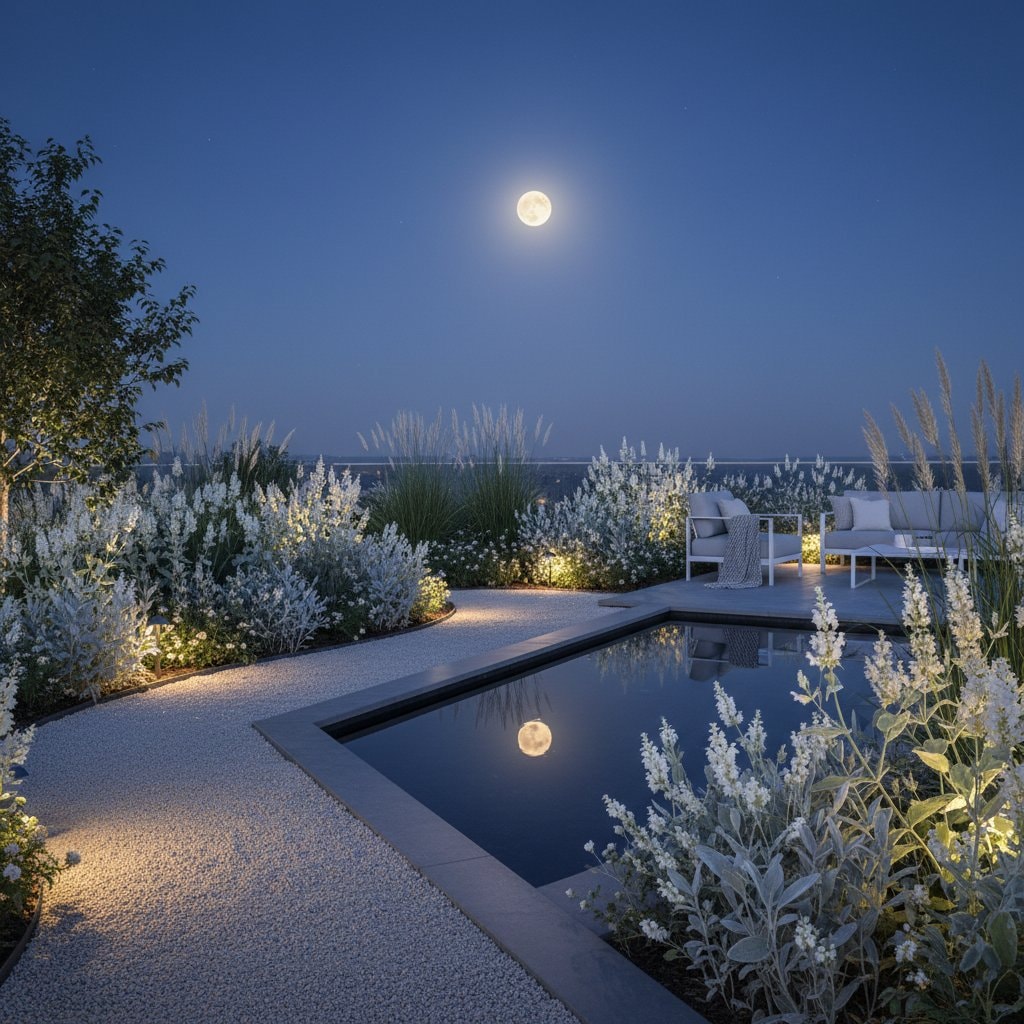
A moonlight garden relies on plants that reflect or emit light in low conditions. White, silver, pale yellow, and soft lavender shades catch faint illumination from the moon or fixtures. The result is a glimmering space suited for evening walks and relaxation.
These gardens suit many settings. Small courtyards, shaded patios, and larger lawns can all incorporate the concept through careful plant selection and layout. The focus remains on creating a slower pace that highlights scent, texture, and subtle visual interest.
Assess Your Site After Dark
Walk through the yard once the sun sets. Note where moonlight reaches open areas and where shadows form. Observe how current plants appear under low light to identify natural reflective qualities.
Define the intended use. A reading nook, evening pathway, or dining spot each requires different placement of plants and lights. Record observations with notes or phone photos to guide later decisions.
Select a Cohesive Palette and Layout
Choose whites, silvers, and pale greens as the primary tones. These colors reflect available light effectively. Add light pink or lavender sparingly for contrast without disrupting the calm effect.
Layer heights and textures. Tall ornamental grasses paired with low pale flowers produce depth that remains visible at night. Place lighter elements near paths and seating while using darker foliage as a backdrop.
Choose Plants That Perform at Night
Select varieties with night blooms or reflective surfaces. Strong options include moonflower for large white blossoms that open at dusk, evening primrose for soft yellow flowers, and white jasmine for fragrance on trellises. Dusty miller and lambs ear provide silvery foliage that shines even without blooms.
White tulips, lilies, and angels trumpet add structure and scent. Combine plants with staggered bloom times to maintain interest across months. Variety in height and texture ensures consistent visual appeal after dark.
Install Subtle Lighting
Use fixtures that enhance moonlight rather than replace it. Low path lights guide movement, uplights highlight trunks and tall plants, and string lights or lanterns define seating areas. Solar options provide energy efficiency.
Select warm-toned LEDs or low-voltage sources. Avoid floodlights and cool white bulbs that create harsh contrast. Thoughtful placement turns ordinary plants into focal points.
Add Reflective Materials and Texture
Pale gravel paths, white stone borders, and light furniture bounce light effectively. Mirrored gazing balls or glossy ceramic pots further distribute illumination. A small fountain or birdbath mirrors the moon and introduces gentle sound.
Combine rough stone with smooth leaves and feathery grasses with glossy petals. This variety increases visual and tactile interest under soft light.
Design Comfortable Evening Seating
Place benches among fragrant plants or cushioned chairs along lit paths. A hammock beneath a tree offers another restful option. Night-blooming flowers release stronger scents while wind chimes and rustling grasses add calming sound.
Maintain the Space
Deadhead pale flowers regularly and clean leaves to keep them bright. Trim overgrown plants to preserve sightlines. Clean and reposition lighting fixtures as needed. Consistent weekly attention keeps the garden healthy and ready for use.
Observing Seasonal Changes
The garden evolves with the seasons as different plants bloom and scents shift. Light patterns change throughout the year, revealing new details on still or breezy nights. Adjust plantings and fixtures to match these natural variations and sustain the sense of calm.