Why Messy Gardens Are Set to Transform Backyards in 2026
Many homeowners gaze at their gardens with a mix of nostalgia and frustration. These spaces once brimmed with vitality, yet now they appear fatigued from relentless upkeep. This sentiment resonates widely. A growing number of people embrace a more harmonious approach to gardening, one that favors natural abundance over imposed order. Messy gardens emphasize equilibrium, allowing wild elements to foster genuine beauty. This evolution redefines outdoor environments and heralds the landscaping style that will shape home yards in the coming years.
Understanding the Intent of Messy Gardens
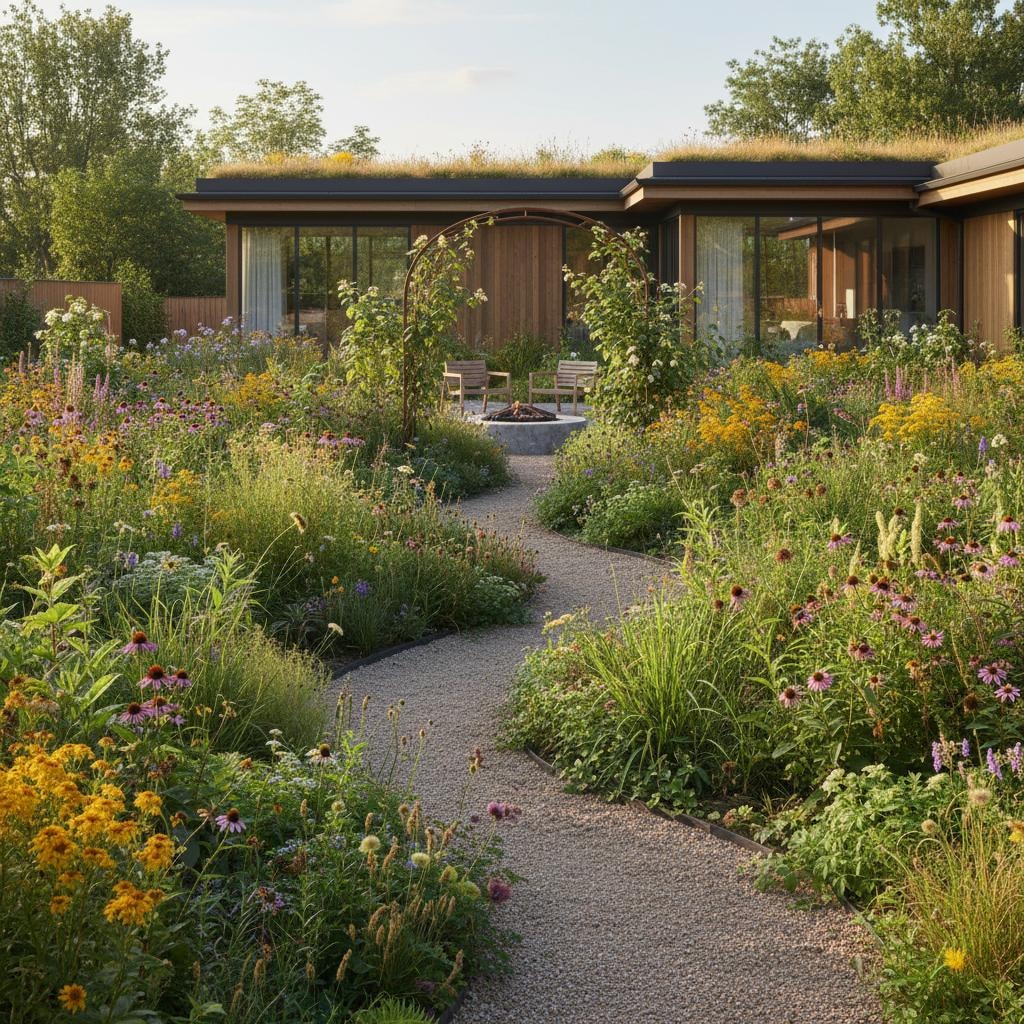
A messy garden signifies intentional neglect of rigid aesthetics, not abandonment. It functions as a dynamic ecosystem that reintegrates natural processes. Rather than precise borders, clipped shrubs, and uniform plantings, envision meandering grasses, indigenous flowers, and secluded nooks that attract birds and pollinators. This practice, known as rewilding, restores the innate flow of flora and fauna.
Releasing a yard from artificial constraints allows it to flourish. That overlooked clover patch now sustains bees and butterflies. Accumulated leaves, once hastily cleared, nourish the soil and support earthworm populations. Initial perceptions of disorder conceal a robust, interconnected habitat underneath.
Factors Driving the Popularity of Wild Gardens
Contemporary gardeners reassess traditional yard care methods. The demands of frequent mowing, trimming, and irrigation prove unsustainable and unfulfilling. Individuals seek designs that mirror natural environments while demanding less intervention for vitality. Wild gardens fulfill these needs precisely.
Consider these key drivers behind the trend:
- Reduced Maintenance, Increased Leisure. Native species and perennial grasses establish quickly and require minimal care. Time shifts from labor to appreciation of the space.
- Inherent Durability. These gardens withstand droughts, storms, and climate shifts more effectively than formal lawns. Diverse root systems and plant varieties preserve soil moisture and stability.
- Habitat for Wildlife. Untamed areas provide nectar, seeds, and cover for birds, insects, and small mammals. Each unseeded bloom contributes to the local food chain.
- Deeper Engagement. Observing unchecked natural processes in a personal yard cultivates a sense of collaboration with the environment, rather than dominance.
Initiating Changes in Your Existing Space
Assess your current garden to identify transition opportunities. Observe areas where volunteer plants emerge or moisture naturally pools. Such indicators reveal the site's inherent preferences.
Select specific zones to experiment with minimal intervention. Permit grass to reach six inches before mowing, or delay pruning on select shrubs for one season. Introduce regionally appropriate natives, such as lavender for Mediterranean climates or milkweed for pollinator support in temperate zones. These choices demand little supplemental water or nutrients once rooted, seamlessly integrating into the landscape.
Approach this phase as attentive exploration. The terrain communicates its requirements; your guidance respects those signals over imposition.
Incorporating Subtle Design Elements
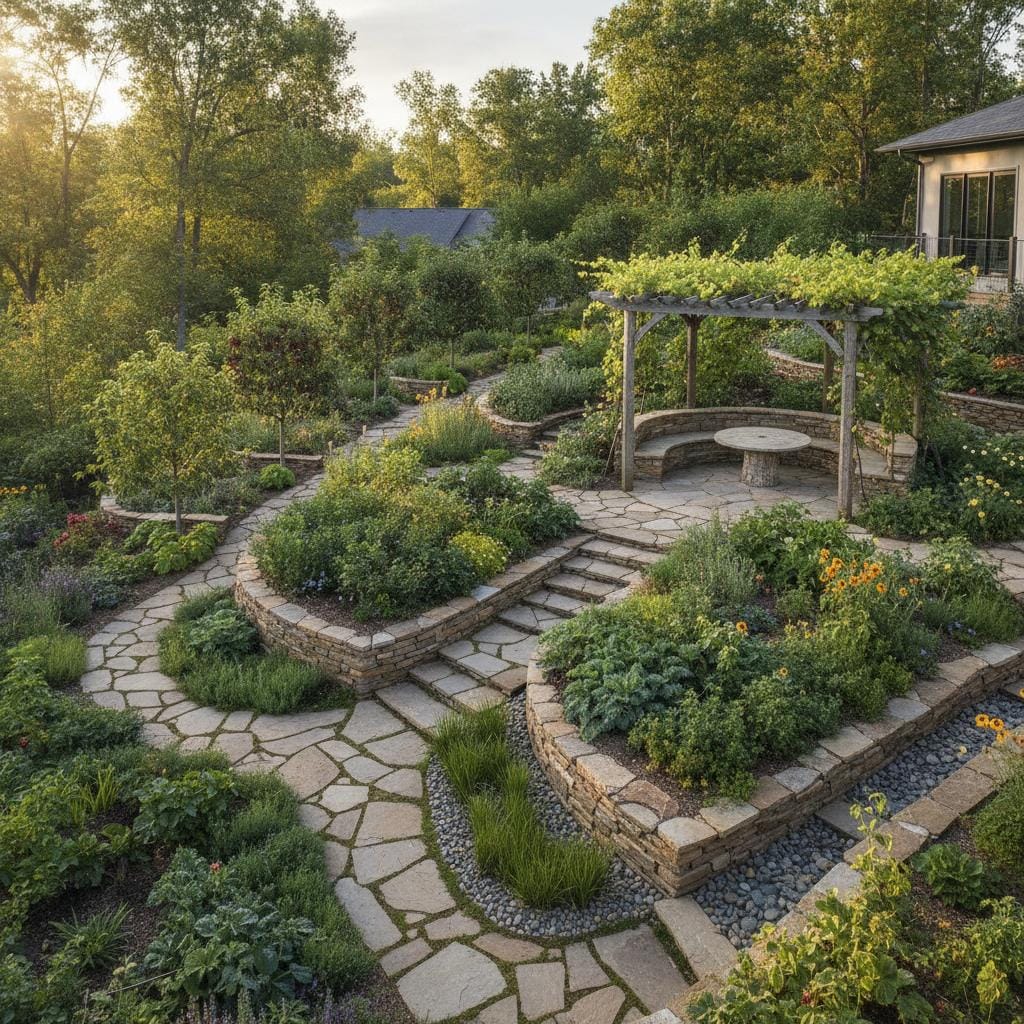
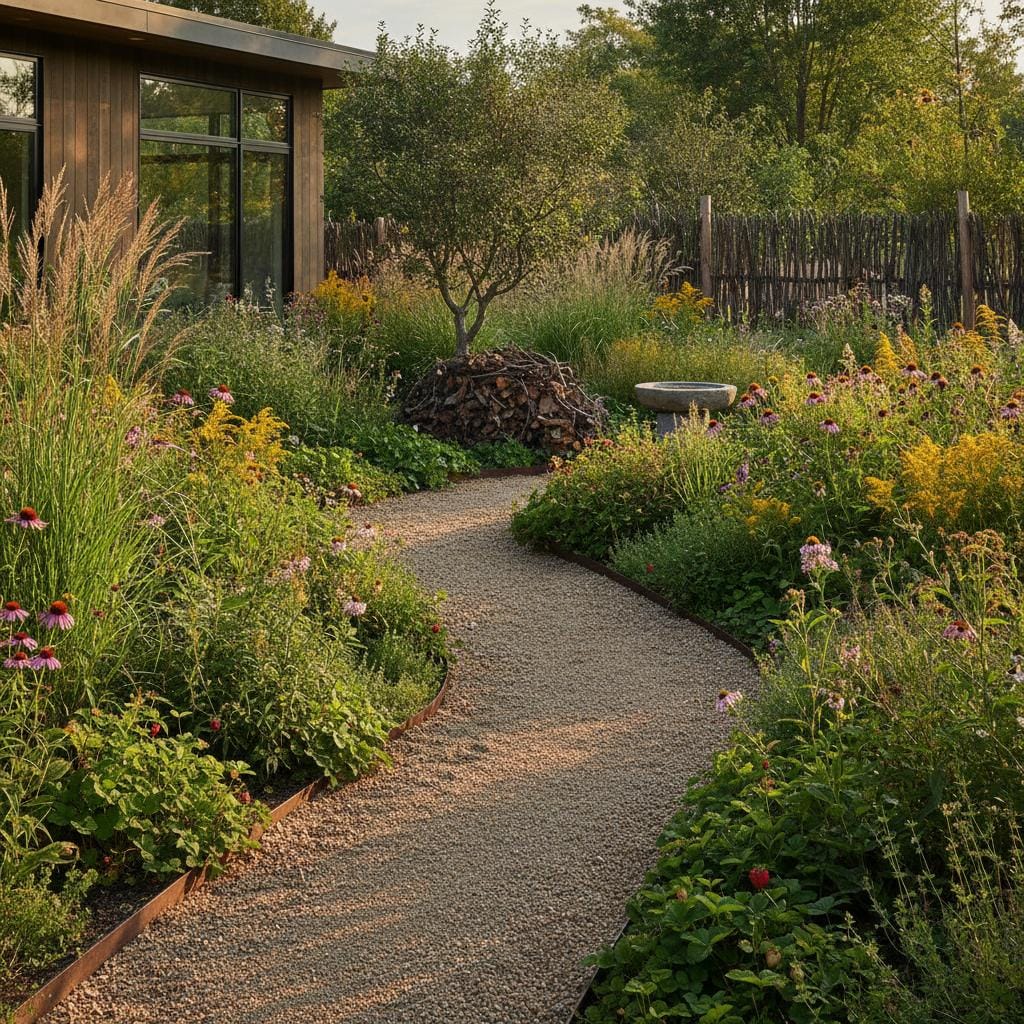
Even in a wild setting, thoughtful organization enhances appeal without constraining nature. Install meandering paths using mulch, flagstones, or low-mown turf to guide foot traffic fluidly. Cluster plants by form and stature to create layered visuals that maintain a casual vibe.
To prevent overwhelming density, contrast exuberant growth with serene features. Position a stone bench amid swaying perennials or frame a viewing area with a simple fence of woven branches. Such elements highlight the garden's organic patterns while providing moments of repose.
Sustainable Practices for Ongoing Vitality
Minimal effort does not equate to zero involvement. Align maintenance with seasonal rhythms to promote longevity. Adopt these targeted routines:
- Perform selective cuts annually or biannually to invigorate growth without frequent intervention.
- Retain organic matter like leaves and stalks to enrich soil and provide winter refuge for beneficial organisms.
- Monitor plant responses to sunlight, rainfall, and temperature before making alterations.
- Apply deep, infrequent watering to develop robust root networks, allowing surface soil to dry between sessions.
These practices foster autonomy in the garden. Gradually, invasive species diminish, soil quality improves, and biodiversity expands.
Cultivating a Lasting Bond with Your Rewilded Yard
A messy garden evolves as an ongoing educator. Seasonal changes unveil interconnections among plants, returning pollinators, and revitalized earth. Effort transforms from imposition to stewardship.
Embracing natural progression deepens attachment to the landscape. Exchange exhaustive toil for mindful presence, gaining a dynamic, character-rich yard in return. Forward-thinking gardening honors inherent potential. When wild elements establish, the outdoor area transcends mere scenery. It embodies harmony, endurance, and continuous rejuvenation.