Edible Front Yards: Transforming Lawns into Food-Producing Landscapes in 2026
Front yards evolve beyond mere aesthetics. Homeowners now opt for landscapes that yield vegetables, herbs, and fruits in place of high-maintenance grass. This practice, known as edible landscaping, merges visual charm with practical utility, providing homegrown ingredients steps from the doorstep.
Reasons for the Rise in Edible Landscaping
Interest in edible front yards surges due to demands for cost-effective, self-sufficient living. Individuals seek control over food sources, minimizing reliance on commercial produce. Such landscapes reduce water and mowing needs while fostering biodiversity.
Curb appeal remains intact through strategic design. Edible gardens incorporate diverse textures and hues akin to ornamental setups. For instance, replace formal hedges with berry shrubs, or annual blooms with vibrant greens and peppers. This method adapts to varied climates, ensuring year-round viability.
Steps to Design an Edible Front Yard
Initiate with modest projects to assess site suitability. Install one or two raised beds, or substitute a narrow lawn section with herb plantings. Confidence builds as results emerge, allowing gradual expansion.
Follow these essential steps:
- Evaluate site conditions. Observe sunlight patterns over a week, identifying areas with full exposure. Edible crops typically require six or more hours of direct sun daily.
- Analyze soil composition. Employ a home testing kit to measure pH and nutrients. Amend with compost or organic fertilizers to optimize fertility.
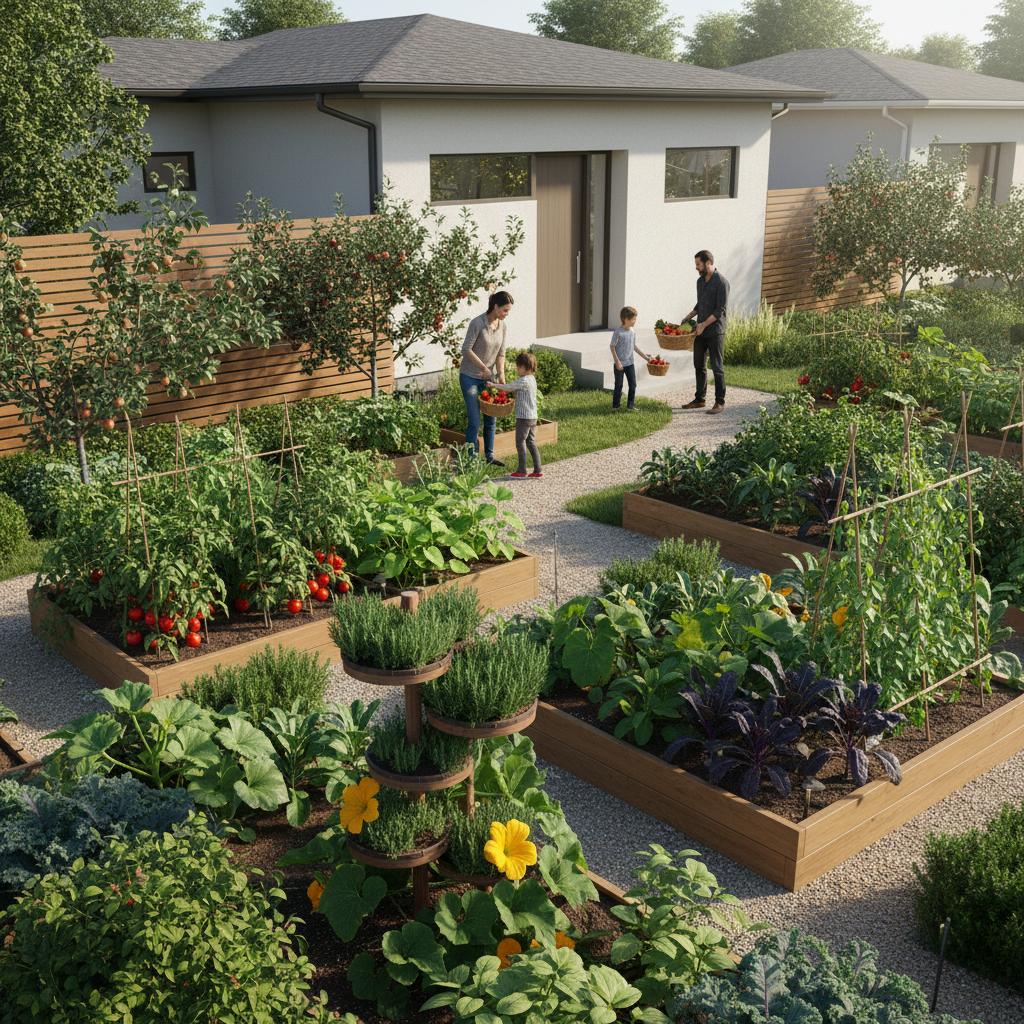
- Establish structural elements. Layer plants by height: low growers like lettuces at the front, mid-sized herbs in the middle, and taller fruit trees as focal points.
- Incorporate pathways. Design gravel or mulch paths for convenient access during irrigation and harvest.
- Balance aesthetics and productivity. Select varieties with ornamental qualities, such as colorful chard stems or flowering basil, to enhance visual interest.
Defined edges, mulch layers, and geometric layouts maintain a polished appearance. Stone-bordered raised beds impart a professional finish, integrating seamlessly with home architecture.
Recommended Plants for Front Yard Edibles
Select crops suited to local hardiness zones and personal culinary needs. Compact, upright varieties prevent overcrowding and uphold neatness.
Consider these reliable options:
- Herbs: Rosemary offers evergreen structure, thyme spreads as ground cover, basil thrives in warmth, and oregano withstands drought.
- Vegetables: Loose-leaf lettuce matures quickly, kale provides winter hardiness, carrots develop in loose soil, beets yield dual harvests of roots and greens, and peppers deliver bold colors.
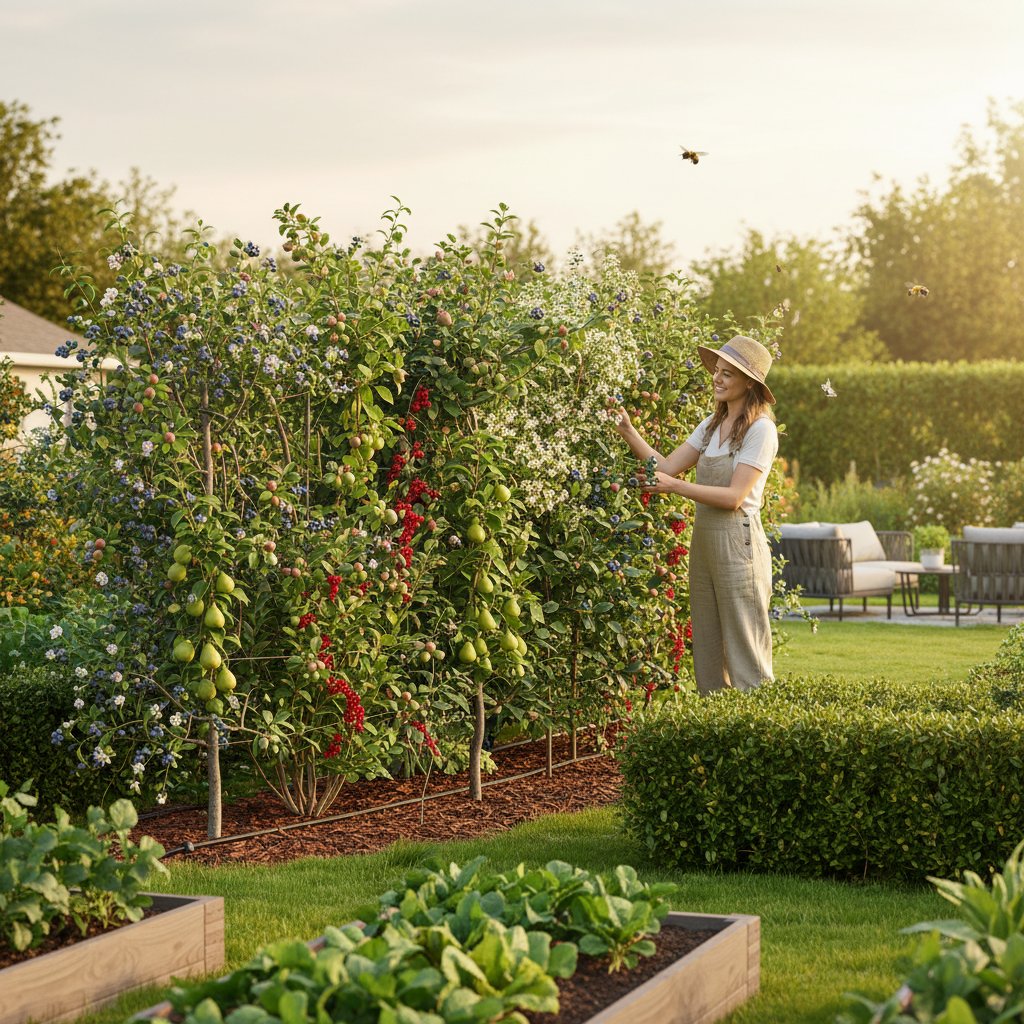
- Fruits: Strawberries form low borders, raspberries create trellised screens, and dwarf apple or peach trees serve as compact anchors.
- Edible flowers: Nasturtiums trail with peppery blooms, pansies add delicate petals to salads, and calendula contributes golden accents.
Prioritize perennials like asparagus spears or rhubarb crowns for enduring productivity. These reduce annual labor, as plants reemerge reliably each season.
Budget and Effort Considerations
Budget for an edible yard varies by scale and features. A basic setup with soil amendments, seeds, and simple borders may total under $300. Expansive designs incorporating irrigation systems or hardscaping could exceed $2,000.
Effort aligns with selections: perennials demand minimal intervention beyond seasonal pruning. Annual vegetables involve succession planting, weed control, and timely picks. The investment yields abundant harvests, offsetting costs through grocery savings.
Overcoming Potential Obstacles
Space constraints limit sprawling plants; choose bushy beans over vining types. Pests and animals pose risks to ripe produce. Install fine-mesh netting over berries or apply garlic sprays as deterrents.
Nutrient loss occurs with repeated cropping. Implement crop rotation annually and top-dress with compost to sustain soil health. Proactive measures ensure long-term success without excessive intervention.
Year-Round Maintenance Routines
Align care with seasonal cycles for optimal yields. Spring involves tilling, planting, and fertilizing to kickstart growth. Summer requires consistent moisture and vigilant harvesting to encourage production.
Autumn tasks include clearing debris, mulching for insulation, and composting residues. Winter offers opportunities for seed starting indoors or sketching future expansions. This cyclical approach maintains vigor across months.
Realizing Your Edible Yard Vision
Edible landscaping redefines front yard potential, blending nourishment with neighborhood enhancement. Assess your site, choose resilient plants, and prioritize design harmony from the outset. As the garden matures, it delivers not only sustenance but also a sense of accomplishment and connection to nature.