Gravel Gardens Replace Endless Lawn Care with Texture
Many homeowners grow weary of constant mowing, watering, and weeding required to maintain a traditional lawn. Gravel gardens offer a practical alternative that delivers visual interest with far less effort. These designs pair drought tolerant plants with stone surfaces to create structured yet lively outdoor spaces.
Core Principles Behind Gravel Gardens
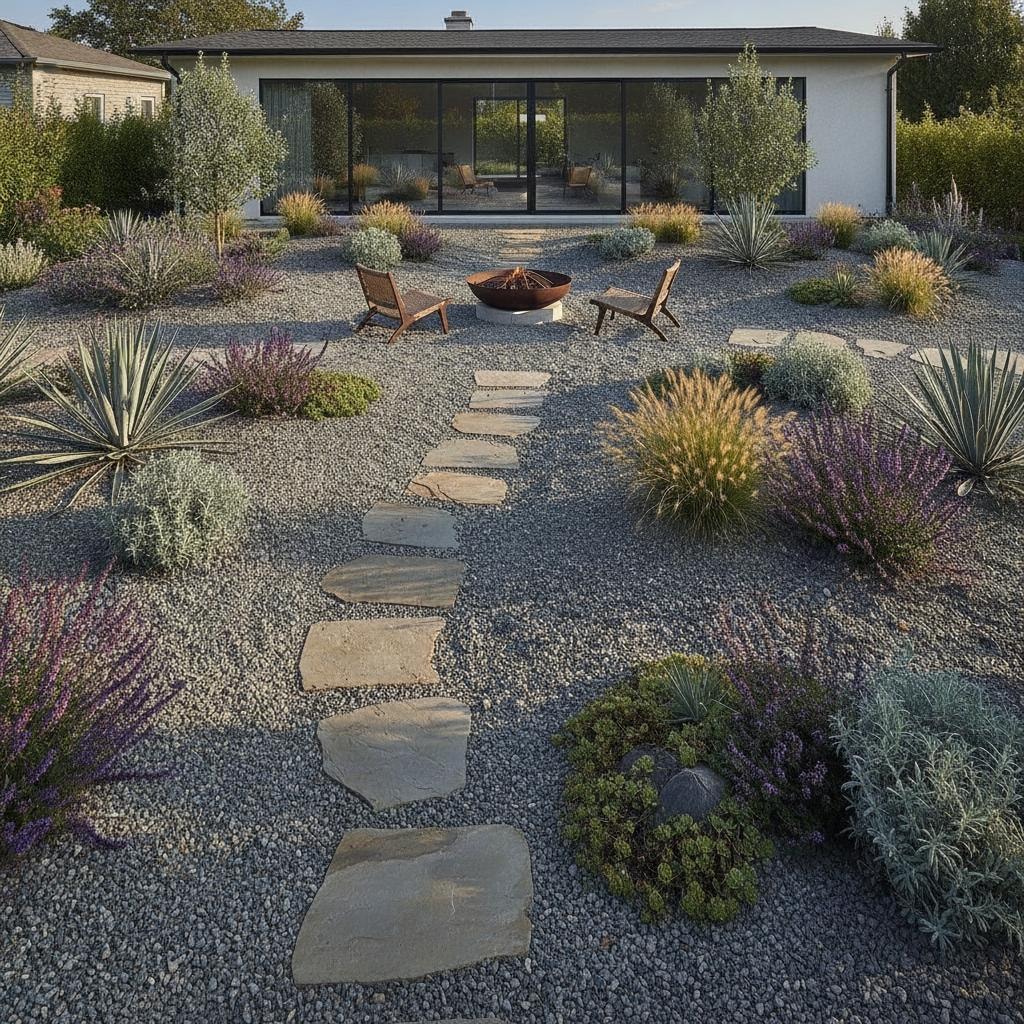
A gravel garden replaces turf with a layer of stone mulch and carefully chosen plants adapted to dry conditions. The gravel suppresses weeds, moderates soil temperature, and permits rainfall to reach plant roots directly. This combination produces a balanced appearance that works equally well beside contemporary architecture or older homes.
Design flexibility allows the style to fit sunny borders, narrow side yards, or compact courtyards. Pale gravel reflects light in shaded areas while darker stone creates depth against bright foliage. Edging materials such as steel strips or timber keep the surface contained and neat.
Site Evaluation Steps
Observe sunlight patterns, drainage after storms, and existing foot traffic before ordering materials. Areas where grass already struggles make ideal starting points. Test soil drainage by digging a small hole and filling it with water; quick absorption indicates suitability.
Begin with a modest bed along a walkway to test the effect. Note prevailing winds and views from indoor seating areas so the finished garden enhances daily routines.
Material and Layout Choices
Select gravel size according to use. Crushed stone measuring one quarter to three eighths inch packs firmly for paths, while larger river rock suits planted zones. Spread four inches of gravel over landscape fabric or bare soil prepared with compost.
Curve paths to create gentle movement through the space. Cluster boulders or low retaining walls to add elevation and define planting pockets. Position seating so it faces prevailing breezes and afternoon shade.
Plant Selection and Placement
Choose species that tolerate heat and infrequent water. Mediterranean herbs including lavender, rosemary, and thyme release fragrance when brushed. Ornamental grasses such as blue fescue and Mexican feather grass provide motion, while sedums and hens and chicks add sculptural form.
Plant through the gravel layer into prepared soil pockets spaced eighteen to twenty four inches apart. Water each new transplant thoroughly at installation, then reduce frequency once roots establish.
Installation Sequence
Remove existing vegetation and loosen compacted soil. Install edging first, then spread gravel to the planned depth. Create planting holes by shifting gravel aside, set plants at grade, and replace stone around stems.
Work in sections to avoid compacting freshly placed gravel. Finish by raking the surface level and checking that all plants sit securely.
Ongoing Care Practices
Water only during extended dry periods after the first season. Remove seedlings by hand while roots remain shallow. Replenish gravel every three to five years to maintain coverage and appearance.
Prune spent flower stalks in late winter to encourage fresh growth. Divide overcrowded grasses every three years to preserve spacing and vigor.
Seasonal Experience and Lighting
Herbs intensify fragrance during summer heat while grasses catch winter light. Gravel retains warmth into evening hours, extending outdoor comfort. Low voltage path lights or solar stake lights bounce softly off stone surfaces after dark.
A single bench positioned near fragrant plants turns the garden into a daily retreat. The same space functions for morning coffee or evening conversation with minimal adjustment.
Lasting Benefits of the Approach
Over successive seasons plants fill gaps and soften stone edges, producing a settled, cohesive scene. Reduced irrigation and mowing free time for other pursuits while the garden continues to improve. The result is an outdoor area that remains attractive through every month with steady, light attention.