Budget Gravel Gardens for Stylish Modern Yards
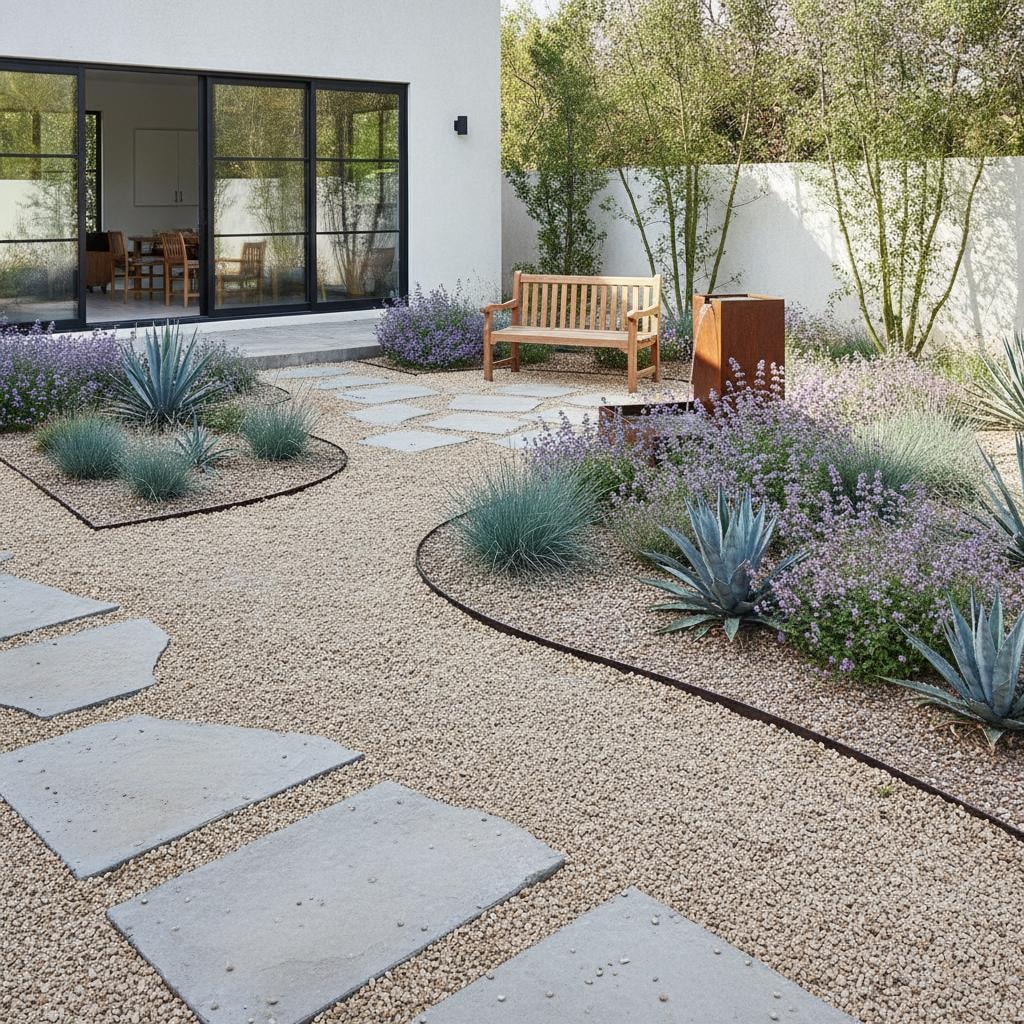
Gravel gardens deliver structure alongside a relaxed atmosphere. The surface supports intentional design while permitting plants to develop naturally. Footsteps produce a distinct sound on the stones, and sunlight creates shifting reflections throughout the day.
This approach reduces the demands of lawn care. Gravel improves drainage, limits weed growth, and pairs effectively with drought-tolerant plants to conserve water.
The Appeal of Gravel Gardens
Homeowners seeking both order and ease find gravel gardens practical. The material forms a stable base that still allows organic movement in the planting areas. Modern yards benefit from this balance of clean lines and ecological function.
Setting a Vision Before Spending
Define the desired atmosphere before purchasing materials. Decide between a minimalist layout with sculptural plants or a looser arrangement featuring herbs along pathways. Clarify preferences for calm versus energy and for curves versus straight edges to guide material choices.
Choosing the Right Gravel
Select gravel type according to use and appearance. Crushed granite provides a firm, architectural surface suitable for frequent foot traffic. Limestone chips create a bright, uniform look in shaded zones. River gravel offers a softer, organic texture for less-used areas.
Purchase in bulk to reduce cost. Smaller stones compact better for walkways, while varied sizes add visual depth around plantings.
Preparing the Ground Properly
Remove existing vegetation and level the site with attention to drainage slopes. Install landscape fabric that permits root penetration yet blocks most weeds. Add a thin base layer of sand or crushed stone beneath the gravel to maintain stability.
Planting for Texture and Longevity
Choose plants that perform well in dry conditions and retain visual interest year-round. Lavender supplies fragrance and upright form. Sedum offers low, sculptural shapes. Thyme softens edges as ground cover. Blue fescue and feather reed grass introduce movement and height. Euphorbia adds bold foliage contrast.
Position plants in loose clusters with space for natural spread. Allow gravel to flow between groups so the design remains cohesive.
Blending Hardscape and Softscape Elements
Combine gravel with stepping stones, concrete pads, or metal edging to define zones. Rectangular pavers set within pale gravel create clear paths that require little upkeep. Consistent material choices, such as concrete or rusted steel, unify the composition.
Working Within a Budget
Begin with core elements and expand as resources permit. Reuse bricks or leftover pavers for edging. Source materials locally to control delivery expenses. Select young plants that establish readily. Repeat a limited palette of gravel and species to maintain cohesion while lowering costs.
Adding Layers of Interest
Introduce focal points through terracotta containers, boulders, or simple sculpture. Adjust gravel color or size to mark transitions between areas. Install low-voltage lighting to highlight textures after dark.
Maintenance Without the Hassle
Rake the surface periodically to redistribute stones and clear debris. Remove weeds promptly. Divide or trim plants when they encroach on one another. Refresh the top layer of gravel every few seasons as needed.
Living with Your Design
Observe how water moves and how plants respond across seasons. Adjust drainage or replace underperforming specimens based on direct experience. The garden develops character as materials settle and roots anchor the surface.
Embracing the Process
A budget gravel garden rewards steady observation and incremental refinement. The result is a durable outdoor space that aligns with available time and resources while gaining depth each year.