Why Messy Gardens Are the Hottest 2026 Landscaping Trend
Have you ever looked out at your overgrown yard and felt a mix of guilt and longing? Maybe you imagine what it once was, tidy and trimmed, but part of you loves the wildness that has crept in. You are not alone. More homeowners are realizing that the slightly untamed, buzzing, and blooming garden that seems messy at first glance is actually a healthier and more beautiful approach to outdoor living.
This new way of thinking is being called the messy garden movement. It celebrates natural growth, supports pollinators, and replaces constant upkeep with mindful care. What once looked neglected is now being admired as thoughtful, sustainable design.
Rethinking What Beautiful Means Outdoors
For a long time, beauty in the garden was tied to control. Perfectly edged lawns, evenly spaced shrubs, and weed-free beds were seen as the mark of pride and effort. Yet, many gardeners now feel that kind of perfection no longer fits real life. It can feel sterile, expensive, and exhausting to maintain.
A messy garden, on the other hand, lets nature lead. Plants are allowed to reseed where they wish. Fallen leaves stay to feed the soil. Birds, bees, and butterflies become regular guests. The result is a yard that feels alive rather than managed. It might not look like a magazine cover, but it tells a story of balance and renewal.
The Rise of Rewilding
At the heart of this shift is a concept known as rewilding. In its simplest form, rewilding means giving nature more room to take care of itself. In a home setting, that might include letting native plants spread, adding a small brush pile for wildlife, or turning a patch of lawn into a meadow.
Rewilding teaches that every yard, no matter its size, can act as a small ecosystem. The more layers of life it supports, the stronger it becomes. Many gardeners find deep satisfaction in seeing their outdoor spaces buzz with energy. A once quiet corner might soon be filled with the hum of bees or the flash of a goldfinch.
Why Messy Gardens Make Sense
Beyond the beauty of renewal, messy gardens offer practical advantages that appeal to busy homeowners.
-
Lower maintenance. When you stop fighting nature, you spend less time mowing, pruning, and watering. Native plants adapt to your local conditions, so they thrive with minimal help. What feels like less effort often leads to a more resilient yard.
-
Healthier soil. Leaves, decaying stems, and plant matter feed the earth naturally. Over time, this builds rich, dark soil that holds moisture and supports strong roots. You can skip chemical fertilizers and still enjoy vibrant growth.
-
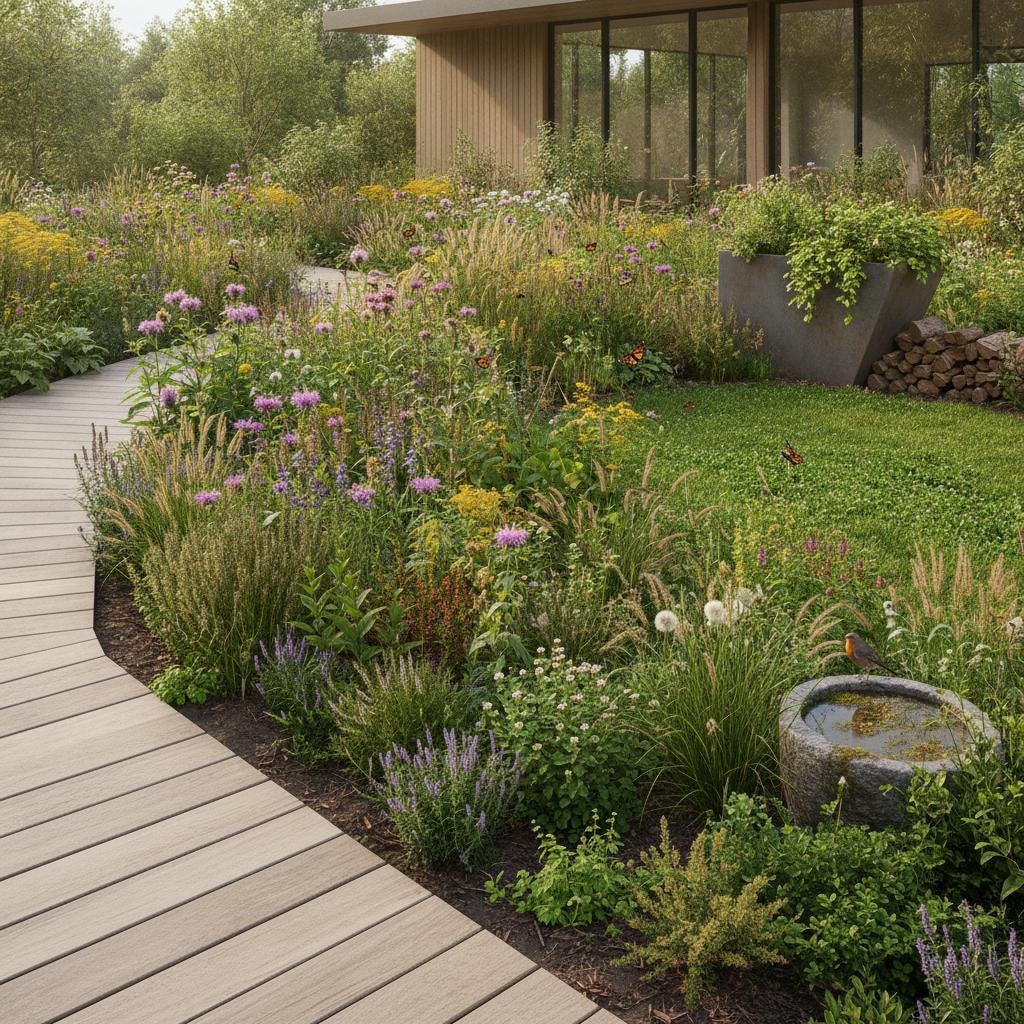
More wildlife. A messy garden is a welcoming habitat. Birds find nesting materials. Butterflies and bees gather nectar. Even small creatures like toads and ladybugs find homes among the layered plants. Each visitor helps maintain natural balance.
-
Seasonal interest. Instead of cutting everything back, leaving seed heads and dried grasses through the colder months gives your garden texture and movement. They catch the light beautifully and feed birds through winter.
Starting Small Without Losing Control
If the idea of letting your garden go wild feels daunting, start in one area and experiment. Choose a corner or border where you can relax your usual standards. Stop removing every volunteer seedling and see what grows. Let leaves stay under trees as a natural mulch. Replace part of your lawn with a patch of native wildflowers.
You might discover that what begins as an experiment quickly becomes your favorite part of the yard. A wildflower patch needs little mowing, and a layer of leaves keeps weeds down while feeding the soil. The more you observe, the more you learn what nature can do when given space.
Designing for Intentional Wildness
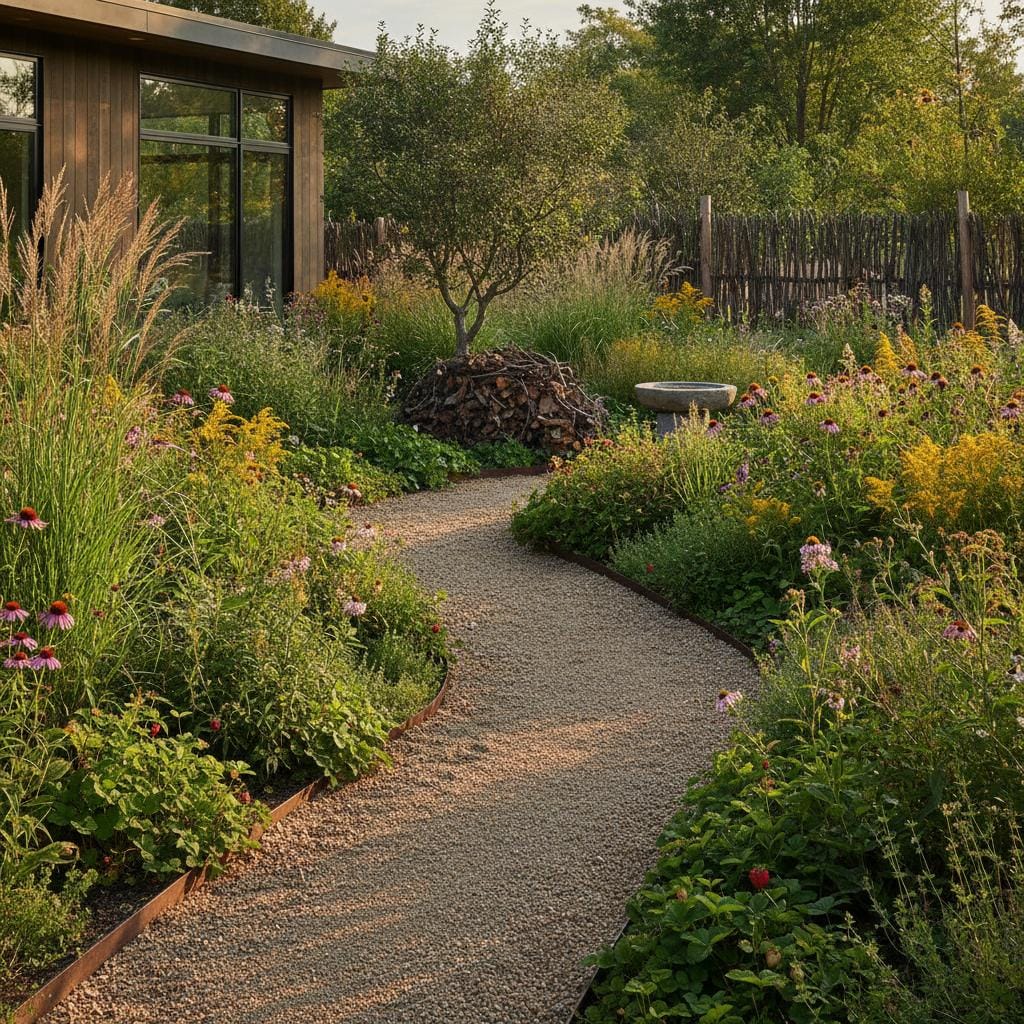
A messy garden does not mean chaos. It thrives when it looks natural yet cared for. The trick is to create intentional edges. A mowed path, a row of stones, or a defined border helps the eye read the space as designed, not neglected.
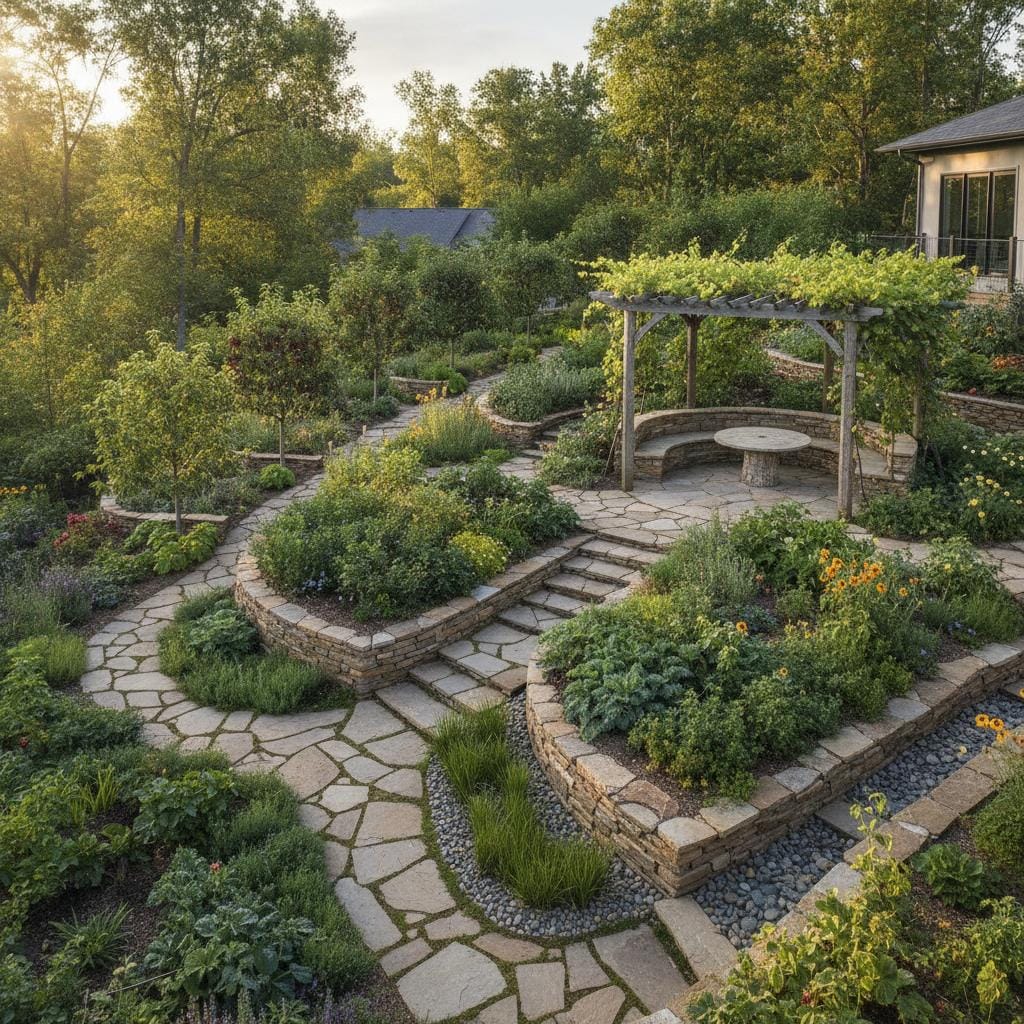
You can also mix structure with softness. Pair a neat patio or walkway with surrounding drifts of tall grasses. Add a birdbath or weathered bench as a focal point among wild plantings. These small choices bring harmony between order and freedom.
The Emotional Shift Behind the Trend
Part of why messy gardens feel so appealing today is emotional. People are craving calm, authenticity, and connection to the natural world. A wild garden answers that need. It reminds you that growth does not have to be perfect to be meaningful.
Many gardeners say tending their wilder spaces feels less like a chore and more like companionship. You begin to notice the rhythm of your environment, the first buds after rain, or the way sunlight filters through seed heads in late afternoon. Gardening becomes less about control and more about participation.
Watching Your Garden Thrive
Once your garden begins to find its balance, maintenance becomes simple and satisfying. A few seasonal tasks help keep things healthy without erasing their natural charm.
- Spring: Cut back old stems only after temperatures warm enough for insects to emerge.
- Summer: Water young plants if needed, then let established ones grow freely.
- Autumn: Leave seed heads standing to feed birds and scatter next year's seeds.
- Winter: Observe and enjoy. The textures and colors of dried plants bring quiet beauty.
Over time, your messy garden becomes more than a trend. It becomes a living reflection of patience, curiosity, and care. You begin to trust that nature knows what it is doing, and your role is to support rather than fight it.
Living with the Wild
Letting your garden grow a little wild might feel like a bold step, but it is one that brings deep rewards. You save time, nurture wildlife, and create a space that breathes with life. The so-called messy garden is not about neglect. It is about respect.