Why the Messy Garden Trend Means Less Work for You
There is something comforting about a garden that looks a little wild around the edges. The kind where the grass grows long in spots, flowers mingle freely, and bees hum lazily between clover and coneflowers. For many of us, this type of garden feels more alive, more forgiving, and far less stressful to maintain.
It challenges that old idea that a perfect yard must be trimmed, clipped, and spotless at all times. The so-called messy garden trend is not really about neglect. It is about stepping back and letting nature guide the rhythm of your yard.
A Shift in How We See Beauty
For generations, neat lawns were a symbol of pride. The shorter the grass, the cleaner the edges, the more disciplined the homeowner seemed. But that tidy uniformity came with constant mowing, watering, and fertilizing. Many have grown weary of that endless cycle.
A messy garden invites a different kind of beauty. It celebrates movement, imperfection, and surprise. A fallen leaf becomes mulch. A patch of wild daisies turns into a pollinator buffet.
Instead of fighting against nature, you start to work with it. The result is a space that feels softer, more personal, and much less demanding. When you stop chasing perfection, you also stop creating so much work for yourself.
What Makes a Garden Messy
A messy garden is not necessarily overgrown or chaotic. It simply looks more natural, as if it belongs to the landscape rather than sitting on top of it. You might notice uneven plant heights that create depth instead of a flat, manicured look.
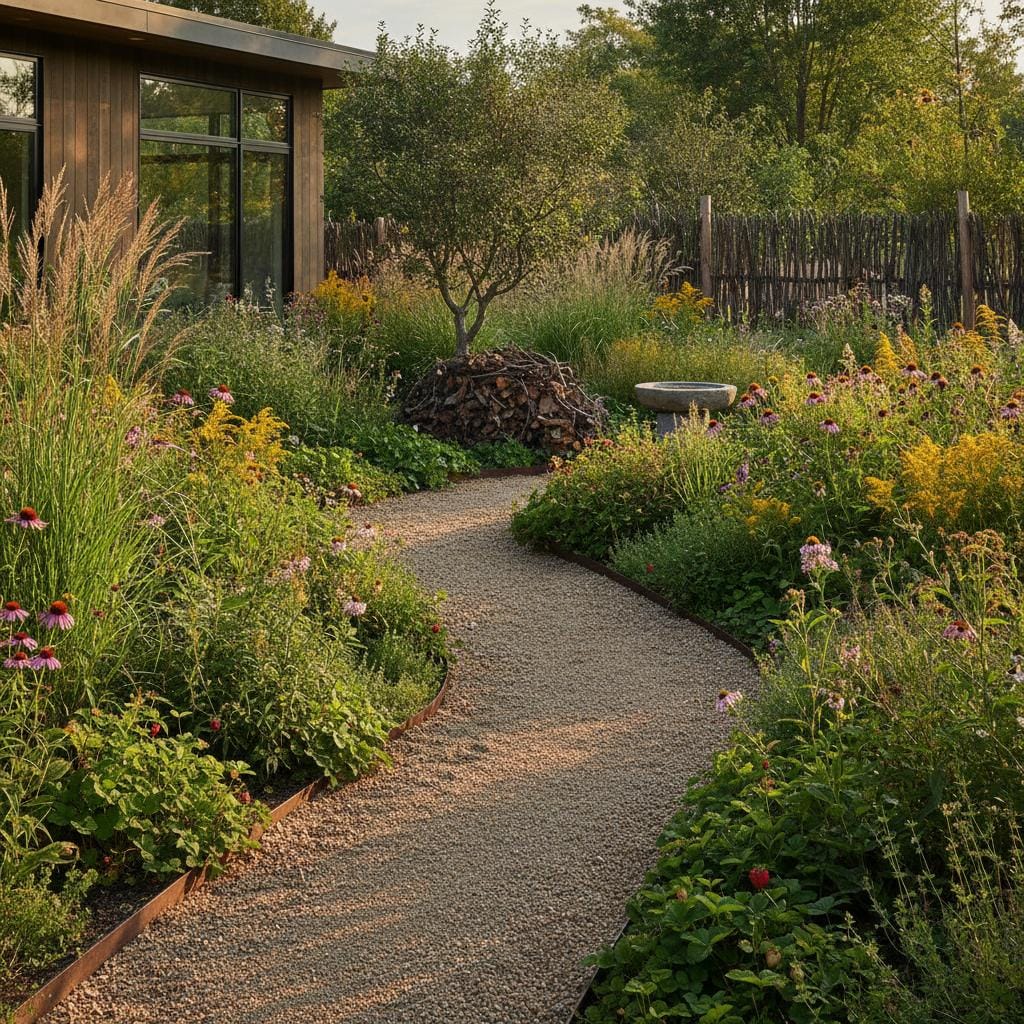
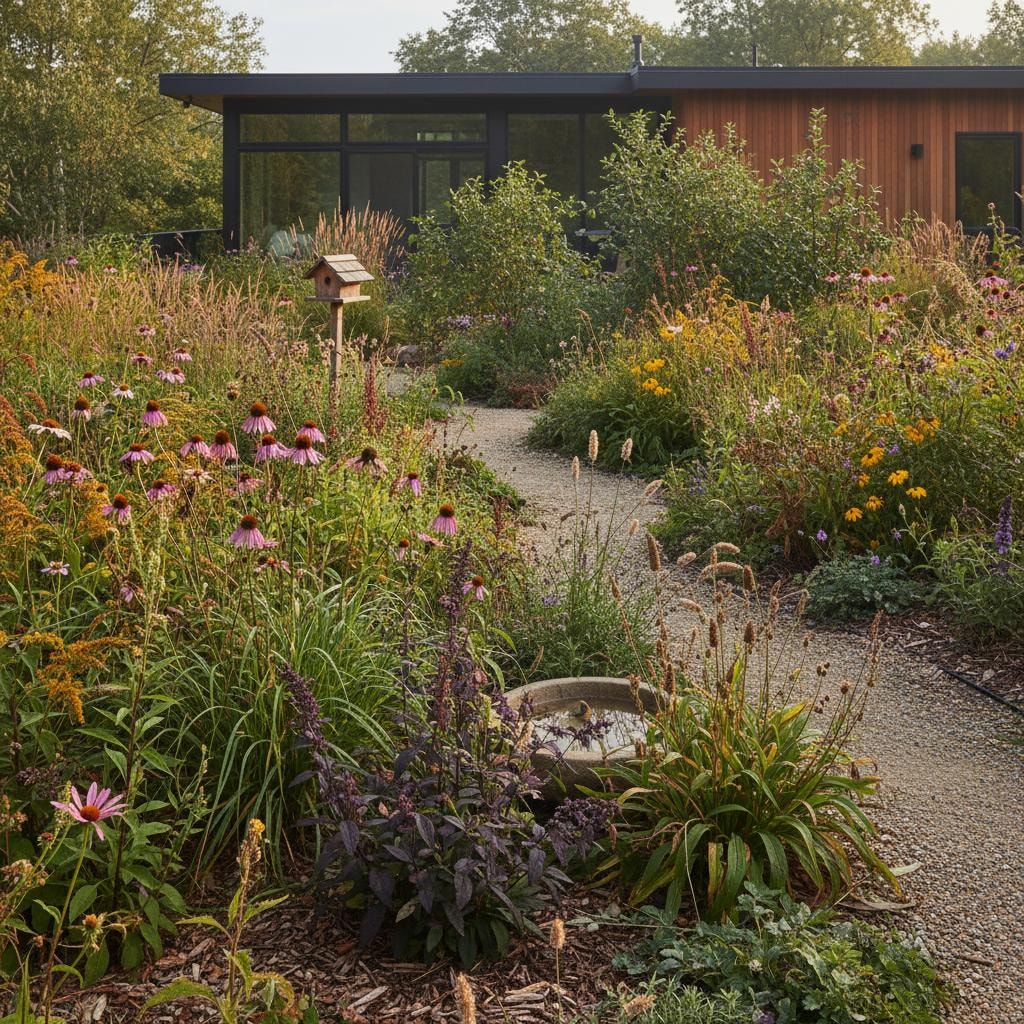
Native wildflowers mixed with perennials and grasses add variety. Leaf litter and mulch left in place feed the soil. Logs, rocks, and brush piles serve as shelter for insects and small animals. Meandering paths replace straight lines.
These small choices make the garden feel relaxed and alive. They also reduce the need for constant maintenance. When you allow your plants to seed themselves or spread naturally, you spend less time planting, pruning, and replanting.
Rewilding at Home
Rewilding is a term often used to describe the restoration of natural ecosystems. In a home garden, it simply means giving nature some room to breathe. By planting native species and reducing chemical use, you support local wildlife and create a more balanced environment.
A rewilded yard can still be planned and beautiful. The difference is that you let nature do some of the work. Native plants are adapted to your region soil and weather, which means they need less water and fertilizer.
They also attract pollinators and beneficial insects that keep pests in check. If you are hesitant to go fully wild, start small. Turn one corner of your yard into a mini meadow or let a section of lawn grow taller. Watch how it changes over time.
Why Less Control Means Less Work
A messy garden thrives on patience. Once established, it largely takes care of itself. Here is why it demands less effort.
- Fewer mowing sessions. Allowing grass and groundcovers to grow a bit taller slows down the need for trimming.
- Less watering. Native plants develop deep roots that can handle dry spells better than traditional turf.
- Minimal fertilizing. When you leave organic matter like leaves and stems to break down naturally, they return nutrients to the soil.
- Reduced weeding. Dense planting and groundcover discourage unwanted weeds from taking over.
- Simplified pruning. When you accept natural shapes and textures, you prune only when necessary.
The result is a landscape that evolves on its own schedule. You still guide it, but you do not have to micromanage every inch.
Balancing Natural and Intentional Design
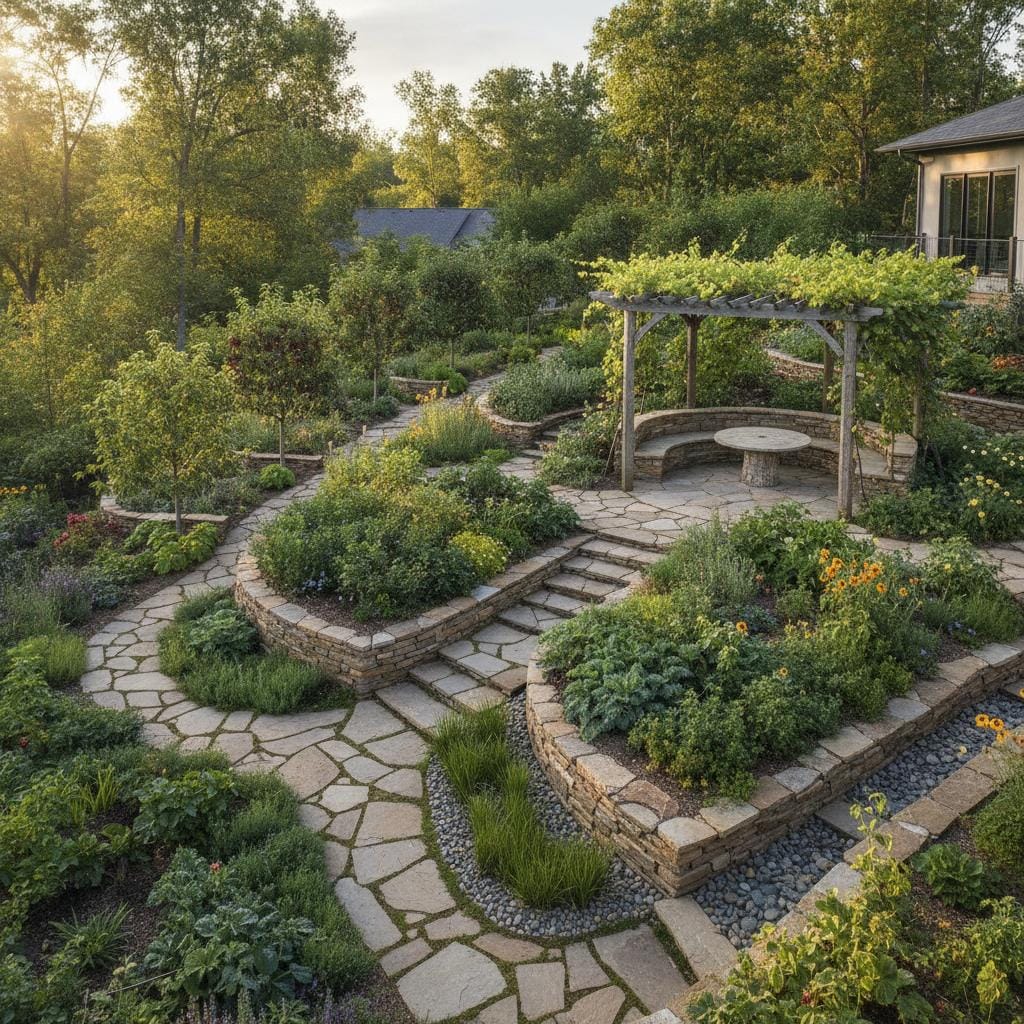
The best messy gardens have just enough structure to feel purposeful. Think of it as a conversation between order and spontaneity. You might edge a wildflower bed with stone to contain it, or add a gravel path that guides the eye through the space.
These touches keep the garden from feeling neglected while still preserving its natural charm. Some homeowners find it helpful to create focal points. A birdbath, a rustic bench, or a small pond can draw attention and make the surrounding wildness feel intentional.
If your neighbors value tidiness, defining borders or maintaining a neat front section can help the look feel more deliberate. When you design with both freedom and structure, you achieve a balance that feels whole and relaxed.
The Quiet Benefits of Letting Go
Beyond saving time, the messy garden trend brings subtle rewards. You start to notice the small rhythms of your yard again. The hum of bees. The rustle of tall grass in the breeze. The return of butterflies to plants you once considered weeds.
There is also a deeper satisfaction in knowing your garden supports life beyond your own enjoyment. Every patch of clover or milkweed becomes part of a larger network of habitat. You become a caretaker rather than a controller.
And then there is the emotional ease. Without the constant pressure to keep everything perfect, gardening becomes more about observation and less about obligation. The yard no longer feels like a chore but a living space that grows alongside you.
Common Misunderstandings
Some worry that a messy garden means giving up control entirely. In reality, it is about selective attention. You still weed when invasive plants appear. You still tidy paths and trim branches that block light.
The difference is that you focus on care rather than correction. Others fear that messy gardens will look like neglect. But when you pair natural growth with subtle structure, the effect can be quite elegant.
The secret is intention. A few simple cues, such as edged beds, visible pathways, and healthy plant growth, show that the wildness is a choice, not a mistake.
Observing Changes in Your Landscape
Once you begin to see your yard as a living community instead of a decorative surface, maintenance takes on new meaning. You learn to read the signs of balance. A healthy messy garden has movement, sound, and variety.
It may change from season to season, but that change is part of its beauty. If you are new to this style, give yourself permission to experiment. Try letting leaves stay through winter to shelter insects.
Watch how self-seeding plants move around. Keep notes on what thrives without intervention. Over time, patterns will emerge that guide future decisions. For some, this more relaxed approach can feel like a relief. For others, it takes practice to let go of old habits.
Either way, the process teaches patience and respect for the quiet intelligence of nature. Start by observing your garden as it is. Notice where plants already want to grow and where the soil supports life easily.
Use those clues to decide which areas can be left more natural. Choose native plants that suit your region, and group them in loose layers. Let textures mix and colors overlap. If you prefer, begin with a small section before expanding.