The 2026 Rewilding Movement: Revitalizing Yard Biodiversity
Consider a moment in your yard where the scene appears orderly yet lacks vitality. The grass may be neatly trimmed, but the absence of buzzing bees or chirping birds creates an unnatural silence. Perhaps you recall childhood memories of butterflies fluttering over wildflowers or the evening chorus of crickets. This subtle sense of emptiness signals a deeper call for ecological equilibrium. Rewilding provides the response, allowing your outdoor area to regain its natural rhythm.
Rewilding involves deliberate restoration rather than unchecked overgrowth. The approach integrates native plants, essential pollinators, and diverse soil organisms to revive the landscape. This practice gains popularity in communities as individuals recognize the compatibility of aesthetic appeal and ecological health. Regardless of yard size, anyone can initiate the process from their current setup.
Designing for Ecological Harmony and Visual Appeal
A rewilded yard emphasizes equilibrium over disorder. Thoughtful planning blends intentional design with natural elements, resulting in a functional and attractive space. Establish a primary objective: enhance biodiversity while preserving usability and charm.
Selecting Native Plants as the Core
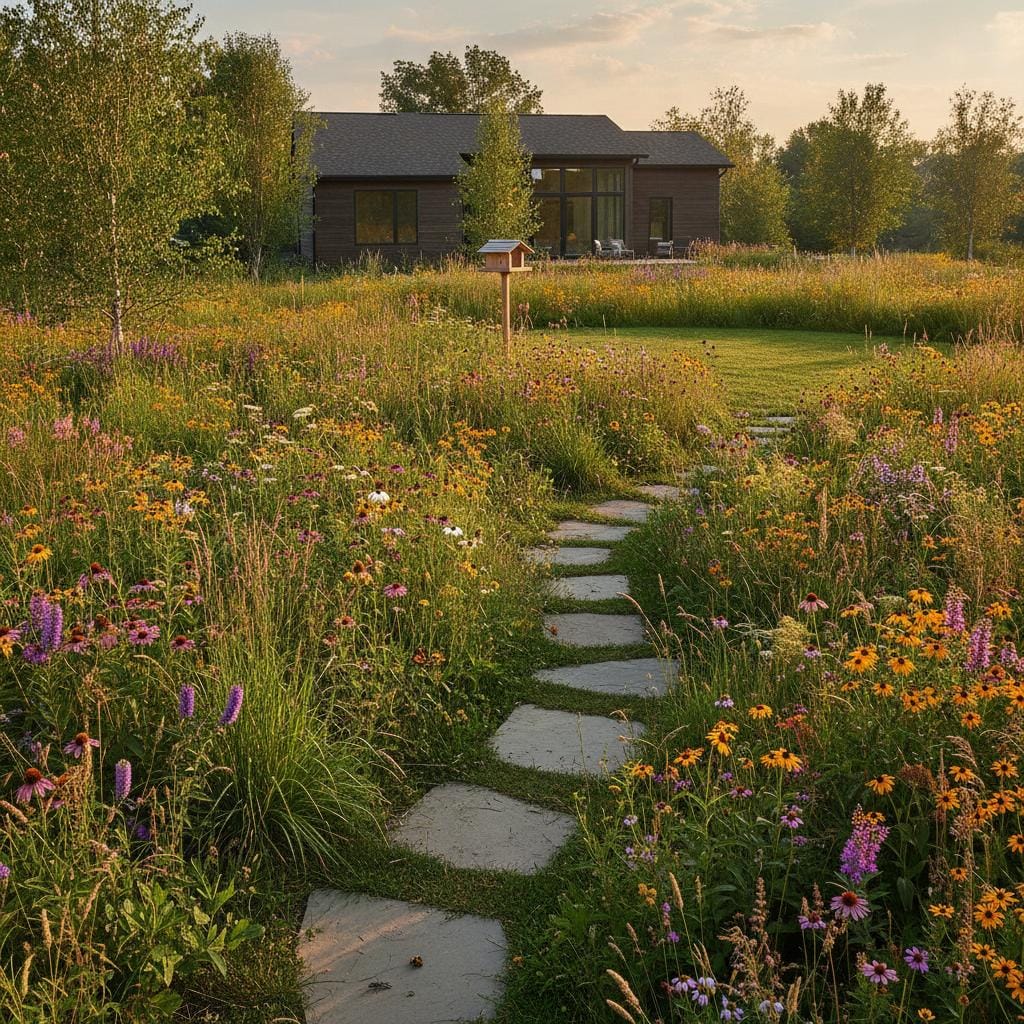
Native plants form the bedrock of a resilient ecosystem. These species adapt seamlessly to local conditions, including soil composition, precipitation levels, and climate variations. They sustain indigenous insects, avian populations, and wildlife that rely on them for survival. Begin by substituting sections of traditional lawn with native grasses or perennial blooms. As these plants establish, they propagate naturally, forming dynamic patterns of hue and form that evolve with the seasons.
Building Vertical Layers for Enhanced Biodiversity
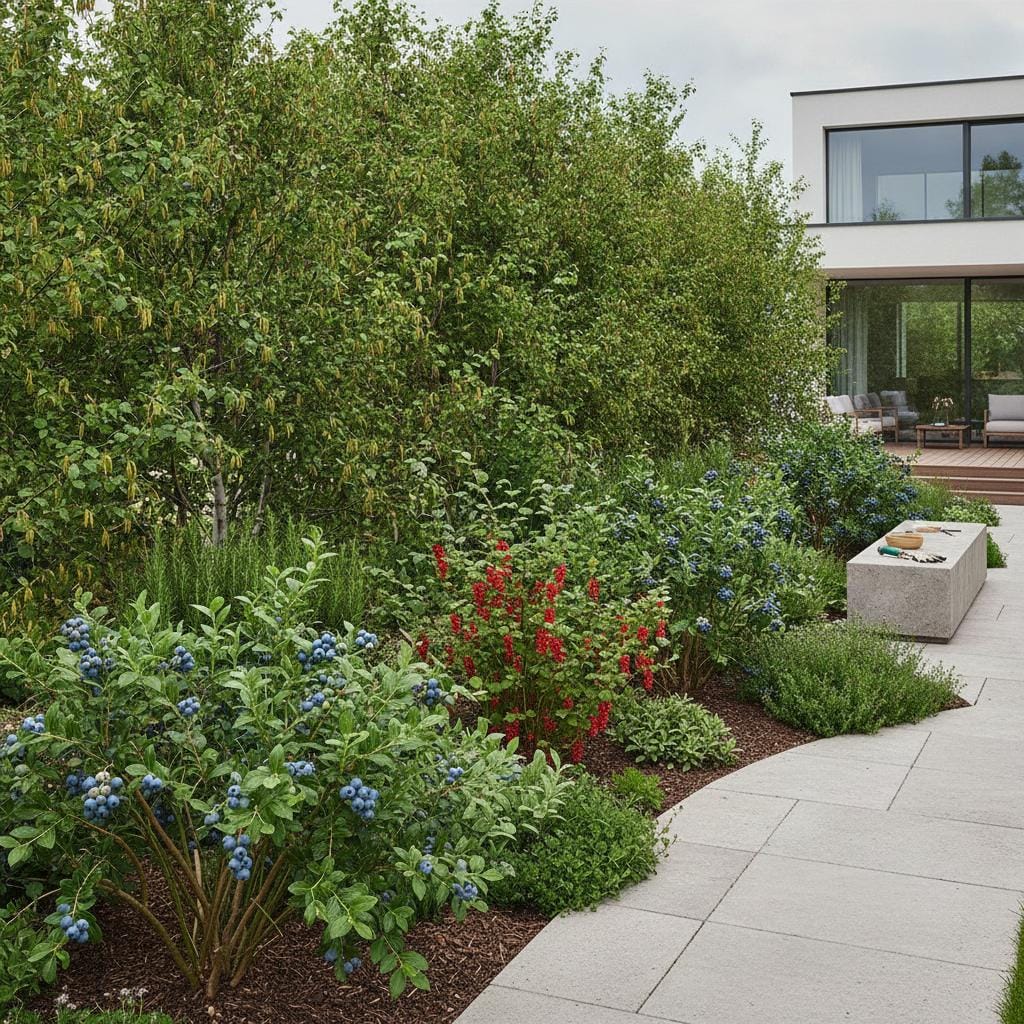
Incorporate height variations to maximize ecological depth. Low-growing groundcovers retain soil moisture and provide refuge for ground-dwelling insects. Mid-level shrubs yield berries for foraging and secure spots for nesting. Taller trees deliver canopy shade and elevated vantage points for birds. In compact spaces, combine dwarf varieties or introduce a single pollinator-friendly tree to simulate layered habitats without overwhelming the area.
Embracing Natural Imperfections
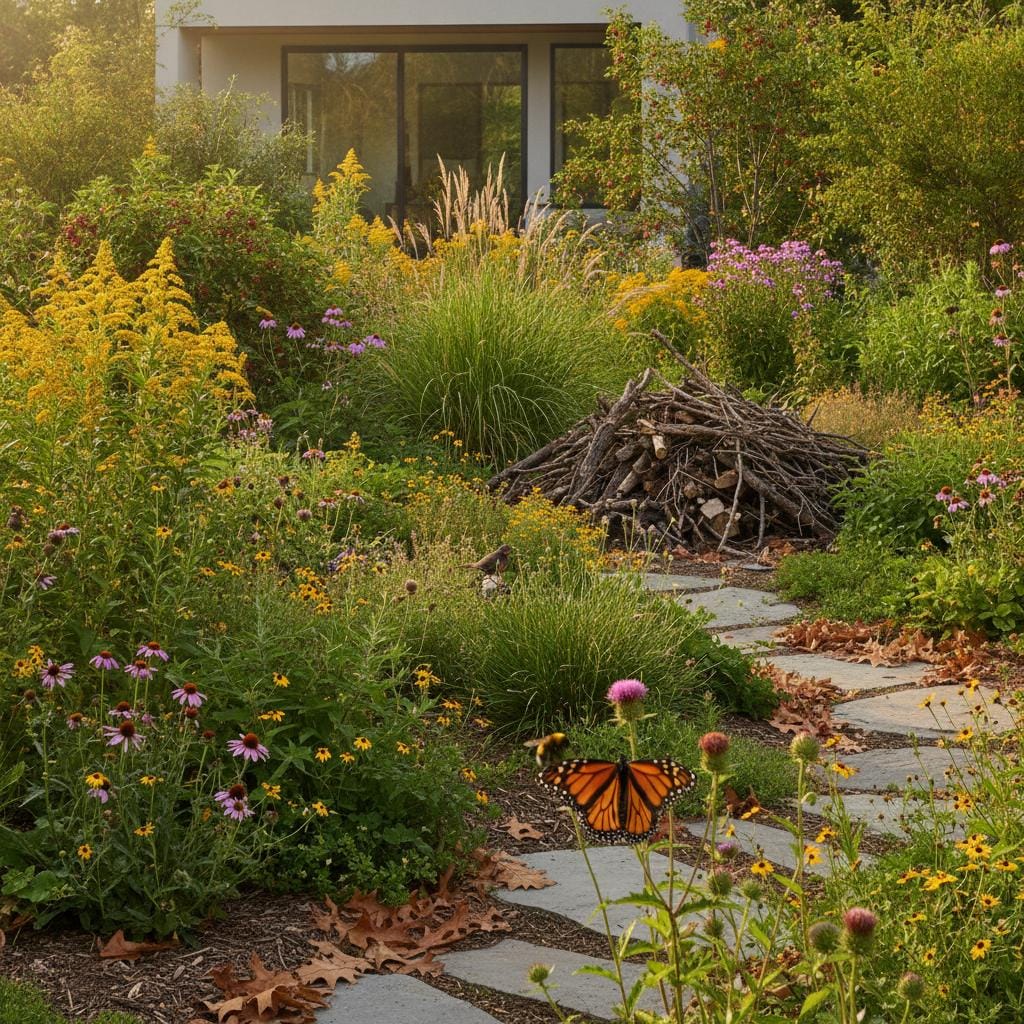
Striving for flawless uniformity often excludes wildlife. Exposed earth, accumulated foliage, and intact plant stems might seem untidy, yet they serve as vital habitats for myriad organisms. Designate a modest pile of branches or an unmowed wildflower zone during colder months to offer overwintering sites for insects and shelter for birds. This method shifts maintenance from domination to stewardship, fostering a supportive environment.
Coexisting with Returning Wildlife
As transformations take hold, your yard attracts a variety of inhabitants. Increased sightings of butterflies, bees, and songbirds signal success. Evenings may bring the calls of amphibians or the glow of fireflies, indicating reconnection to broader natural networks.
Unexpected guests, such as rabbits nibbling foliage or toads seeking shade, may appear. View these as allies in the revitalization effort, not pests. To manage interactions, modify the landscape thoughtfully: install subtle barriers like low hedges, elevate vulnerable plantings in raised beds, or create designated zones that accommodate both human preferences and animal behaviors.
Sustainable Maintenance Practices
Rewilding requires ongoing care aligned with natural cycles, not opposition to them. Implement these targeted routines to sustain health and accessibility throughout the year.
- Prune with Precision. Remove only overgrown branches that impede walkways or overshadow companions. Schedule cuts across seasons to ensure continuous cover for wildlife.
- Manage Weeds Discriminatingly. Distinguish beneficial self-sown plants that contribute to variety from invasive ones. Retain desirable volunteers to enrich the palette while removing threats to harmony.
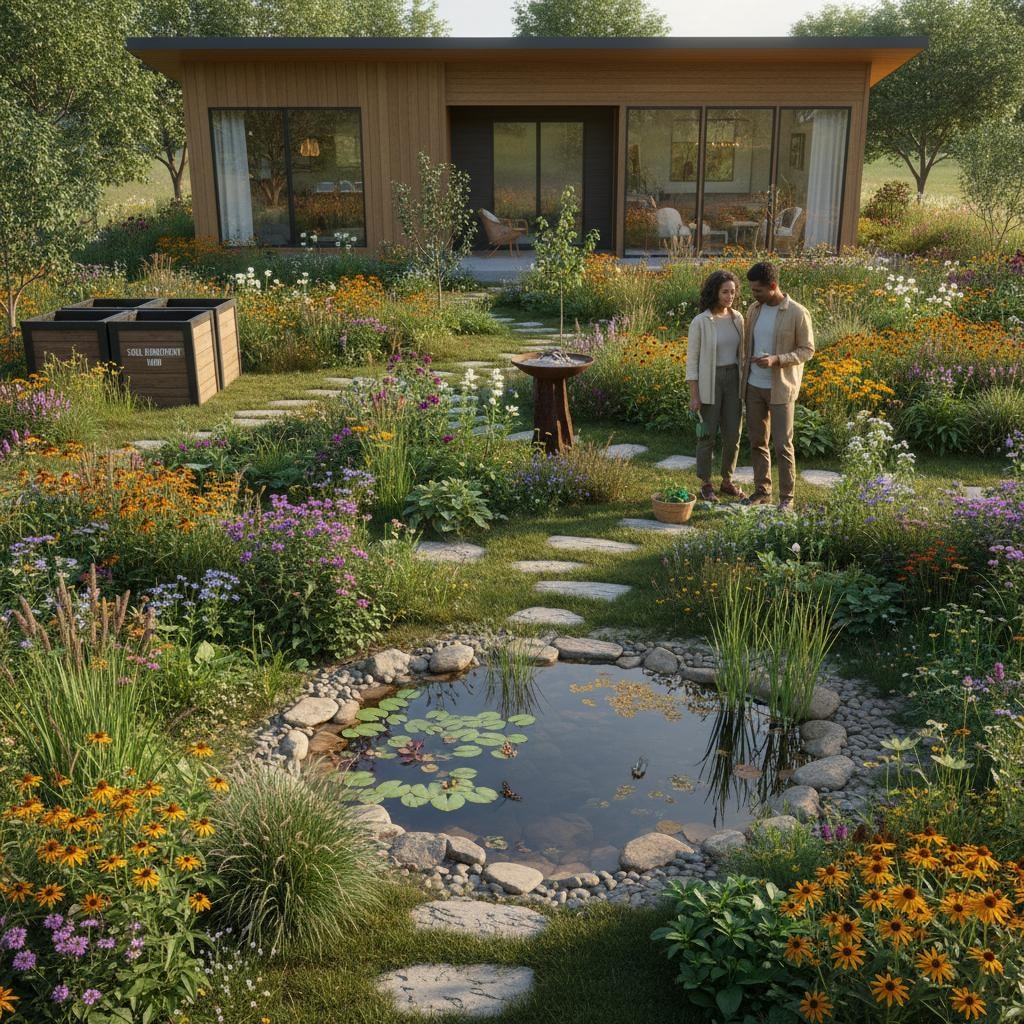
- Cycle Nutrients Through Composting. Incorporate fallen leaves and clippings back into the earth to promote soil fertility and minimize external waste.
- Monitor Actively. Dedicate time weekly to observe shifts in growth, wildlife activity, and soil conditions. These insights inform adjustments more effectively than fixed calendars.
Observing the Evolution of Your Landscape
With consistent effort, your yard develops a palpable energy absent in conventional turf. The ground emits a fertile aroma after rain. Dawn choruses of birds become routine. Spontaneous blooms emerge, adding surprise and delight.
Adapt based on real-time feedback. Relocate underperforming plants to better-suited locations. Introduce species tolerant of wetter zones if drainage issues persist. This collaborative approach evolves gardening from imposition to partnership, yielding deeper satisfaction.
Implementing Changes for Lasting Impact
Biodiversity restoration represents a enduring commitment to ecological well-being that enriches all involved parties.
Commence with manageable alterations, maintain inquisitiveness, and persist in stewardship. As cycles unfold, your space will resonate with vitality, mirroring your own growth. Through rewilding, true elegance arises from interdependence rather than imposition.