Meadows Are Replacing Lawns in This 2026 Garden Trend
Many homeowners are rethinking the classic green lawn. The new movement toward meadow gardens is changing how people design and maintain their yards. Instead of endless mowing and watering, more households are choosing low-maintenance meadows that provide natural beauty and support local wildlife.
Why Homeowners Are Letting Lawns Go
A traditional lawn takes time, money, and water to stay green. Between mowing every week, fertilizing, and controlling weeds, it can feel like a never-ending task. Meadow-style yards, on the other hand, grow with minimal effort once they are established.
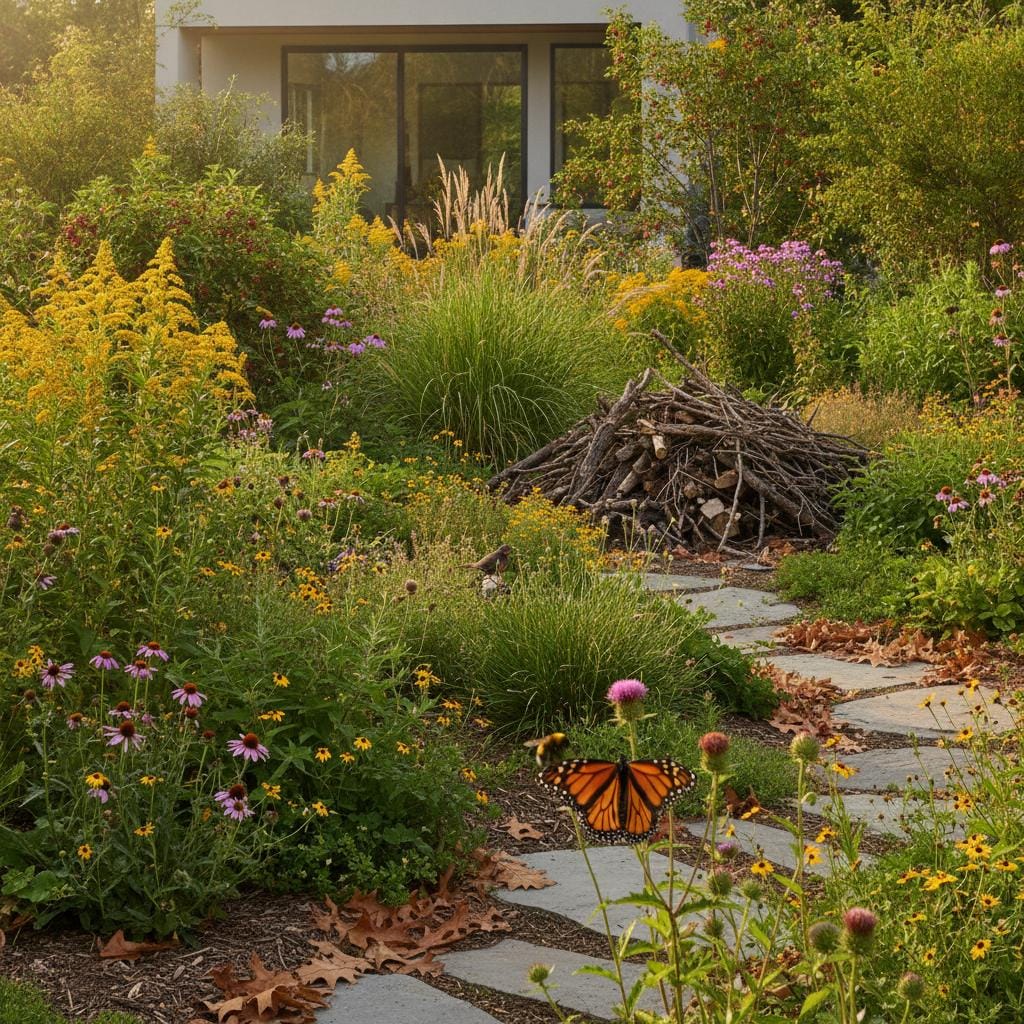
They rely on native grasses and wildflowers that thrive in local conditions, meaning fewer chemicals and less watering. Many people are also drawn to meadows because they attract bees, butterflies, and birds. These natural visitors help pollinate plants and bring life to outdoor spaces.
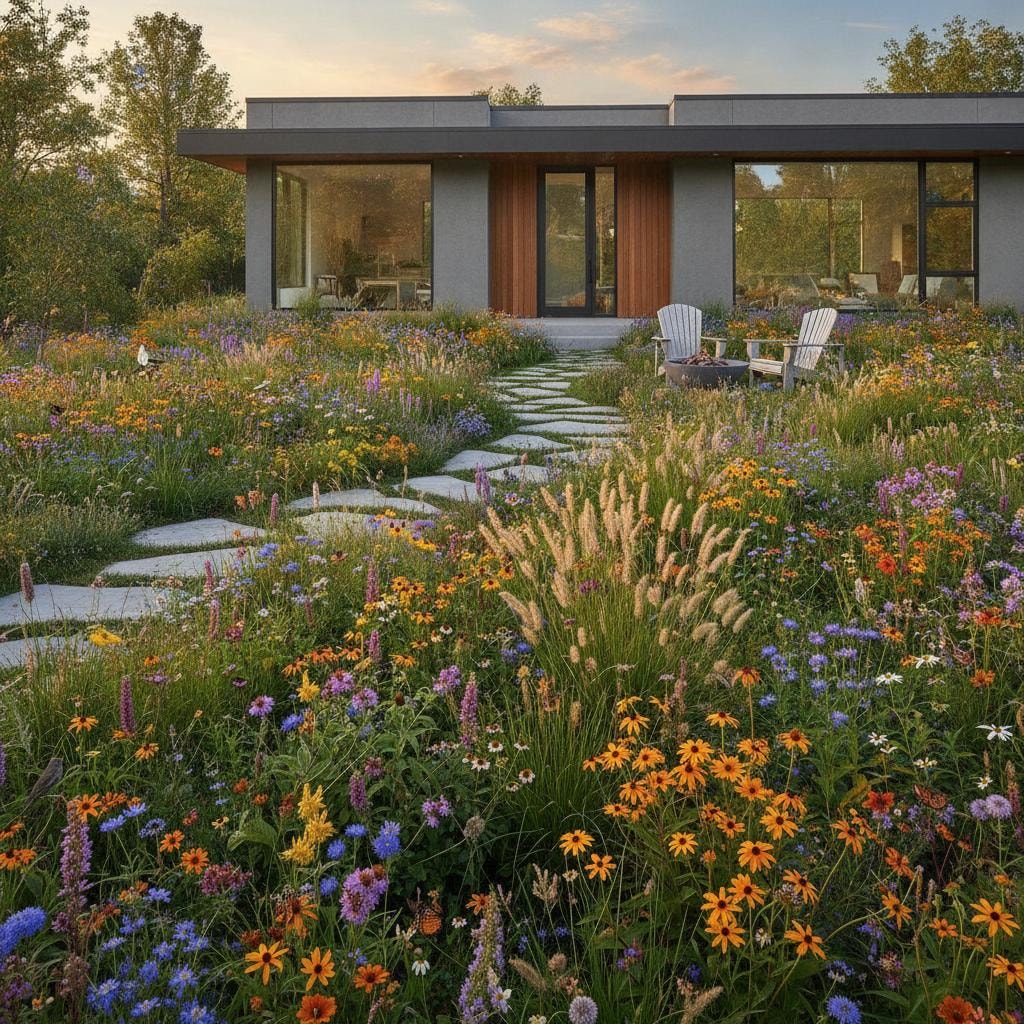
A meadow does not have to look wild or messy. With the right planning, it can look intentional and inviting.
What a Meadow Garden Looks Like
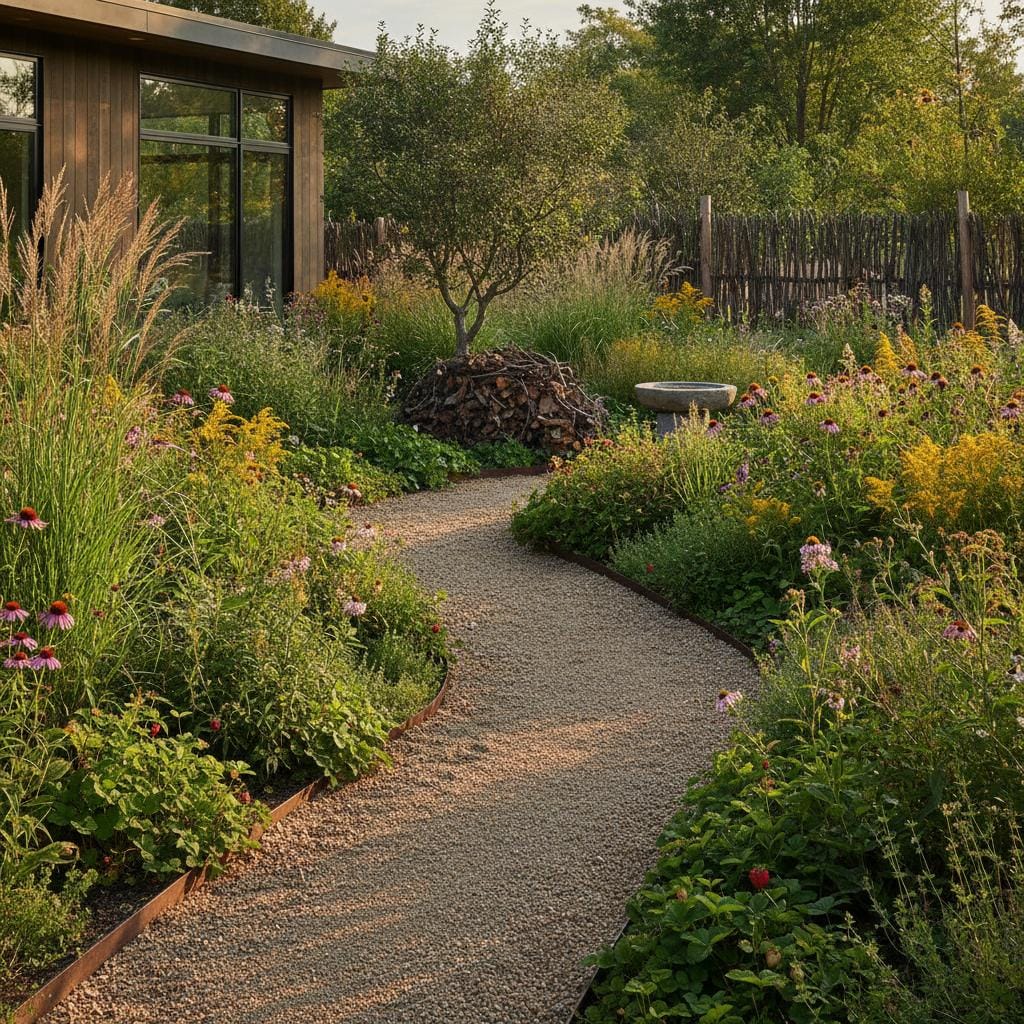
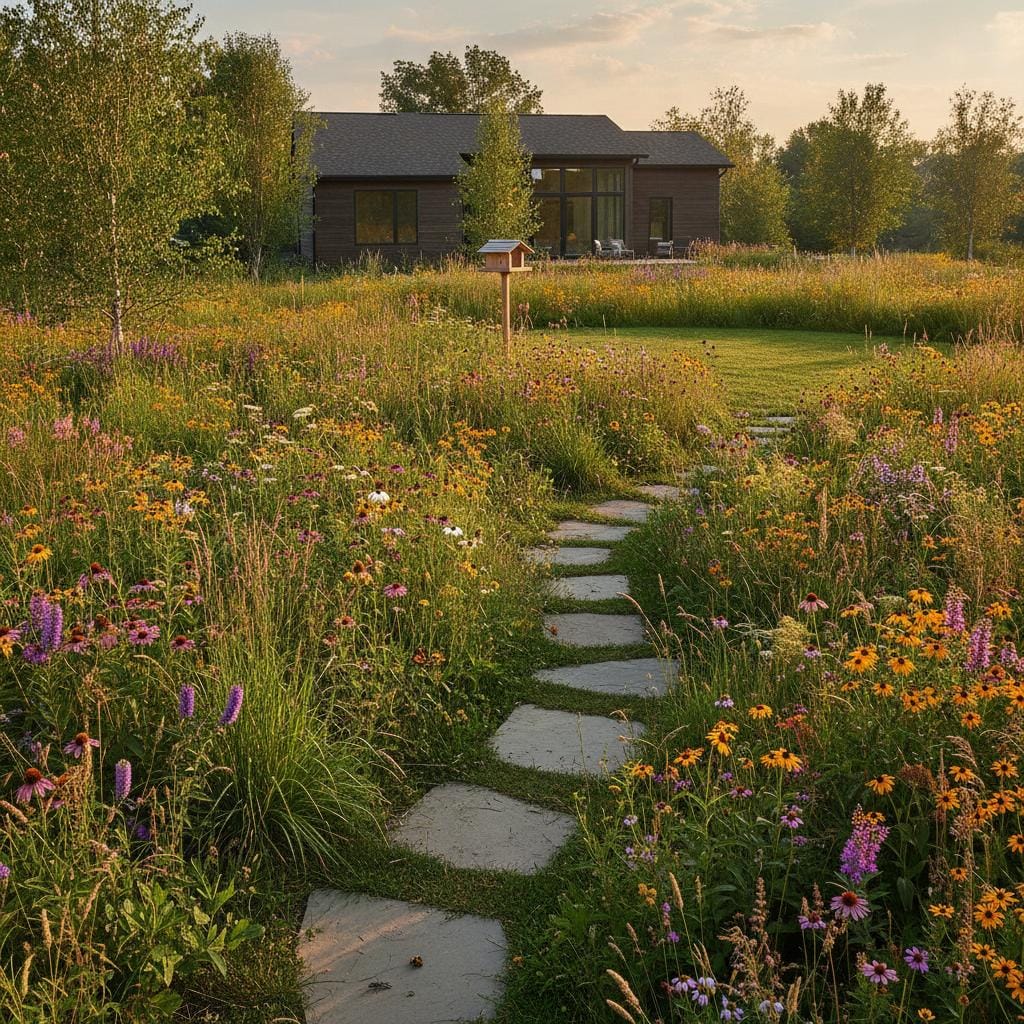
A meadow garden usually includes a mix of native grasses, perennials, and flowers that bloom at different times. This variety keeps the space colorful from spring through fall. Common choices include black-eyed Susans, coneflowers, asters, and native sedges.
Taller plants can be grouped toward the back of a yard, while shorter species fill in near walkways or patios. You can create a meadow in part of your yard instead of replacing the entire lawn. Many homeowners start small, converting a sunny patch or side area first.
Over time, the meadow can expand as you see how well it grows.
Cost and Effort to Get Started
Converting a lawn into a meadow takes some planning but does not require expensive materials. The main cost comes from seeds or starter plants. Native seed mixes usually cost less than turfgrass sod, running about one to two dollars per square foot.
If you hire a professional landscaper to prepare and seed the area, expect higher costs, but many homeowners handle it as a DIY project. You will need to remove existing grass before planting. This can be done by smothering it with cardboard, solarizing with clear plastic, or tilling.
Once the area is clear, you spread seed evenly, press it into the soil, and water lightly until sprouts appear. The first year often looks patchy, but by the second growing season, the meadow fills in.
Care and Maintenance Over Time
A meadow requires less attention than a lawn, but it still needs some care to stay healthy. You may need to mow once or twice a year to prevent woody plants from taking over. Early spring or late fall mowing is common.
Weed control is lighter too, as dense native growth helps crowd out unwanted plants. Watering is minimal once roots are established. Fertilizer is rarely needed, and pesticides are usually unnecessary.
This makes meadow gardens both eco-friendly and cost-effective.
Watching Your Garden Thrive
Switching from a standard lawn to a meadow changes how you experience your yard. Instead of constant upkeep, you get a living landscape that changes with the seasons. Birds nest, butterflies visit, and the colors shift as different plants bloom.
By letting go of the traditional lawn, you create a space that looks beautiful, supports wildlife, and saves time. Whether you start with a small corner or your entire yard, a meadow garden offers a rewarding alternative that keeps your outdoor space alive and full of character.