Front Yard Farms: The 2026 Edible Landscaping Trend
Many homeowners view their front yards as underutilized spaces limited to grass and shrubs. Edible landscaping transforms these areas into productive gardens that supply fresh food while enhancing visual appeal. This approach integrates vegetables, fruits, and herbs into ornamental designs without requiring a complete overhaul.
Edible landscaping merges vegetable gardening with landscape design principles. The outcome yields attractive yards that produce herbs, vegetables, and fruits. Homeowners increasingly treat outdoor spaces as sources of nourishment rather than mere decoration.
Observing Site Conditions
Walk the yard slowly to identify sun exposure patterns, drainage areas, and underused zones. A sunny spot may suit tomatoes while a shaded area supports mint growth. This observation phase reveals opportunities without immediate changes.
View the yard as an interconnected system. Fruit trees provide shade for lettuce while marigolds attract pollinators for cucumbers. Such relationships reduce maintenance needs over time.
Developing a Functional Design
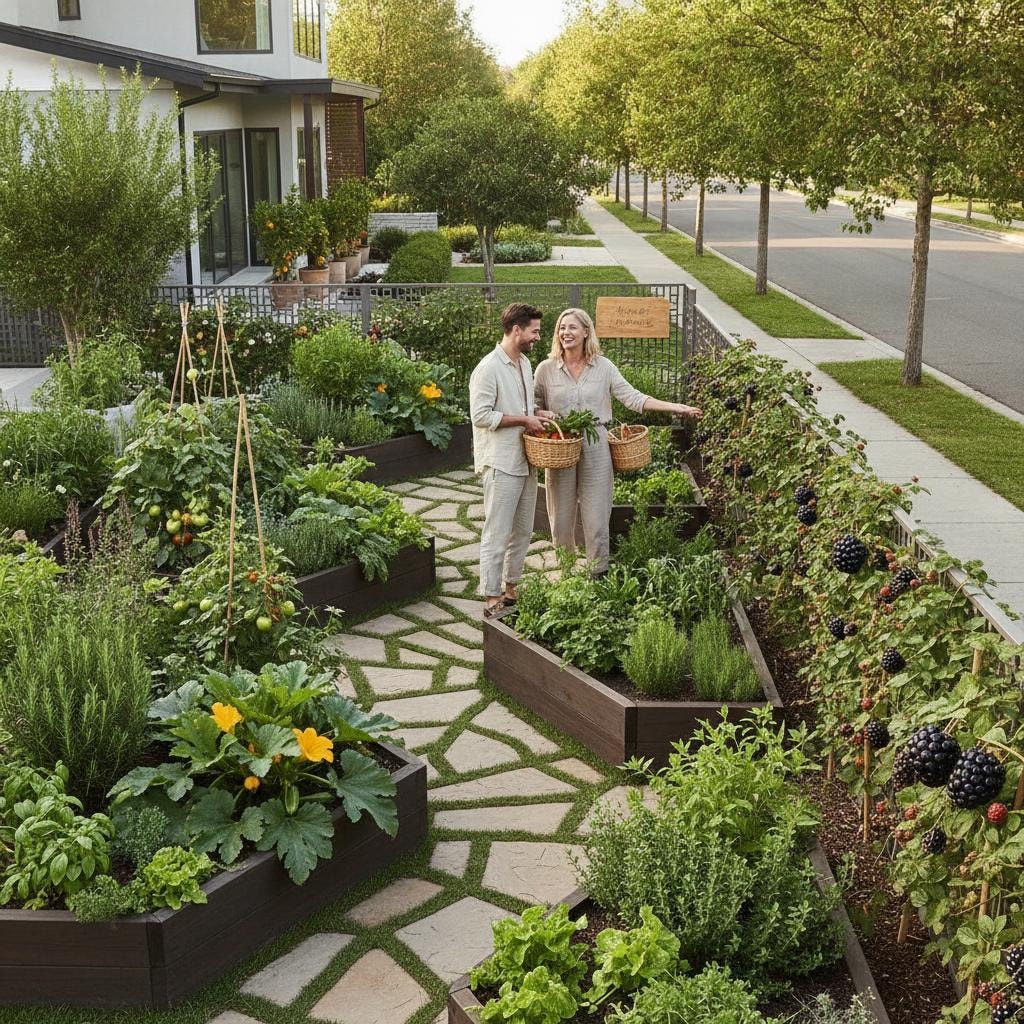
Define goals before selecting plants. Baskets of produce require different layouts than simple herb borders along walkways. Formal designs favor symmetrical raised beds while informal styles blend plants in flowing borders.
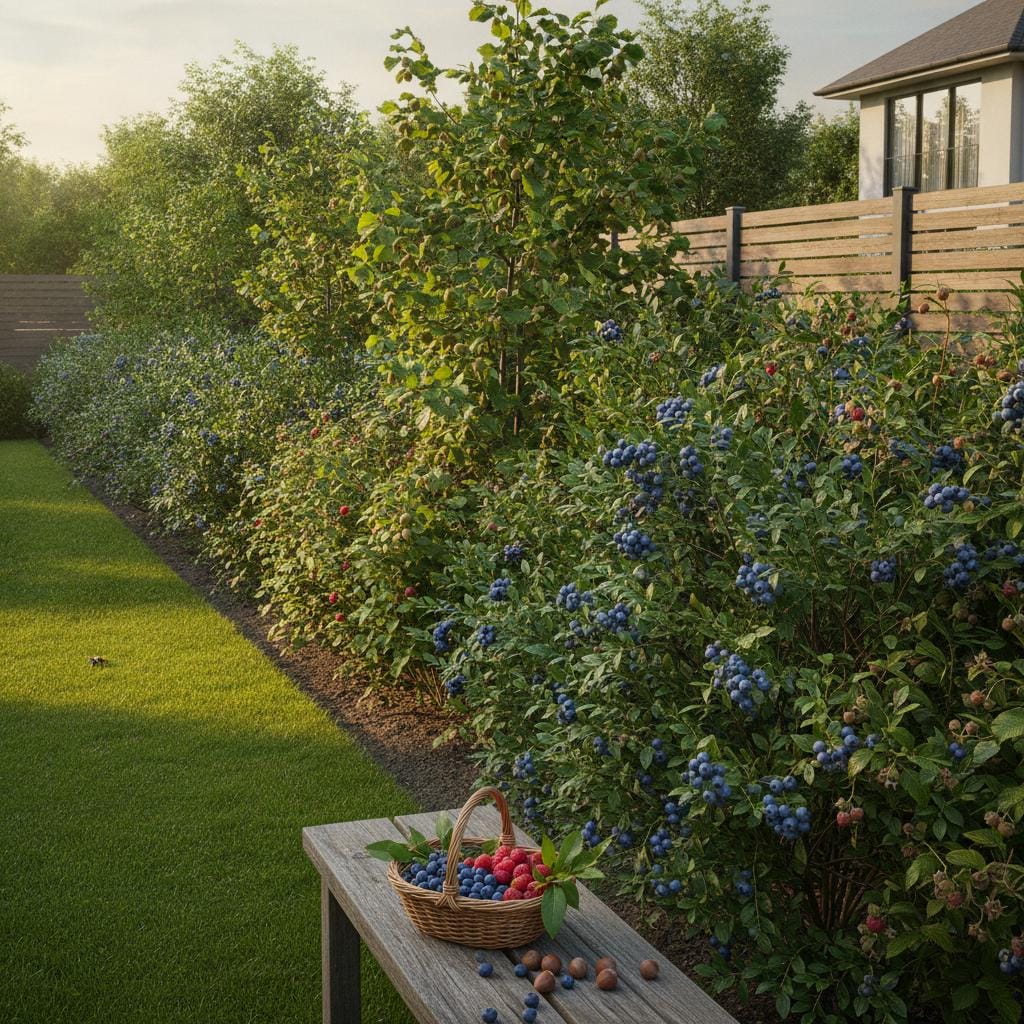
Choose species suited to local climate and light conditions. Blueberries and currants serve as shrubs with edible yields. Kale and Swiss chard add color while rosemary and thyme offer year-round structure and scent.
Repeat colors or plant types to unify the space. Silver foliage from herbs links separate sections. Include evergreens to maintain interest during winter months.
Establishing Soil and Infrastructure
Improve soil by incorporating compost to support root development. Loosen compacted areas before planting to promote drainage. Group plants by water requirements to streamline irrigation.
Install rain barrels or drip systems for efficient watering. Apply mulch to conserve moisture and suppress weeds. These steps create conditions for sustained plant health.
Constructing Beds and Access Routes
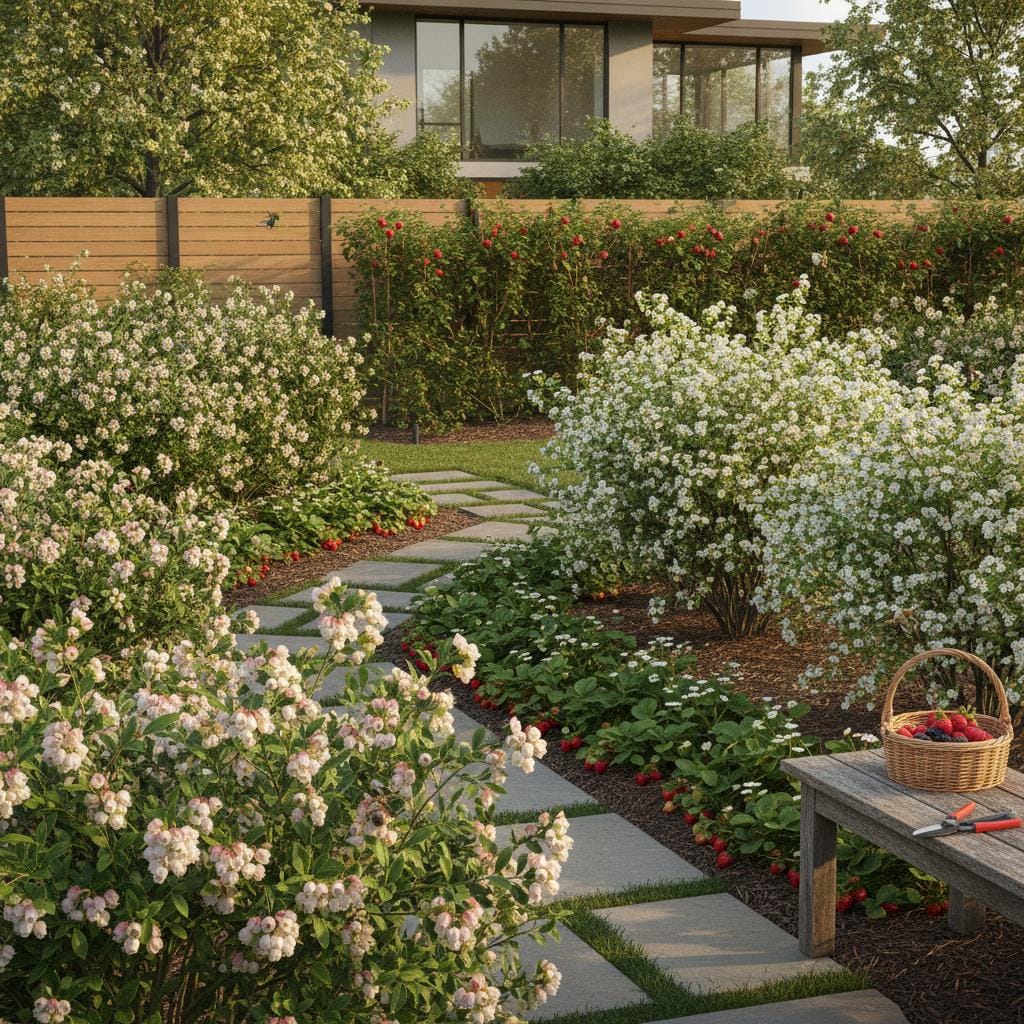
Form raised beds with stone, wood, or brick edges to organize plantings. Maintain wide paths using gravel or pavers for comfortable access during harvests. Such structures simplify care and define garden zones.
Combine edible crops with ornamental flowers. Lavender borders conceal lettuce rows while nasturtiums cascade over walls. These pairings support pollinators and limit pest issues.
Implementing Plant Layers and Features
Position tall elements such as fruit trees or sunflowers at the rear. Train climbing beans on trellises to add vertical interest. This layering maximizes space and creates visual depth.
Add focal points like a fruit tree or bench to anchor the design. Seating areas encourage time spent observing growth and harvesting produce.
Maintaining Neighborhood Compatibility
Keep edges neat and pathways clear to demonstrate intentional care. Low fences or borders help the garden integrate with surrounding lawns. A maintained appearance reduces potential concerns from passersby.
Managing Seasonal Care
Address soil building in spring and consistent harvesting in summer. Add cover crops in fall and prune dormant plants in winter. These cycles sustain productivity across the year.
Supporting Local Ecosystems
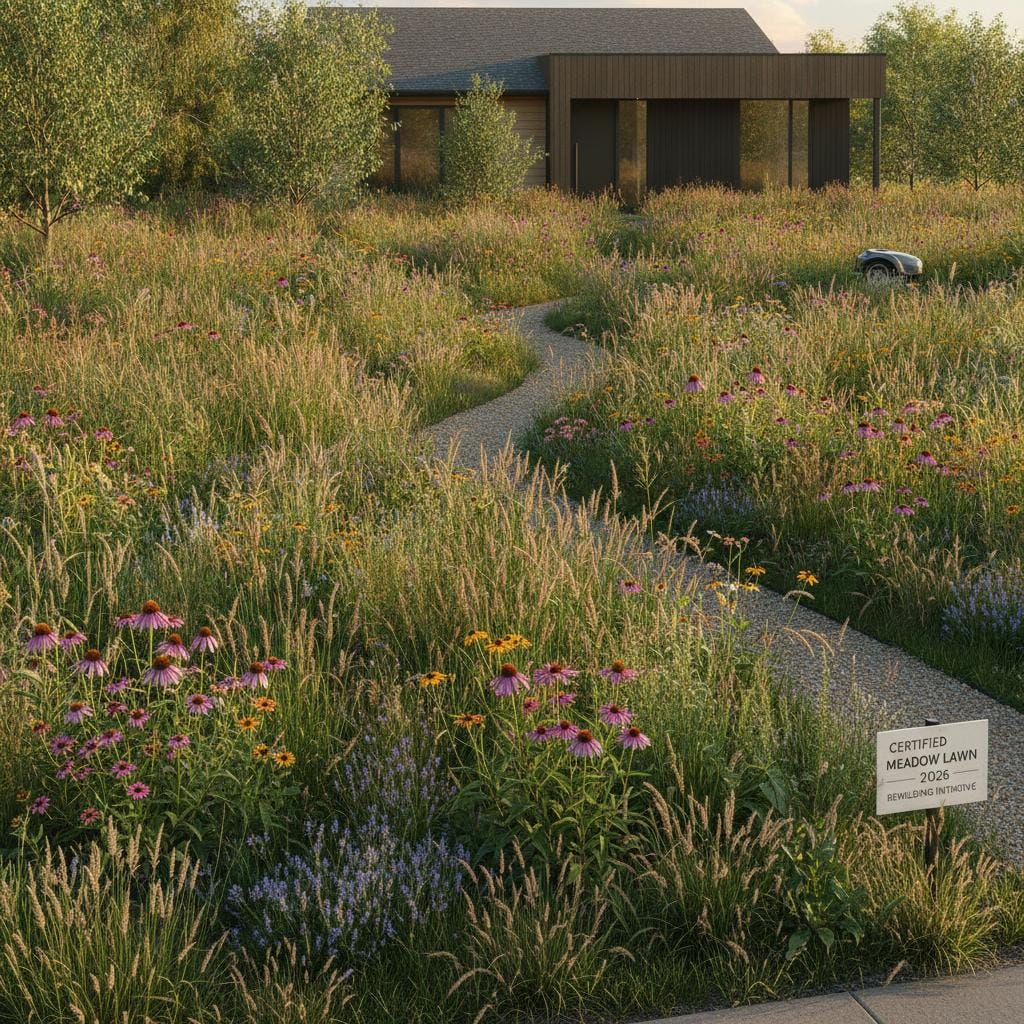
Plant native species to draw birds and insects. Eliminate chemical applications that disrupt pollinators. Biodiversity strengthens resistance to pests and increases yard vitality.
Refining Through Observation
Track which plants succeed and adjust selections accordingly. Perennial vegetables reduce annual replanting efforts. Edible flowers such as calendula introduce additional color and uses.
Building Community Connections
Front yard gardens prompt conversations with neighbors during walks. Sharing small harvests fosters local interest and may inspire similar projects nearby. Involving family members in planting and harvesting creates shared routines tied to seasonal changes.
Reaping Ongoing Benefits
Mature edible landscapes deliver daily access to fresh ingredients and a sense of personal achievement. Continued refinements keep the space responsive to changing needs and preferences.