Why Low-Mow Meadows Revitalize Your Yard
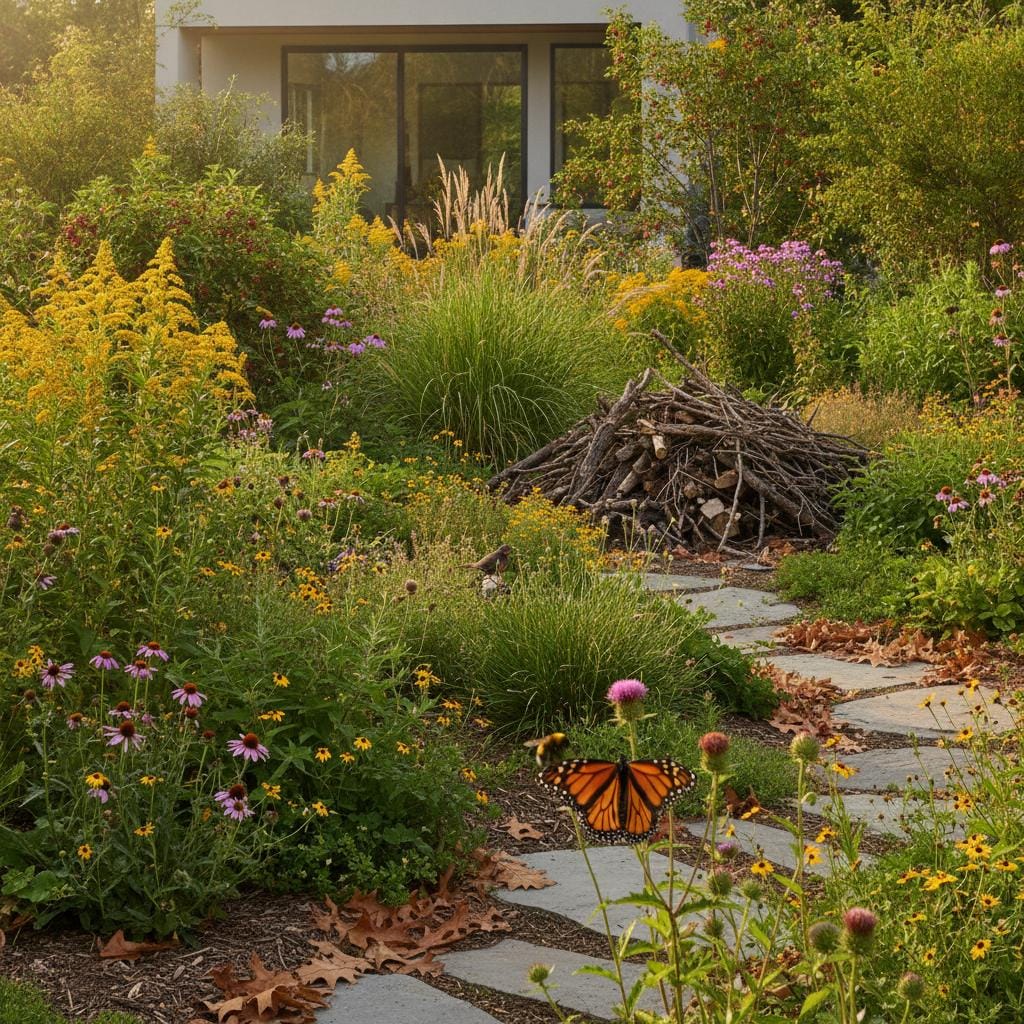
Consider a backyard where the mower sits idle more often, yet the space teems with activity. Butterflies dance among flowers, bees pollinate blooms, and the air carries a subtle hum of life. This scene emerges from adopting a low-mow meadow, an approach that replaces relentless turf maintenance with a sustainable, vibrant landscape.
Homeowners increasingly turn to low-mow meadows to foster ecological balance. These areas blend native plants into a natural tapestry that requires minimal intervention. The result combines aesthetic appeal with environmental benefits, allowing yards to support wildlife while demanding less time and resources.
Achieving Balance in Design
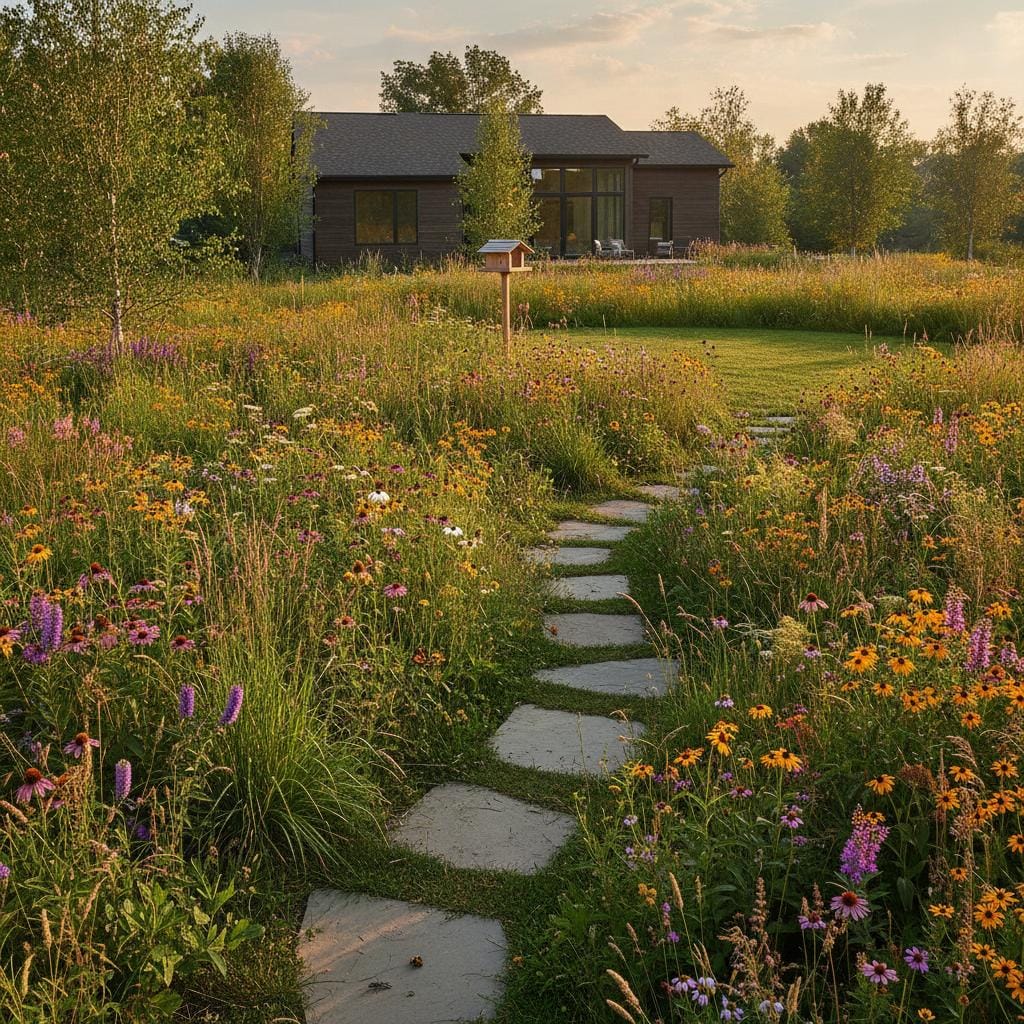
Effective low-mow meadows harmonize structured intent with natural growth. They avoid the uniformity of manicured lawns and the chaos of unmanaged wild areas. Instead, they create intentional spaces where plants establish themselves within defined boundaries.
Visualize the meadow as a partnership between gardener and nature. Select plants that suit local conditions, then allow them to develop organically. Grasses provide structure, while wildflowers introduce color and variety. This dynamic fosters a living environment that evolves with the seasons.
As you traverse the meadow, observe the subtle motions: swaying stems, drifting insects, and shifting light patterns. The space invites immersion, offering a sensory experience far removed from static turf. Over months, it develops a unique character shaped by soil, weather, and pollinator interactions.
Steps to Create Your Low-Mow Meadow
Begin by assessing your yard's unique features. Track sunlight exposure throughout the day, test soil moisture levels, and identify drainage patterns. These observations inform plant choices and placement for optimal establishment.
Step 1: Select and Prepare the Area
Choose a starting point that suits your experience level. Opt for a 10-by-10-foot section or a border along a property edge. Mark boundaries with edging material to contain growth and signal intentional design.
Clear existing vegetation by covering the soil with cardboard and mulch for several weeks, or use a sod cutter for quicker results. Till lightly to aerate without disturbing deep soil layers. This preparation minimizes competition from weeds and promotes root development.
Step 2: Select Native Plants
Build the base with resilient native grasses like little bluestem, which reaches 2 to 4 feet in height, or fine fescues for shorter profiles. Incorporate wildflowers such as black-eyed Susan for yellow summer blooms, purple coneflower for pollinator appeal, and yarrow for drought tolerance.
Aim for a mix of 60 percent grasses and 40 percent flowers to ensure coverage and diversity. Source seeds or plugs from regional suppliers to match your climate zone. This selection guarantees adaptation and reduces long-term care needs.
Step 3: Plant and Establish
Sow seeds in fall for cool-season grasses or spring for warm-season varieties, following package rates for even distribution. Water consistently during the first growing season to encourage germination, then taper to natural rainfall.
For plugs, space them 12 to 18 inches apart in a grid pattern. Mulch lightly around plantings to retain moisture and suppress early weeds. Expect initial thinning as plants compete, with full coverage emerging in one to two years.
Step 4: Implement Maintenance Practices
Mow the meadow to 4 to 6 inches high once annually, after seed set in late summer, to encourage reseeding and prevent woody invasion. Use sharp blades to avoid tearing stems. Spot-treat invasive weeds by hand-pulling rather than chemicals.
Trim edges quarterly to maintain neat borders adjacent to paths or structures. Rake debris in spring to refresh the area. These minimal tasks preserve the meadow's health while keeping it visually appealing.
Embracing the Visual Evolution
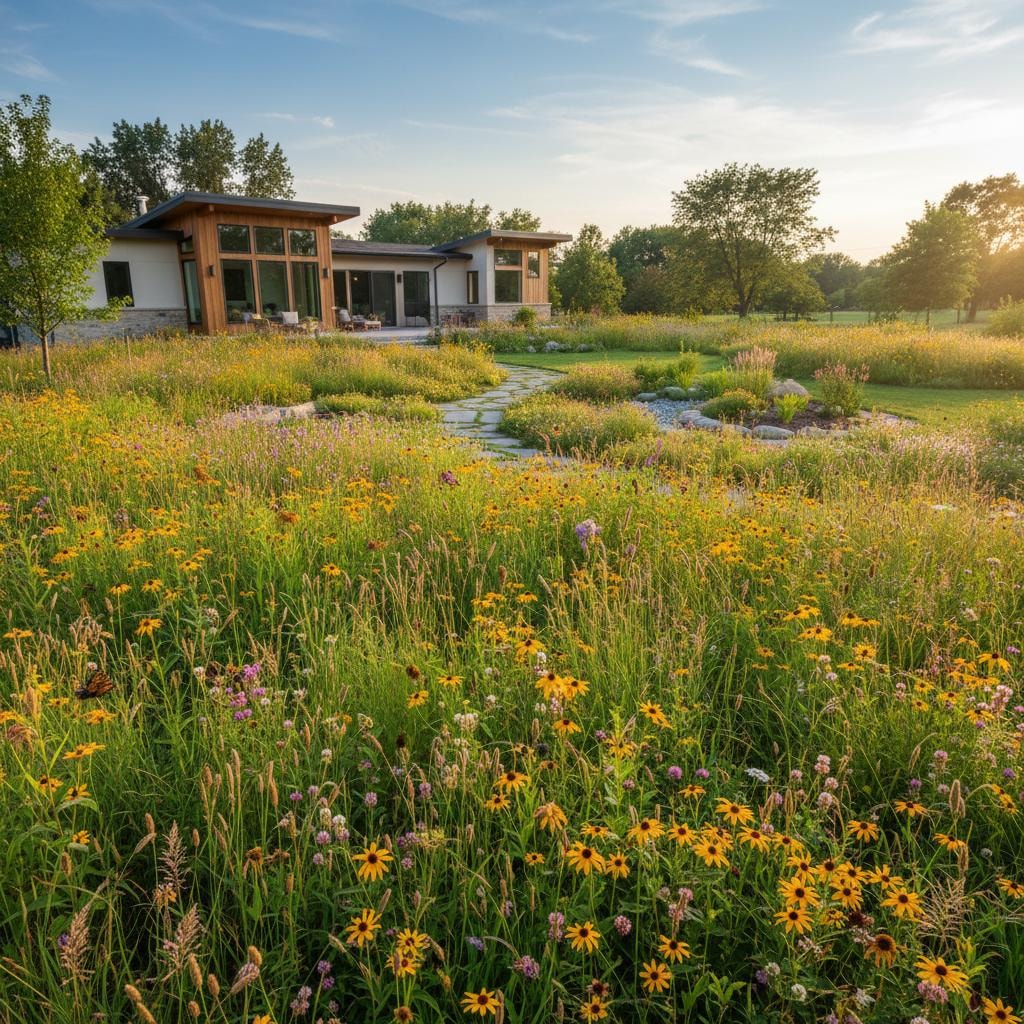
Low-mow meadows introduce dynamic visuals that contrast with uniform lawns. Seasonal shifts bring waves of color: spring greens yield to summer purples and yellows, followed by autumn golds. Textures vary from soft foliage to upright seed heads, creating depth and interest.
Address potential concerns about appearance by incorporating mowed paths or gravel borders. These elements frame the meadow, highlighting its purpose. Neighbors often come to appreciate the natural elegance once they understand its benefits.
The auditory experience enhances the appeal. Replace mower noise with the whisper of wind through grasses and chirps of visiting birds. This creates a serene backdrop for relaxation or observation.
Fostering Deeper Connections
Low-mow meadows extend beyond aesthetics to enrich emotional well-being. They encourage a mindset of stewardship over domination, building patience as plants mature at their pace.
Homeowners report a profound shift: yards transform from obligations into sanctuaries. Wildlife returns, drawing families closer to nature. Children explore textures and colors, while adults find solace in the meadow's gentle rhythms.
This setup promotes mindfulness. Regular visits reveal subtle changes, deepening appreciation for ecological processes. The result is a yard that nurtures both people and planet.
Adapting Through the Seasons
Mature meadows display distinct seasonal personalities. Spring awakens with fresh growth, summer showcases peak blooms, and fall scatters seeds amid fading colors. Winter reveals skeletal structures, with grasses standing resilient against frost.
Adapt to yearly variations influenced by rainfall or temperature. If one species dominates, introduce companions in off-seasons. Monitor progress through photos or journals to guide adjustments.
Engage actively by dividing vigorous plants every few years to propagate. This practice sustains vitality and expands the meadow. Over time, your space becomes a personalized ecosystem, responsive to your care and the environment.
Implementing Your Meadow Plan
Transition to a low-mow meadow starts with commitment to observation and patience. Gather tools like a soil test kit and native plant guide to inform decisions. Begin small to build confidence, then scale as results inspire.
Track progress against goals: reduced mowing time, increased biodiversity, and enhanced enjoyment. Consult local extension services for region-specific advice. With these steps, your yard evolves into a thriving, low-effort haven.