Gravel Gardens: Effortless Low-Maintenance Magic in 2026
Many homeowners experience fatigue from yard maintenance, such as battling persistent weeds or mowing expansive lawns. Yet they desire a vibrant, serene outdoor area. Gravel gardens offer a practical solution, delivering texture, color, and tranquility with minimal effort compared to conventional landscapes.
Seeing the Beauty in Simplicity
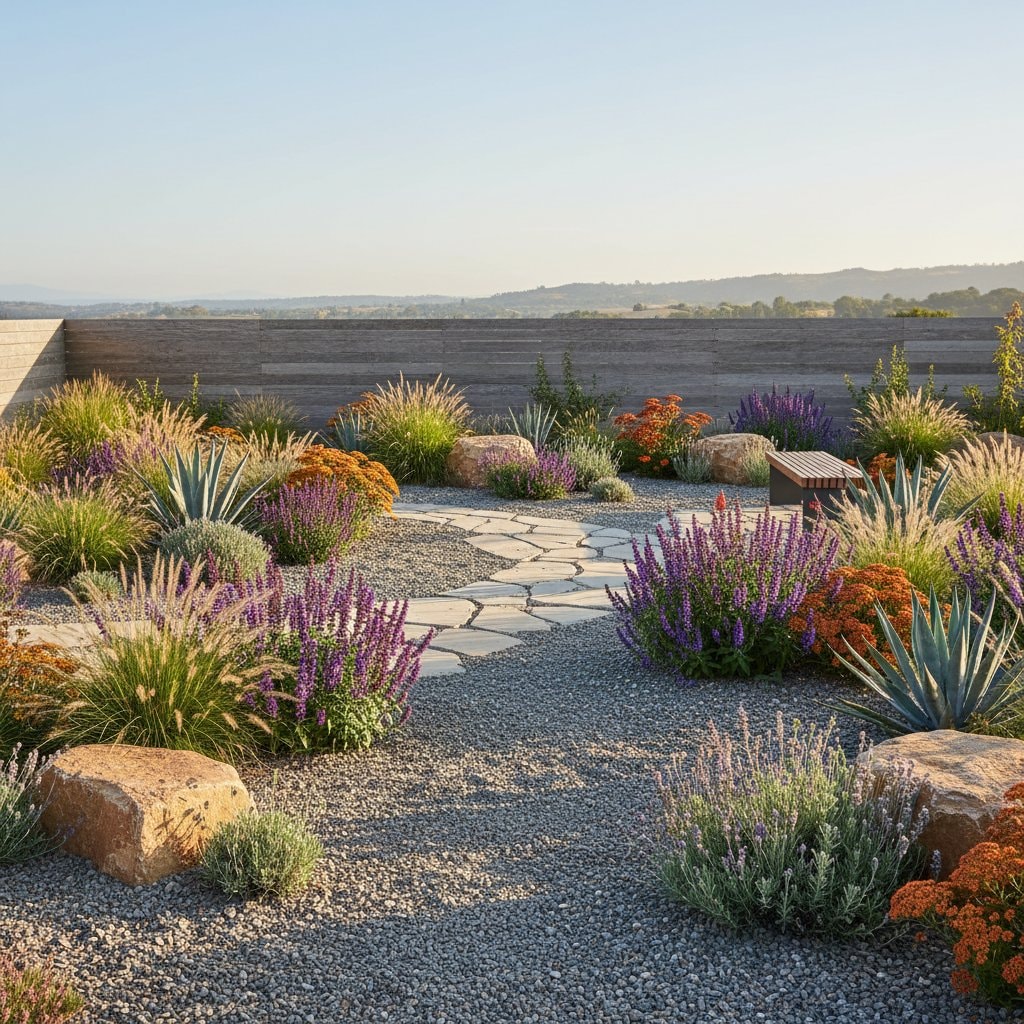
Gravel gardens embrace minimalism to achieve maximum impact. Designers replace water-intensive turf and flower beds with layers of stone, mulch, and resilient vegetation. The gravel serves as a neutral base that highlights individual elements like winding paths and focal plants without visual clutter.
This approach maintains greenery through selections adapted to sparse watering. Consider Lavandula angustifolia for its fragrant purple blooms, Sedum 'Autumn Joy' for succulent rosettes that shift from green to rust in fall, or Festuca glauca for blue-tinted ornamental grasses. Salvia officinalis adds evergreen structure and attracts bees. These choices ensure resilience during droughts while providing seasonal interest through foliage, flowers, and seed heads.
Assessing Your Space
Start by evaluating your yard systematically. Observe sunlight patterns throughout the day, noting full-sun zones ideal for gravel gardens, which typically require at least six hours of direct light. Identify low spots where water pools, as these may need amendment for better drainage.
Test soil texture by digging small test holes; amend heavy clay with coarse sand or additional gravel to promote percolation. Examine existing features, such as a neglected side yard or an undefined border along a fence. These areas often suit gravel designs, integrating seamlessly with the site's natural contours for an organic appearance.
Planning with Purpose
Develop a preliminary layout by sketching on graph paper or using free digital tools. Map traffic flow to position gravel paths at least three feet wide for comfortable passage. Designate zones for plant clusters, ensuring open gravel expanses create breathing room and reduce perceived maintenance.
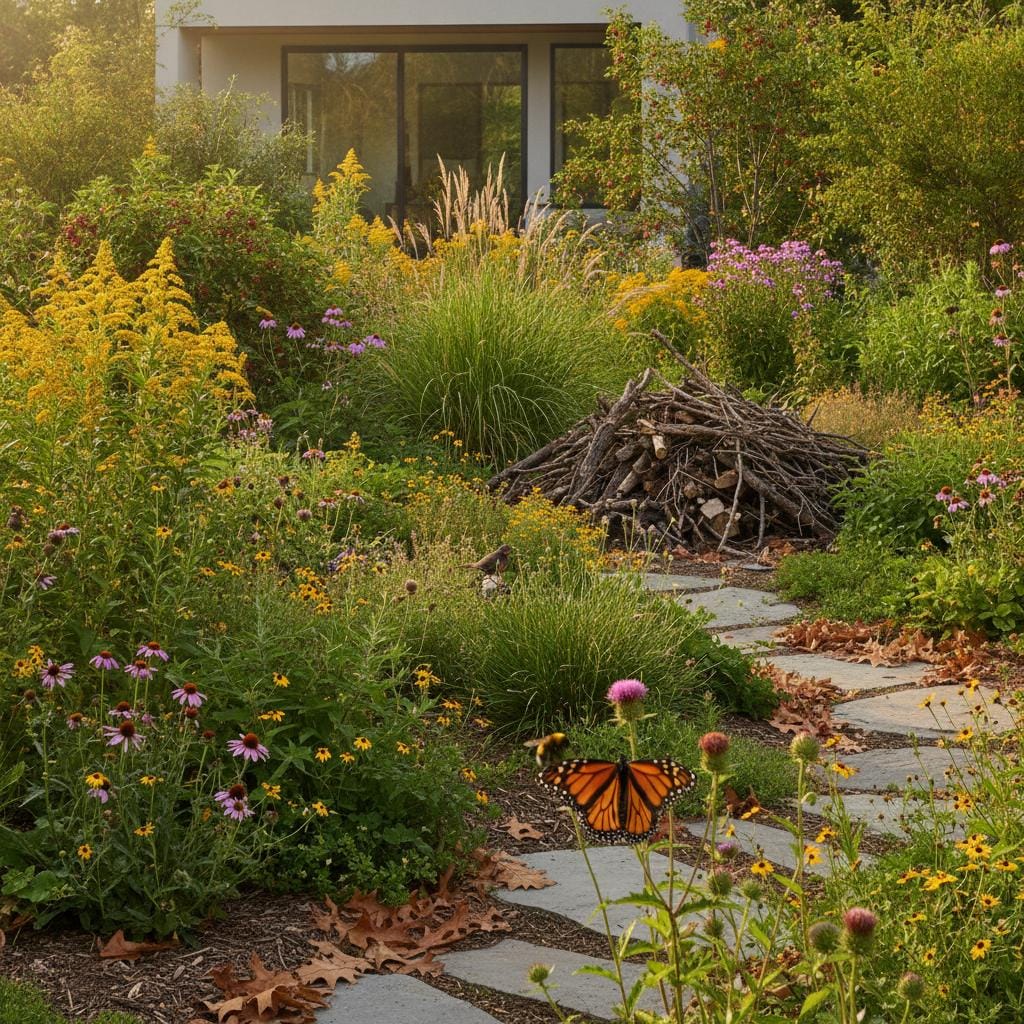
Select gravel varieties for varied aesthetics and function: pea gravel for smooth walking surfaces, 3/8-inch crushed granite for subtle sparkle, or larger 1-inch river rock for bold borders. For plants, aim for a mix of heights and forms; combine low-growing thyme with mid-height yarrow and tall feather reed grass. Space specimens according to mature size, leaving 18 to 24 inches between perennials to allow air circulation and natural expansion. Incorporate pollinator-friendly options like echinacea to enhance biodiversity.
Bringing It All Together
Prepare the site by removing sod and weeds, then till the soil lightly to a depth of four inches. Install permeable landscape fabric, securing it with staples every two feet to suppress future weed growth while allowing water infiltration.
Distribute gravel in layers: begin with two inches of base material like decomposed granite for stability, topped by one to two inches of decorative gravel. Edge beds with 4-inch-wide steel or plastic borders buried partially to contain materials. Plant drought-tolerant species in prepared holes twice as wide as the root ball, backfilling with a mix of native soil and compost. Water newly planted areas thoroughly once a week for the first month, then taper to biweekly sessions, adjusting for rainfall.
Maintenance remains simple. Rake gravel monthly to redistribute and remove debris. Prune perennials in late winter, trimming back dead growth to encourage fresh sprouts. Refresh gravel every two to three years by adding a thin top layer to maintain depth and vibrancy.
Watching Your Garden Thrive
Over time, a gravel garden evolves into a self-sustaining haven. Plants establish deep roots, drawing moisture efficiently from the soil beneath the gravel mulch, which conserves water and moderates soil temperature. Observe how sunlight warms the stones, drawing insects and birds that animate the space.
This design fosters relaxation, with soft gravel underfoot and rustling grasses providing gentle sounds. It aligns with sustainable practices, reducing water use by up to 50 percent compared to traditional lawns. Ultimately, the garden becomes an extension of your lifestyle, offering enduring beauty through thoughtful, low-effort choices.