Why Gravel Gardens Lead 2026 Low-Maintenance Trends
Consider the view of your yard and the exhaustion that accompanies thoughts of its upkeep. Patchy grass, persistent weeds, and insufficient watering tools often dominate the landscape. Envision an outdoor area that pulses with vitality and receives attention without consuming every weekend. A gravel garden addresses these challenges precisely.
Gravel gardens emerge as understated successes in landscaping. They deliver beauty, texture, and serenity with minimal effort after establishment. These designs appeal to occupied homeowners, environmentally aware gardeners, and individuals seeking a natural, enduring aesthetic that persists through seasons. The growing popularity of gravel gardens stems from their ability to collaborate with nature rather than oppose it.
The Appeal of Gravel Gardens
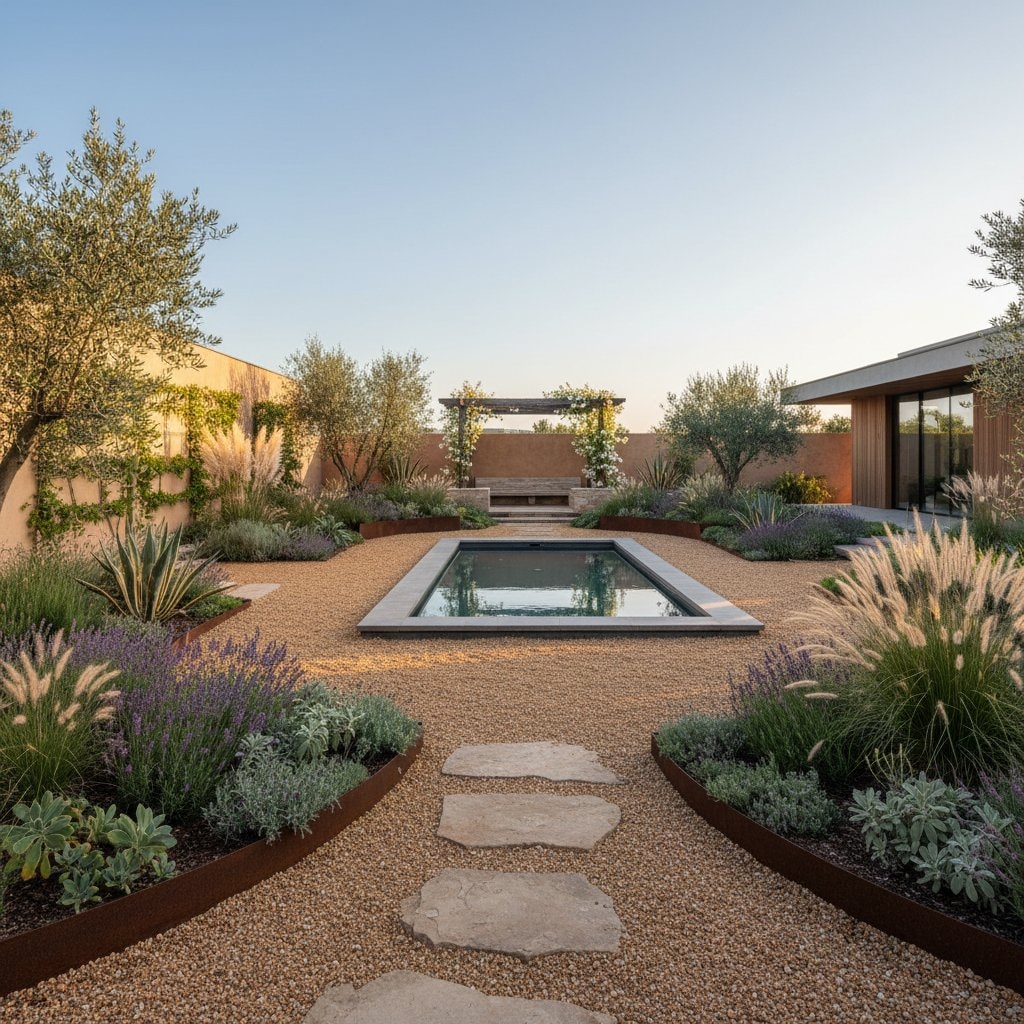
A gravel garden employs gravel as ground cover in place of grass or mulch. It combines drought-resistant plants with loose, well-draining soil to form an ecosystem that requires limited irrigation and maintenance. This approach draws from Mediterranean traditions, where extended dry periods influenced gardening practices. The result offers a relaxed, textured, and inviting appearance, featuring sun-loving, warmth-tolerant plants.
Simplicity defines the allure. Gravel retains soil moisture, suppresses weeds, and integrates seamlessly with contemporary or traditional architecture. It produces a gentle crunch underfoot and scatters light to expand the perception of space. The environment remains serene yet vibrant, with elements such as lavender, ornamental grasses, thyme, and rockrose threading among the stones.
Step One: Evaluate Your Site
Prior to introducing gravel or vegetation, examine your site thoroughly. Traverse the garden to identify sun exposure patterns, water accumulation zones, and dry soil areas. Gravel gardens excel in sunny, well-drained locations, though modifications enable adaptation to diverse conditions.
For clay-dominated soil, enhance drainage by incorporating coarse sand, crushed stone, or compost. Monitor rainfall patterns to ensure natural flow. This preparation establishes a base for sustained simplicity. Thorough assessment now minimizes future interventions.
Step Two: Develop Your Layout
Gravel gardens allow versatility, so deliberate on the desired ambiance. Opt for a wild, meadow-inspired arrangement or a structured, contemporary form? Gravel varies in texture and hue, ranging from warm amber shades to neutral grays. Selection influences the sunlight's effect on the area.
Group plants in natural clusters rather than linear rows to emulate wild growth. Incorporate expanses of exposed gravel for visual respite and to accentuate foliage. Integrate stepping stones or a compact seating nook embedded in the terrain. These elements encourage exploration and contemplative pauses.
Essential Layout Guidelines
- Sketch a preliminary diagram to anticipate spacing and equilibrium.
- Mix gravel particle sizes for authenticity; position larger pieces along borders for stability.
- Select hues that harmonize with your home's facade and adjacent terrain.
- Account for plant maturation; initial sparsity evolves as specimens expand.
Step Three: Implement the Design
With a solid plan, proceed to construction. Remove existing turf or weeds first. Install a permeable weed barrier if desired, although some opt for omission to promote natural integration. Distribute gravel in a two-inch layer. Cut apertures for plant placement.
Select varieties suited to arid, sunlit settings. Mediterranean herbs including rosemary, sage, and oregano flourish here. Ornamental grasses like blue fescue and feather reed grass provide structure. Succulents, sedums, and compact perennials introduce diversity and seasonal color. Irrigate deeply post-planting to secure roots, then permit the gravel to facilitate self-sufficiency.
Key Planting Techniques
- Excavate holes marginally wider than root balls for optimal establishment.
- Incorporate compost or grit into holes for enhanced drainage.
- Irrigate thoroughly initially, then taper frequency progressively.
- Refrain from dense planting; space allows for natural expansion.
Establishment demands attention during the initial months. As roots penetrate deeper layers, requirements diminish to periodic pruning or division.
Step Four: Maintain the Design
Ease defines gravel garden care. Gravel inhibits weed proliferation by limiting light and accelerating drying. Emerging weeds typically possess shallow roots, removable manually with ease. Irrigation proves unnecessary beyond natural precipitation for mature installations.
Rake gravel periodically to smooth disturbances from foot traffic or debris. Refresh the layer every few years if displacement occurs. Apply light pruning to maintain form and stimulate renewal. Aim for equilibrium where nature receives subtle guidance.
Routine Maintenance Summary
- Inspect for weeds monthly and extract prior to seeding.
- Shear perennials post-bloom to promote vigor.
- Add gravel upon noticing unevenness or compaction.
- Observe seasonal light variations and reposition potted accents for dynamic views.
Gradually, the garden acquires its inherent cadence. Sun warms the gravel, scents permeate the air, and pollinators frequent the blooms. These dynamics unfold with scant human involvement.
Benefits for Contemporary Lifestyles
Daily demands often render traditional lawns burdensome. Gravel gardens foster a forgiving, robust bond with exterior spaces. They endure across seasons while prioritizing sustainability and conservation. These designs complement seamless indoor-outdoor transitions.
This movement in landscaping signifies evolving perspectives on property stewardship. Gravel gardens promote alliance with natural processes, curbing water consumption, aiding pollinators, and retaining appeal amid aridity. The gravel insulates soil, moderating temperatures for root health.
Versatility enhances their rise. They accommodate compact urban patios, expansive country estates, or intermediate scales. Coastal or suburban settings alike benefit from this timeless, adaptive style that pairs with modern lines or heritage structures.
Initiate Your Project
For those desiring a serene, functional yard, a gravel garden marks a transformative choice. Commence modestly by converting a sunlit section or path with select drought-resistant specimens. The reduced demands and increased leisure become evident swiftly.
As proficiency increases, extend the layout, incorporate furnishings, or vary textures through gravel blends. What starts as a simplification effort may evolve into profound appreciation. Gravel gardens temper life's tempo, prompting observation of subtle shifts like light on stones or insect activity on herbs.
Observe Long-Term Success
Time reveals the gravel garden's true value. Plants mature, gravel compacts, and the composition gains permanence. A thoughtfully executed design withstands extremes of weather while upkeep remains nominal and allure consistent.
Sustain underlying soil by permitting organic decomposition. Decomposing petals, foliage, and clippings enrich naturally. This subtle loop fosters vitality without intensive measures. Confidence in the garden's autonomy develops, with interventions reserved for necessity.
Beyond conservation or labor savings, gravel gardens cultivate synergy between daily routines and surroundings. They affirm that unadorned approaches yield profound elegance.