Why Front Yards Are Becoming Edible Farms by 2026
Homeowners increasingly view front yards as opportunities for more than mere aesthetics. These spaces hold untapped potential for growing food that benefits both the landscape and daily life. The trend toward edible front yards combines visual appeal with self-sufficiency, allowing individuals to harvest fresh produce while maintaining an inviting exterior.
Recognizing Opportunities in Your Front Yard
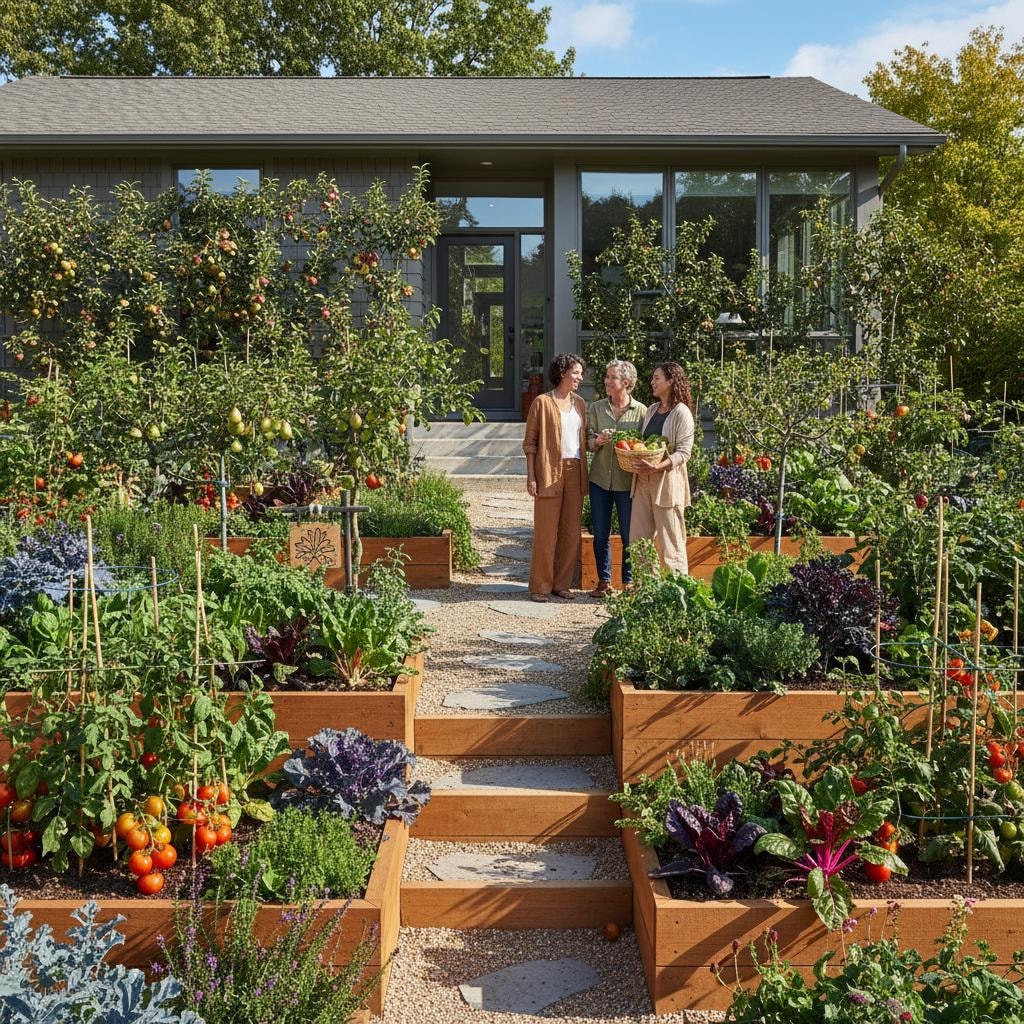
Traditional front yards often feature lawns and shrubs that require significant maintenance yet offer minimal returns. In contrast, these areas receive ample sunlight and provide accessible soil ideal for edible plants. Consider replacing sections of turf with raised beds or in-ground plots to cultivate items such as salad greens, berry bushes, or dwarf fruit trees.
This approach fosters a deeper connection to the environment. Planting edibles encourages mindfulness about resource use and promotes biodiversity. As a result, the yard transforms into a multifunctional space that supports personal well-being and ecological balance.
Evaluating Your Yard's Conditions
Start by observing your front yard's environmental factors. Track sunlight exposure over a full day to identify full-sun areas suitable for tomatoes or peppers, and partial-shade spots for herbs like mint or chives. Test soil drainage by digging a small hole and pouring in water; if it drains within two hours, the soil suits most vegetables.
Assess soil quality through simple tests. Squeeze a handful of moist soil; if it forms a ball that crumbles easily, it has good structure. For nutrient enhancement, incorporate two to three inches of compost annually, working it into the top six inches of soil. This preparation ensures plants establish strong roots and yield abundant harvests.
Designing an Integrated Edible Landscape
Effective planning balances aesthetics and productivity. Select plants that serve dual purposes, such as nasturtiums that add vibrant flowers while their leaves and seeds provide edible greens. Group compatible species to optimize space, like interplanting basil with tomatoes to deter pests naturally.
Create visual interest through varied heights and forms:
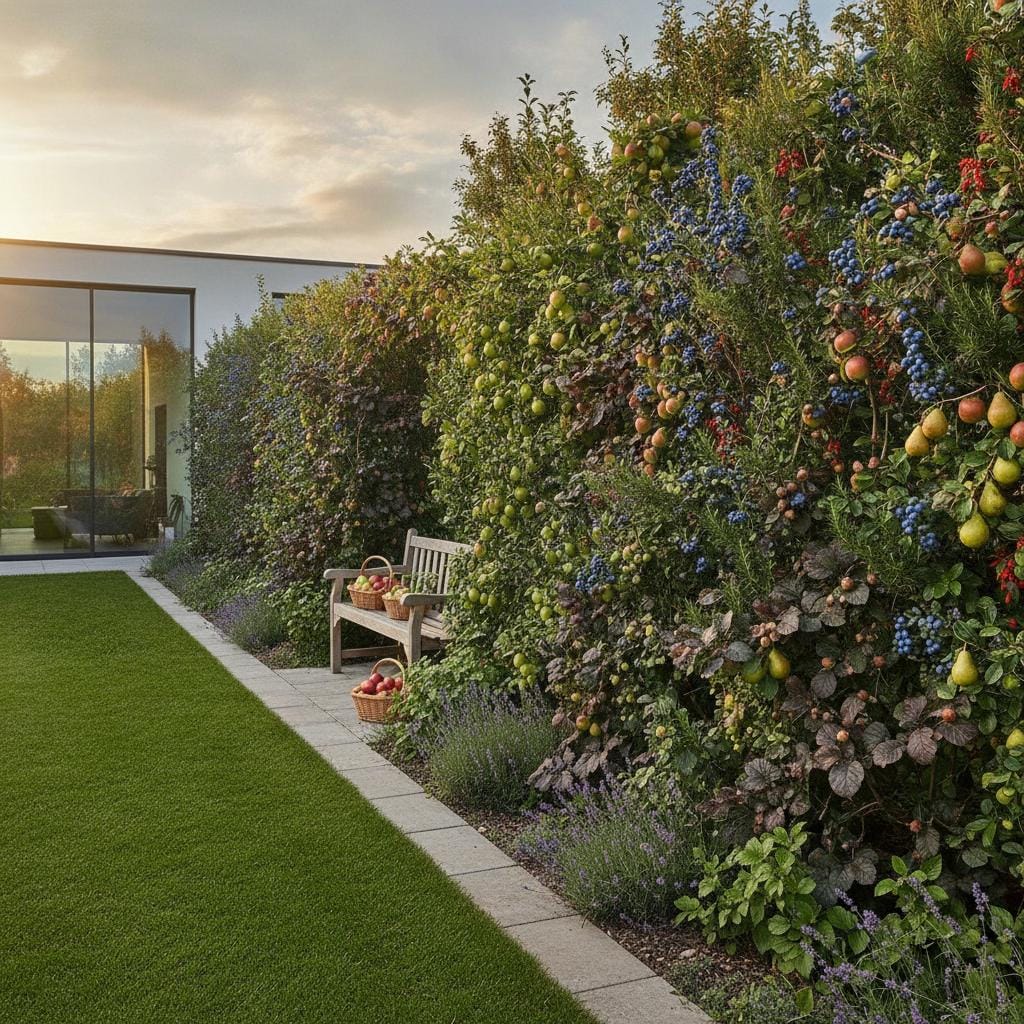
- Position tall elements, such as espaliered fruit trees or pole beans, at the back to frame the design.
- Place mid-height crops, including bush beans or zucchini, in central areas for easy access.
- Line pathways with ground covers like thyme or strawberries to soften edges and prevent soil erosion.
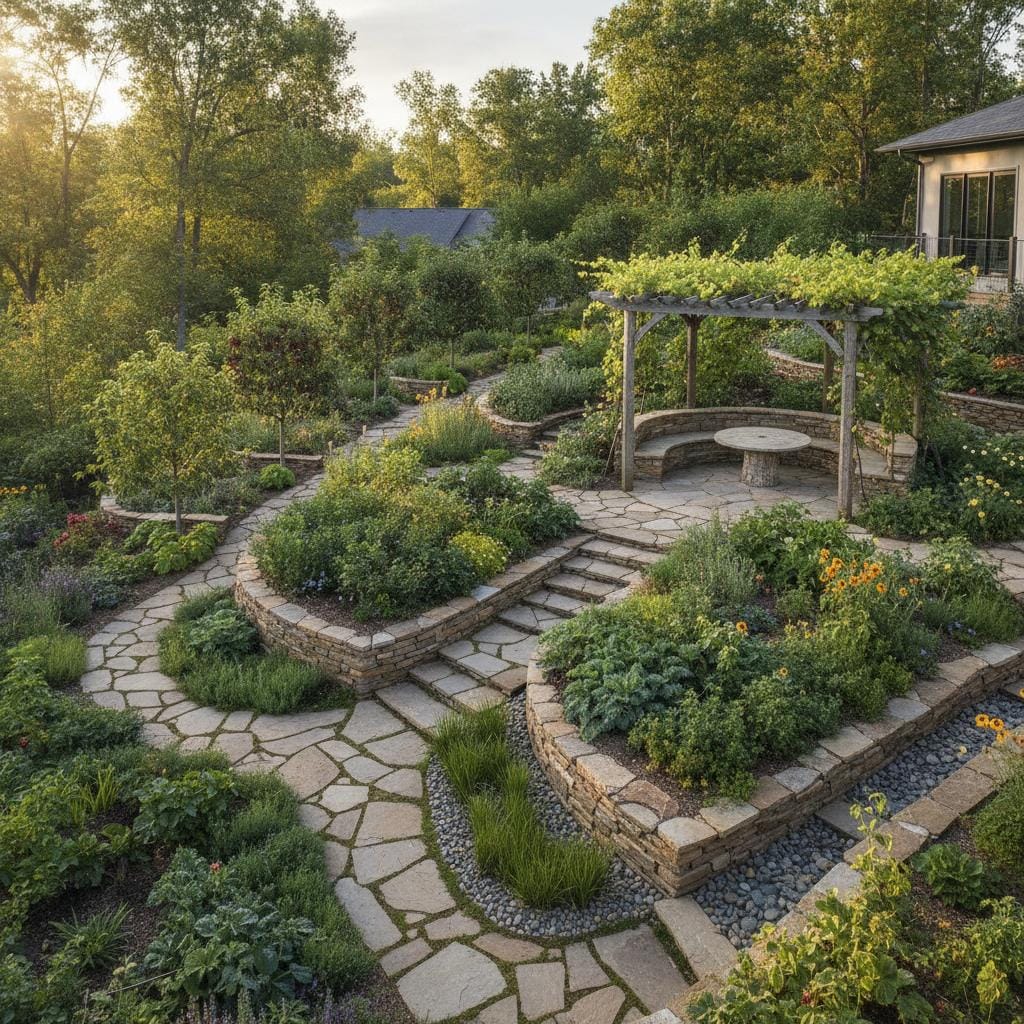
Incorporate hardscape features for functionality. Install permeable pavers for walkways that allow rainwater infiltration, supporting garden health. Such designs not only facilitate harvesting but also elevate the yard's curb appeal, blending seamlessly with neighborhood standards.
Implementing Your Edible Garden Step by Step
Begin modestly to build experience. Select a 4-by-4-foot area and plant easy starters like radishes, which mature in 25 to 30 days, or spinach for quick greens. Prepare the bed by removing sod, loosening soil to 12 inches deep, and adding organic matter.
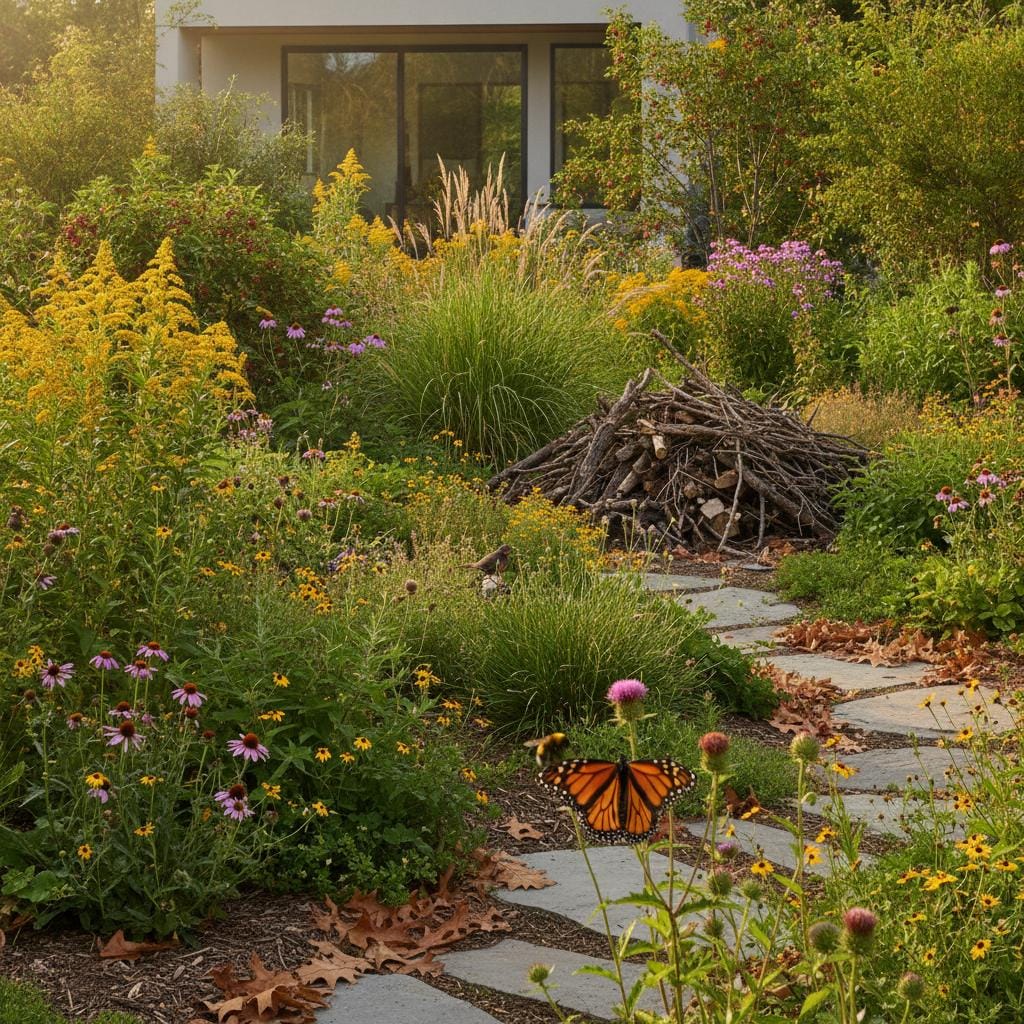
Gradually expand by substituting ornamentals with edibles. Replace hedges with currant bushes for tart berries, or use echinacea as a border that attracts pollinators and offers herbal tea leaves. For vertical space, install trellises for climbing peas or cucumbers, maximizing sunlight without crowding.
Maintain moisture with two inches of organic mulch, such as shredded leaves, applied after planting. Cycle kitchen scraps through a compost bin to generate nutrient-rich amendments, reducing waste and bolstering soil fertility over seasons.
Fostering Community Connections
Edible front yards extend beyond personal use to strengthen social bonds. Display signage or offer samples to encourage neighborly interactions, sparking discussions on gardening techniques. Involve family members by assigning tasks, such as weeding or watering, to teach sustainability from an early age.
Organize informal swaps for excess produce, like trading surplus zucchini for a neighbor's apples. These practices cultivate a sense of shared abundance, turning individual efforts into collective benefits. Over time, such yards can inspire community-wide initiatives, like block planting for diverse harvests.
Sustaining Your Garden's Health
Consistent care ensures long-term success. Irrigate deeply once or twice weekly, aiming for one inch of water to promote drought-resistant roots. Monitor for issues like aphids by introducing beneficial insects, such as lacewings, or using neem oil sprays as a natural remedy.
Prune selectively to encourage vigor; remove dead leaves from brassicas like broccoli to improve airflow and reduce disease risk. Replenish soil with compost tea, brewed by steeping compost in water for 24 hours, applied monthly during the growing season. These methods preserve soil microbiology, leading to resilient plants and consistent yields.
Harvesting and Adapting Over Time
Observe plant performance each season to refine your approach. Note which varieties, such as heat-tolerant lettuce types like 'Black Seeded Simpson,' excel in your microclimate. Adjust layouts based on growth patterns, perhaps relocating sun-loving herbs to brighter spots.
The rewards emerge in routine harvests and evolving beauty. Fresh-picked ingredients enhance meals, while blooming edibles add seasonal color. This iterative process builds expertise, turning the yard into a personalized, productive haven.
Advancing Toward a Productive Oasis
Converting your front yard to an edible farm aligns with broader sustainability goals. It reduces grocery reliance, lowers water use through efficient planting, and enhances local biodiversity. Begin with targeted changes, such as a single herb border, to gain momentum.
As the garden develops, it reflects intentional living. Homeowners report greater satisfaction from spaces that provide tangible returns. Embrace this shift to create a front yard that sustains health, beauty, and community for years ahead.