How Dark Sky Rules Transform Outdoor Lighting Choices
A harsh beam from an unshielded garage light can wash out the night sky and alter the natural appearance of surrounding trees and lawns. Such illumination disrupts the serene beauty of outdoor spaces. Dark Sky rules address these issues by promoting thoughtful lighting practices that preserve the night's tranquility while ensuring functionality.
These regulations focus on balance and environmental respect rather than eliminating light entirely. They encourage reevaluation of light intensity, direction, and fixture types. Homeowners apply these principles to elements like driveways, pathways, and garden accents, fostering designs that safeguard property and the broader night sky.
Understanding the Purpose Behind Dark Sky Rules
Dark Sky laws aim to curb light pollution, where stray light escapes upward or sideways, obscuring stars and interfering with wildlife behaviors. This pollution also leads to energy waste and creates distracting glare in outdoor areas. Communities enforce these codes to maintain peaceful atmospheres for residents.
Key objectives include directing light downward to targeted areas, moderating overall brightness to avoid harsh contrasts, and favoring warm color temperatures that harmonize with natural darkness. These standards apply to urban planning and residential settings alike. Every outdoor light source influences the collective nighttime environment.
Choosing Fixtures That Respect the Night
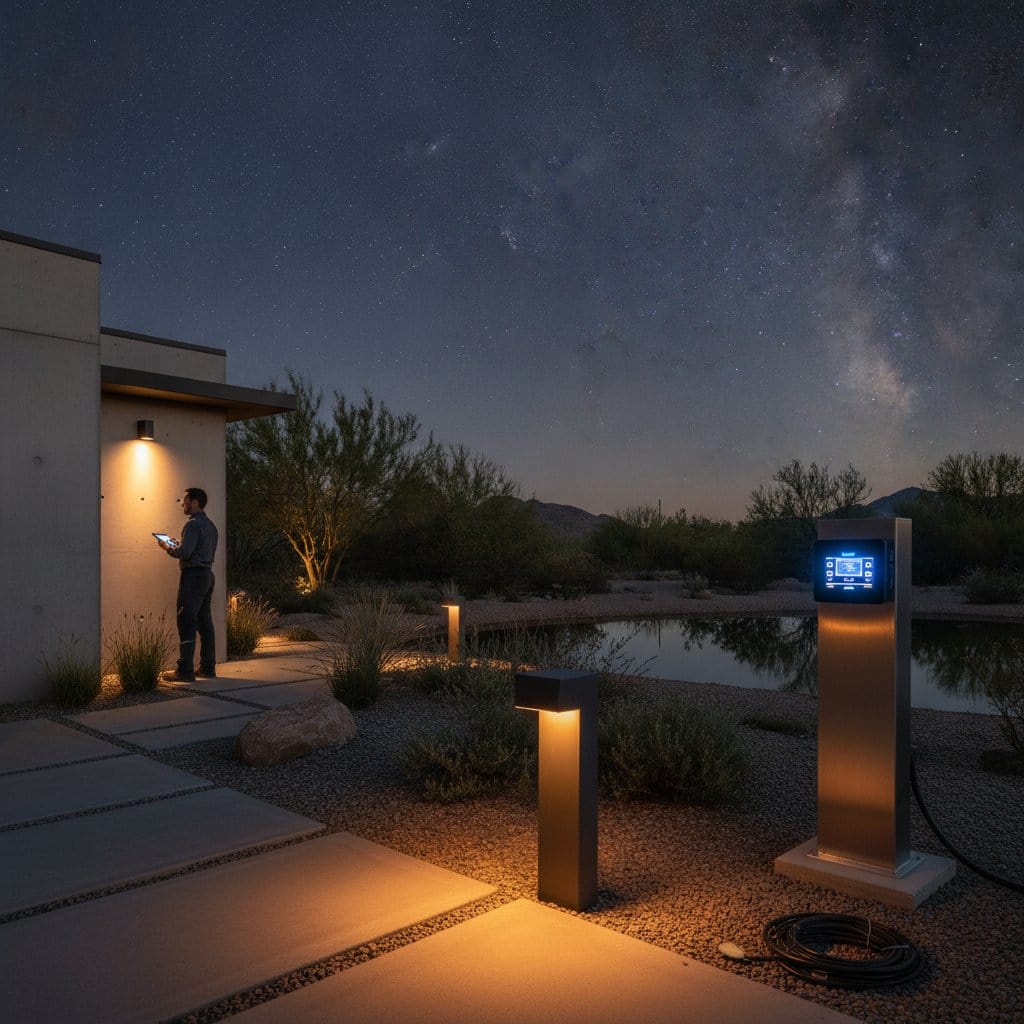
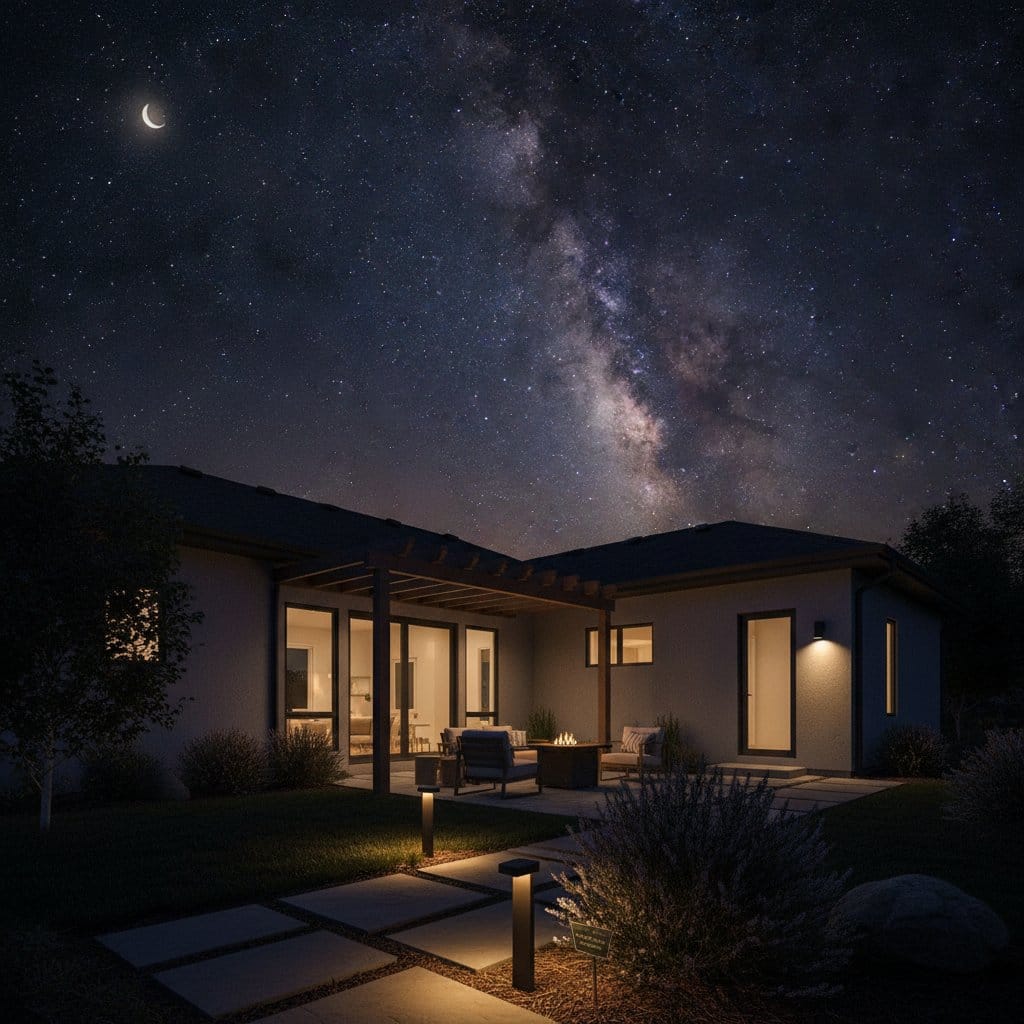
Effective Dark Sky-compliant lighting relies on fixture construction. Fully shielded designs recess the bulb and direct beams toward the ground or intended surfaces, preventing upward or lateral spill. For instance, pathway lights produce focused pools of illumination on walkways without encroaching on adjacent gardens.
Product labels such as "Dark Sky compliant" indicate adherence to these standards. These fixtures feature minimalist forms that integrate seamlessly with daytime landscapes and provide subtle nighttime glow. Prioritize utility over ornamentation to achieve a cohesive, understated lighting scheme.
The Shift in Aesthetic Perspective
Transitioning to Dark Sky principles presents a design opportunity for those accustomed to vivid displays. Subdued lighting accentuates textures in stone walls, wooden decks, and plant foliage through gentle contrasts. Shadows add dimension and intrigue to the overall composition.
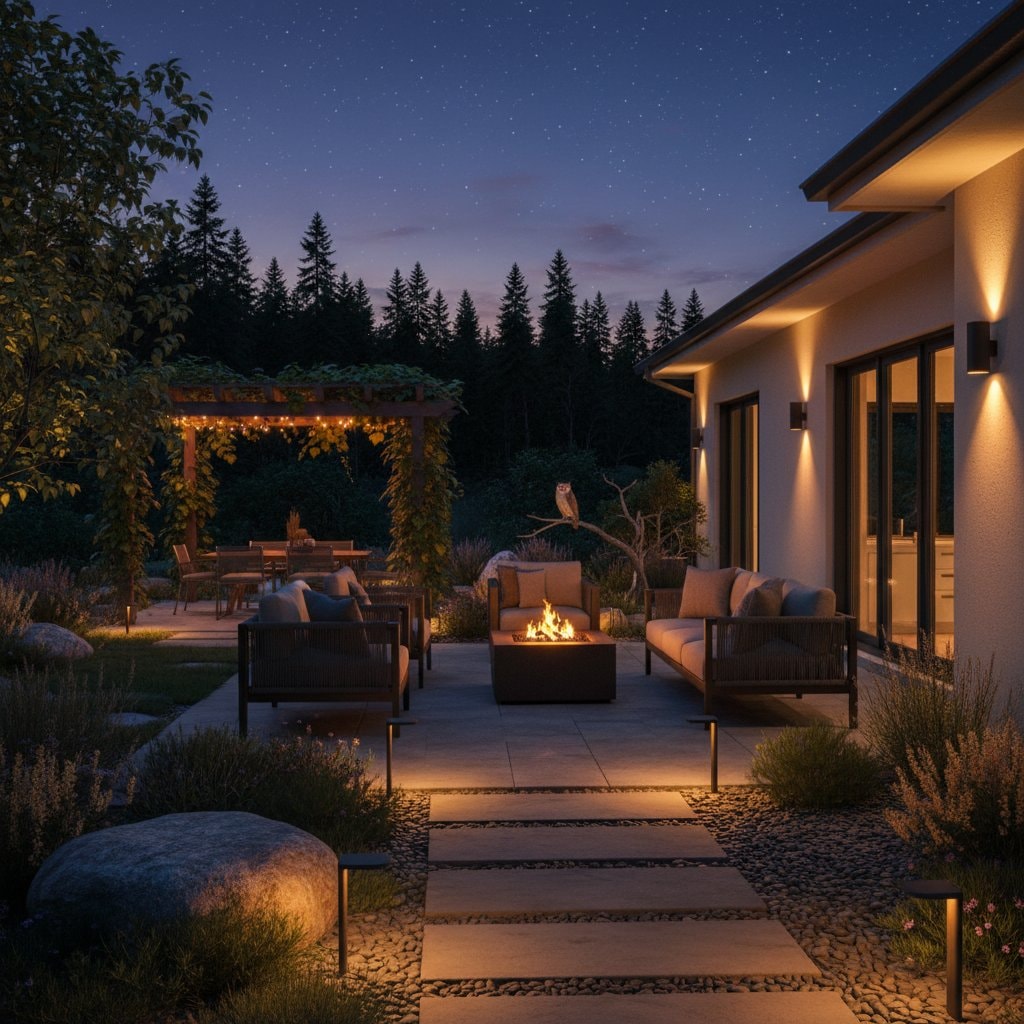
This method shifts emphasis from uniform visibility to selective highlights. In modern landscapes, low-profile LEDs outline sleek hardscape features. Traditional gardens benefit from strategically placed lanterns that softly illuminate blooms and borders without dominating the scene.
Practical Adjustments for Homeowners
Achieving compliance involves straightforward assessments and modifications. Conduct a nighttime walkthrough to identify overbright or misdirected lights. Adjust heights, angles, or bulb intensities as needed to refine the setup.
Consider these targeted steps:
- Install motion sensors or timers to activate lights only during use, conserving energy and maintaining darkness otherwise.
- Select bulbs with warm tones around 2700K, which blend naturally and reduce scatter compared to cool 5000K options.
- Mount fixtures at lower elevations, such as 3 to 4 feet, for precise control over light distribution.
- Choose matte finishes over glossy ones to minimize unintended reflections and contain light effectively.
Such changes exceed basic requirements and cultivate a more harmonious outdoor environment.
The Broader Connection Between Light and Landscape
Outdoor lighting serves safety, utility, and aesthetics, and Dark Sky rules integrate environmental stewardship into these functions. Compliant designs lessen impacts on nocturnal species, aid bird migration, and foster neighborly nighttime ambiance.
Humans gain from restored starry vistas, which provide psychological calm unattainable through artificial means. Diminished glare enhances appreciation of natural surroundings and promotes a sense of connection beyond individual properties.
Integrating Lighting into Your Landscape Design
After installing compliant fixtures, evaluate their performance in context. Observe interactions with moonlight, plants, paths, and structures across evening hours. Fine-tune positions or intensities to optimize effects.
This mindful process evolves into intuitive practice. Restraint enhances creative expression, allowing the night to retain vitality. Adopting Dark Sky standards contributes to collective preservation of irreplaceable natural heritage.