Prepare Your Landscape for Dark Sky Lighting Rules
Do you ever step into your backyard at night and feel torn between wanting it bright enough to navigate and dark enough to see the stars? Many homeowners share that feeling. You might love the safety and charm of outdoor lights, yet wish your garden felt calmer and more connected to the night sky. With new dark sky lighting regulations approaching, this is the perfect time to bring balance back to your landscape.
These guidelines restore the natural rhythm of night. They reduce glare and protect the view of the stars. Preparing your yard now will make the transition easy and rewarding.
Step One: Assess Your Current Lighting
Begin by taking a walk through your landscape after dark. Notice where the light spills, where it glares, and where it feels wasteful or harsh. You may find porch lights that shine straight out instead of down or pathway lights that are brighter than necessary.
Ask yourself a few questions:
- Can you see the stars clearly when your lights are on?
- Do any fixtures shine directly into your eyes?
- Are there lights that stay on all night even when no one is outside?
By identifying problem areas, you will know exactly where to focus your updates. Keep a small notebook or take photos so you can compare progress as you make changes.
Step Two: Plan Your Layout Thoughtfully
Think about how you use your outdoor spaces. Maybe you gather on the patio, walk to the garden, or park near the driveway. Each area serves a different purpose and requires a different level of light.
Map out zones where lighting is useful, such as:
- Entryways and paths for safety
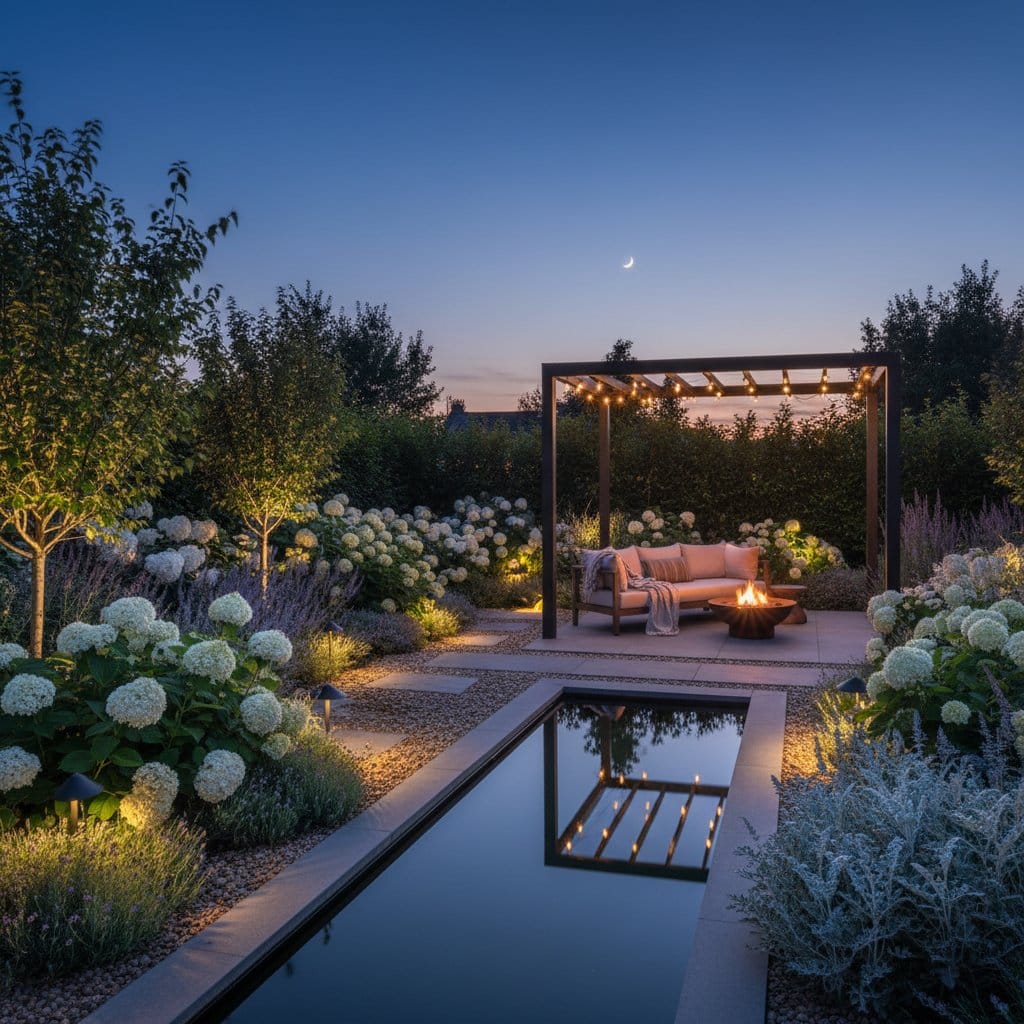
- Seating areas for comfort and conversation
- Driveways for visibility
Avoid lighting every corner of your landscape. Darkness can be just as beautiful as light. It offers contrast and depth. When light and shadow work together, your garden feels more natural and serene.
Step Three: Select Downward Directed Fixtures
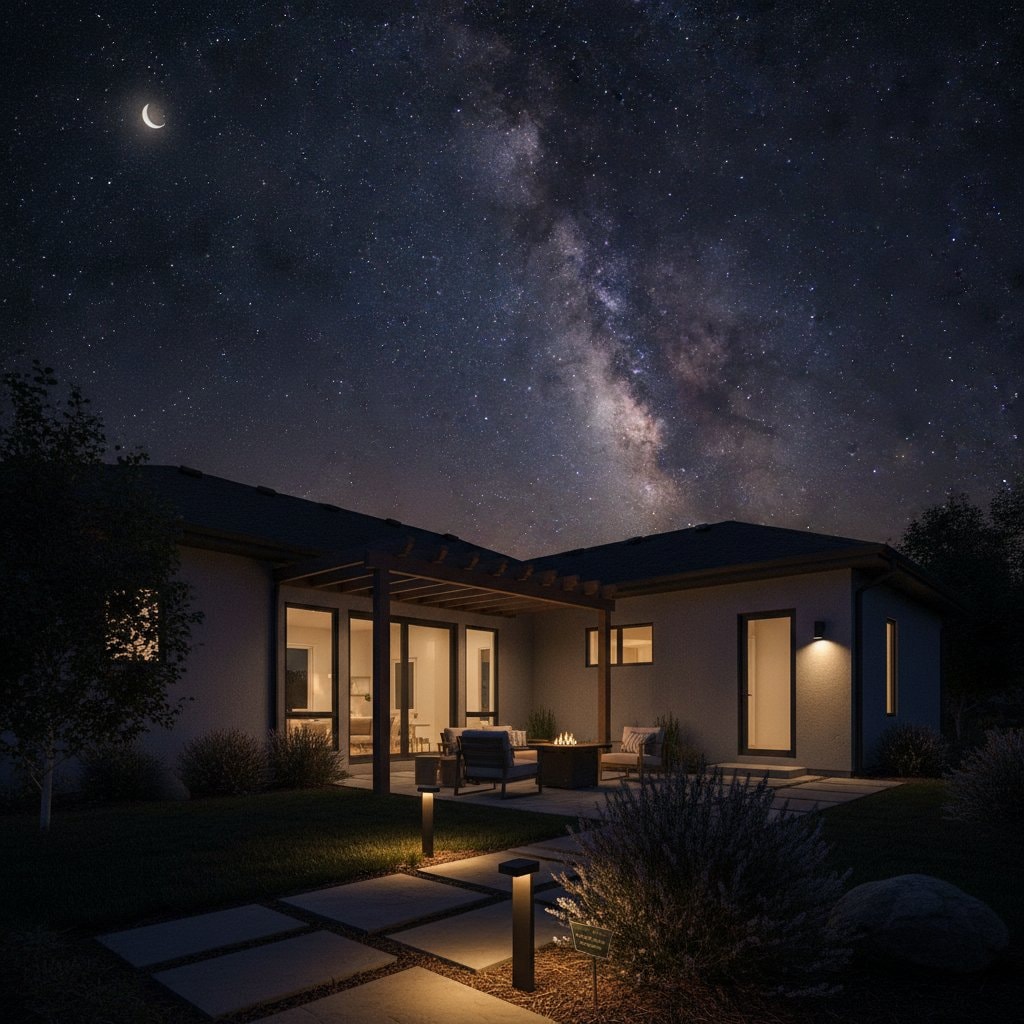
Choose fixtures that direct light only where needed. Full cutoff designs prevent upward spill and reduce glare for neighbors. Install lights at lower heights along paths and near seating to maintain visibility without excess brightness.
Pair these fixtures with warm color temperatures below 3000 Kelvin. This choice supports better sleep patterns for people and wildlife alike. Test each new light at night before final installation.
Step Four: Add Smart Controls for Efficiency
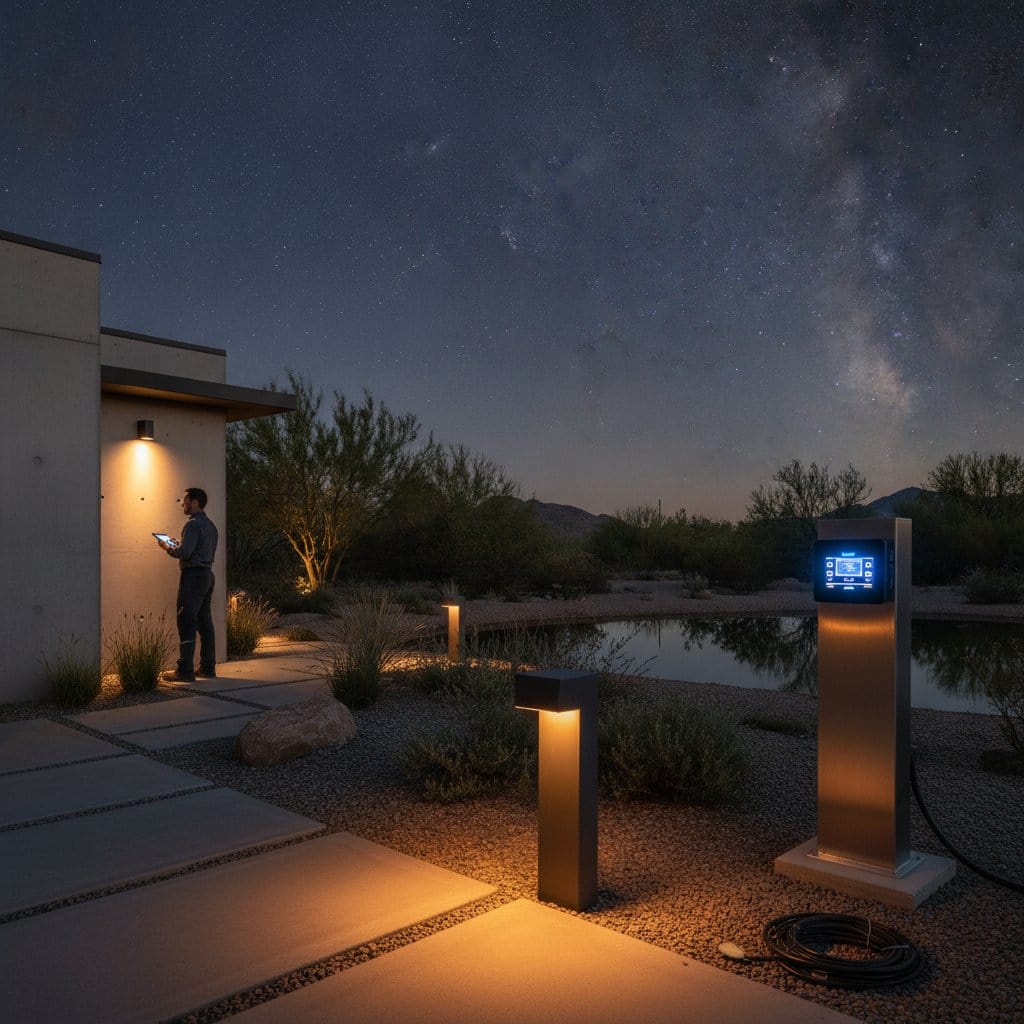
Install timers, motion sensors, or dimmers on all outdoor lights. Set schedules so lights activate only during active hours. Reduce output after 10 p.m. unless safety requires otherwise.
These controls cut energy use and limit unnecessary nighttime illumination. They also allow seasonal adjustments as daylight hours change. Review settings monthly to confirm they match actual yard usage.
Step Five: Protect Plants and Wildlife
Your garden is alive even after sunset. Many insects, birds, and small mammals depend on darkness for feeding and rest. Too much light can confuse their natural rhythms.
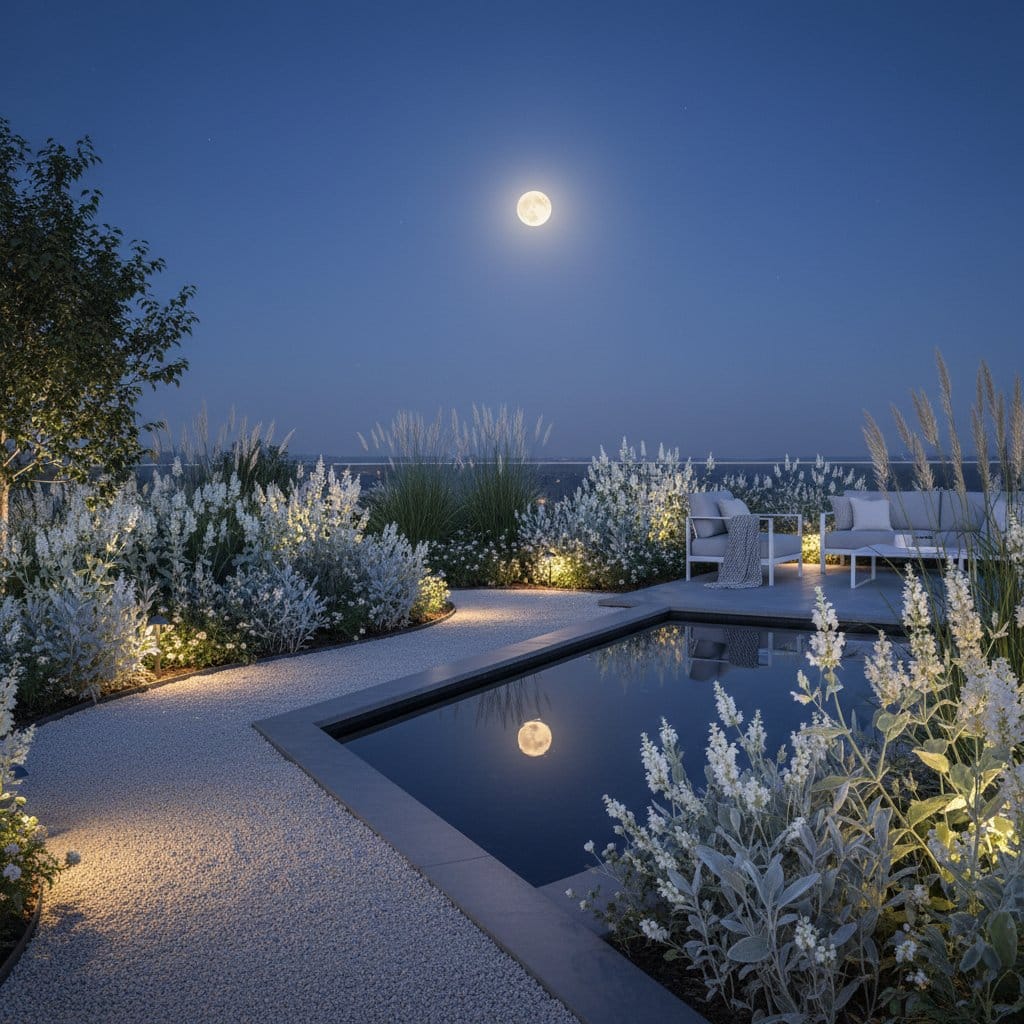
Choose lights that are shielded and low to the ground to reduce exposure for nocturnal creatures. Avoid bright spotlights near flower beds or trees that attract pollinators. If you have water features, keep lighting subtle and indirect to avoid disturbing frogs, fish, and insects that rely on night cycles.
These small adjustments help your garden stay healthy and balanced while meeting dark sky goals.
Maintain Seasonal Adjustments
As your lighting changes, you may notice more than just compliance with new regulations. The stars will look brighter. The air will feel calmer. Your garden will take on a quieter beauty that invites reflection and rest.
Keep reviewing your lighting every season. Check bulbs, clean fixtures, and adjust timer settings as your plants grow or new garden features are added. Light that once worked perfectly for a short border may be too bright once the shrubs mature.
Dark sky lighting is not a one time project. It is an ongoing practice of awareness and care.