Why Homeowners Are Rewilding Lawns with Micro-Meadows
Have you ever looked out over your lawn and felt a quiet tug of restlessness? Maybe it feels too controlled, too thirsty, or simply too empty of life. Many homeowners are beginning to feel the same way. The perfect green lawn once symbolized pride and order, but now more people are craving something gentler and more alive.
Understanding the Shift Toward Rewilding
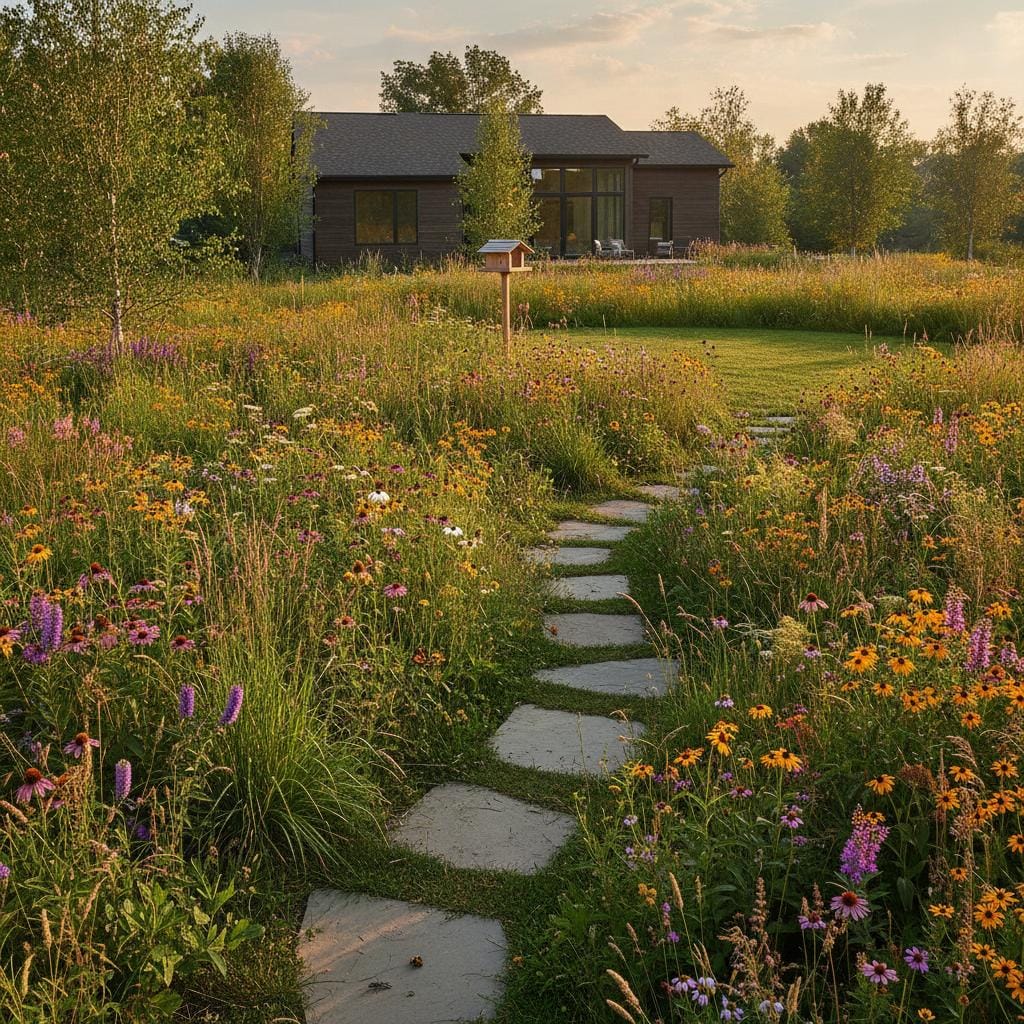
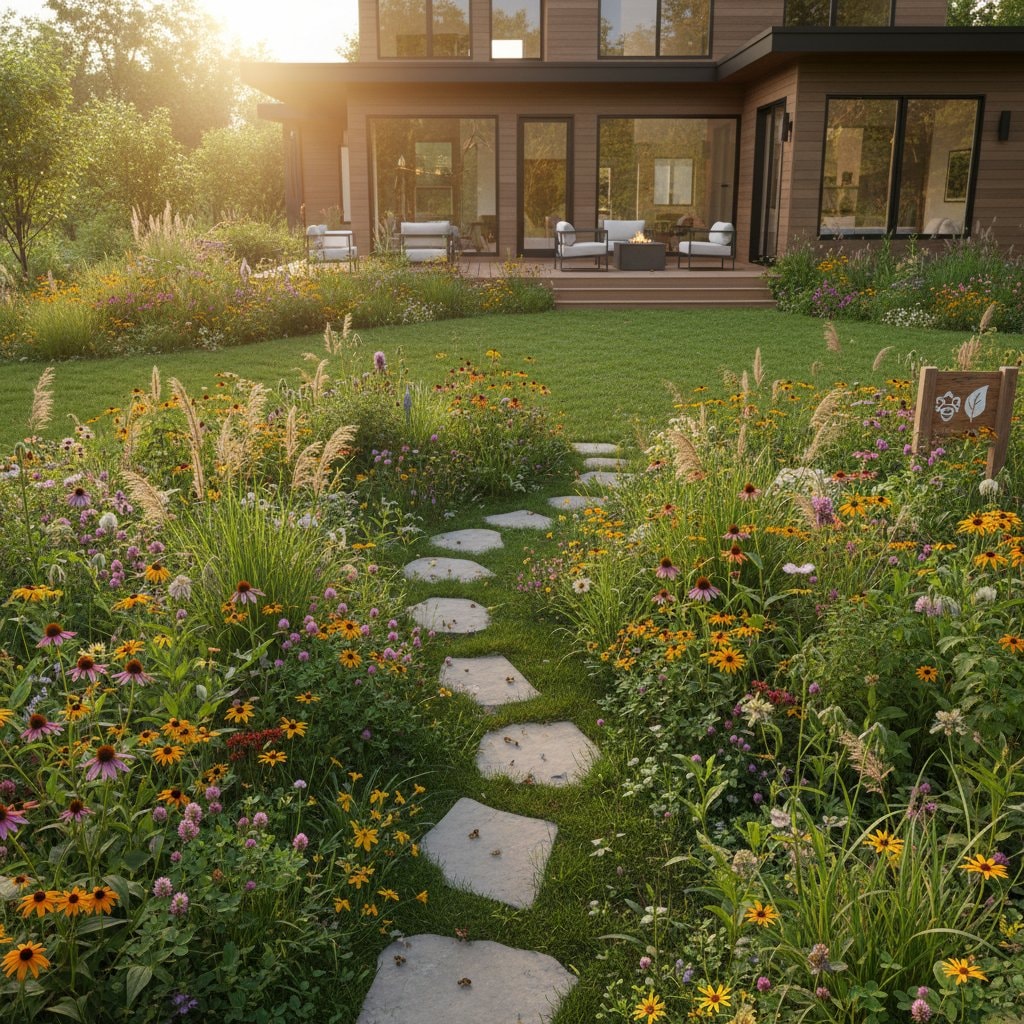
Rewilding a lawn means allowing parts of it to grow more naturally. This process invites native plants, pollinators, and soil life back into balance. A micro-meadow is a smaller, managed version of this idea. Instead of a flat carpet of grass, you create a lively patchwork of wildflowers, grasses, and clover that change with the seasons.
People are drawn to this shift for both emotional and practical reasons. Lawns require constant mowing, watering, and fertilizing, yet offer little return beyond appearance. Micro-meadows hum with color and life. They attract bees, butterflies, and songbirds while needing less maintenance over time.
Assessing Your Space and Goals
Before you dive into planting, take a quiet look at your yard as it is now. Notice where sunlight falls, where rain collects, and which areas seem tired or sparse. Micro-meadows thrive best in sunny spots with well-drained soil. Even partial shade can support certain native plants.
Ask yourself how much lawn you actually use. Perhaps you still want a small grassy area for sitting or play. You do not need to replace everything at once. Starting with one corner or a strip along a fence can make the change feel manageable and rewarding.
Planning with Local Life in Mind
A successful micro-meadow works with nature, not against it. That means selecting plants that belong to your region. Native species have evolved to match local soil and climate, so they tend to be hardier and require less care. They also provide food for native insects, which in turn support birds and other wildlife.
Visit a nearby garden center or native plant nursery and ask about seed mixes that match your region conditions. Look for blends that include a mix of early and late bloomers. A few grasses among the flowers help create structure and protect the soil.
Once you have your seed mix, prepare the area by removing existing turf or weeds. Lightly rake the soil, scatter the seeds evenly, and press them down gently with your feet or a roller. Water just enough to keep the soil moist until the plants take hold.
Living with a Growing Meadow
Your new meadow may look uneven or sparse at first. That is normal. Wild plants grow in waves, some appearing early while others wait for their moment. Patience is part of the reward. As the roots settle and the soil grows richer, the space will begin to fill with movement and color.
During the first season, you can trim taller plants if they shade out smaller ones. Once the meadow matures, you will only need to cut it back once or twice a year. This keeps woody plants from taking over and allows new seeds to germinate.
Benefits That Reach Beyond Beauty
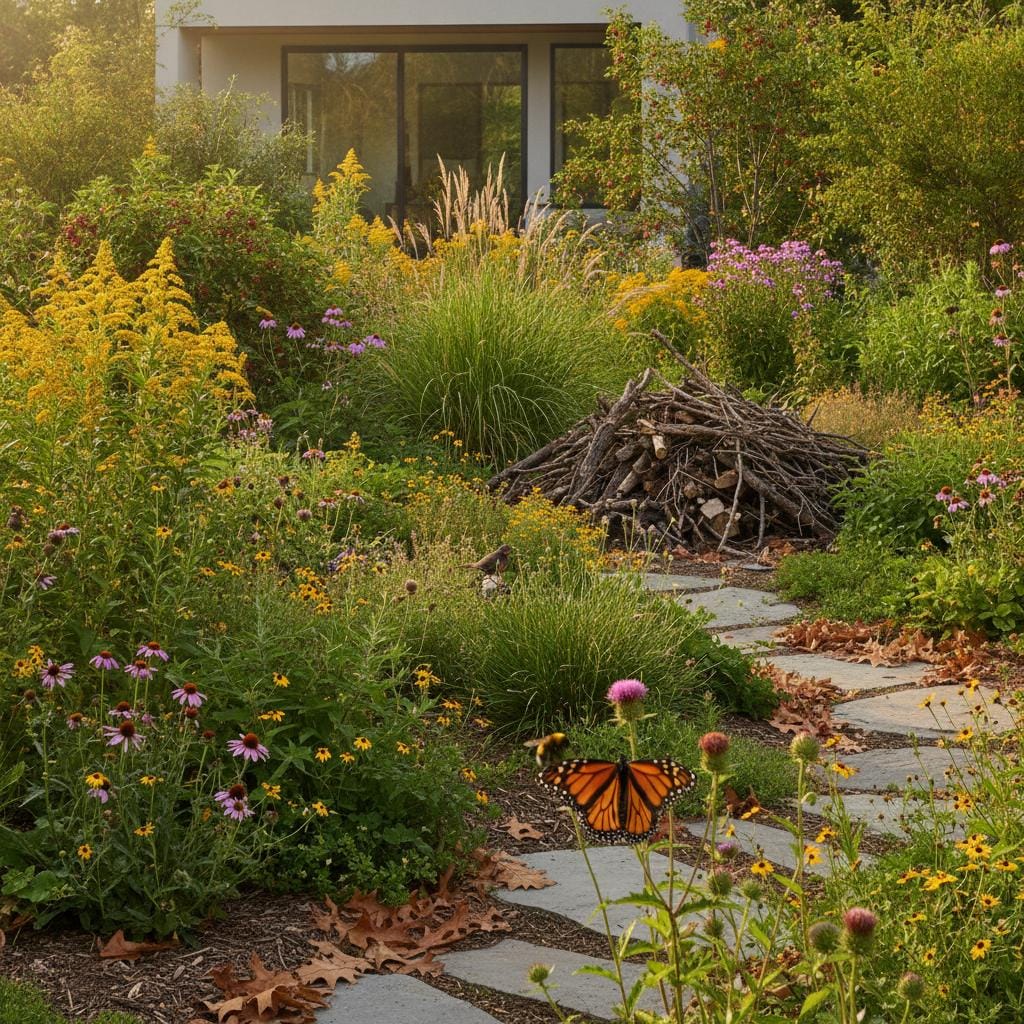
Micro-meadows do more than please the eye. Their deep roots help hold soil and absorb rainwater, reducing runoff and erosion. They provide pollen and shelter for bees and butterflies, which are vital for healthy ecosystems. Even small patches can become stepping stones that connect habitats across neighborhoods.
There is also a quiet satisfaction in knowing your yard contributes to something larger. Instead of consuming water and chemicals, it becomes a source of nourishment and refuge. Many homeowners find that this shift changes how they see their space.
Watching Your Garden Thrive
The beauty of a micro-meadow grows over time. Each season brings a new mix of color, scent, and texture. Birds may visit more often, and you might catch the soft hum of bees in the morning light. These are signs that your small patch of ground is thriving again.
Keep an eye on how your meadow changes, and adjust as needed. You can reseed bare spots, pull invasive weeds, or add a few new native plants each year. Think of it as a living experiment that rewards attention and care. The more you work with nature, the more it gives back.