No-Mow Lawns Are the Hottest Landscape Trend of 2026
Every lawn tells a story. Some speak of tradition, trimmed weekly into perfect green carpets. Others whisper of change and a growing desire to let nature reclaim a bit of space. Over recent seasons more homeowners have stepped back from their mowers to see what happens when cutting stops. Grass grows taller, wildflowers appear, and the once-uniform yard begins to hum with life. This quiet shift is called the no-mow movement, and it is reshaping how people think about their landscapes.
A Shift Toward Wild Beauty
For decades the classic green lawn represented order and pride. Constant mowing, watering, and fertilizing require time, money, and energy. The no-mow approach invites a softer perspective that leans into natural patterns. A no-mow lawn is not a sign of neglect. It is a choice to celebrate a different kind of beauty.
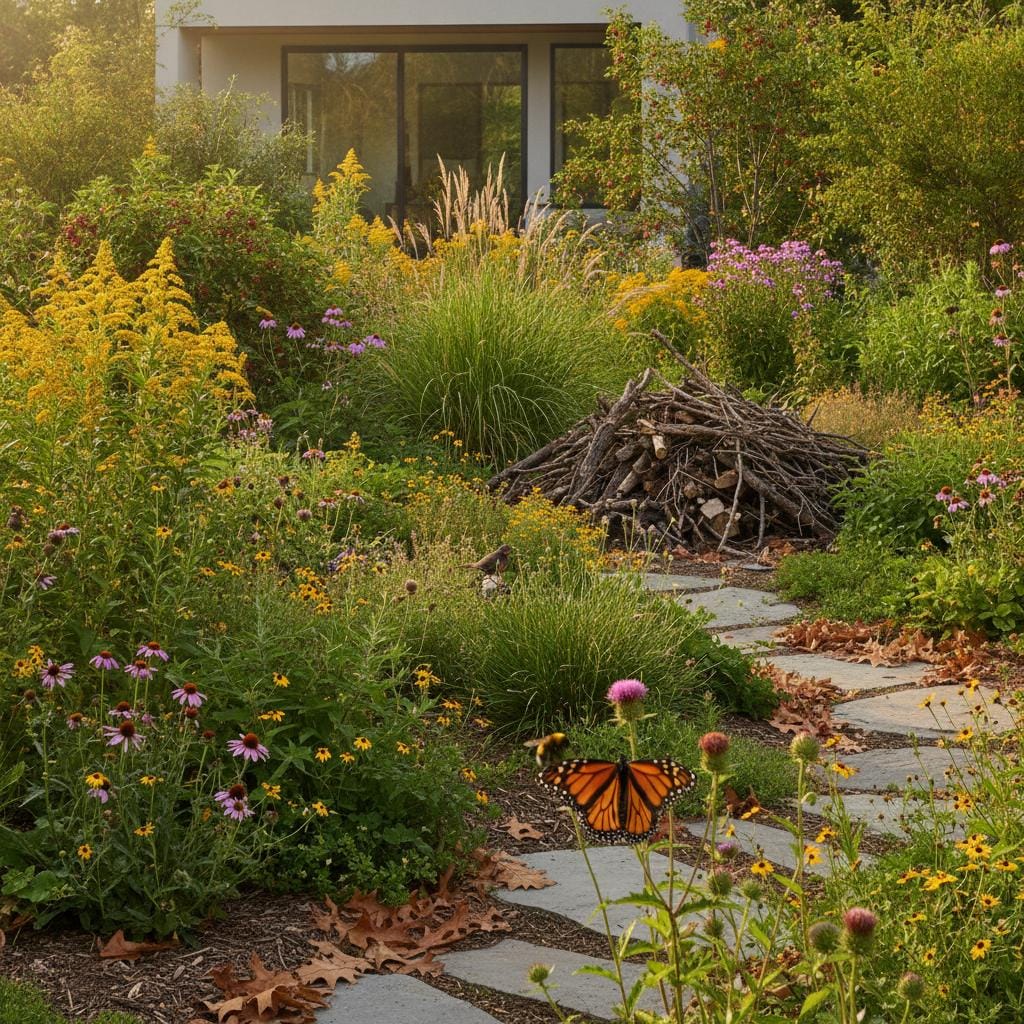
When grass and native plants grow freely, textures and colors deepen. Seed heads sway in the wind. Bees drift through patches of clover. Birds find shelter in taller growth. The lawn becomes a living ecosystem rather than a flat surface.
Understanding the No-Mow Approach
A no-mow lawn does not mean the mower is retired forever. The goal is to reduce mowing frequency and allow certain grasses and low-growing plants to fill in naturally. Some homeowners stop mowing completely. Others trim once or twice a season. The right balance depends on yard size, soil type, and the plants that establish themselves.
Three main methods exist for creating a no-mow lawn:
- Natural succession: stop mowing and allow native grasses and wildflowers to return on their own.
- No-mow grass blends: plant seed mixes such as fine fescues or prairie blends that stay short without frequent cutting.
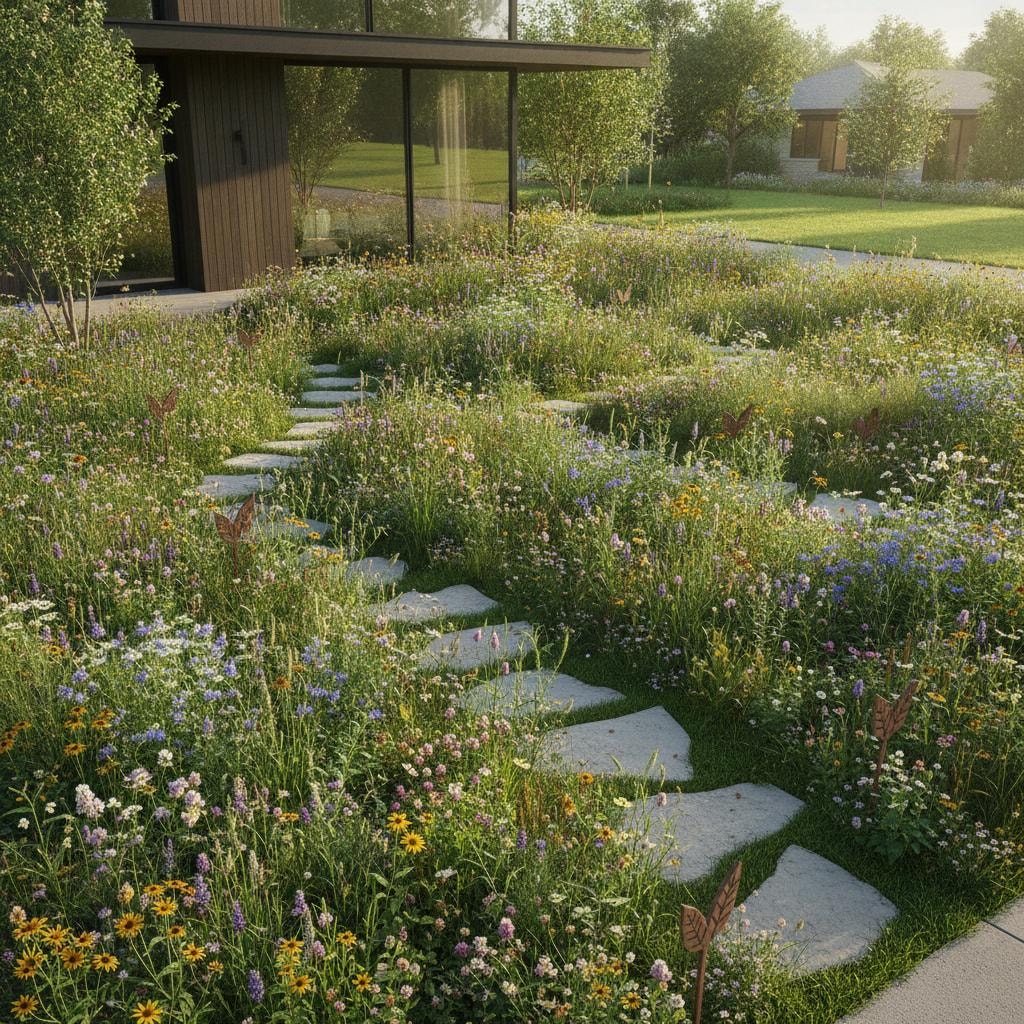
- Meadow-style planting: replace turf with a mix of native perennials and grasses that thrive without regular mowing.
Each method produces a distinct appearance and maintenance level. Choose the option that matches property conditions and personal comfort.
Why Homeowners Are Letting Go of the Mower
The reasons extend beyond convenience. Traditional lawns often demand heavy watering and chemical inputs. No-mow lawns support soil health and local biodiversity. They supply nectar for pollinators and shelter for small wildlife while reducing energy use and noise.
Many people also find emotional comfort in the wilder appearance. The movement redefines care rather than rejecting it. A well-loved yard can be free-flowing and alive instead of tightly controlled.
The Difference Between Neglect and Intention
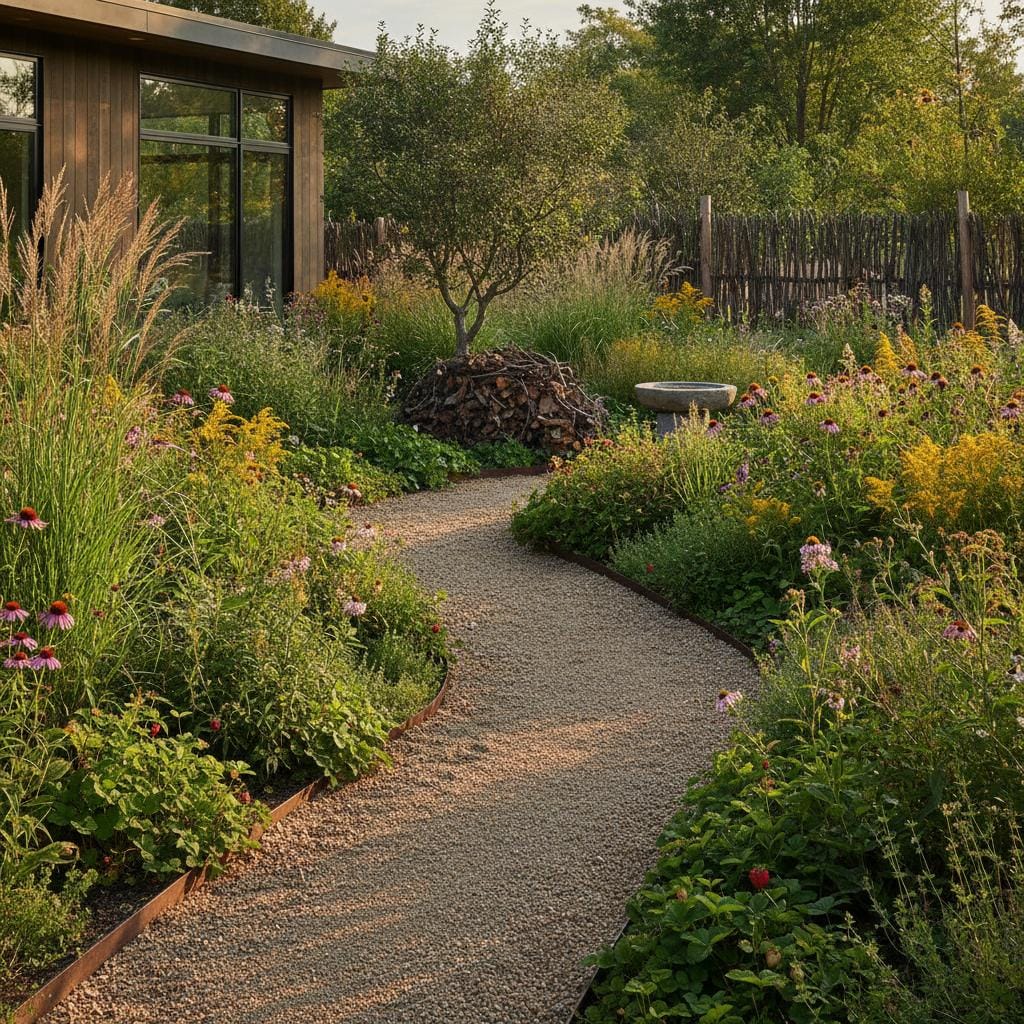
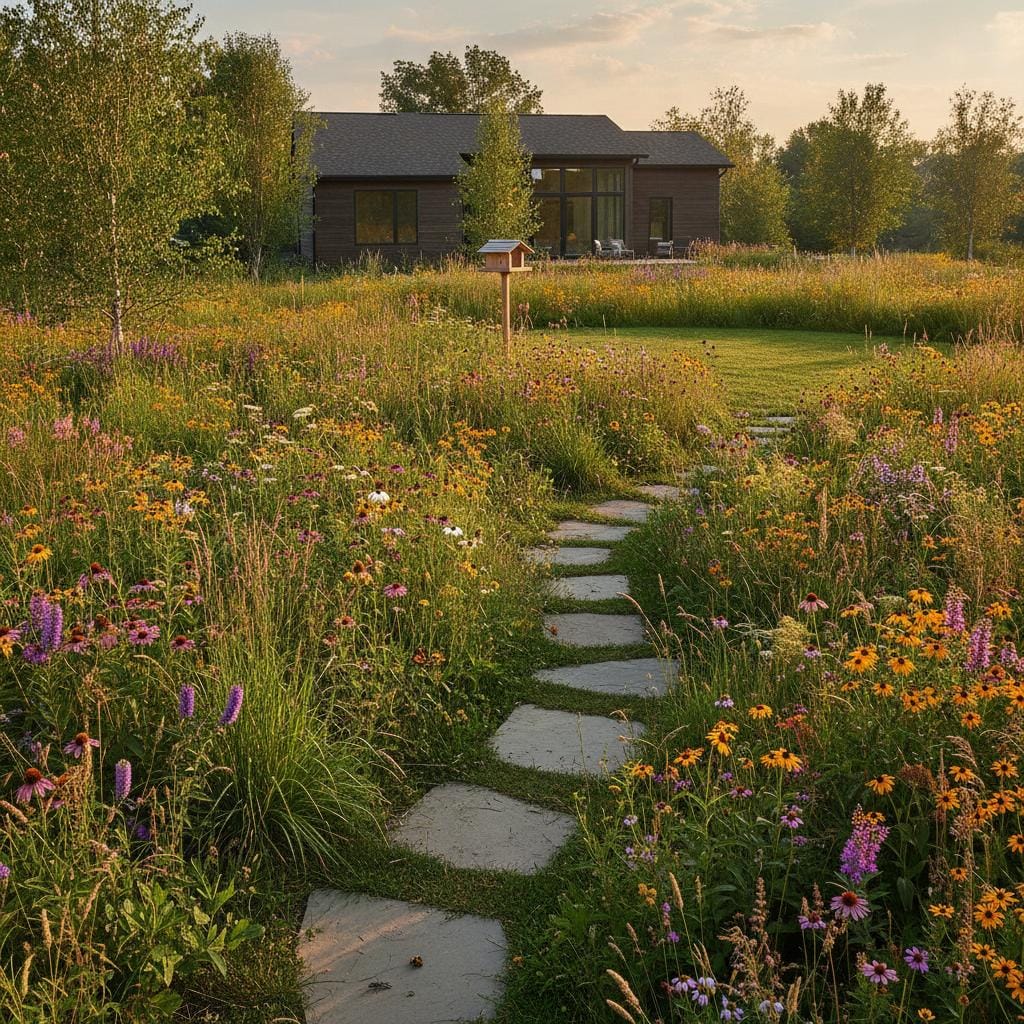
A common concern is that no-mow lawns appear messy. Intention makes the difference. Define edges with stone or mulch borders. Add a mowed path through taller grass to signal care and invite exploration. These details turn the space into a deliberate design.
Native shrubs, a small seating area, or a simple sign identifying a pollinator habitat help neighbors understand the vision. Thoughtful touches convert curiosity into appreciation.
Comparing Lawn Styles
A polished lawn feels tidy and controlled. It suits formal homes or owners who prefer a crisp look. A wild lawn brings movement and variety, especially when dotted with wildflowers or ornamental grasses. Many homeowners combine both approaches. They keep a small manicured area near the house for gatherings while allowing outer edges to grow naturally. This mix creates visual balance and reduces overall maintenance.
Practical Steps to Get Started
Soil type, sun exposure, and drainage determine what will thrive. Observe the yard through a full season before making changes. Note dry zones, wet spots, and sun patterns. These observations guide planting decisions.
Follow these steps:
- Test soil pH and nutrient levels.
- Select regional seed mixes suited to local climate and conditions.
- Reduce mowing gradually so existing grass can adjust.
- Remove invasive weeds early.
- Create paths or borders to keep the design intentional.
The first season may look uneven. Richness appears by the second or third year as plants reach balance.
Environmental and Community Benefits
Taller grass and native plants improve soil structure and water absorption. Deeper roots stabilize ground and store carbon. Each yard becomes part of a larger ecological system. Neighborhoods that adopt no-mow practices often see increased pollinators, butterflies, and songbirds. Some towns adjust ordinances or host seasonal no-mow periods to encourage these landscapes.
Common Misunderstandings
A no-mow lawn is not about ignoring the yard. It is about working with natural rhythms. Managed properly, taller growth supports beneficial insects that help control pests. Thoughtful design choices such as defined edges and clusters of native flowers keep the space refined.
Blending Aesthetics and Ecology
Successful no-mow landscapes combine visual interest with ecological function. Mix textures, heights, and colors. Low-growing fescues form a soft base. Patches of coneflower or black-eyed Susan add color. Ornamental grasses provide movement. The result is a living canvas that changes with each season.
Living with a No-Mow Lawn
Once established, the relationship shifts from constant control to gentle stewardship. Light trimming once or twice a year prevents woody plants from taking over. Overseeding every few seasons maintains density. Paths and seating areas stay clear through small, regular adjustments. The lawn rewards observation and measured care.
Making the Change
Start with one corner or a low-traffic area. Let it grow for a season and observe the results. The movement toward no-mow lawns reflects a deeper shift in how people connect with their surroundings. It encourages trust in natural design and appreciation for the beauty that emerges without force.