Why Front Yard Farms Are Quickly Going Mainstream
Front yards used to feature lawns, shrubs, and flower beds. Now more homeowners convert that space into productive gardens filled with vegetables, herbs, and fruit. These front yard farms, also called foodscapes or edible landscapes, change how people view curb appeal and homegrown food.
What once seemed unusual has become a practical way to use outdoor space. Solid reasons support this shift for anyone considering growing food in the front yard.
Shifting Priorities in Home Landscaping
Homeowners rethink what a yard should accomplish. Traditional grass lawns require constant mowing, watering, and fertilizing. In many regions that upkeep consumes time, money, and water. Replacing part or all of the lawn with edible plants creates a landscape that delivers more value.
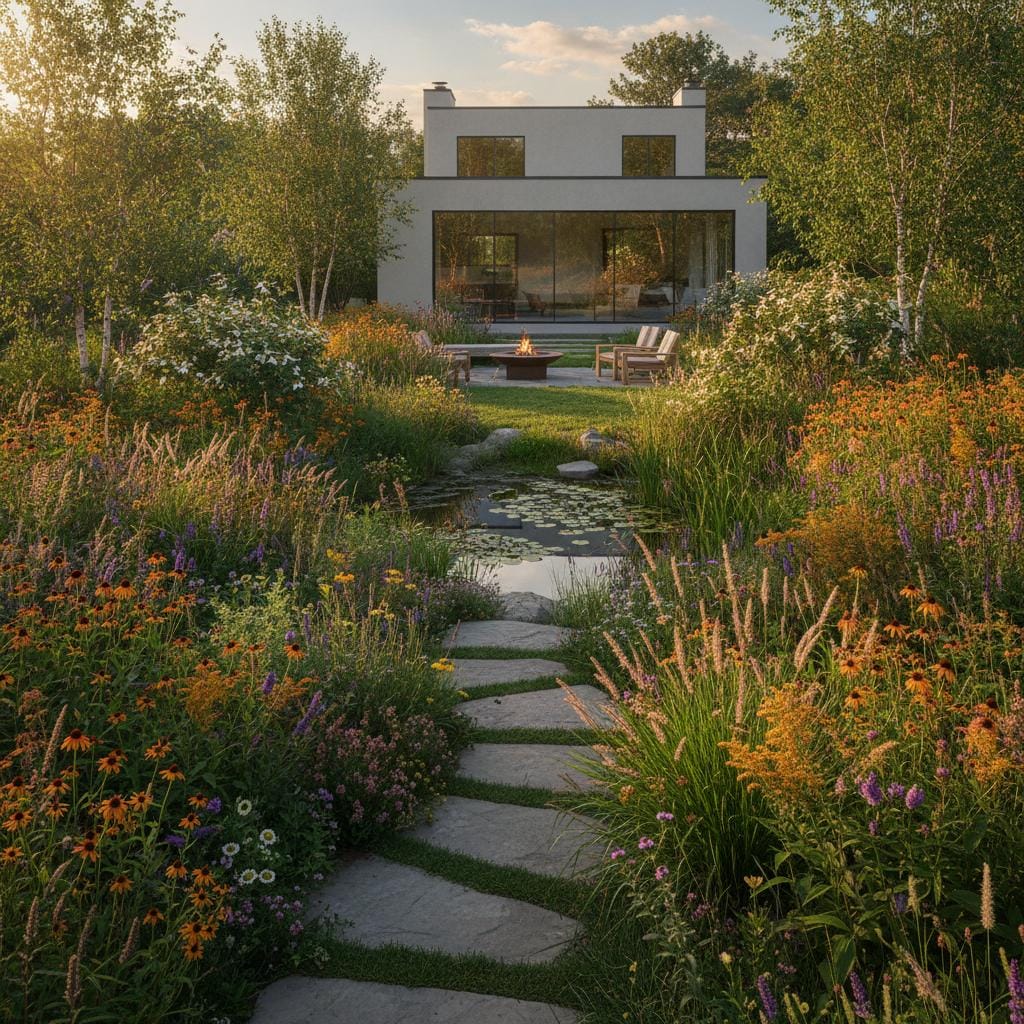
Front yard farms can incorporate raised beds, fruit trees, berry bushes, or attractive herb borders. Many of these plants require less water than grass once established. Some designs mix native plants and pollinator friendly blooms among vegetables. The result is a space that remains both productive and visually appealing.
Practical Reasons for the Shift
Several factors have moved front yard farming into the mainstream.
- Rising food costs. Grocery prices continue to climb. Growing your own food offsets expenses. A single raised bed can yield dozens of pounds of tomatoes, greens, or peppers from a modest investment in seeds or seedlings.
- Freshness and flavor. Homegrown produce reaches the table at peak ripeness. Harvest what you need minutes before a meal instead of relying on produce shipped long distances.
- Health and connection. Gardening supplies light exercise and fresh air. It also creates a direct link to the food you eat. Children often show greater interest in vegetables they helped plant and tend.
- Community and appearance. A well planned front yard garden invites conversation with neighbors. Thoughtful design allows it to match the appeal of any ornamental landscape.
What a Front Yard Farm Looks Like
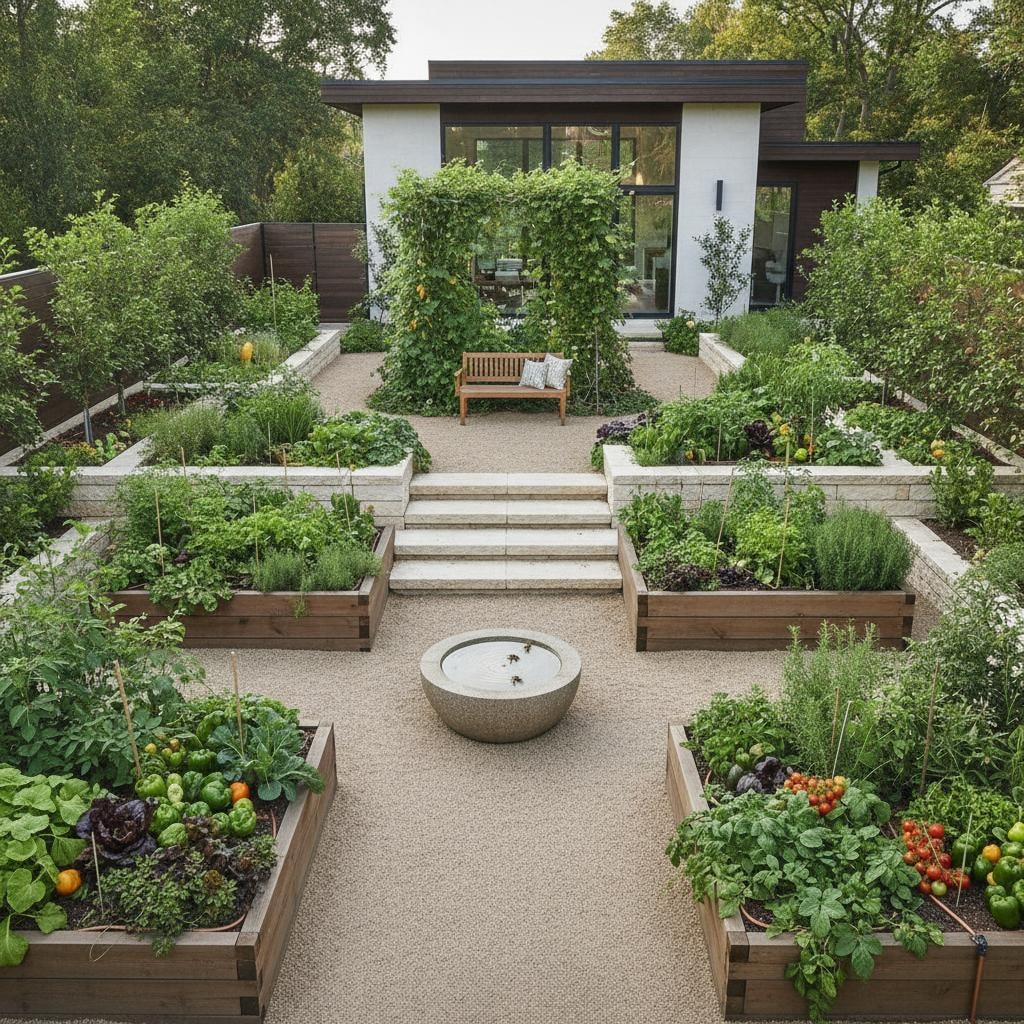
A front yard farm can take many forms. Some homeowners choose organized layouts with raised beds aligned neatly. Others blend edibles into existing flower beds to create edible landscaping.
Common design choices include the following elements.
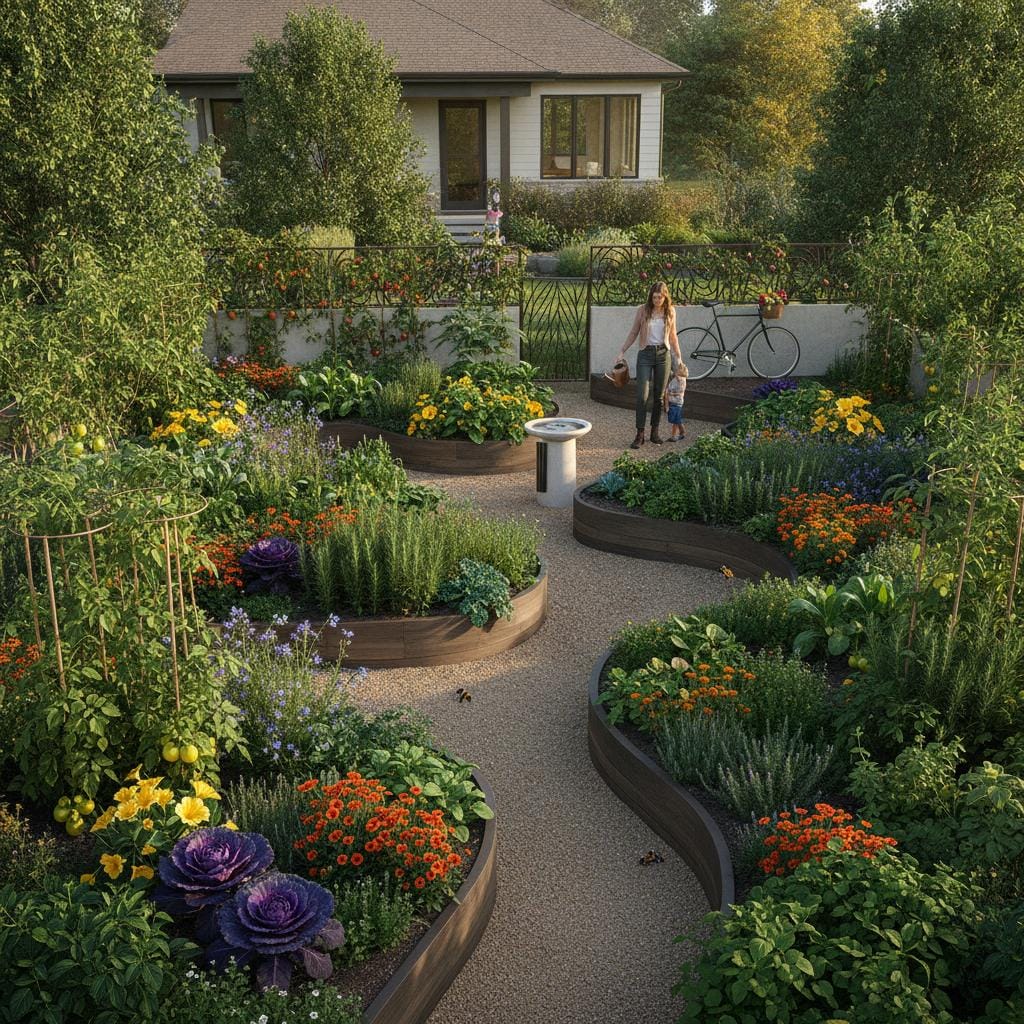
- Raised garden beds usually measure 8 to 12 inches deep and are constructed from wood, stone, or metal. These structures define the space and simplify soil management.
- Gravel or stone pathways between beds provide access and prevent mud from tracking indoors.
- Ornamental edibles such as kale, rainbow chard, and purple basil supply color and texture while remaining edible.
- Perennials and shrubs like blueberry bushes, dwarf fruit trees, and rosemary hedges can stand in for traditional ornamental plantings.
- Vertical elements such as trellises for peas, beans, or climbing flowers add height and visual interest.
Thoughtful design keeps the garden attractive through every season. Plant colors and textures can be chosen to complement the home exterior.
Cost and Effort to Get Started
Setup costs vary with size, materials, and plant selections. A few basic raised beds built from lumber typically range from 150 to 400 dollars. Stone or metal edging increases durability and style at a higher price point.
Reuse existing materials or begin with one section of the yard to control expenses. Seeds cost little, yet young plants produce faster results. A shovel, trowel, and garden hose usually suffice for initial work.
The heaviest effort occurs at the outset. Building beds, improving soil, and planting require time during the first season. After that, maintenance fits into a regular routine. Expect to weed, water, and harvest several times each week during the growing season. Some homeowners find the work relaxing, while others install drip irrigation to reduce daily tasks.
Balancing Beauty and Productivity
Front yard farms gain acceptance because they can look attractive. Many people no longer view vegetable gardens as messy or purely utilitarian. Careful design produces a space that fits the neighborhood while still yielding food.
Tips for blending beauty and utility include the following practices.
- Group plants by height and color to achieve a structured appearance.
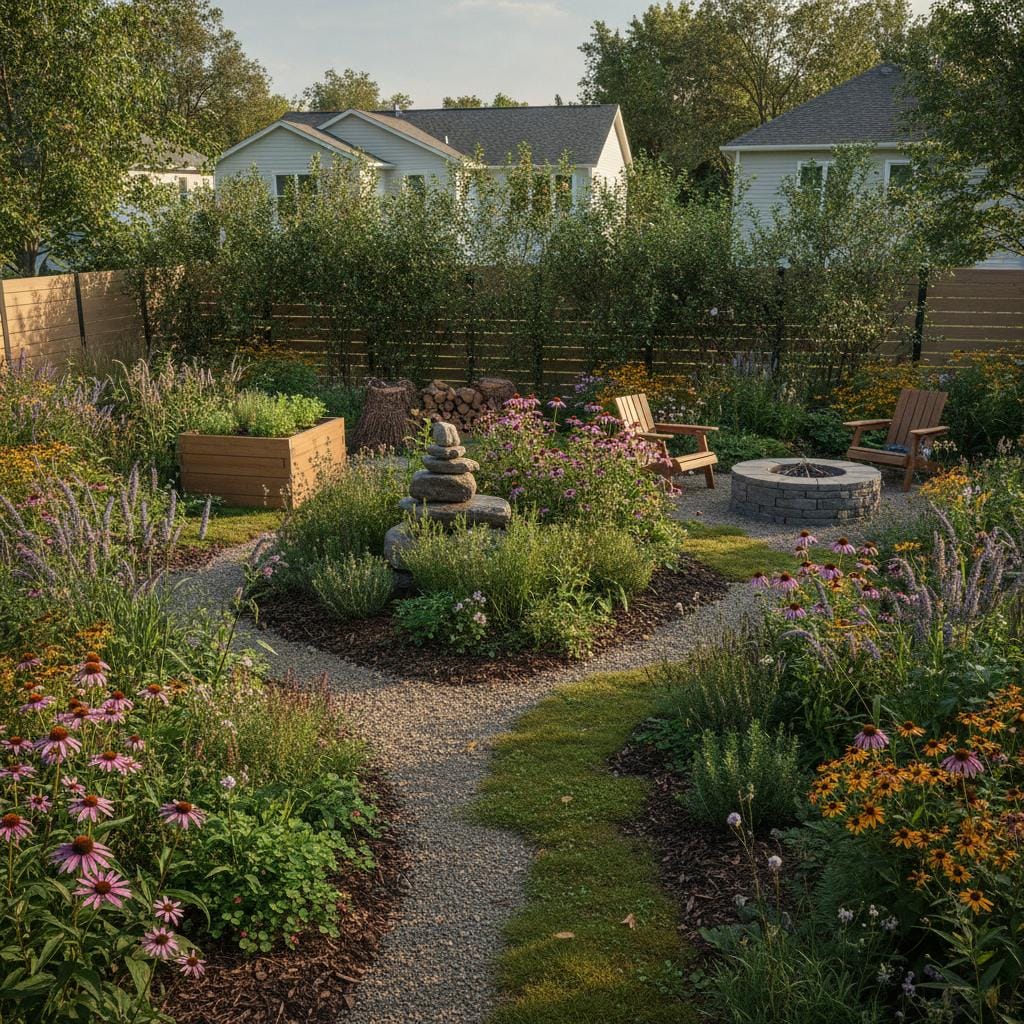
- Apply mulch to define planting areas and suppress weeds.
- Maintain tidy borders with edging or low growing herbs.
- Combine flowering plants with vegetables to attract pollinators and soften the overall look.
- Prune and harvest regularly to keep plants healthy and neat.
These steps ensure the garden appears intentional and well cared for.
Dealing with Local Rules and Neighbors
Check local regulations or homeowners association guidelines before planting. Some communities set rules about front yard design or plant height. Many areas have grown more flexible as edible landscapes increase in popularity, yet it remains useful to know the limits.
Conversation with neighbors can ease acceptance. When the garden looks attractive and receives regular care, others are more likely to appreciate it. Some homeowners share surplus produce, which fosters goodwill and strengthens community ties.
Environmental and Social Benefits
Front yard farms deliver advantages beyond the individual property. Replacing grass with plants that produce food or support pollinators improves soil health and benefits local wildlife. Reduced lawn area also lowers fertilizer runoff and emissions from mowing equipment.
These gardens can influence entire neighborhoods. When one homeowner begins, others often follow. Streets lined with edible landscaping foster a shared sense of purpose and visual harmony.
Seasonal Maintenance
A front yard farm changes with the seasons. Rotate crops to preserve soil health. Add compost each year to replenish nutrients. Apply mulch during warm months to retain moisture, then plant cover crops or spread leaf mulch in cooler months to protect the soil.
Regular pruning, watering, and harvesting keep plants productive. Raised beds may need fresh soil every few years. Fruit trees benefit from annual pruning that shapes growth and encourages fruiting.
Planning Your First Edible Border
If the idea of a productive front yard appeals, begin with one area near the walkway or porch. Replace a few decorative plants with easy edibles such as thyme, oregano, or chives. These herbs establish quickly and maintain visual appeal throughout the year.
Expand to additional raised beds or fruit shrubs after gaining experience. Track the amount of food harvested and observe how the space feels. Many homeowners discover that the garden soon becomes a favorite feature of the property.
Front yard farms reflect a broader move toward practical and sustainable living. With planning and consistent care, the front yard can supply fresh food, support pollinators, and maintain curb appeal.