Edible Landscaping Replaces Lawns With Living Beauty
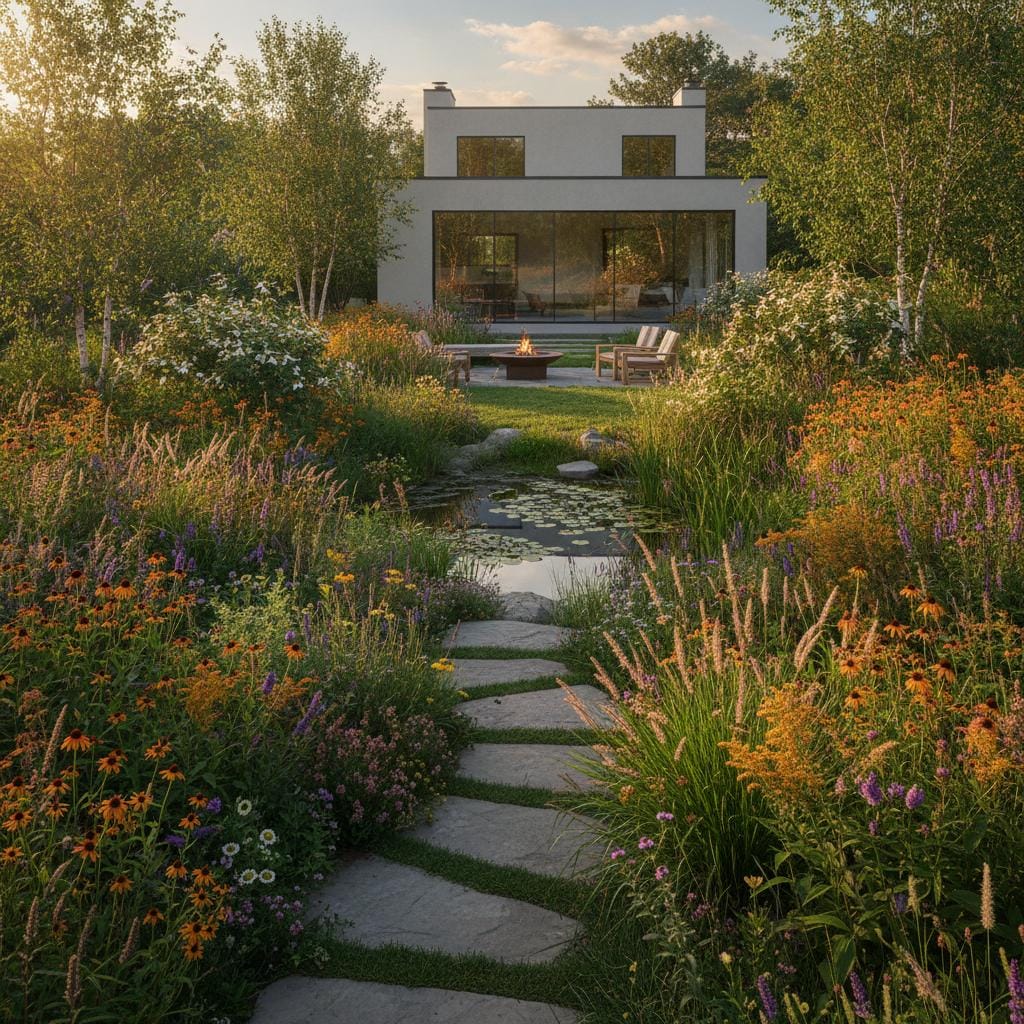
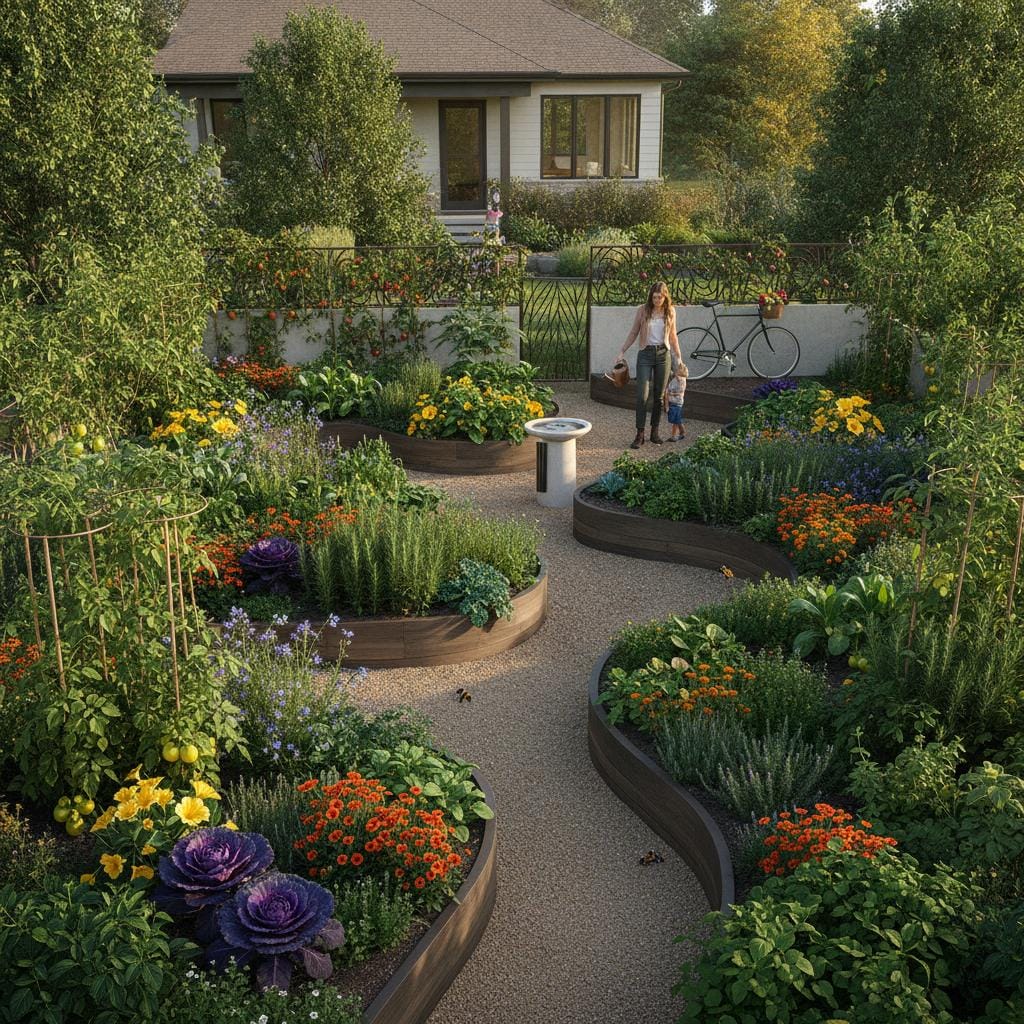
Edible landscaping turns traditional turf into productive gardens that deliver both visual appeal and fresh harvests. Homeowners replace grass with fruit trees, berry shrubs, herbs, and vegetables arranged for year round interest. This approach reduces water use, supports pollinators, and supplies home grown food without sacrificing curb appeal.
Why Replace Grass With Edibles
Standard lawns require frequent mowing, irrigation, and chemical inputs that offer little return beyond green space. Edible designs produce berries, leafy greens, and root crops while maintaining structured beauty through layered planting. Soil health improves as organic matter from kitchen scraps and plant residues builds fertility over time.
Property values often rise when yards demonstrate thoughtful, low input care. Neighborhoods see increased biodiversity as flowering herbs and fruit blossoms attract bees and birds. The shift also cuts monthly maintenance costs associated with grass seed, fertilizer, and equipment.
Planning Your First Edible Landscape
Begin by mapping sun exposure, drainage patterns, and existing trees or structures. Sketch zones for tall fruit trees at the back, mid height shrubs along borders, and low herbs or vegetables in front beds. Select plants that match your climate zone and available time for care.
Test soil pH and nutrient levels before planting. Amend heavy clay with compost or create raised beds filled with quality mix. Group plants by water needs to simplify irrigation and reduce waste.
Choosing Plants for Beauty and Production
Dwarf apple and pear trees supply spring blossoms and fall fruit while staying compact enough for small yards. Blueberry bushes offer red fall color along with summer berries. Rosemary, thyme, and sage provide evergreen structure plus culinary harvests throughout the seasons.
Interplant marigolds and nasturtiums to deter pests and add bright blooms. Include perennial vegetables such as asparagus and rhubarb for reliable early spring crops. Rotate annual vegetables each year to maintain soil balance and break pest cycles.
Soil Preparation and Design Techniques
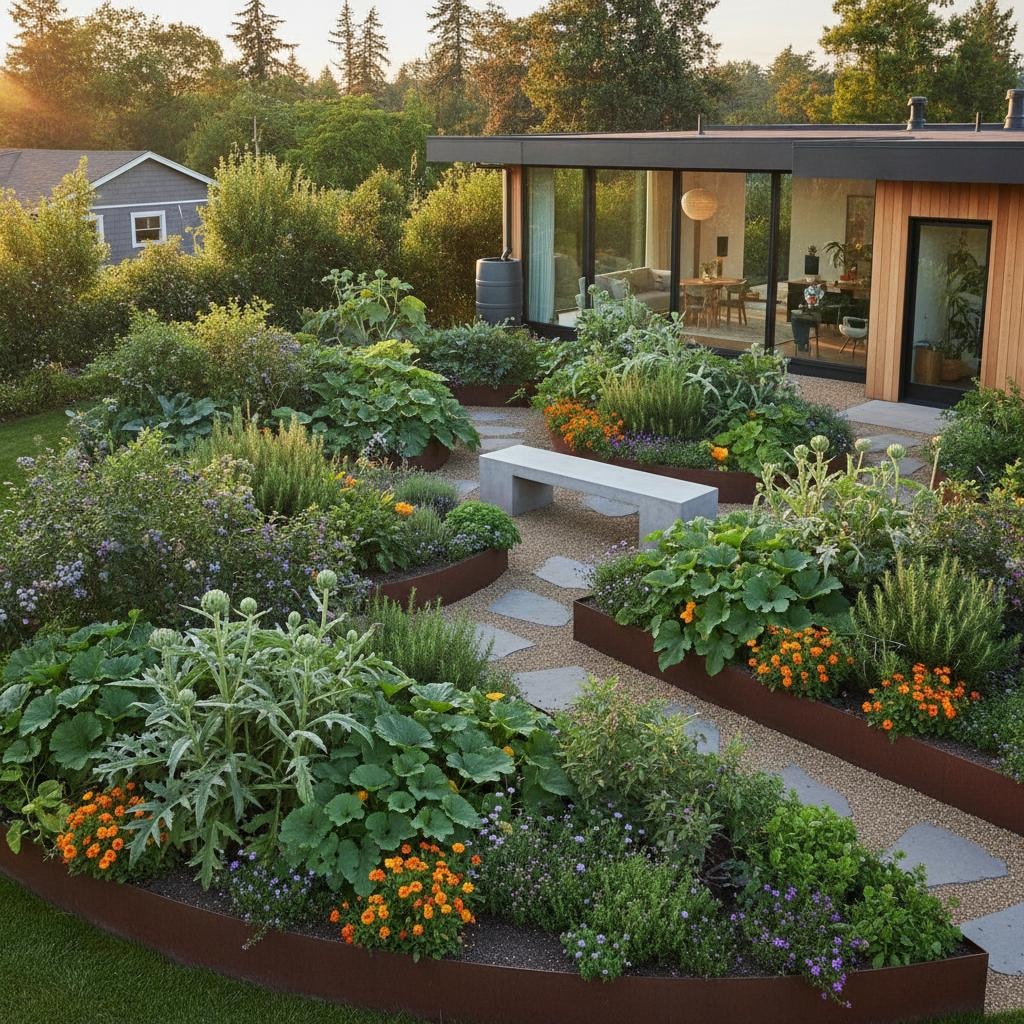
Remove turf in sections using a sod cutter or cardboard sheet mulching method. Build beds at least twelve inches deep with a mix of topsoil, compost, and aged manure. Install drip irrigation lines beneath mulch to deliver water directly to roots.
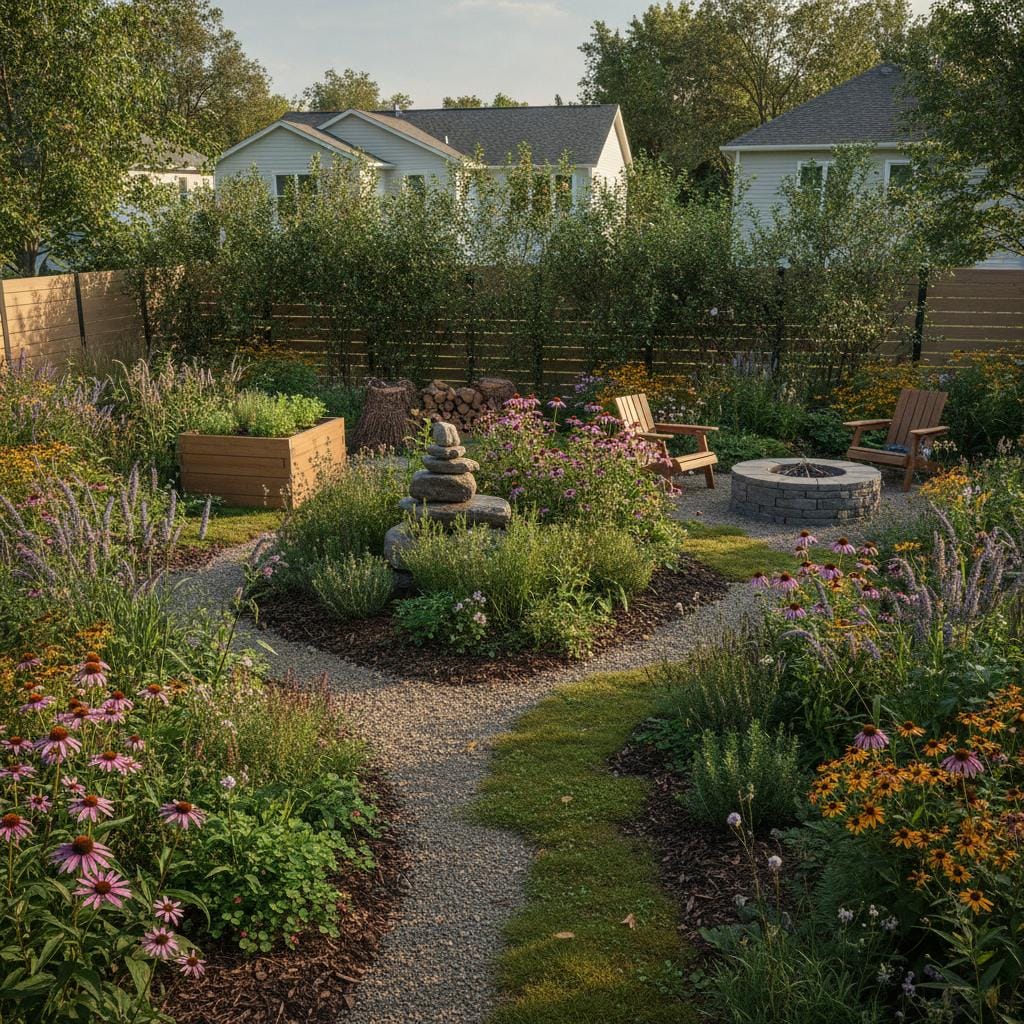
Create paths of wood chips or stepping stones that allow access without compacting soil. Use vertical elements such as trellises for beans and cucumbers to maximize space. Edge beds with low stone or brick to keep a tidy appearance from the street.
Ongoing Care and Seasonal Tasks
Apply two to three inches of organic mulch around all plants to suppress weeds and retain moisture. Monitor for common issues such as aphids or powdery mildew and treat early with insecticidal soap or neem oil. Prune fruit trees in late winter to maintain shape and encourage productive branching.
Harvest produce at peak ripeness and share extras with neighbors to build community connections. Collect seeds from successful plants for the following year. Replenish compost annually to sustain long term soil vitality.
Enjoying the Rewards of Your Yard
A well tended edible landscape supplies fresh ingredients steps from the kitchen while serving as a living showcase of sustainable design. Families gain hands on experience with food production and seasonal rhythms. The result is a yard that nourishes people, wildlife, and the local environment year after year.