Why Front Yards Are Becoming Edible Gardens in 2026
Front yards are changing. More homeowners are turning their lawns into productive and beautiful edible gardens. This shift creates spaces that look great, feed families, and support the environment. Edible landscaping blends fruit trees, herbs, vegetables, and flowers into designs that fit neighborhoods while delivering more value than traditional lawns.
Defining Edible Landscaping
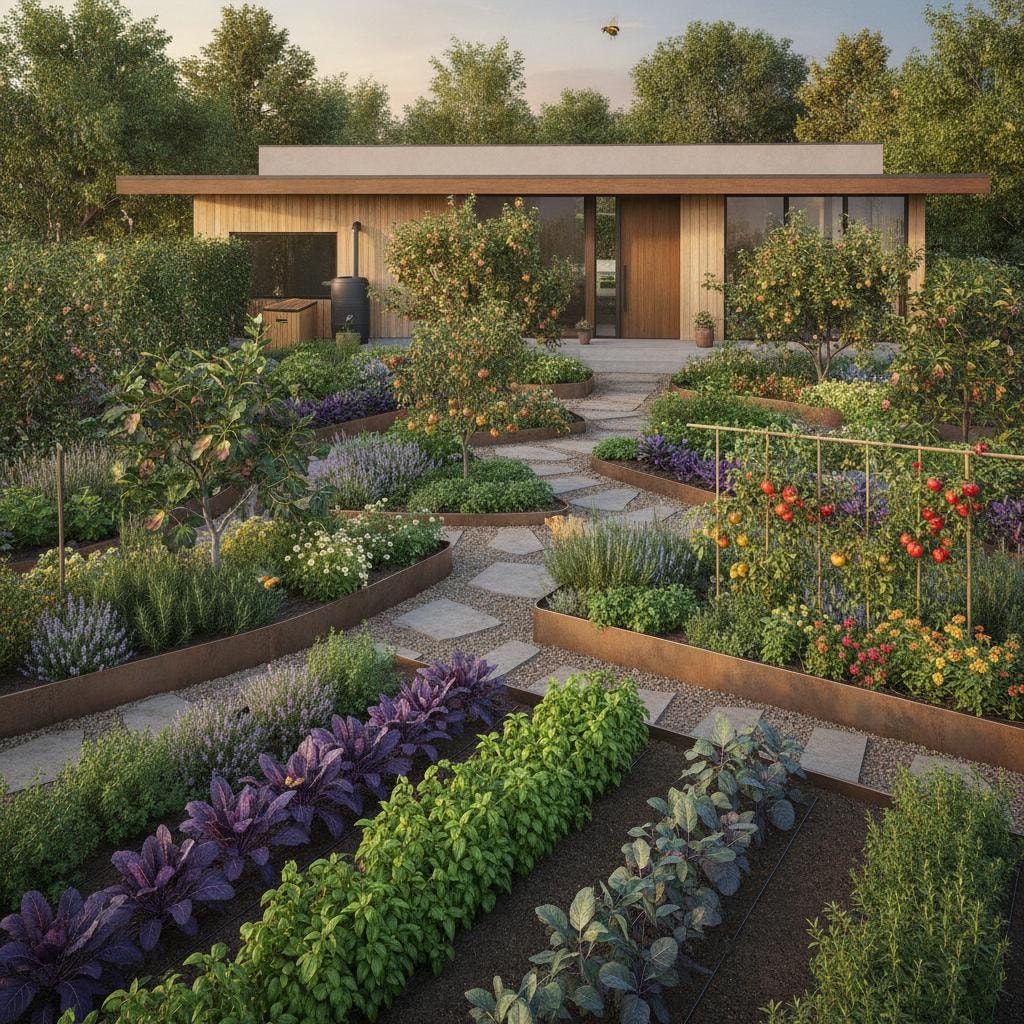
Edible landscaping replaces standard grass and ornamental plants with food-producing varieties. Blueberry bushes can stand in for rows of shrubs. Strawberries or creeping thyme can replace purely decorative groundcover. The approach keeps yards attractive while adding usefulness.
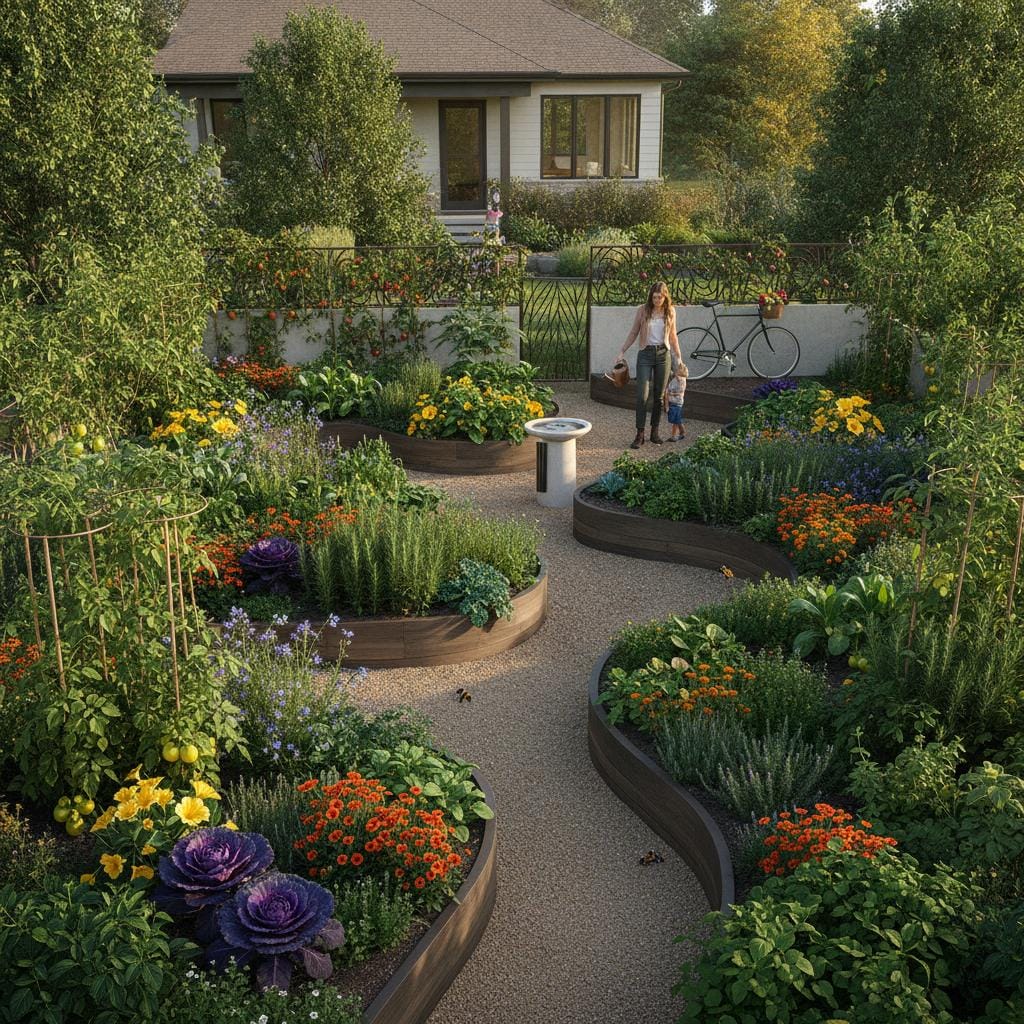
This style adapts to many home types. A small city lot can feature raised beds of greens. A larger suburban yard might include apple trees, grape vines, and garden paths. The overall look stays formal or natural based on planting choices and maintenance routines.
Reasons Homeowners Choose This Approach
Several factors drive the rise of edible landscaping. Homeowners want to know the source of their food and reduce grocery costs. Others seek sustainable yard options that require less water and fewer chemicals. Many enjoy gardening and want outdoor space to serve purposes beyond appearance.
- Saves money and resources. A well-planned edible landscape cuts grocery bills and lawn care costs. Spending decreases on mowing, watering, and fertilizer.
- Supports pollinators. Plants such as lavender, chives, and fruit blossoms attract bees and butterflies. Local ecosystems benefit as a result.
- Improves soil and water use. Deep-rooted plants help prevent erosion and retain moisture better than turf grass.
- Raises property appeal. A tidy, productive garden catches attention. It signals care, creativity, and self-sufficiency.
Steps for Planning the Layout
Turning a front yard into an edible space begins with planning. Consider sunlight, drainage, and the desired appearance from the street. Mixing edible plants with ornamentals maintains a balanced design.
Follow these basic steps:
- Start small. Replace one flower bed or a strip of lawn first. Observe plant growth before expanding further.
- Mix textures and colors. Kale, red lettuce, and herbs create visual variety. Pair them with marigolds or nasturtiums for added color.
- Use vertical space. Trellises for peas or beans save ground area and add structure.
- Plan for all seasons. Incorporate perennials such as rosemary, rhubarb, or asparagus so the garden maintains interest year-round.
Understanding Costs and Maintenance
An edible landscape can begin with modest spending. Initial costs align closely with refreshing a traditional garden bed. Seeds and starter plants remain affordable, while fruit trees or raised beds require more upfront investment. Savings from homegrown produce offset those costs over time.
Maintenance depends on plant selection. Leafy greens and herbs need regular harvesting. Fruit trees require pruning once or twice each year. Routine attention matters more than heavy labor. Mulching and drip irrigation keep weeds and watering manageable.
Handling Seasonal Care
Edible landscaping rewards steady effort. Maintain soil health with compost and organic mulch. Rotate crops to prevent disease. Protect tender plants with covers or move pots indoors during colder months. Perennial herbs and shrubs often thrive with minimal care once established.
Taking Action on Your Yard
Ready to transform a front yard? Begin with a plan that matches available time and budget. Sketch a layout, list desired plants, and consider seasonal appearance. A landscape designer can assist with complex projects, or guidance from local garden centers supports a do-it-yourself approach.
An edible front yard combines beauty with purpose. It converts space once reserved for appearance into a living, productive garden. Plants chosen to feed households and support wildlife create a yard that provides ongoing returns.