Why Gravel Gardens Are Surging in Hardscaping
Gravel gardens have shifted from specialized installations to common choices in residential landscapes. Property owners replace high-water lawns with structured stone surfaces and resilient vegetation. This approach delivers consistent appearance with reduced resource demands.
The design aligns with variable weather patterns and limited available time for yard care. It integrates natural elements with functional requirements. Both expansive properties and smaller lots accommodate these layouts effectively.
Definition and Core Components
A gravel garden consists of compacted soil, landscape fabric, and a surface layer of aggregate that supports selected plants. Depths of two to four inches of pea gravel, crushed stone, or decomposed granite cover the base. This covering moderates soil temperature and limits evaporation.
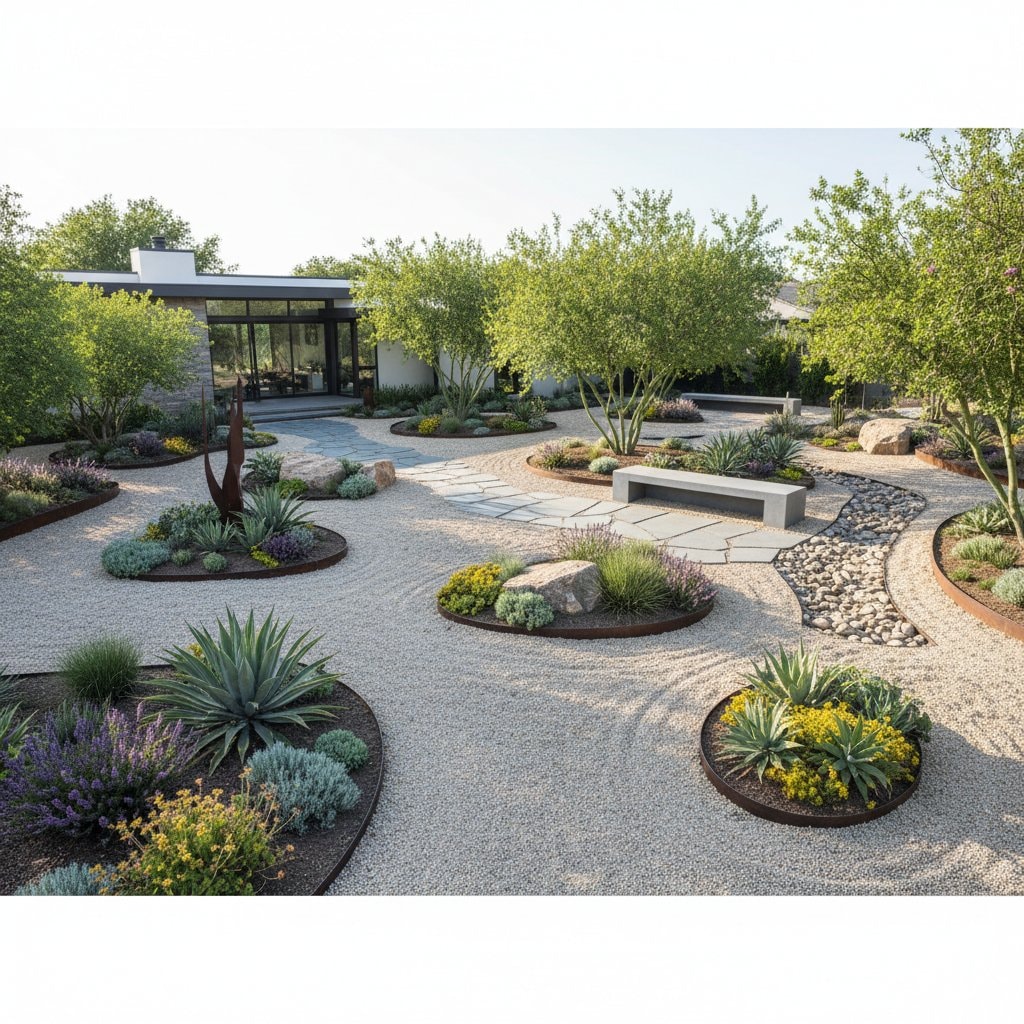
Installations range from narrow paths bordered by hardy perennials to complete site redesigns that include seating zones and defined planting pockets. Balance between open gravel areas and vegetation prevents a sparse appearance.
Primary Reasons for Selection
Homeowners adopt gravel gardens for measurable advantages in daily operation.
- Reduced labor requirements. Established beds need only occasional weeding and surface raking. Mowing and frequent irrigation become unnecessary.
- Lower water consumption. The stone layer retains moisture near roots during warm periods. Properties in regions with usage limits benefit directly.
- Controlled expenses. Material and labor costs average two to six dollars per square foot. Ongoing savings appear in water bills and equipment use.
- Design flexibility. Neutral gravel tones complement both geometric modern layouts and informal cottage arrangements. Integration with pavers or timber borders occurs without conflict.
- Extended service life. Stone resists breakdown from weather exposure. Proper base preparation supports decades of performance with minimal intervention.
Site Preparation Sequence
Successful projects begin with evaluation of existing conditions.
- Select an open area that receives full sun exposure. Low spots prone to water accumulation require correction or avoidance.
- Clear existing vegetation and excavate to a four-inch depth. Install landscape fabric over leveled soil to separate layers.
- Distribute gravel evenly and compact walking surfaces where needed. Consistent depth supports both drainage and stability.
- Choose plants such as lavender, sedum, yucca, and native grasses that tolerate dry, well-drained conditions. Cluster species with matching moisture needs.
- Install edging of metal, stone, or wood to contain the gravel and maintain clean transitions.
Style Applications
- Modern minimalism pairs pale gravel with concrete pavers and sculptural specimens such as agave.
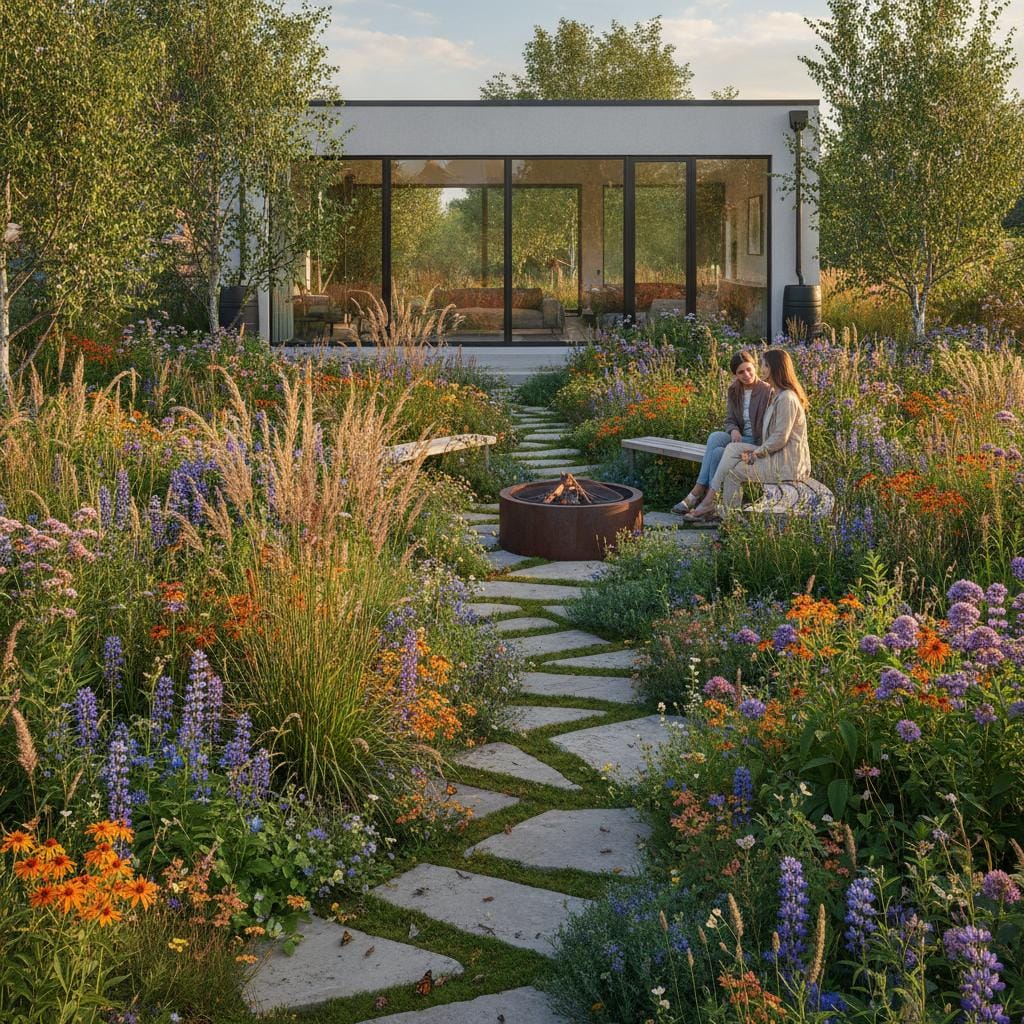
- Cottage charm uses pea gravel paths alongside flowering selections including salvia and coneflower.
- Mediterranean influence combines warm stone tones with terracotta containers and herbs like rosemary.
- Natural meadow effects scatter regional grasses and wildflowers across irregular gravel zones.
Installation Errors to Prevent
- Omission of the fabric barrier allows rapid weed reestablishment and gravel settling.
- Inadequate slope or missing sand amendment leads to surface ponding.
- Selection of moisture-loving plants results in poor establishment and replacement costs.
- Absence of edging permits gravel migration into adjacent turf or walkways.
Ongoing Care Practices
Periodic attention preserves appearance and function. Rake surfaces to maintain even coverage. Remove volunteer growth promptly. Add fresh aggregate to thinned sections every two to three years. Prune plants to keep proportions within the intended scale.
Project Execution
Begin with a single defined zone to test material choices and plant performance. Scale to larger areas once the approach proves suitable for site conditions. Durable materials and climate-appropriate plant selections produce reliable results over time.