Edible Hedges Turn Property Lines Into Fresh Food
A well-grown hedge defines garden space with quiet strength. It structures the landscape and creates rhythm through the seasons. When the hedge produces food, the boundary shifts from a simple divider into a source of harvests, shelter for wildlife, and seasonal interest.
Moving Beyond Traditional Boundaries
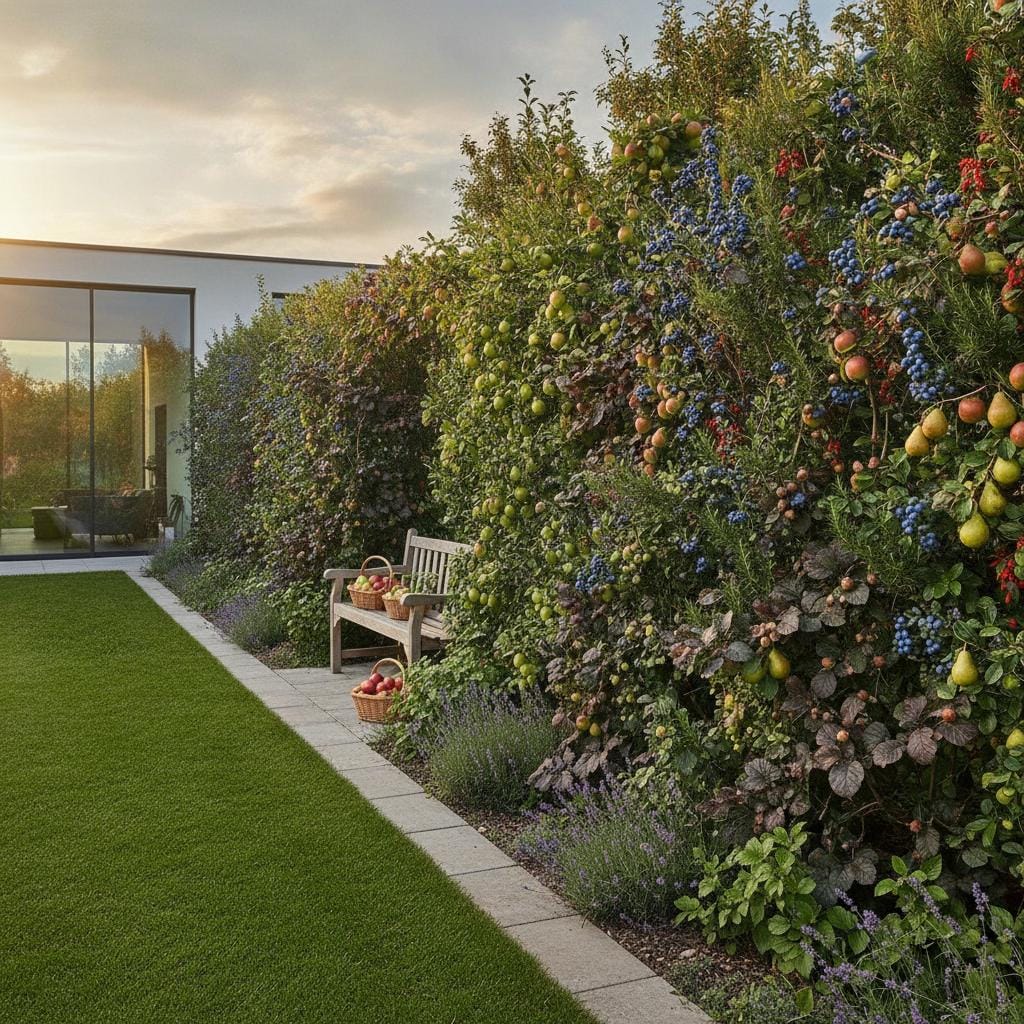
Fences mark edges without returning value. A hedge, by contrast, filters views while allowing air and light to pass. When planted with productive species, the same line supplies berries, nuts, and flowers that support both household needs and local pollinators.
Productive landscaping treats boundaries as working elements rather than static barriers. The hedge can divide garden rooms, reduce wind, or line a driveway while yielding usable crops. The guiding principle remains straightforward: choose a living screen that also nourishes.
Selecting Reliable Hedge Plants
Effective edible hedges combine dense growth, tolerance for regular trimming, and consistent yields. Plant choice depends on climate, soil type, and the desired garden character. Formal, clipped lines suit structured spaces, while looser plantings encourage birds and beneficial insects.
Strong options include the following:
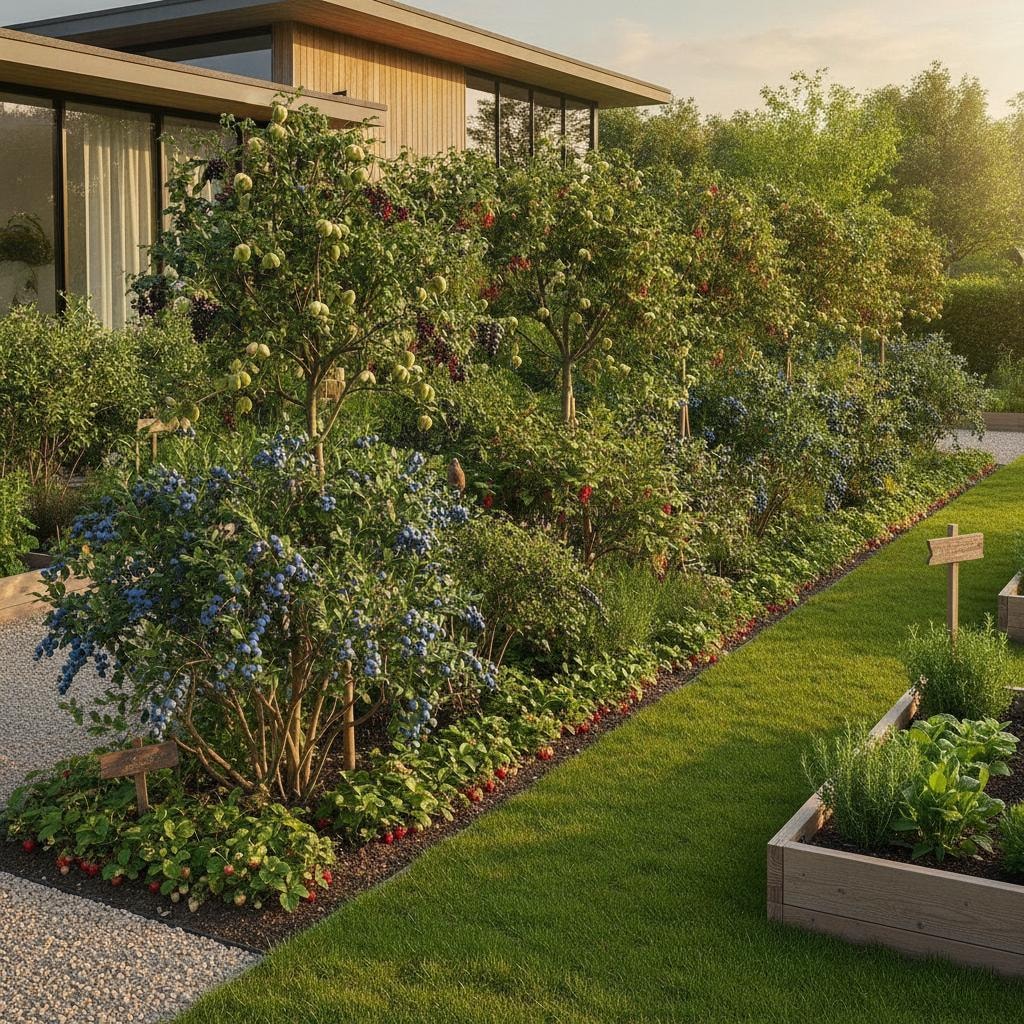
- Blueberries form compact mounds with glossy foliage that changes color through the year. They require acidic soil and benefit from annual thinning to maintain productivity along paths or patios.
- Raspberries produce a dense, thorny screen that yields summer or everbearing crops. Contain spreading roots with edging or dedicated beds to prevent unwanted spread.
- Currants and gooseberries tolerate partial shade and fit smaller spaces. Their berries suit fresh eating or preserves and require little pruning beyond removal of older stems.
- Hazelnuts reach greater heights and supply nuts in autumn. Their broad leaves create effective screening once established.
- Serviceberries offer spring blossoms, early summer fruit, and vivid fall color. They function as either single-stem trees or multi-stem shrubs depending on spacing.
Designing for Both Form and Yield
An edible hedge requires attention to spacing, light penetration, and air circulation. Blend two or three compatible species to extend the harvest window and improve resilience against pests. Alternate blueberries with currants, for example, or place raspberries in front of taller hazelnuts.
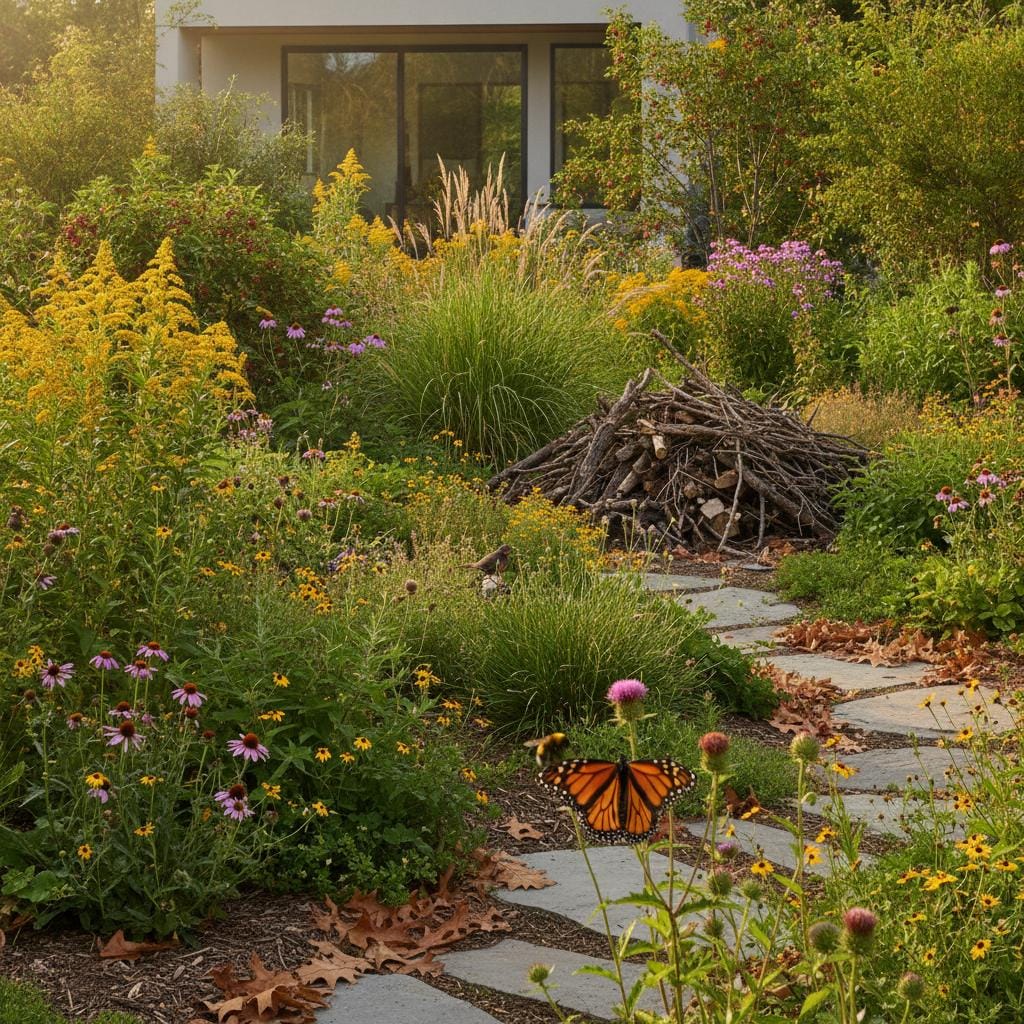
Wildlife will claim a portion of the crop. Plan for extra production so both gardener and birds benefit. The presence of insects and songbirds adds observable activity without extra effort.
Site Preparation and Ongoing Care
Measure the full mature width of each species before planting. Prepare soil by incorporating compost to support root establishment. Apply mulch after planting to retain moisture and suppress weeds.
Water deeply but infrequently during the first two seasons. Drip lines or soaker hoses deliver water efficiently at soil level. Prune immediately after harvest to encourage dense new growth from base to top.
Visual Details That Strengthen the Design
Color, texture, and height create depth. Silver-toned gooseberry foliage contrasts with darker evergreens. Red currant fruit catches light, while serviceberry blossoms brighten early spring. Layer a taller hazelnut row behind shorter berry shrubs to soften the transition between spaces.
Repeat a single species at regular intervals to unify the line. This rhythm prevents a mixed planting from appearing scattered.
Gathering and Sharing the Harvest
Daily walks along the hedge reveal ripening stages and invite small collections for immediate use. Berries reach the breakfast table, nuts move into baked goods, and surplus fruit becomes preserves. The repeated contact builds familiarity with seasonal timing.
Excess produce strengthens neighborhood ties when offered to others. Homegrown fruit carries a personal quality that purchased items lack.
Establishing a Lasting Garden Edge
Once planted, the hedge develops character through successive seasons. Observe growth patterns each year and adjust pruning or irrigation accordingly. Begin with a single section or corner to test plant performance before expanding the full length.