Why Front Yards Are Turning Into Edible Farms
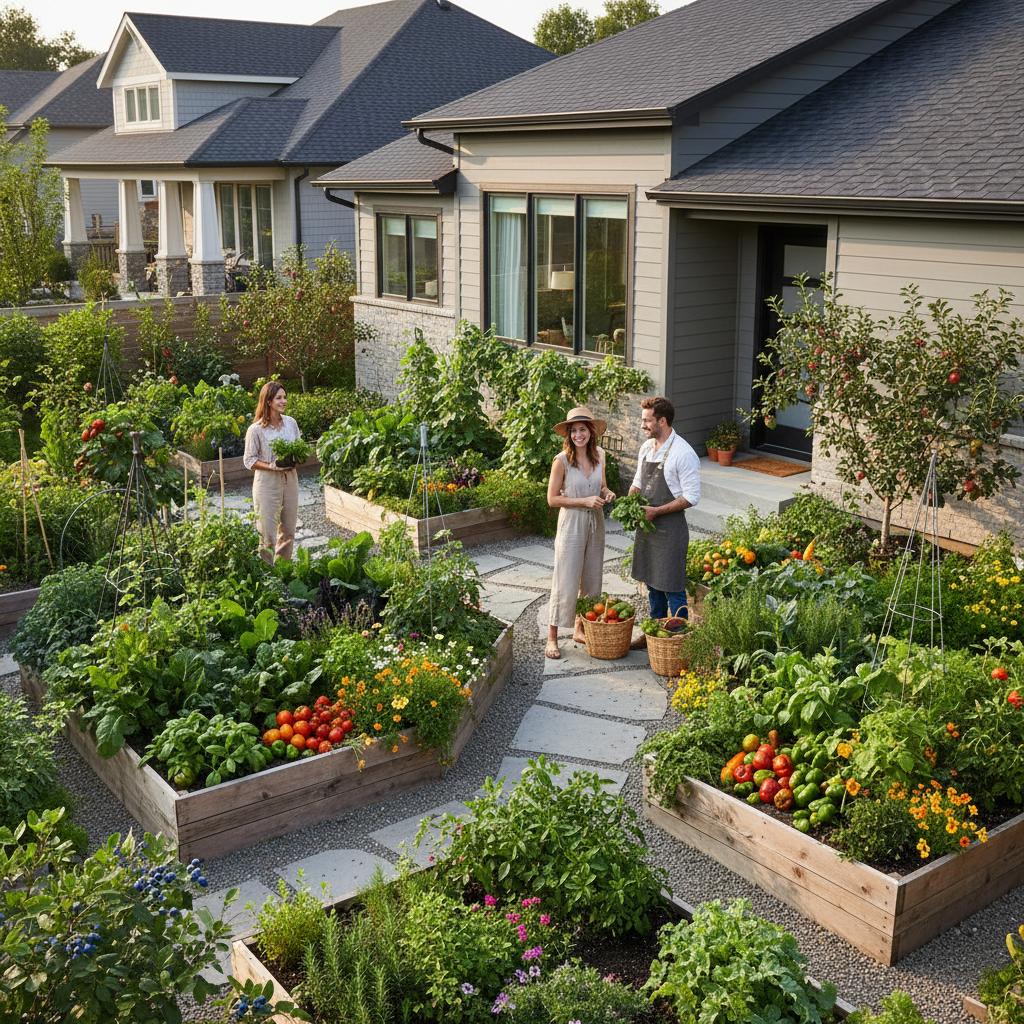
Homeowners across the United States increasingly replace manicured lawns with vibrant edible gardens. This shift reflects a desire for self-sufficiency, environmental responsibility, and aesthetic appeal. Front-yard farms offer fresh produce, lower expenses, and community engagement while maintaining an attractive exterior.
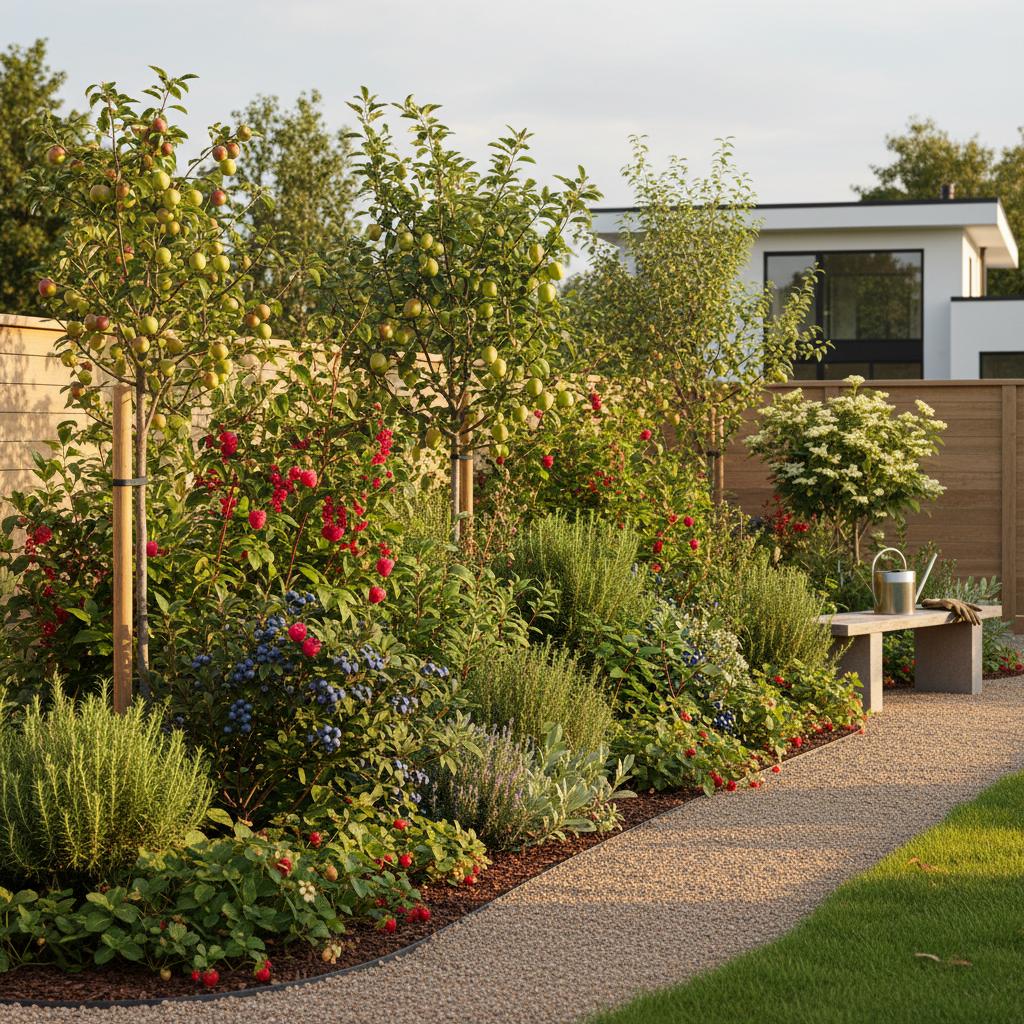
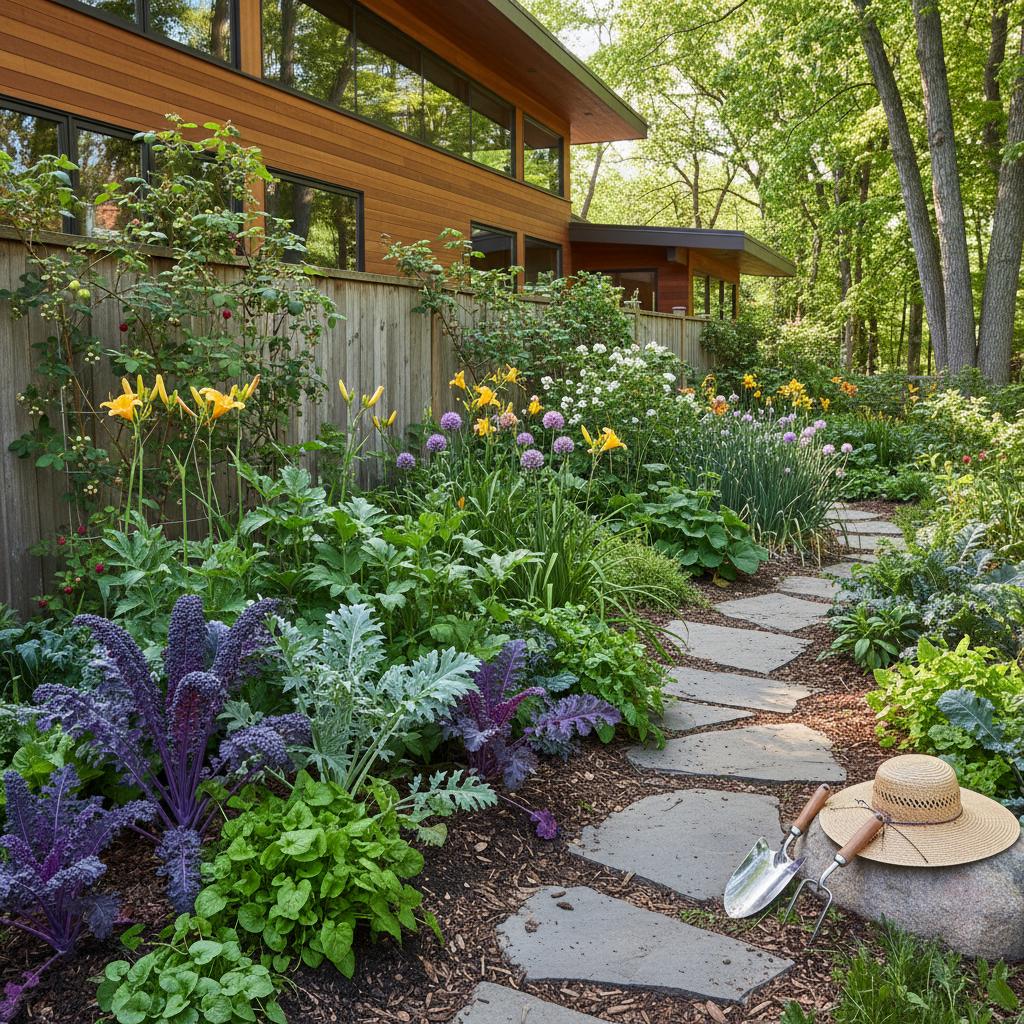
Traditional grass lawns demand significant water, fertilizer, and mowing time with little return beyond visual uniformity. In contrast, edible landscapes integrate fruits, vegetables, herbs, and flowers into a cohesive design. These gardens support biodiversity, reduce carbon footprints through local food production, and foster conversations with passersby who admire the innovative approach.
The trend gains momentum amid rising food prices and climate concerns. Urban and suburban dwellers alike discover that a productive yard enhances daily life. With proper planning, such spaces yield bountiful harvests season after season.
Benefits of Edible Front Yards
Edible gardens provide multiple advantages that extend beyond nutrition. They cut grocery bills by supplying homegrown staples like tomatoes, berries, and leafy greens. Sustainability improves as these yards require less water than lawns and eliminate the need for chemical treatments.
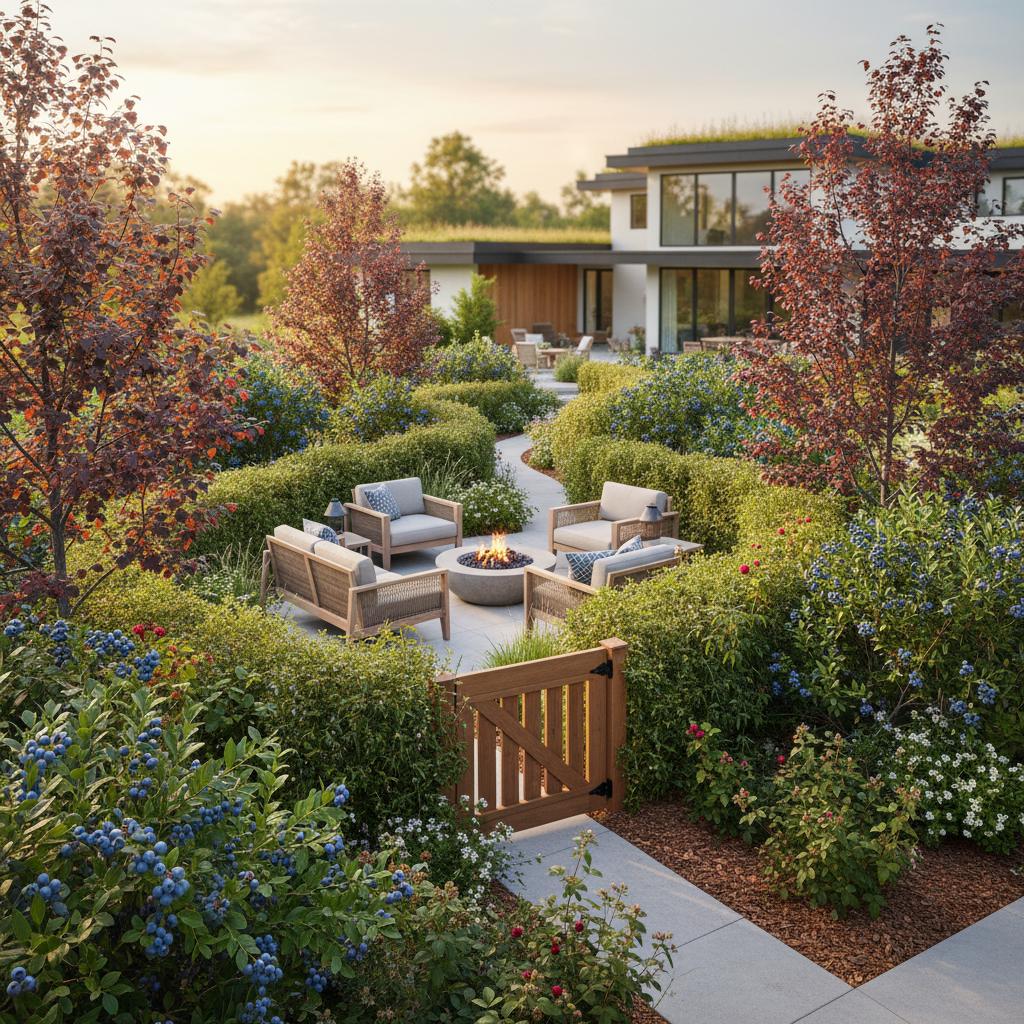
Neighborhood dynamics shift positively when front yards become shared inspirations. Neighbors often exchange tips, seeds, or excess produce, building stronger community ties. Visually, the mix of colors and textures from edibles creates a dynamic curb appeal that evolves with the seasons.
Health benefits emerge naturally. Tending the garden promotes physical activity and encourages consumption of fresh, organic foods. Many report reduced stress from connecting with nature in their own front space.
Initial Costs and Budgeting
Establishing an edible front yard involves upfront investment, but returns justify the expense. For a medium-sized yard, expect to spend a few hundred dollars on essentials. This covers soil amendments, tools, and initial plantings.
Raised beds or borders enhance organization and drainage. Materials like wood, stone, or metal edging add durability and style, though they increase costs slightly. Select options that suit your climate and aesthetic preferences.
Plants and seeds form the core investment. Choose a mix of annuals for quick yields and perennials for long-term productivity. Budget a moderate amount for the first season, focusing on varieties suited to your region.
Irrigation systems merit consideration for efficiency. Drip irrigation conserves water and minimizes manual effort compared to sprinklers. Simple setups integrate easily into existing landscapes.
Professional services elevate the project if desired. Hiring a landscaper for design and installation raises costs substantially, often into the thousands. DIY approaches keep expenses low while building personal skills and satisfaction. After establishment, annual costs decrease as perennials return and self-seeding plants propagate naturally.
Ongoing Maintenance Practices
Edible landscapes demand consistent care to thrive. Water regularly, especially during dry spells, to support root development. Weeding prevents competition for nutrients, while pruning shapes plants and boosts yields.
Mulch serves as a key ally. Apply organic layers around plants to retain moisture, suppress weeds, and enrich soil as it decomposes. Organic matter like straw or bark works well in front-yard settings.
Harvest promptly to stimulate further growth. Many edibles, such as beans or zucchini, produce more when picked regularly. Track seasonal needs to adjust care routines accordingly.
Overall effort mirrors traditional lawn upkeep. Time spent weeding and watering replaces mowing and edging, yet delivers tangible rewards in food and beauty. Seasoned gardeners often find the routine meditative and fulfilling.
Steps to Launch Your Edible Garden
Begin modestly to build confidence and adapt to your site. Expansion follows as knowledge grows.
-
Evaluate sunlight patterns. Vegetables and fruits require six hours of direct sun daily. Note morning versus afternoon exposure across your yard to position plants optimally.
-
Analyze soil conditions. Test pH and composition through local extension services or kits. Amend with compost if needed, or opt for raised beds on poor soil.
-
Design the layout thoughtfully. Draw a scale sketch incorporating paths for access and aesthetics. Position taller elements like fruit trees to avoid shading low-growers such as herbs.
-
Select plants based on preferences. Prioritize foods your household enjoys and uses frequently. Include a balance of edibles and ornamentals for visual harmony.
-
Incorporate compost annually. Build soil health by adding nutrient-rich matter each season. This practice sustains productivity without synthetic inputs.
As proficiency increases, explore advanced methods. Vertical structures maximize space in compact yards, while permaculture principles promote natural ecosystems.
Embracing Life with an Edible Yard
A thriving front-yard garden transforms routines and relationships. Daily interactions with the space yield fresh ingredients for meals and moments of tranquility.
The garden matures over years, with fruit trees bearing heavier crops and perennials establishing deep roots. Wildlife benefits from pollinator-friendly flowers and berry sources, enhancing local ecology.
This approach redefines homeownership. It instills purpose in the landscape, promotes healthier habits, and invites admiration from the community. If your front yard feels underutilized, consider this path to a more vibrant, sustaining environment.