Embracing Messy Gardens: The Triumph of Yard Rewilding
Homeowners often gaze at their yards and yearn for spaces that require minimal intervention. Yard rewilding offers a solution by allowing nature to reclaim and revitalize outdoor areas. This method reduces the need for frequent mowing, trimming, and rigid control, welcoming native plants, pollinators, and organic processes to foster a balanced ecosystem directly adjacent to the home.
This practice attracts growing interest from individuals seeking to lessen yard maintenance, decrease water consumption, and aid local wildlife. Although it appears untamed, a rewilded garden proves both functional and gratifying in its outcomes.
Understanding Yard Rewilding
Rewilding a yard involves intentional withdrawal rather than complete neglect. Natural systems assume primary responsibility, shifting from imposed perfection to organic growth. Native grasses, wildflowers, and shrubs gradually dominate, while invasive species receive removal and chemical interventions remain absent. Leaves and mulch accumulate naturally, enhancing soil quality over time as insects repopulate and birds along with small mammals discover refuge.
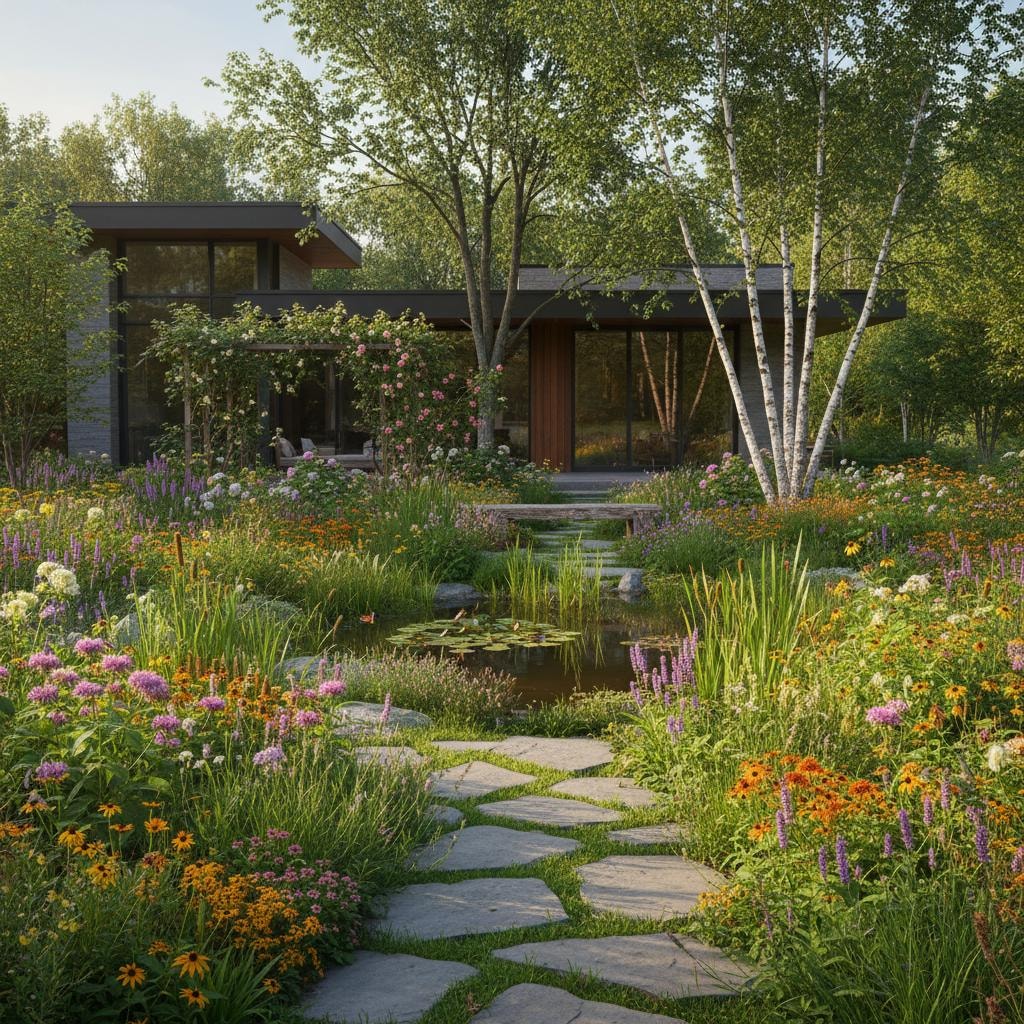
The approach substitutes curated aesthetics with authentic landscapes. Homeowners retain influence over elements like pathway placement or preferred plant encouragement, yet cease resistance to inherent environmental rhythms. Depending on regional climate and soil composition, a rewilded yard might resemble a meadow, woodland edge, or blended habitat. For instance, in temperate zones, incorporate species such as little bluestem grass or black-eyed Susan to establish a resilient foundation.
The Value of Messy Gardens in Rewilding
A seemingly messy garden frequently indicates robust health. Natural plant growth forms stratified vegetation layers that sustain diverse species. To the observer, disarray may prevail, yet this signals elevated biodiversity essential for ecological vitality.
Consider these key advantages of messy gardens within rewilding efforts:
- Enhanced Pollinator Support: Bees, butterflies, and beetles thrive on sustained nectar sources. Wild gardens ensure blooms persist across seasons, such as milkweed in summer or asters in fall.
- Improved Soil Quality: Decomposing leaves and stems enrich the ground with organic material, eliminating reliance on synthetic fertilizers.
- Superior Water Management: Elevated plants and deep root networks mitigate runoff, promoting groundwater retention during rains.
- Reduced Upkeep Demands: Eliminate routine mowing and edging schedules. Established native varieties demand scant attention beyond initial setup.
- Expanded Wildlife Habitats: A variety of flora and accumulated debris offers nourishment and protection for birds, amphibians, and predatory insects.
By preserving fallen leaves and branches, homeowners enable micro-ecosystems to emerge. These structures bolster life cycles from soil microbes upward, mirroring functions of undisturbed natural terrains.
Designing a Rewilded Yard
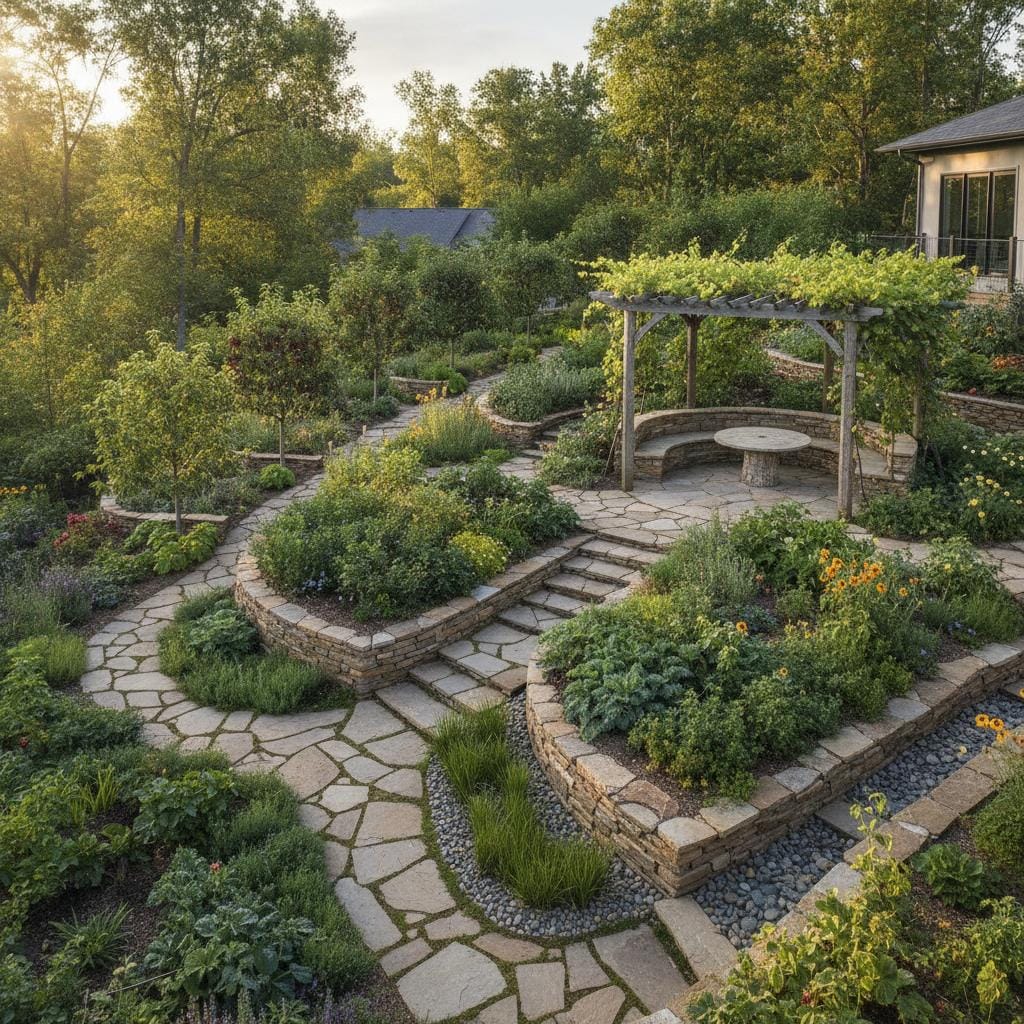
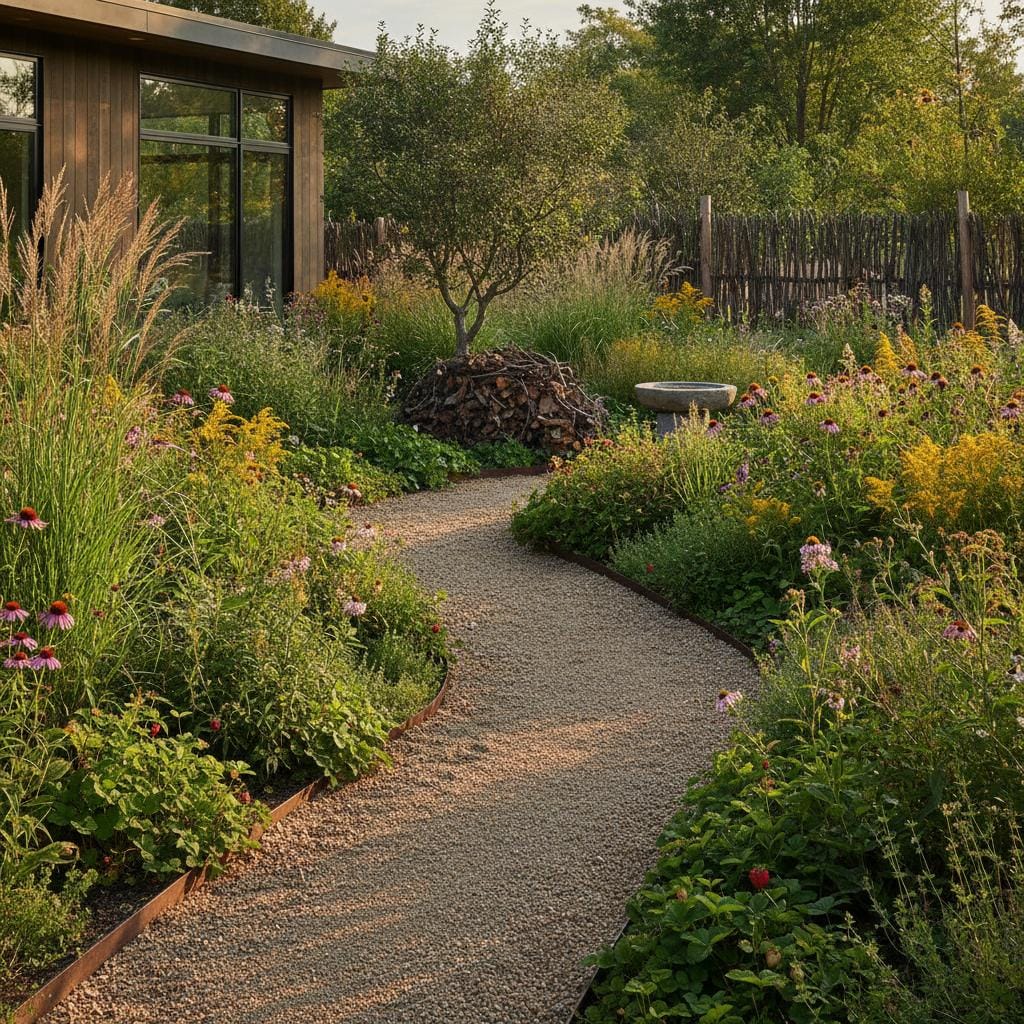
Concerns about chaos in rewilded spaces arise commonly among homeowners. Achieving equilibrium addresses this by integrating structure amid freedom. Define wild zones with neat borders, gravel pathways, or subtle fencing to convey purpose over abandonment.
Position taller varieties, like coneflowers or switchgrass, at the rear of planting beds, reserving compact options such as creeping phlox for pathway proximity. Arrange plants in clustered repetitions to instill visual rhythm. Combine diverse textures, from delicate grasses to robust foliage, to impart intentional aesthetics without excessive management.
Incorporate focal elements like a simple birdbath, seating area, or sculpted rock feature. Such additions render the environment welcoming and affirm ongoing stewardship.
Financial and Effort Considerations
Rewilding yields long-term savings, though initial investments apply. Primary expenses involve turf eradication, soil amendment, and acquisition of native seeds or seedlings. Typically, these costs amount to under half the expense of a conventional ornamental installation.
Effort diminishes markedly post-establishment. Occasional tasks include invasive weed extraction, selective pruning, and targeted zone oversight, yet overall demands lighten considerably. Native adaptations to local conditions slash irrigation requirements; many report halving water usage after the garden matures.
Anticipated Obstacles
All landscaping approaches present compromises. Rewilding demands patience and addresses perceptual hurdles foremost. Plants require time to proliferate and ecosystems to stabilize, with initial phases appearing sparse. Full integration often spans two to three seasons.
Neighbors may initially misinterpret the intent. Clear pathways or informative markers detailing the ecological aims clarify the deliberate environmental strategy, distinguishing it from oversight.
Early weed proliferation poses another concern. As native roots strengthen, they suppress competitors organically. Interim manual weeding suffices for management, avoiding chemical applications.
Adapting to Seasonal Changes
Rewilded gardens evolve dynamically through seasons, unlike static traditional lawns. Spring delivers vibrant blooms and emergent growth. Summer introduces motion via swaying stems and buzzing insects. Fall contributes leaf layers for soil insulation. Winter structures, including seed heads, sustain avian foraging and insect overwintering.
Late winter presents an opportunity for dead material removal prior to renewal, or retention for faunal benefits. Annual inspections to excise invasives and replenish mulch cover essential care routines. Gradually, natural mechanisms assume predominant maintenance roles.
Observing Ecosystem Development
As rewilding progresses, the yard transcends mere terrain to embody a vibrant network sustaining biodiversity with minimal human input. Increased avian activity, fluttering pollinators, and revitalized soil become evident rewards.
Permitting controlled messiness fosters collaboration with nature. In exchange, homeowners gain a resilient landscape that perpetuates its own vitality.