Edible Hedges: Privacy That Produces Food
Gardens thrive on harmony between aesthetics, utility, and the joy of cultivation. Homeowners often prioritize privacy when designing outdoor areas. Edible hedges achieve this goal while supplying ingredients for meals, merging protection with productivity in a sustainable manner.
Understanding Edible Hedges
An edible hedge functions as a barrier composed of plants that yield edible parts, such as fruits, berries, nuts, or herbs. These replace conventional evergreens or decorative shrubs, transforming property edges into functional food sources. This approach promotes environmental responsibility and efficiency, as the hedge fulfills decorative and culinary roles simultaneously.
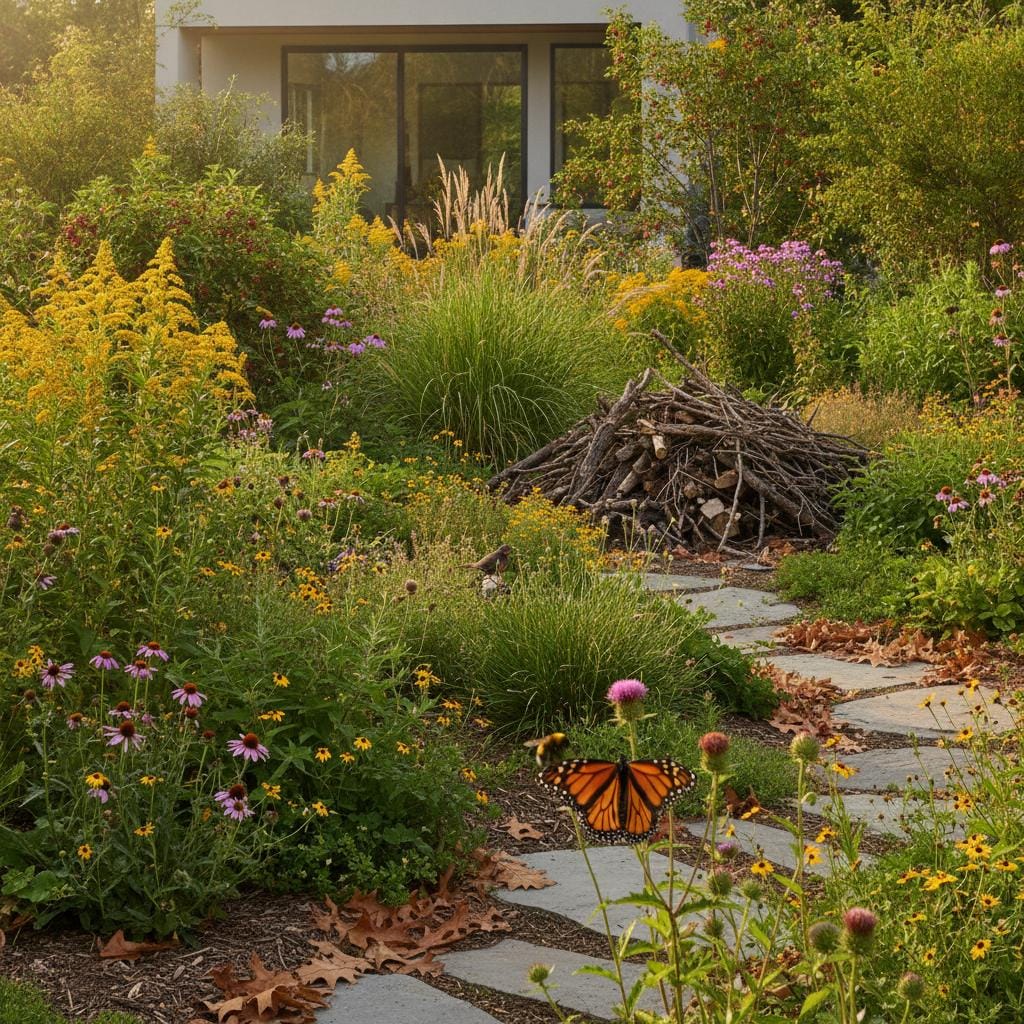
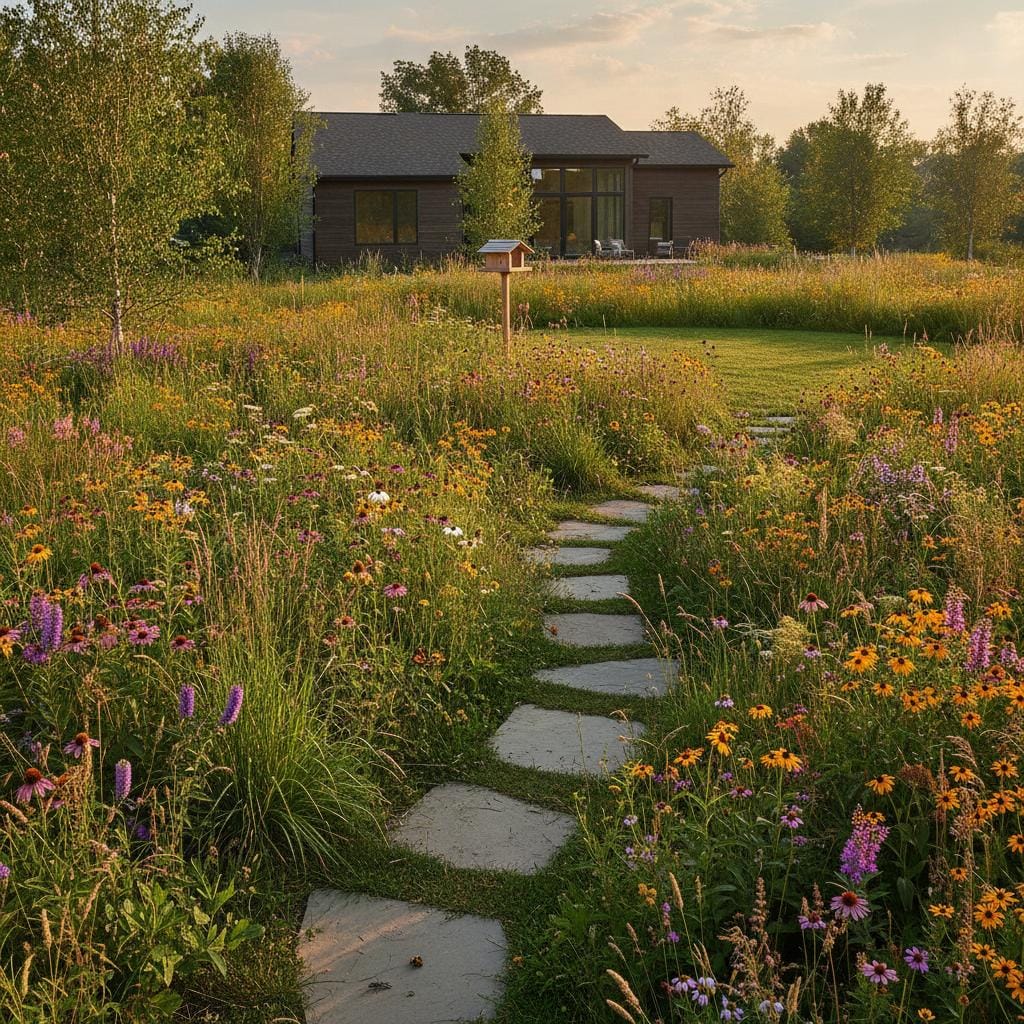
Design options range from formal, trimmed alignments along pathways to informal screens beside fences. Preferences guide the style: some select orderly patterns for elegance, while others favor natural growth that attracts wildlife like birds and insects.
Selecting Suitable Plants
Effective plant choices form the foundation of a thriving edible hedge. Focus on varieties tolerant of pruning, suited to local soil conditions, and bearing produce that aligns with personal tastes. Assess regional climate first, then evaluate compatibility for unified planting.
Recommended options include:
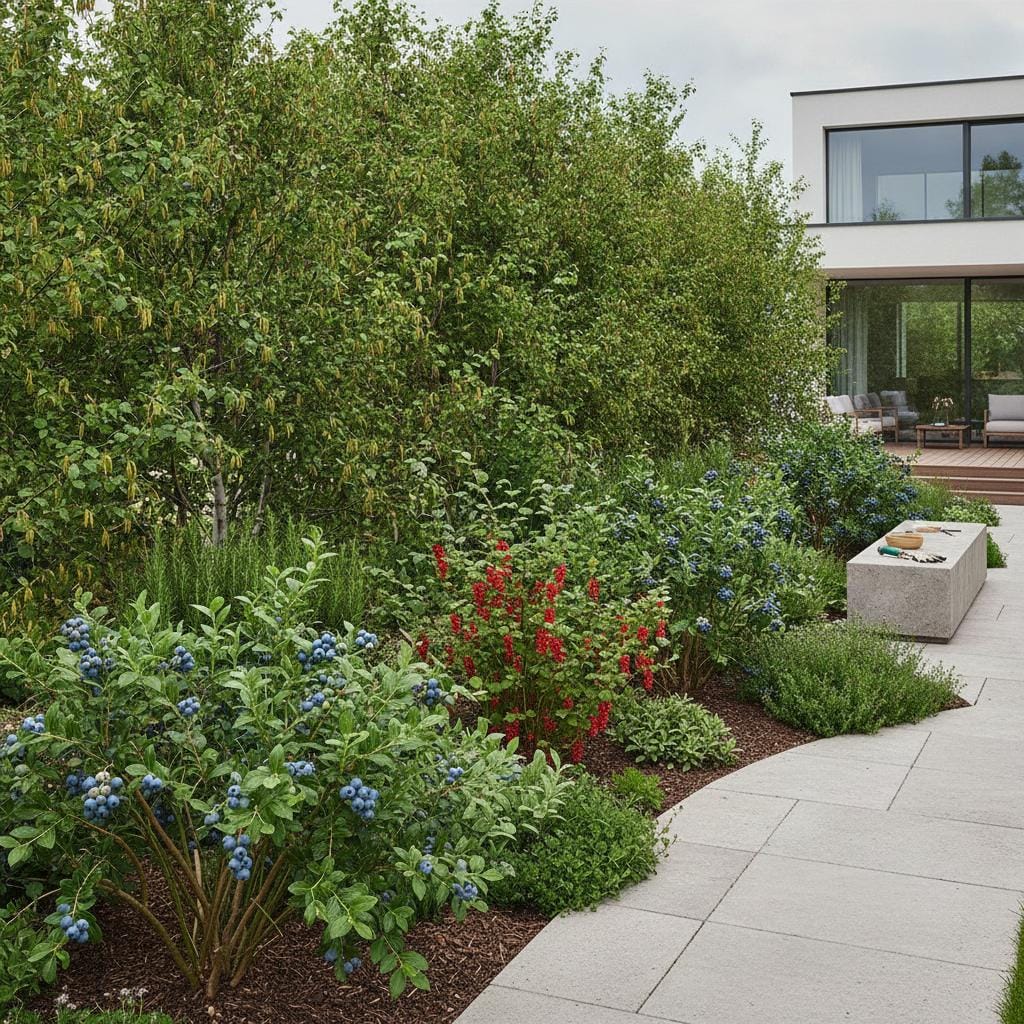
- Blueberries: Ideal for dense, vibrant hedges; they demand acidic soil and full sun, yielding sweet berries after two to three years.
- Currants or gooseberries: Thrive in partial shade; prune annually to maintain airflow and harvest tart fruits for jams in early summer.
- Raspberries or blackberries: Suit informal designs; support with stakes for canes up to six feet, providing abundant berries from June through August.
- Hazelnuts: Fit expansive areas needing height over ten feet; plant in pairs for pollination and gather nuts in fall.
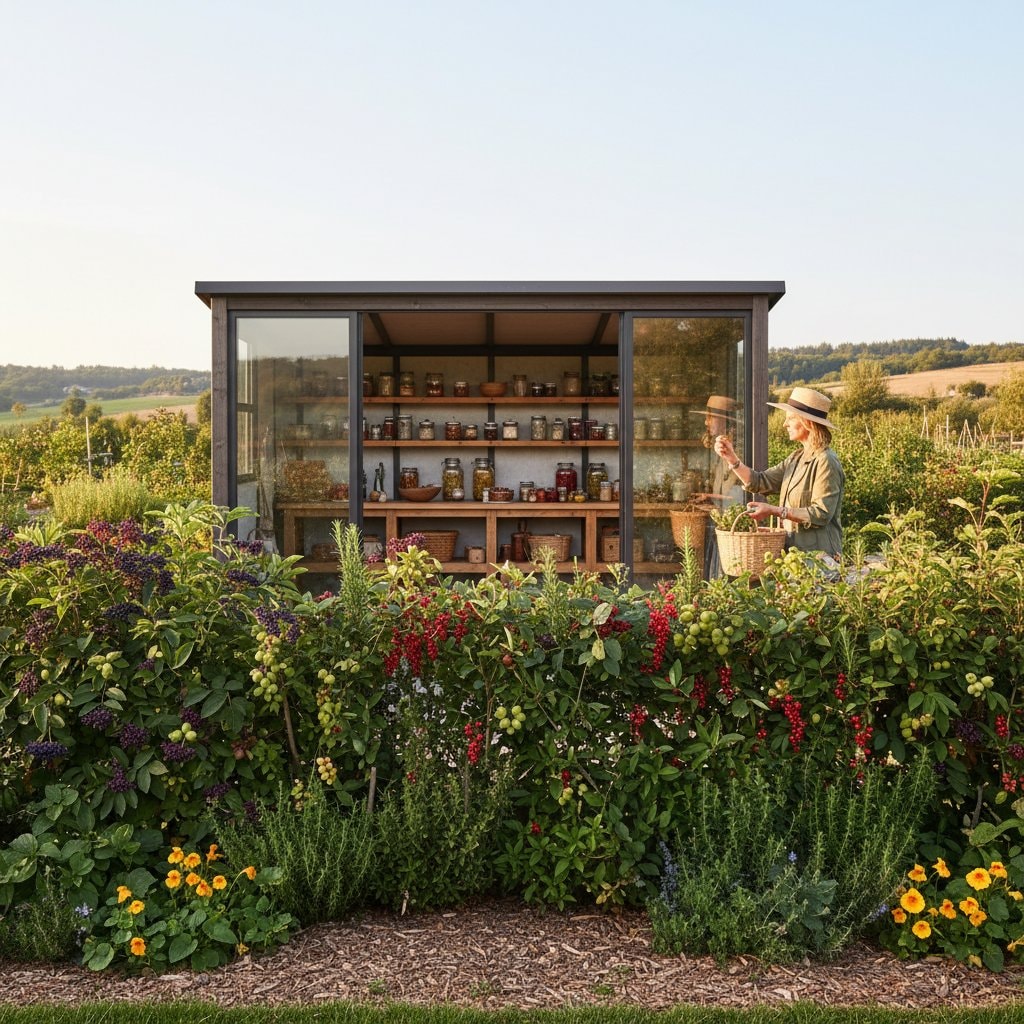
- Rosehips or elderberries: Offer ornamental flowers and health benefits; elderberries require cooking to neutralize toxins, with harvests in late summer.
Combine species for diversity and extended yields. For instance, pair currants, which fruit in June, with raspberries ripening in July and August. Repeat plantings of similar heights and colors to ensure cohesion.
Integrating Aesthetics and Utility
An edible hedge must appeal visually while delivering harvests. Determine the layout: a single row for simplicity or multiple layers with taller plants at the back. Account for sunlight patterns and seasonal shifts, incorporating spring blooms, summer fruits, and fall foliage for year-round interest.
Vary textures to enhance natural appearance. Combine smooth leaves with rough ones, or slender foliage with wider varieties. In compact spaces, alternate shades of green to add dimension without clutter.
Essential Maintenance Practices
Edible hedges require consistent care to remain healthy and productive. Prune regularly to promote density and fruit production; perform cuts post-harvest for berries or in winter dormancy for nuts. Apply compost or organic mulch annually to sustain soil nutrients and retain moisture, particularly for nutrient-intensive plants like raspberries.
Mulch layers also control weeds and shield roots from temperature extremes. Establish deep, infrequent watering routines to foster strong root systems. In regions with abundant wildlife, install temporary netting or barriers during peak fruiting to safeguard crops.
Achieving Purposeful Privacy
Unlike static traditional hedges, edible versions infuse vitality into boundaries. They encourage engagement through routine tasks like harvesting and shaping. This interaction fosters a deeper bond with the garden and its offerings.
Such hedges enhance ecological balance by sheltering birds, providing bee forage, and sparking conversations with neighbors about seasonal yields.
Evolving Your Hedge Over Time
As the hedge matures, observe its influence on the yard's ambiance, creating a more enclosed and dynamic environment. Regular visits to monitor growth and fruit development become habitual.
Adapt the design progressively. Introduce ground-level herbs or blooms beneath the shrubs, or propagate new plants from cuttings. Emphasize ongoing involvement over flawless execution.
Steps to Establish Your Hedge
Begin modestly along one yard edge. Select two or three compatible varieties based on usage and site conditions. Space plants according to mature size, ensure thorough initial watering, and track their adaptation.
An edible hedge promises seclusion, taste, and ongoing exploration. Dedicate effort to its upkeep, and it will yield aesthetic and nutritional rewards.